Fully equipped to accommodate international visitors. Offers cashless payment options, towel rentals, and discount coupons specifically for travelers from abroad.
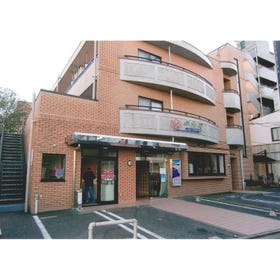
Traditional Japanese bathhouses(SENTO).
The Tourist Information Office located in the station yard of Tobu Tojo Line/JR Kawagoe Line Kawagoe Station. We assist tourists visiting Koedo Kawagoe.
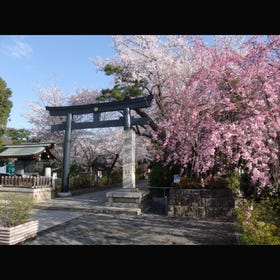
Known as the shinto shrine related to Yoshida Shoin, a samurai clan member of the Choshu Domain who had enormous influence on the movement to topple the Edo Shogunate during the mid-19th century. Now deified, he has become popular as a god of academic success.
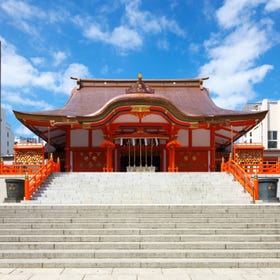
Hanazono-jinja Shrine in Shinjuku, loved by many as an urban oasis.
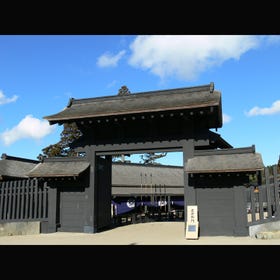
Hakone Sekisho is an impressive reproduction of an Edo Period sekisho on the banks of Lake Ashi. It is as if you've slipped back in time to the Edo Period.
The only swamp lake between the city center and Narita International Airport.In the vicinity of Inba-numa Pond are beautiful satoyama (traditional agricultural) landscapes.
These are memorial towers for Anjin Miura, the British foreign adviser to Ieyasu Tokugawa (the first shogun), and Anjin's wife, who was Japanese.
A natural park in the Kichijoji area. Popular among families and couples as a place they can enjoy the nature and culture of Musashino and interact with animals.
This is the world's first museum dedicated to the classic novella ”The Little Prince” by Antoine de Saint-Exupéry. It displays documentation and memorabilia from the author Saint-Exupéry, and visitors can fully enjoy the world of ”The Little Prince.”
A scenic park selected as one of the New Tokyo 100 Views. The verdant park has a baseball field, tennis courts, and an athletic open space.
Directly connected to Mitsukoshimae Station, the Mitsui Memorial Museum features masterpieces of Japanese and Eastern art acquired by members of the Mitsui family over 350 years. There is no permanent exhibition.
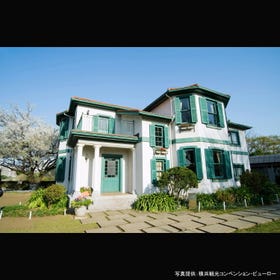
A house built in late Taisho era, after the Great Kanto Earthquake, as a residence for foreigners.