




Missed the Last Train in Tokyo? 6 Affordable and Safe Places to Stay Overnight
- Written by: LIVE JAPAN Editor
It happens faster than you expect. A great dinner with friends runs late, you check the time, and suddenly it’s past midnight. The last train is gone.
Don’t panic. While most Tokyo trains stop running around 12:30 AM, the city itself never really sleeps. Tokyo offers a surprising number of late-night and overnight options, even if you’re caught off guard. That said, as of 2026, many restaurants and fast-food chains that once stayed open 24 hours have shortened their hours. Without up-to-date information, it’s easy to end up wandering the streets with nowhere to go.
That’s why LIVE JAPAN editors have put together six reliable solutions for when you miss the last train. Whether you want a proper bed, a hot shower, or the cheapest way to wait until the first morning train, this guide breaks down prices, comfort levels, and safety considerations. Scroll on to find the overnight option that fits your situation and get through the night with confidence.
(Main image source: PIXTA)
(This article contains affiliate links)
- Table of Contents
-
- Quick Comparison: 6 Overnight Options by Price and Comfort
- Important: Many Places Are No Longer Open 24 Hours After the Pandemic
- 1. Internet Cafes and Manga Cafes: Fully Private Rooms and Hotel-Level Comfort at a Great Value
- 2. Capsule Hotels: Safety First, With Lockable Areas and Peace of Mind for Women
- 3. 24-Hour Saunas and Public Baths: Shower, Stretch Out, and Recover
- 4. Karaoke Rooms: Best Value for Groups, Sing Until the First Train
- 5. Family Restaurants and Fast Food: The Cheapest Option, but Check Hours Carefully
- 6. If All Else Fails, Take a Taxi: Useful Ride-Hailing Apps and Fare Estimates
- Last Train and First Train Times by Major Tokyo Areas
- Missing the Last Train Can Be a Unique Tokyo Experience

Quick Comparison: 6 Overnight Options by Price and Comfort
If you’re short on time, use this quick summary comparing estimated overnight budget, comfort level, and who each option is best for.
- 1. Internet Cafes / Manga Cafes
- ・Budget: 2,000 to 4,000 yen
・Comfort: ★★★★
・Why choose it: Many locations now offer fully private, lockable rooms that are quiet and surprisingly comfortable. A strong balance of price and rest.
- 2. Capsule Hotels
- ・Budget: 3,000 to 6,000 yen
・Comfort: ★★★★
・Why choose it: One of the safest options. Most have separate floors for men and women, and you can lie down properly. Ideal for solo female travelers.
- 3. 24-Hour Saunas / Public Baths
- ・Budget: 2,500 to 5,000 yen
・Comfort: ★★★★
・Why choose it: A hot bath helps you relax after a long day. Sleeping areas are usually shared spaces or recliners, best if you’re fine with communal settings.
- 4. Karaoke Rooms
- ・Budget: 1,500 to 3,000 yen
・Comfort: ★★
・Why choose it: Better for groups of two or more. Sofas aren’t great for sleeping, but you can sing and stay lively until morning.
- 5. Family Restaurants
- ・Budget: From around 1,000 yen
・Comfort: ★
・Why choose it: The cheapest option, but you won’t be able to lie down. Important note: many locations now close late at night, so always check hours first.
- 6. Taxi
- ・Budget: Depends on distance, very expensive
・Comfort: ★★★★★
・Why choose it: Costly, but it gets you straight back to a warm hotel bed. The ultimate last-resort option when everything else is closed.
Important: Many Places Are No Longer Open 24 Hours After the Pandemic
Before you start looking for somewhere to stay overnight, there’s one critical point to understand. In the past, many travelers assumed they could simply sit in a fast-food restaurant or family restaurant with a drink until morning. In 2026, that assumption can leave you with nowhere to go.
Due to the pandemic and Japan’s ongoing labor reforms, staffing shortages have forced many chain restaurants that once operated 24 hours to significantly reduce their hours. Major names now often close around 2 AM, or switch to takeout-only service late at night.
Before heading to any late-night spot, always check its current status on Google Maps. Better yet, consider the internet cafes or capsule hotels introduced next. These are currently the most reliable and safest overnight options if you miss the last train.
1. Internet Cafes and Manga Cafes: Fully Private Rooms and Hotel-Level Comfort at a Great Value
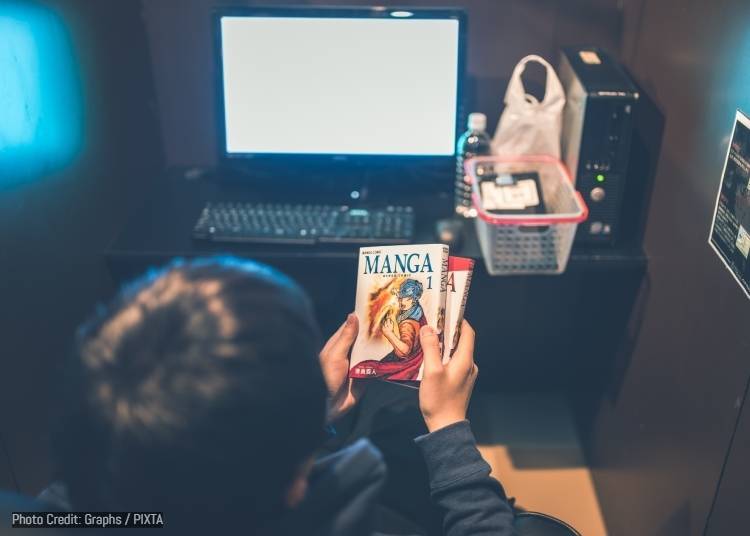
This is currently the best value-for-money option and the top recommendation from LIVE JAPAN editors. If your image of Japanese internet cafes is still cramped spaces, cigarette smoke, and little more than a chair, it’s time for an update.
Modern internet and manga cafes in Japan have evolved dramatically. Many now offer clean, quiet, fully private rooms that feel surprisingly premium. When you miss the last train, they’ve become one of the most reliable and comfortable overnight lifesavers in the city.
Why It’s Recommended: Lockable Rooms Where You Can Fully Lie Down
Most major chain internet cafes today, such as Kaikatsu Club and Hailey’ 5 Cafe, offer fully private rooms. This means you get your own enclosed space, similar to a compact hotel room.
These rooms usually have better sound insulation, and most importantly, doors that lock. That added security makes a big difference, especially for solo travelers. Inside, you’ll typically find a padded flat seat area where you can take off your shoes, stretch out your legs, and sleep properly without waking up sore.
Services and Facilities: Showers, Drinks, and Charging All Included
Beyond just sleeping, the facilities are impressively well equipped. The basic fee usually includes unlimited access to a drink bar with soft drinks, coffee, and soups. Most locations also have clean, coin-operated shower rooms, with towels, toothbrushes, and other toiletries available for purchase.
Free Wi-Fi and power outlets are standard, so you can recharge both yourself and your phone before heading out again.
How to Use an Internet Cafe
When entering, you’ll usually need to show your passport and register as a member. Choose a fully private flat room option, and the system will automatically apply the best-value time pack, such as a six-hour or nine-hour plan.
The average overnight cost is typically between 2,000 and 4,000 yen. It’s far cheaper than taking a taxi home, and far more comfortable and secure than spending the night outside.
2. Capsule Hotels: Safety First, With Lockable Areas and Peace of Mind for Women
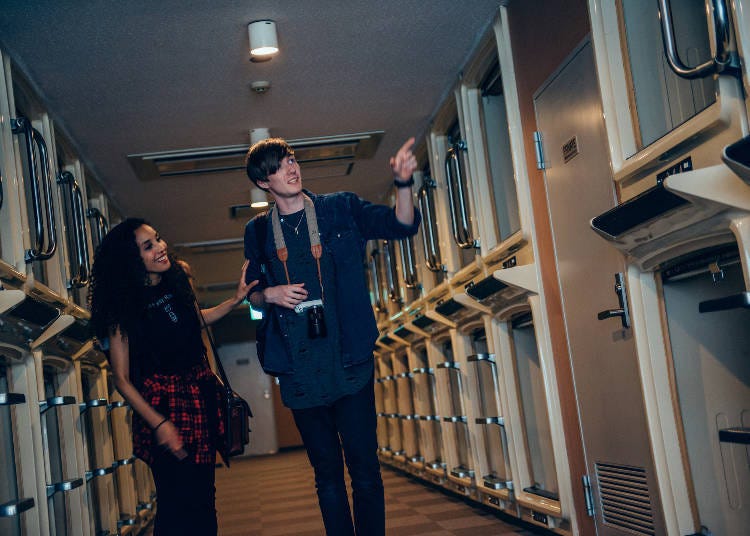
If internet cafes still feel a bit overwhelming, or if sleep quality really matters to you and you want to lie down on a proper mattress, capsule hotels are a step up. For solo female travelers in particular, this is one of the most reassuring overnight options available.
Strict Gender Separation and Secure Access
Modern capsule hotels, such as the design-focused 9h Nine Hours or the more upscale First Cabin, place a strong emphasis on safety.
Most facilities enforce strict gender-separated floors. Access to women-only areas is controlled by key cards starting from the elevator, so there’s no concern about accidental entry by male guests. While the capsule itself usually closes with a curtain rather than a lock due to fire regulations, luggage is stored in individual lockers. Clean, well-lit vanity areas and shower rooms make it easy to remove makeup, shower, and relax just like in a regular hotel.
Walk-In Friendly, No Reservation Needed
Even though popular times can fill up, many capsule hotels accept walk-in guests without prior reservations. You can simply stop by the front desk and ask about availability.
Prices are slightly higher than internet cafes, typically around 3,000 to 6,000 yen per night. In return, you get a comfortable mattress, clean sleepwear, and a much better night’s rest, which is often well worth it when you’re exhausted and need to reset for the next day.
3. 24-Hour Saunas and Public Baths: Shower, Stretch Out, and Recover
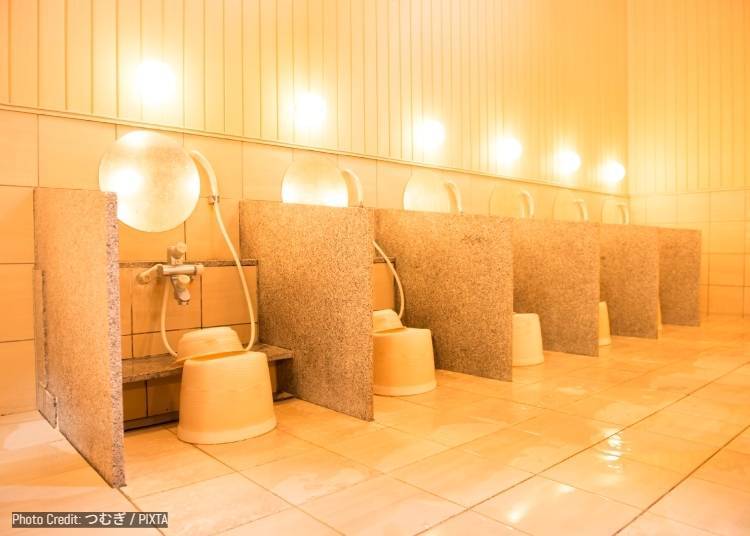
If you miss the last train and feel completely worn out, or you figure that if you’re paying anyway, you might as well enjoy a proper soak, a 24-hour super sento is a great option. Popular choices in central Tokyo include Thermae-Yu in Shinjuku and Spa LaQua at Tokyo Dome City.
Large Baths and Relaxation Areas
The main draw here is the spacious bathing facilities, including large indoor baths, open-air baths, and saunas. You can soak away the day’s fatigue, change into the lounge wear provided, and then head to the relaxation area to rest.
Overnight stays are usually spent on reclining chairs in shared rest areas rather than in private rooms, so expectations should be set accordingly.
Best for Travelers Who Don’t Mind Noise
Many reclining chairs come with personal TVs or power outlets, and some facilities even offer women-only rest zones. Still, this is a shared sleeping environment, so you may hear snoring or people moving around.
If you’re the type who can sleep anywhere as long as you’ve had a hot shower, this option can feel like heaven. If you’re sensitive to noise, bringing earplugs is a good idea, or you may sleep better choosing an internet cafe or capsule hotel instead.
In addition to the base admission fee, most facilities charge a late-night surcharge. In total, expect to pay around 3,000 to 5,000 yen for an overnight stay.
4. Karaoke Rooms: Best Value for Groups, Sing Until the First Train
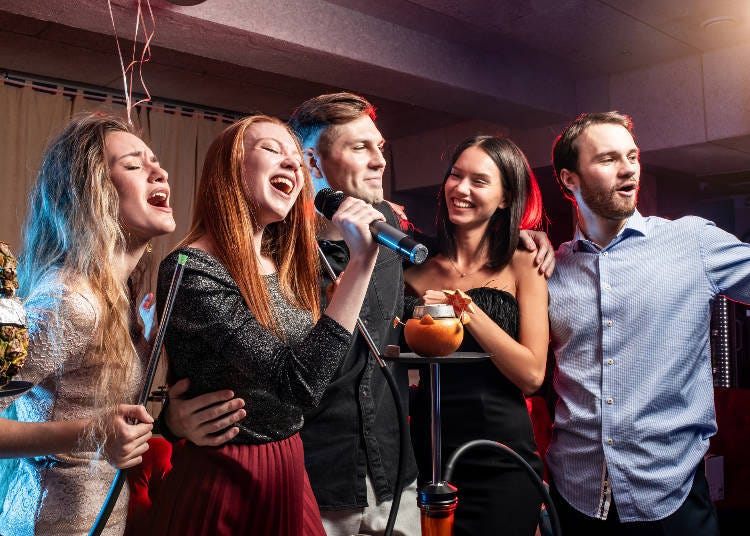
If you miss the last train with a group of friends and everyone is still wide awake, Japanese karaoke rooms are one of the best-value options. Popular chains like BIG ECHO, Karaoke-kan, and Manekineko are classic late-night hangouts and a go-to base for waiting until the first morning train.
Late-Night Free Time Plans Are Extremely Affordable
Late at night, most karaoke chains offer a Free Time plan. You pay a flat fee, often with unlimited soft drinks included, and can stay from around 11 PM until 5 AM.
The cost usually works out to about 1,500 to 3,000 yen per person, which is cheaper than a capsule hotel. The sofas aren’t ideal for sleeping, and you may hear singing from nearby rooms, but for groups, the private space and lively atmosphere make the night pass quickly. You can sing, chat, or take turns napping until it’s time to head out.
5. Family Restaurants and Fast Food: The Cheapest Option, but Check Hours Carefully
This is the most traditional and budget-friendly way to get through the night, but in 2026, it’s also the riskiest option. As mentioned earlier, while a small number of locations still operate around the clock, truly 24-hour restaurants have become much less common.
Always Check Google Maps Before You Go
If you decide to spend the night at a family restaurant such as Gusto or Denny’s, always check Google Maps first to confirm that the specific location is marked as open 24 hours.
If you find one that is, you can usually get by with a single order or a drink bar option for a few hundred to just over one thousand yen. That said, these spaces are brightly lit and have constant foot traffic, making real sleep difficult. Staying seated for long periods may also attract staff attention. It’s best to think of this as a true last resort when budget is the top priority.
6. If All Else Fails, Take a Taxi: Useful Ride-Hailing Apps and Fare Estimates
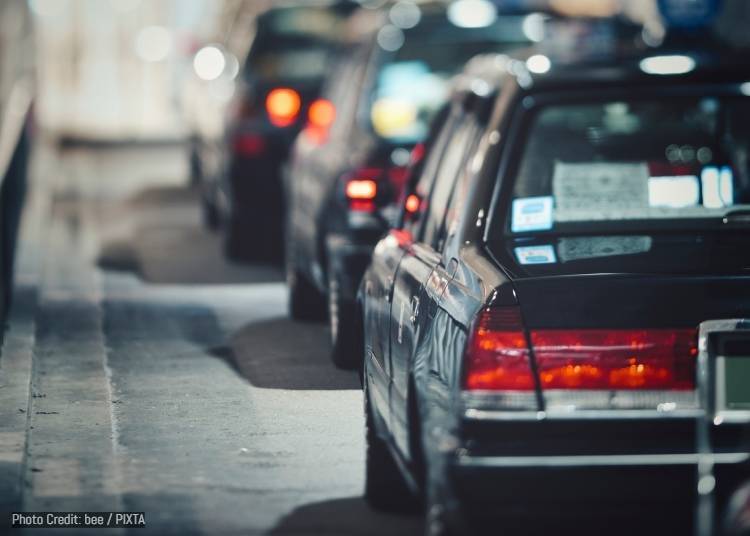
If you’re completely exhausted, don’t want to wander around late at night, or are carrying valuables or traveling with children, taking a taxi straight back to your hotel can be the smartest choice. While taxis in Japan are known for being expensive, splitting the fare among three or four people can sometimes cost about the same as staying in separate capsule hotels.
Use Ride-Hailing Apps to Avoid Language Barriers
Late at night in Tokyo, using a ride-hailing app is often easier and more reassuring than flagging down a taxi on the street. The most widely used app in Japan is GO, and Uber also works well across central Tokyo.
These apps let you set your destination in advance and pay by credit card, so you don’t have to worry about language issues or having enough cash on hand.
Late-Night Fare Surcharge to Keep in Mind
In Japan, taxis charge a 20 percent late-night surcharge between 10 PM and 5 AM.
Late-Night Fare Estimates
・Shibuya to Shinjuku, about 4 km: roughly 2,500 to 3,000 yen
・Shibuya to Ikebukuro, about 9 km: roughly 4,500 to 5,500 yen
・Shibuya to Ueno, about 12 km: roughly 6,000 to 7,500 yen
While the cost isn’t cheap, the ability to get straight to your hotel and enjoy a proper night’s sleep can make it well worth it in the end.
Last Train and First Train Times by Major Tokyo Areas
Asakusa
Tokyo Metro Ginza Line
・Toward Shibuya (Ueno, Ginza): Last train 11:53 PM, or 12:18 AM toward Ueno / First train 5:01 AM
Toei Asakusa Line
・Toward Nishi-magome (Higashi-ginza, Gotanda): Last train 12:02 AM / First train 5:02 AM
・Toward Oshiage (Narita Airport direction): Last train 12:23 AM / First train 5:04 AM
Tobu Skytree Line
・Toward Kita-senju (Tobu Dobutsu Koen): Last train 12:23 AM / First train 5:03 AM
Ginza
Tokyo Metro Ginza Line
・Toward Asakusa (Ueno): Last train 11:58 PM, or 12:13 AM toward Ueno / First train 5:05 AM
・Toward Shibuya (Omotesando): Last train 12:01 AM / First train 5:18 AM
Tokyo Metro Hibiya Line
・Toward Kita-senju (Ueno): Last train 12:09 AM, or 12:25 AM toward Minami-senju / First train 5:05 AM
・Toward Nakameguro (Roppongi): Last train 12:07 AM / First train 5:08 AM
Tokyo Metro Marunouchi Line
・Toward Ikebukuro (Tokyo): Last train 12:11 AM / First train 5:02 AM
・Toward Ogikubo (Shinjuku): Last train 12:05 AM / First train 5:17 AM
Ikebukuro
JR Yamanote Line
・Toward Shinjuku (Shinjuku, Shibuya, Shinagawa, etc.): Last train 12:39 AM / First train 4:25 AM
・Toward Ueno (Ueno, Tokyo, etc.): Last train 12:34 AM / First train 4:25 AM
Seibu Ikebukuro Line
・Toward Hanno (Tokorozawa): Last train 12:10 AM, or 12:35 AM toward Kotesashi / First train 5:00 AM
Tobu Tojo Line
・Toward Ogawamachi (Kawagoe): Last train 11:30 PM, or 12:30 AM toward Kawagoe-shi / First train 5:00 AM
Tokyo Metro Marunouchi Line
・Toward Shinjuku or Tokyo (Otemachi): Last train 11:54 PM toward Tokyo, 12:12 AM toward Shinjuku / First train 5:00 AM
Tokyo Metro Yurakucho Line
・Toward Shin-Kiba (Iidabashi, Yurakucho): Last train 11:55 PM toward Shin-Kiba, 12:10 AM southbound / First train 5:00 AM
Shibuya
JR Yamanote Line
・Toward Ikebukuro (Shinjuku, Harajuku, Ikebukuro, Ueno, etc.): Last train 12:52 AM / First train 5:37 AM
・Toward Shinagawa (Meguro, Ebisu, Shinagawa, Tokyo, etc.): Last train 1:07 AM / First train 4:49 AM
Keio Inokashira Line
・Toward Kichijoji: Last train 12:45 AM / First train 5:00 AM
Tokyo Metro Ginza Line
・Toward Asakusa (Ueno): Last train 12:12 AM / First train 5:01 AM
Tokyo Metro Hanzomon Line
・Toward Kiyosumi-shirakawa (Aoyama-itchome, Oshiage): Last train 12:07 AM / First train 5:15 AM
Tokyu Den-en-toshi Line
・Toward Chuo-Rinkan (Saginuma): Last train 12:42 AM / First train 5:05 AM
Shinjuku
JR Yamanote Line
・Toward Ikebukuro (Ikebukuro, Ueno, Nippori, Akihabara, etc.): Last train 1:00 AM / First train 4:43 AM
・Toward Shinagawa (Shibuya, Harajuku, Shinagawa, Tokyo, etc.): Last train 1:00 AM / First train 4:43 AM
Keio Line
・Toward Hachioji (Chofu): Last train 12:35 AM / First train 5:29 AM
Toei Oedo Line
・Toward Hikarigaoka (Tocho-mae): Last train 12:58 AM / First train 5:18 AM
・Toward Roppongi or Daimon (Shiodome): Last train 12:42 AM / First train 5:02 AM
Toei Shinjuku Line
・Toward Motoyawata (Iwamotocho): Last train 12:22 AM / First train 5:02 AM
Tokyo Metro Marunouchi Line
・Toward Ikebukuro (Shinjuku-sanchome): Last train 12:15 AM / First train 5:00 AM
・Toward Ogikubo (Nakano-sakaue): Last train 12:30 AM / First train 5:15 AM
Tokyo Station
JR Chuo Line
・Toward Takao (Shinjuku): Last train 12:06 AM, or 12:35 AM toward Mitaka / First train 4:39 AM
JR Yamanote Line
・Toward Shinagawa (Shinagawa, Shibuya, etc.): Last train 12:32 AM / First train 4:38 AM
・Toward Ueno (Ueno, Ikebukuro, etc.): Last train 12:23 AM / First train 4:18 AM
Tokyo Metro Marunouchi Line
・Toward Ikebukuro: Last train 12:13 AM / First train 5:00 AM
・Toward Ogikubo (Shinjuku): Last train 12:03 AM, or 12:20 AM toward Nakano-sakaue / First train 5:00 AM
Ueno
JR Yamanote Line
・Toward Ikebukuro (Ikebukuro, Shinjuku, etc.): Last train 12:46 AM / First train 4:32 AM
・Toward Tokyo (Tokyo, Shinagawa, etc.): Last train 12:30 AM / First train 4:21 AM
Keisei Line
・Toward Narita Airport: Last train 11:00 PM, or 12:18 AM toward Keisei-Takasago / First train 5:03 AM
Tokyo Metro Ginza Line
・Toward Asakusa: Last train 12:22 AM / First train 5:01 AM
・Toward Shibuya (Ginza, Omotesando): Last train 11:55 PM, or 12:10 AM toward Tameike-sanno / First train 5:10 AM
Tokyo Metro Hibiya Line
・Toward Nakameguro (Roppongi, Ginza): Last train 11:52 PM / First train 5:00 AM
Notes
・Times above are for weekday services.
・Stopping stations may vary by train.
・Final destinations may differ from the examples shown.
・Information current as of January 2026 and subject to change.
Missing the Last Train Can Be a Unique Tokyo Experience

Missing the last train is never part of the plan, but it can turn into a rare chance to experience Tokyo at night. Don’t be too hard on yourself. If you stay calm, review the options above, and choose something that fits your budget and energy level, this unexpected detour can become a memorable part of your trip.
That said, always stay alert late at night. Stick to well-lit streets, avoid quiet back roads, and prioritize options with controlled access, such as internet cafes or capsule hotels. Your safety should always come first.
*Prices and options mentioned are subject to change.
*Unless stated otherwise, all prices include tax.
Popular Tours & Activities
Recommended places for you
-

Daikoku PA Car Meet: What Is JDM, and Why Do Enthusiasts Flock Here?
-
Autumn in Japan 2026: Fall Foliage Forecast & Where to Enjoy the Colorful Leaves (+Tour Info)
-

Seibu Group Launches New Chichibu Adventure Tourism Experience for International Travelers in 2026
by: Guest Contributor
-
Just 2 Hours from Tokyo! Escape to Yamanashi's NIPPONIA Kosuge, Where an Entire 700-Person Village Becomes Your Hotel
by: Alice Lee
-

The Best Sumo Experiences in Tokyo: Morning Practices vs. Sumo Shows
-
Ad
Pocket WiFi Rental in Japan 2026: Complete Price Comparison & Where to Get the Best Deal
Inspiration for Accommodations
-
Family-Friendly Hotels with Free Shuttle to Disneyland: Convenient Access for a Magical Stay
-
Top Ranked Hakone Hotels with Mt. Fuji View: Enjoy Stunning Scenery from Your Private Space
-
Convenient Tokyo Hotels with Airport Shuttle: Ideal for Families and Heavy Luggage
-
9 Family-Friendly Hotels with Comfortable Family Rooms in Asakusa
-
10 Open-air bath Onsen Ryokans in Hakone for Ultimate Relaxation
-

2026 Japan Summer Haircare Guide: From Limited-Edition Hydrangea Scents to Quick-Dry Hair Mists
-
4 Cheap Hotels by Tokyo Disneyland: Easy Access to Tokyo Disney Resort!
-
What to Pack for Japan in 2026: 15 Essentials for a Stress-Free Trip
-
Ad
2022 Marks the 150th Anniversary of Japan’s first railway! “Trains will fly” at the Beyond Station Expo UENO?!
-
Japan's Kitchen Game is Strong! 10 Quirky Kitchen Goods from Tokyu Hands
-
Japan Travel Guide: The Top 10 Cities You Have to Visit! Where Should You Go in Japan?
- #best ramen tokyo
- #what to buy in ameyoko
- #what to bring to japan
- #new years in tokyo
- #best izakaya shinjuku
- #things to do tokyo
- #japanese nail trends
- #what to do in odaiba
- #onsen tattoo friendly tokyo
- #daiso
- #best sushi ginza
- #japanese convenience store snacks
- #best yakiniku shibuya
- #japanese fashion culture
- #best japanese soft drinks