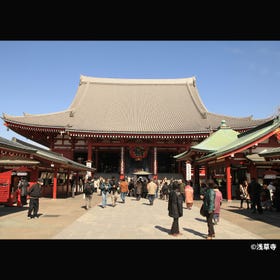
The oldest Buddhist temple in Tokyo best known by the Kaminarimon Gate is one of the must-visit places in Tokyo. On Nakamise Street, you can enjoy souvenir shopping and snack-joint hopping.
Wish upon the matchmaking deity for success in love
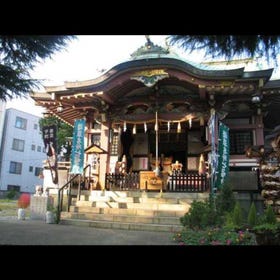
The Matsuchiyama Shoden Honryu-in Temple close to Senso-ji Temple, is recognized as a ”power spot” by the common people. On this spot they pray for the material benefits in this world. With Y-shaped daikon radishes and kinchaku (Japanese traditional style pouch) people pray for finding a suitable marriage partner and for matrimonial happiness.
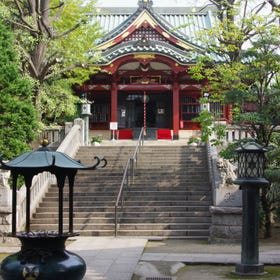
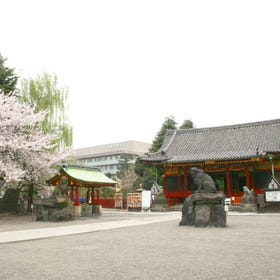
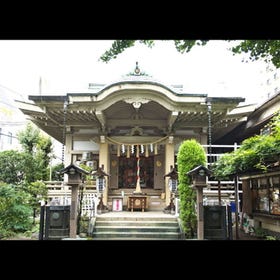
A shrine that has a beautiful vermilion-lacquered shrine pavilion from the Edo period. It is also called Sanja Gongen (in honor of three men who founded the temple), and the Sanja Matsuri held in May is one of the Three Great Festivals of Edo (now Tokyo).
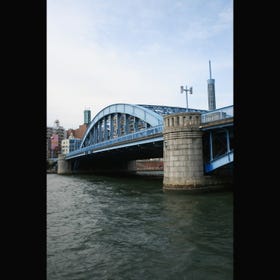
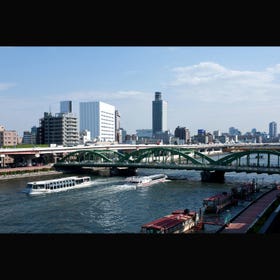
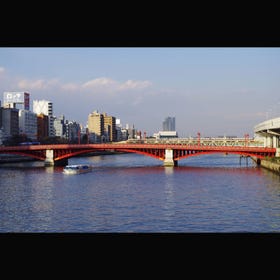
Komagata Bridge on the Sumida River is 150 meters long and has over 80 years of history.
The main gate of Sensoji Temple. Its huge, impressive paper lantern with ”Kaminarimon” written in kanji is a landmark of Asakusa.
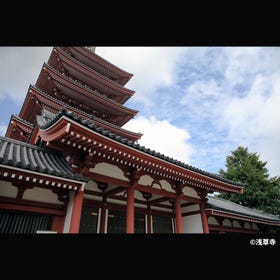
A soaring five-story pagoda at Senso-ji Temple in Asakusa with magnificent nighttime illumination.
Hozomon Gate houses Nio statues on each side (one called Agyo and the other called Ungyo). The 4.5-meter long giant waraji sandals ward off evil
The bridge carrying traffic from Kasuga-dori Street over the Sumida River. One of the viewing areas for the fireworks festival is near this bridge.
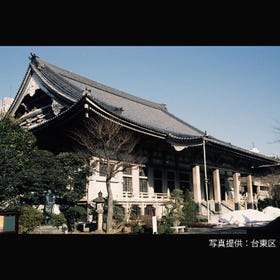
Main priests' residence of Senso-ji complex where the Three Buddha Statues of Amitabha are enshrined. The temple also houses ancestral tablets of Tokugawa Shoguns.
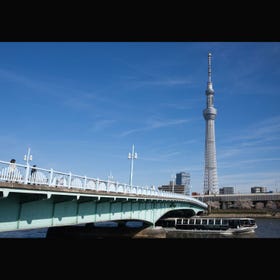
The Kototoi Bridge with its beautiful rectilinear shape is built over the Sumida River. It is a perfect place to see cherry blossom trees lined up at the banks of the river.
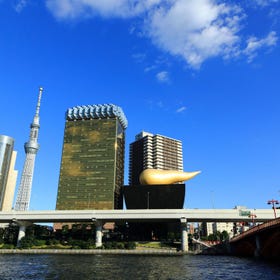
The facade of the Asahi Group's headquarter building was designed in the image of a beer mug.
View the spring cherry blossoms in full bloom from the Azuma-bashi bridge, or board the Waterbus for some sightseeing along the Sumida river.
Tokugawa Iemitsu, the third shogun of the Tokugawa family in the Edo period, established Sanjusangen-do for the peace in the country, national security, and tempering martial arts. The hall built after the manner of ones in Kyoto became the beginning of Yasaki-inari. The name Yasaki also came from ”yumi” (a bow) and ”ya” (an arrow). Fukurokuju (god of happiness, wealth, and long life) of the seven deities is placed at the right side of the worship hall in front of the main building.