






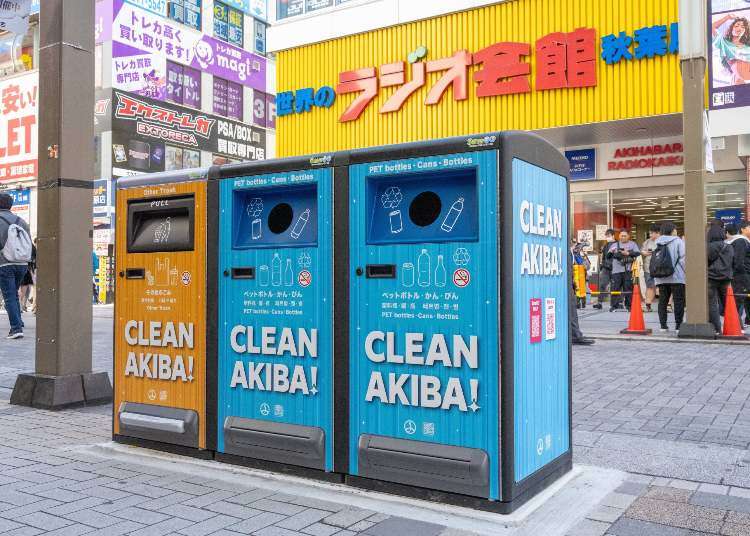
Finding a trash can in Japan can feel harder than finding a rare Pokémon. But Tokyo’s anime and electronics capital has a high-tech solution, and it’s surprisingly clever.
Japan is a country where vending machines are everywhere, toilets practically have superpowers, and trains arrive with remarkable precision. Yet there’s one everyday item that can seem almost impossible to find: a public trash can.
Anyone who’s wandered around Tokyo clutching an empty coffee cup for half an hour knows the struggle.
But good news! As of November 8, 2026, Tokyo’s Akihabara neighborhood has welcomed 22 new smart trash bins across 10 locations. And because this is Japan, these aren’t ordinary garbage cans. They’re solar-powered, connected to the cloud, and capable of squashing trash to a fraction of its original size.
(Main image: Chiyoda City)
Why Are Trash Cans So Hard to Find in Japan?
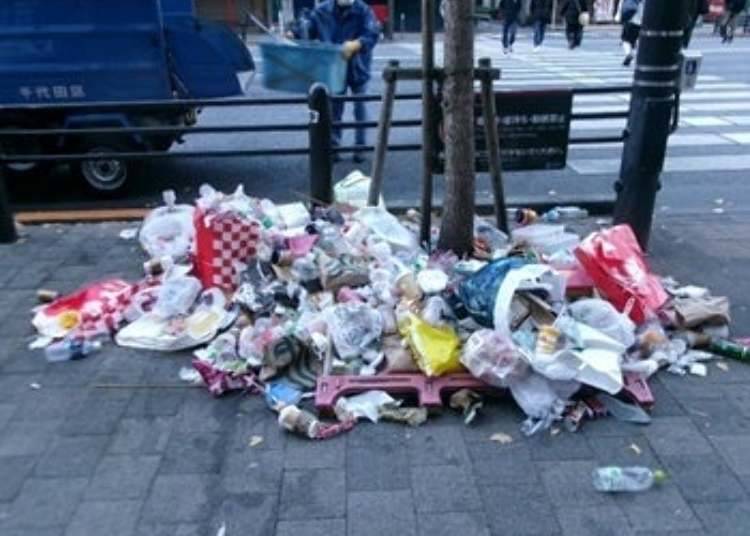
Despite Japan’s famously clean streets, public trash cans are surprisingly scarce. Many were removed over the years, particularly following the 1995 Tokyo subway sarin attack, with security concerns and maintenance costs contributing to their disappearance.
Today, people are generally expected to carry their garbage until they find somewhere appropriate to dispose of it.
For visitors enjoying takeaway snacks, convenience store treats, or drinks while sightseeing, this can mean an unexpected game of hide-and-seek.
Meet SmaGO: The Trash Can With a Brain
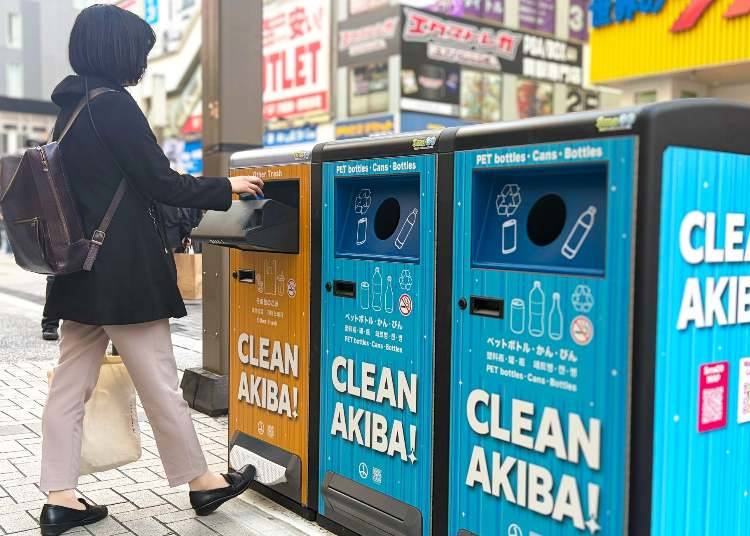
To tackle the problem, Tokyo’s Chiyoda City has introduced 22 smart bins called SmaGO, developed by Japanese company Forcetec.
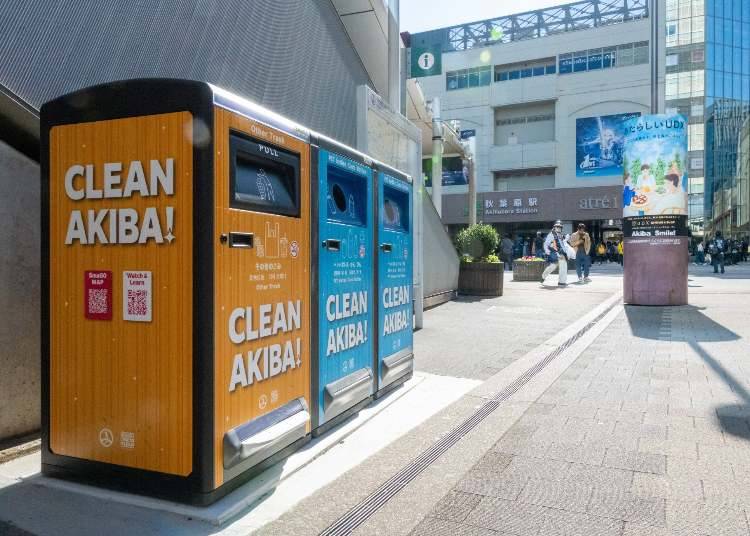
The general-waste bins automatically compress garbage to around one-fifth of its original volume. Solar panels provide power, while built-in sensors monitor how full the bins are and notify collection teams when they need emptying.
Of the 22 units, 10 handle general waste, while 12 are designated for recyclables, including bottles and cans. Some even feature foot pedals for hands-free opening.
Look for the cheerful “CLEAN AKIBA!” branding!
Where Can You Find Them?
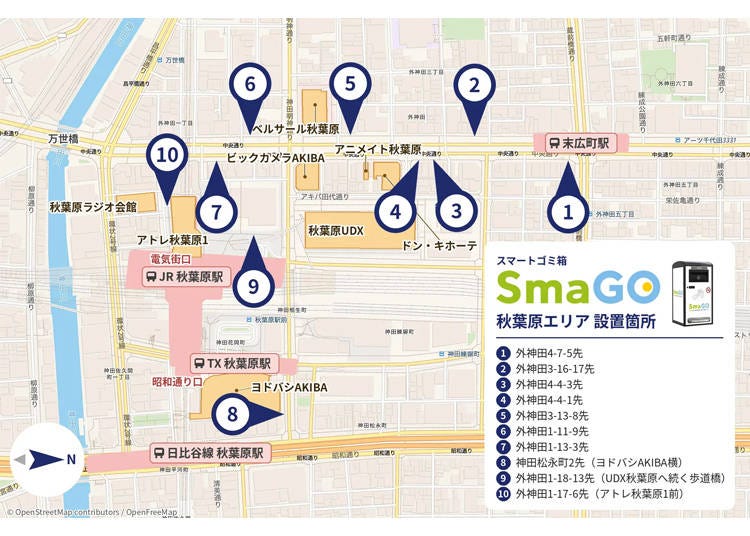
The bins are installed at 10 locations around Akihabara Station and along Chuo-dori, including near Atre Akihabara 1, Akihabara UDX, Yodobashi Akiba, and toward Suehirocho Station.
Similar smart bins have already appeared in Harajuku, Omotesando, and Osaka’s Dotonbori. According to Forcetec, earlier installations helped reduce garbage collection frequency by approximately 70% in Harajuku and Omotesando, while litter around bins in Dotonbori reportedly dropped by about 90%, excluding cigarette butts.
A Small Win for Travelers
While Akihabara’s new bins are welcome news, don’t expect trash cans on every corner just yet. Carrying a small bag for wrappers and other rubbish is still a smart move when exploring Japan. And remember, recycling bins beside vending machines are for designated drink containers, not general garbage.
For a neighborhood famous for futuristic gadgets, Akihabara’s latest innovation might seem surprisingly ordinary.
After all, it’s a trash can.
But for anyone who’s spent half an afternoon carrying an empty coffee cup around Tokyo, this might be one of the most useful technological upgrades yet.
Source: Forcetec press release, November 9, 2026

- Area
- Category
*Prices and options mentioned are subject to change.
*Unless stated otherwise, all prices include tax.
Popular Tours & Activities
Recommended places for you
-

Tokyo Tower
Landmarks
Roppongi
-

Ameyoko Shopping Street
Old Towns (Shitamachi)
Ueno
-

Kappabashi Street
Old Towns (Shitamachi)
Asakusa
-

Ueno Zoo (Ueno Zoological Gardens)
Zoos, Aquariums & Botanical Gardens
Ueno
-

Shinjuku Gyoen National Garden
Gardens
Shinjuku
-

TOKYO SKYTREE®
Landmarks
Ryogoku / TOKYO SKYTREE(R)
-
(Japan Travel Etiquette) Eyes Up! Why You Shouldn't Walk and Scroll in Japanese Train Stations
by: Guest Contributor
-
5 Stationery Shops in Shinjuku: One Walking Route for Art Supplies, Suica Penguin Gifts, and More
-
BicCamera Tax Refund 2026: Refund Service Fee 0 Yen
-
5 Japanese Craft Shops in Shinjuku: From Walls of Kokeshi Dolls to Artisan Teapots
-
Ad
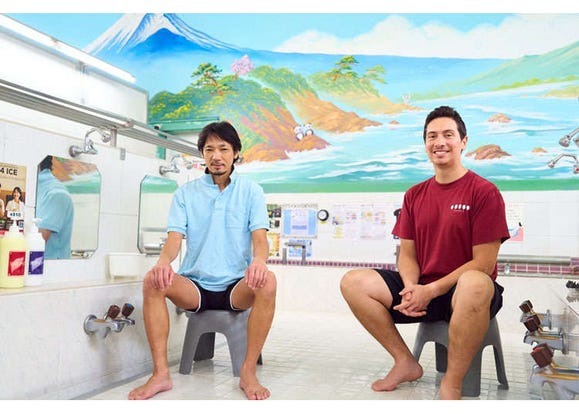
Do’s and Don’ts: The Complete Guide to Sento Baths! Getting the Full Experience In Ueno’s Famous Kotobuki-yu
-
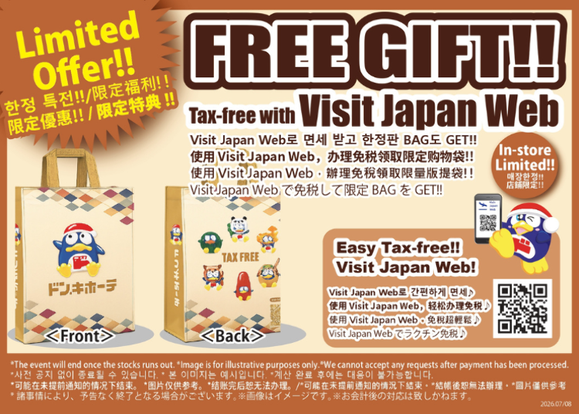
Don Quijote (Donki) Tax Refund from Nov 1, 2026: No Refund Service Fee
Inspiration for Accommodations
-
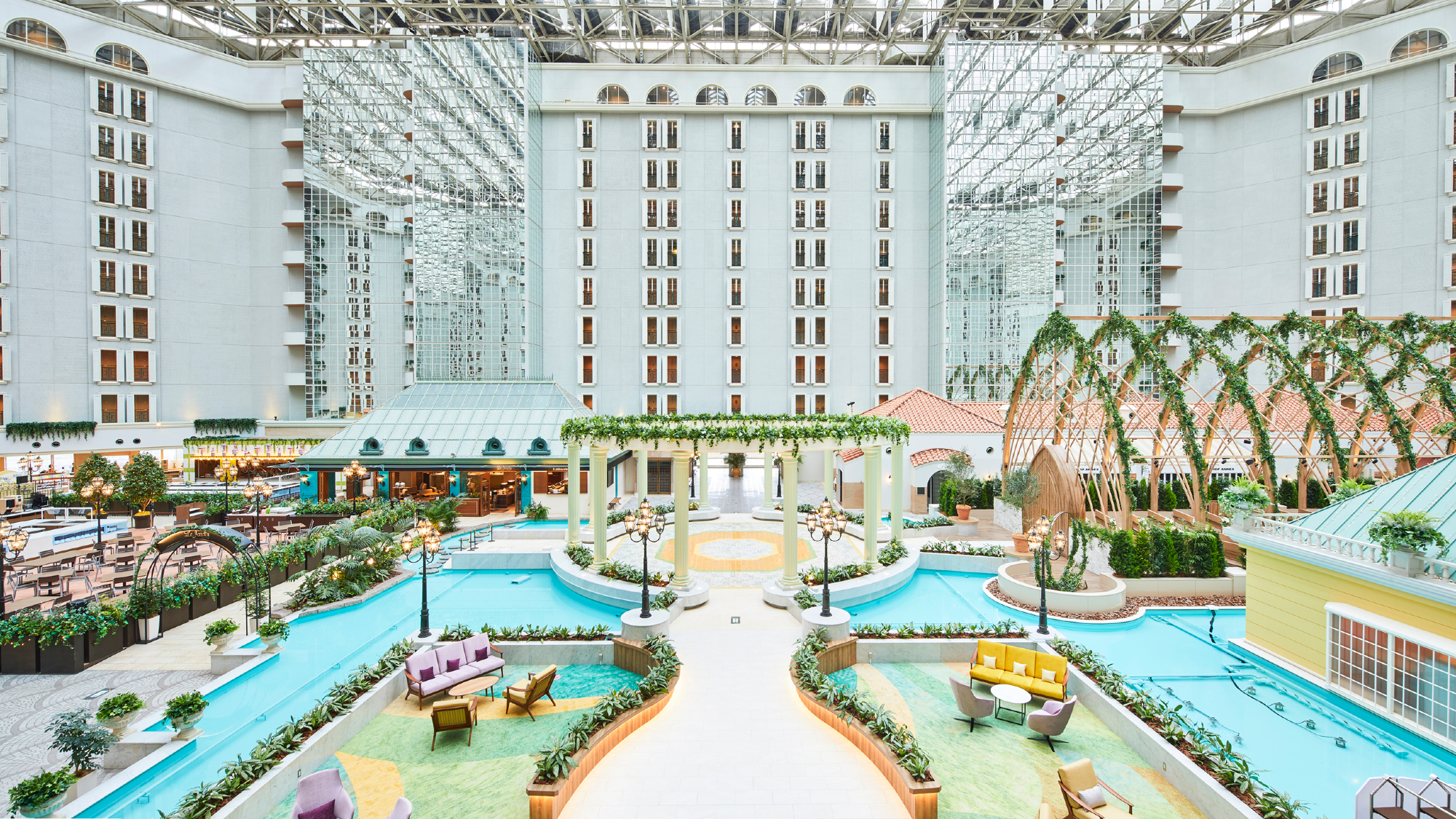
Family-Friendly Hotels with Free Shuttle to Disneyland: Convenient Access for a Magical Stay
-
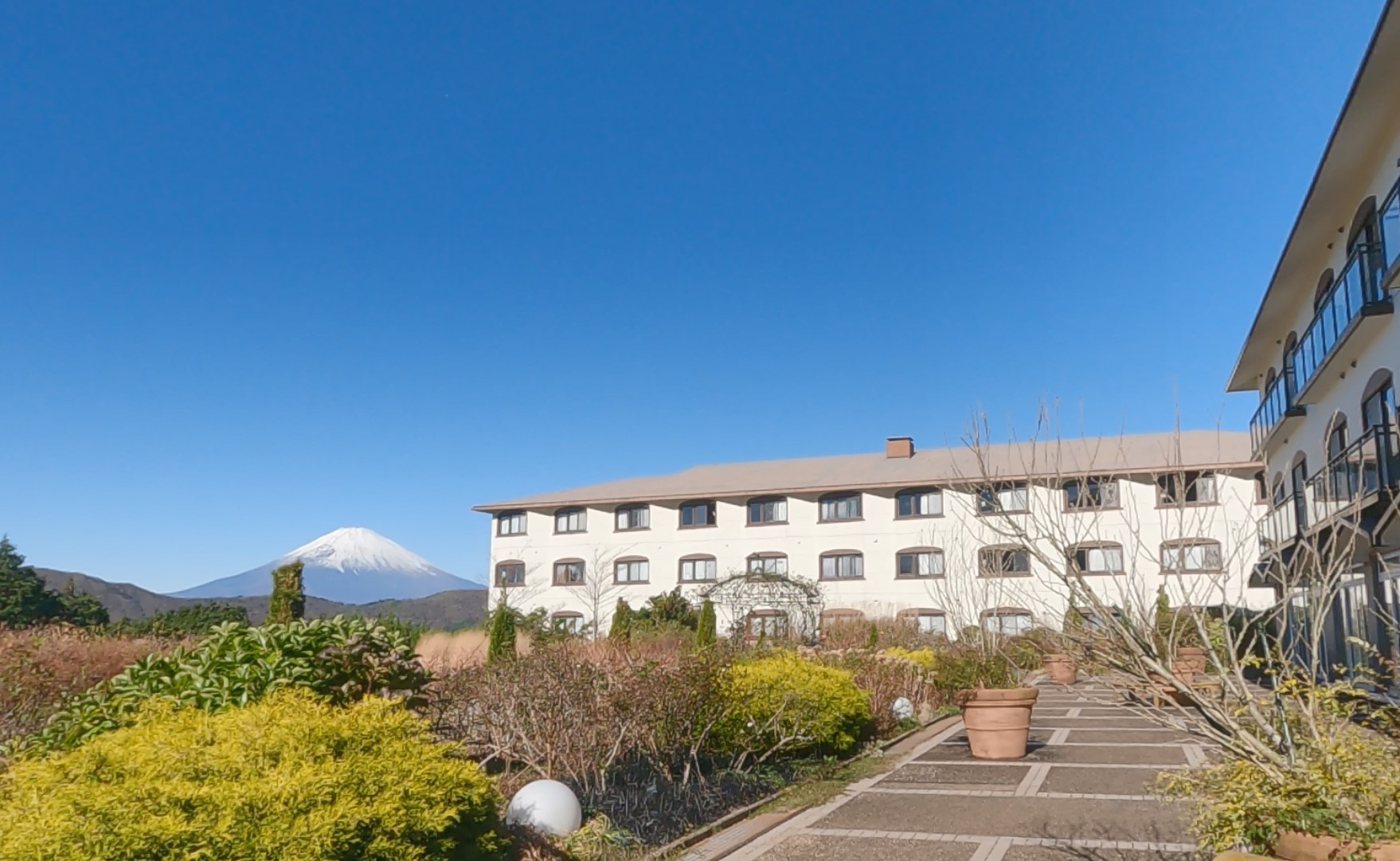
Top Ranked Hakone Hotels with Mt. Fuji View: Enjoy Stunning Scenery from Your Private Space
-
Convenient Tokyo Hotels with Airport Shuttle: Ideal for Families and Heavy Luggage
-
9 Family-Friendly Hotels with Comfortable Family Rooms in Asakusa
-
10 Open-air bath Onsen Ryokans in Hakone for Ultimate Relaxation
-
Numazuko Kaisho in Ueno: Good Quality, All-You-Can-Eat Seafood for Just US$12!?
-
Ad

Explore Shinjuku: The Coolest Neighborhood Where Old Tokyo Meets Modern Tokyo!
-

Shibuya and Harajuku - Past and Present
-
Ad

Essential Tokyo Nightlife Guide: Safely Navigate a Great Night Out in Central Tokyo with Minato Flag
-

Ultimate Tokyo 2-Day Itinerary: What to Do With 48 Hours in Tokyo
by: Matt Vachon
-
Healthcare in Japan for Tourists: What to Do When You Get Sick or Injured in Japan
- #best ramen tokyo
- #what to buy in ameyoko
- #what to bring to japan
- #new years in tokyo
- #best izakaya shinjuku
- #things to do tokyo
- #japanese nail trends
- #what to do in odaiba
- #onsen tattoo friendly tokyo
- #daiso
- #best sushi ginza
- #japanese convenience store snacks
- #best yakiniku shibuya
- #japanese fashion culture
- #best japanese soft drinks