



What to Pack for Japan in 2026: 15 Essentials for a Stress-Free Trip
- Written by: LIVE JAPAN Editor
Packing for Japan is a little different from packing for other destinations. Japan is incredibly convenient, but first-time visitors are often surprised by things like limited public trash cans, the need for cash and coins, strict medication rules, and how much walking they’ll actually do.
To help you avoid common mistakes, we’ve put together an updated Japan packing list for 2026, including essential apps, smart luggage tips, seasonal clothing advice, and the travel items seasoned visitors swear by.
- Table of Contents
-
- 1. Before You Fly: Important Things to Prepare in Advance
- 2. The Digital Packing List: Connectivity, Apps, and Transit
- 3. Money, Trains, and Luggage Logistics
- 4. What to Wear in Japan: Clothing and Gear Tips
- 5. Toiletries, Medicine, and Electronics
- 6. Small Things Travelers Often Forget
- 7. Leave Extra Space in Your Suitcase
- Final Thoughts
1. Before You Fly: Important Things to Prepare in Advance
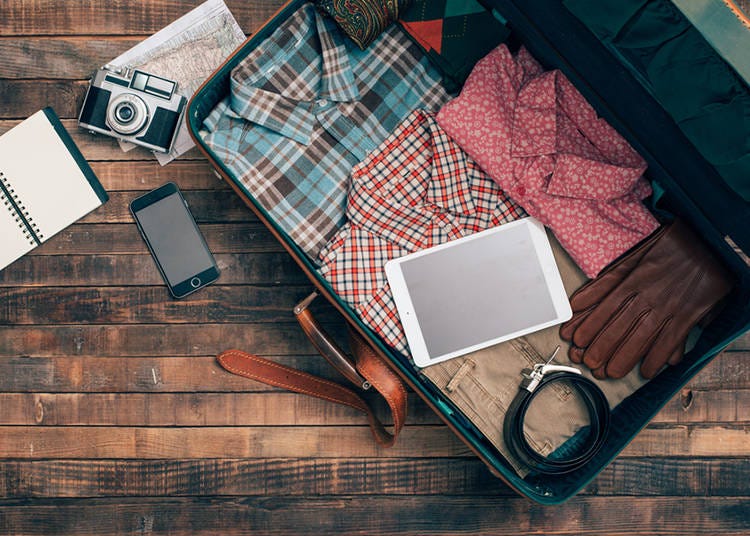
Passport and Visa Requirements
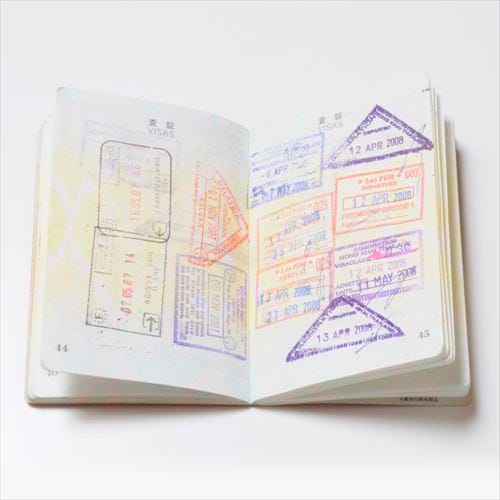
Before traveling, double-check that your passport is valid for the length of your stay and confirm whether you need a visa for Japan. Many travelers can enter visa-free for short tourist stays, but requirements vary depending on nationality. You can find additional information at the link below.
It’s also smart to keep digital copies of your passport, travel insurance, hotel reservations, and flight details saved on your phone. Note that all tourists must carry their passport with them at all times.
Set Up Visit Japan Web Before Departure
One of the easiest ways to make your arrival smoother is by registering on Visit Japan Web (https://www.vjw.digital.go.jp/) before boarding your flight.
The service allows travelers to generate immigration and customs QR codes in advance, which can significantly reduce time spent waiting in airport lines after landing.
Be sure to screenshot or save the QR codes offline in case airport Wi-Fi is crowded or slow.
Important Medication Warning
Japan has very strict rules regarding certain prescription and over-the-counter medications.
Some medications commonly used overseas, including products containing pseudoephedrine, codeine, stimulants, or certain medications for ADHD or depression, may be restricted or illegal in Japan. Some inhalers and strong painkillers may also require advance approval.
In addition, any form of marijuana, including CBD oil that may contain THC, even for medical use, is illegal in Japan.
If you regularly take prescription medication, check Japan’s Ministry of Health guidelines well before your trip and carry medications in their original packaging whenever possible.
Travelers bringing more than Japan’s approved limit for medications or medical devices must apply in advance for a “Yunyu Kakunin-sho” import certificate and present it to customs upon arrival. Approval can take several weeks, so apply well before your trip.
2. The Digital Packing List: Connectivity, Apps, and Transit

eSIM vs. Pocket Wi-Fi
Reliable internet access is essential in Japan, especially for navigation, train schedules, restaurant searches, and translation apps.
For most travelers in 2026, an eSIM is now the easiest and most convenient option. If your phone supports eSIM, you can usually install it before departure and connect immediately after landing in Japan.
Compared to pocket Wi-Fi, eSIMs are often cheaper, lighter
easier to manage, and one less device to carry and charge.
Pocket Wi-Fi devices are still useful for families or groups sharing multiple devices, but solo travelers often find eSIMs far more convenient.
Add a Digital Suica or PASMO Before Arrival
One of the best travel hacks for Japan in 2026 is setting up a digital IC travel card before your trip.
Many travelers can now add a Suica or PASMO card directly to Apple Wallet or compatible Android devices. These cards can be used not only for trains and subways, but also for convenience stores, vending machines, lockers, and even some restaurants.
Having one ready before arrival means you can skip ticket machines and avoid physical card shortages at airports and stations.
A few apps can dramatically improve your trip experience in Japan.
- Google Maps: Essential for train routes, exits, and transfers
- IC cards/train reservation apps (e.g. Suica)
- Google Translate or similar translation app: Especially useful for camera-based menu and sign translation
- GO Taxi: One of Japan’s most popular taxi-hailing apps (https://go.goinc.jp/)
- Safety Tips (https://www.jnto.go.jp/safety-tips/) or earthquake alert apps: Helpful during emergencies
- Weather app: Particularly useful during typhoon season and summer heat waves
3. Money, Trains, and Luggage Logistics
Japan Is More Cashless Than Before, But Cash Still Matters
Japan has become much more card-friendly in recent years, especially in major cities. Credit cards and mobile payments are widely accepted at hotels, department stores, convenience stores, and many restaurants.
That said, cash is still important for smaller eateries, temples, older shops, rural areas, and some street food stalls.
Many experienced travelers recommend arriving with roughly 20,000 to 50,000 yen in cash, then withdrawing more only if needed. In some cases, travelers find exchange rates and ATM fees in Japan are actually better than exchanging large amounts of cash before departure.
You’ll also quickly notice how coin-heavy Japan is. A small coin pouch becomes surprisingly useful after just a day or two of paying for trains, vending machines, and convenience store snacks.
International travelers can usually withdraw cash from ATMs at 7-Eleven convenience stores and Japan Post Bank locations.
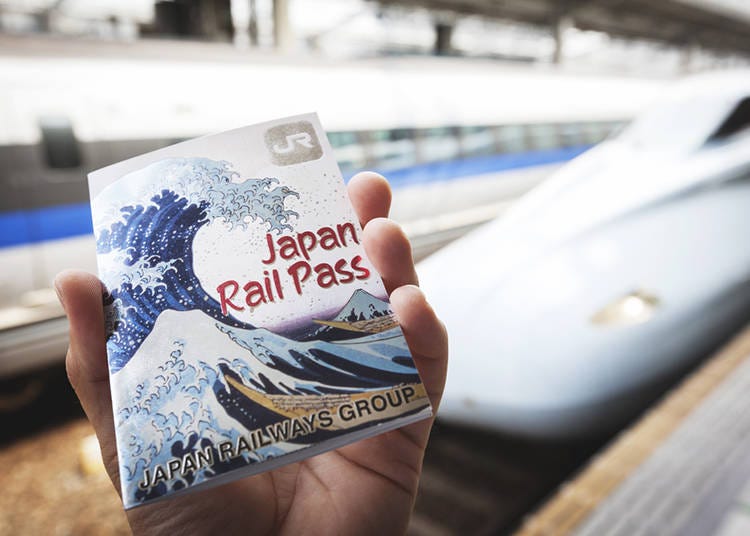
The JR Pass No Longer Automatically Saves Money
For years, the Japan Rail Pass was considered an essential purchase for nearly every traveler. However, major price increases have changed the math considerably.
For many travelers visiting only Tokyo, Kyoto, and Osaka, buying individual Shinkansen tickets may now be cheaper than purchasing a nationwide JR Pass.
Regional rail passes can still offer excellent value depending on your itinerary, especially in areas like Kansai, Kyushu, or Hokkaido. It’s worth comparing costs before purchasing.
Luggage Tips
Consider Luggage Forwarding Services
Dragging a massive suitcase through crowded train stations and onto busy Shinkansen cars can quickly become exhausting.
Japan’s luggage forwarding services, known as takkyubin, allow travelers to ship suitcases directly between airports and hotels, often overnight.
Many experienced travelers now pack a lighter carry-on for one or two days and forward larger luggage separately to make train travel much more comfortable.
Don’t Overpack Your Suitcase
One of the most common mistakes first-time visitors make is arriving with a completely full suitcase.
Japan is incredibly tempting for shoppers, and many travelers end up buying extra luggage or paying unexpected baggage fees at the airport on the way home.
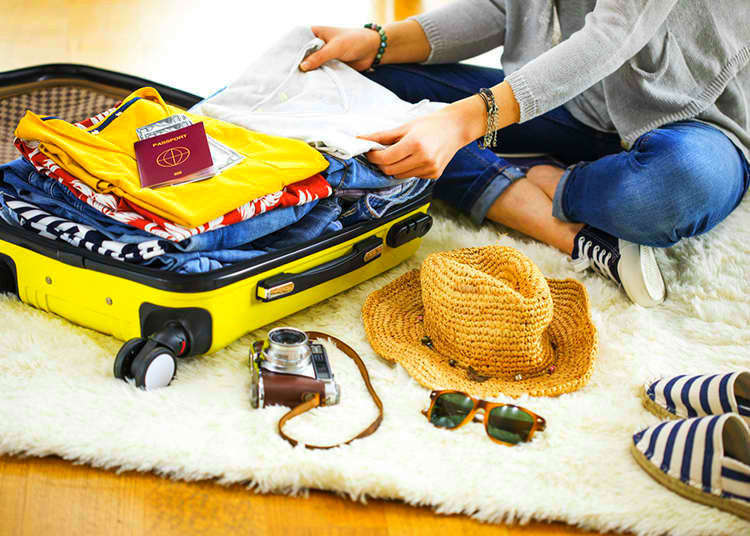
A smarter strategy is to start with a medium-sized suitcase that’s only partially filled. Leaving extra space gives you room for snacks, cosmetics, fashion, souvenirs, anime goods, and all the unexpected purchases that tend to happen in Japan.
4. What to Wear in Japan: Clothing and Gear Tips
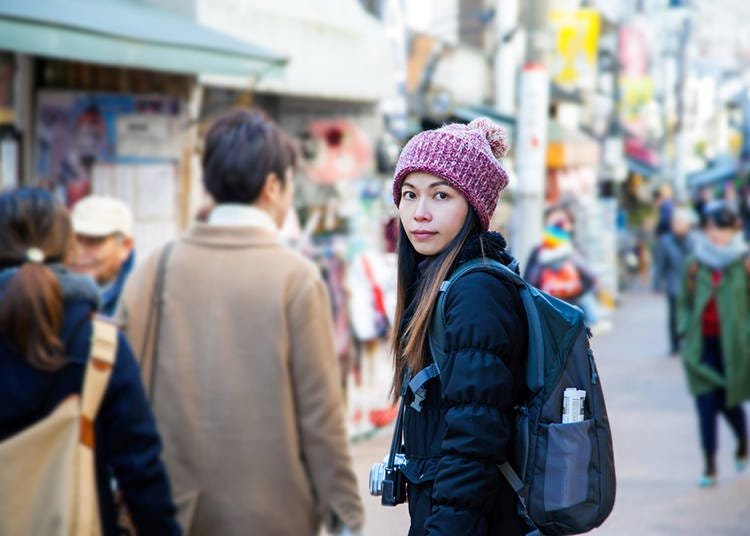
Comfortable Walking Shoes Are Essential
Many travelers say they walk far more in Japan than they normally do at home.
A comfortable pair of walking shoes can make a huge difference, especially during long sightseeing days that involve stairs, train transfers, and uneven streets.
Many first-time visitors bring several pairs of shoes, only to end up wearing the same comfortable pair every day. A single pair of comfortable, broken-in walking shoes is usually enough for most trips.
Slip-on shoes are especially convenient in Japan because you may frequently remove them at temples, traditional restaurants, ryokan inns, and some attractions.
If you do end up needing another pair, Japan has plenty of excellent shoe stores, and foreign visitors can often take advantage of tax-free shopping.
Layers Work Better Than Heavy Clothing
Japan’s weather can change dramatically depending on the season and region.
A spring afternoon in Tokyo may feel mild and sunny, while places like Fujikawaguchiko, Hakone, or northern Japan can still feel surprisingly cold and windy.
Before packing, check the forecast for each destination on your itinerary rather than relying on one general “Japan weather” prediction.
Winter temperatures in Tokyo may feel chilly outdoors, but trains and department stores are often heavily heated. In summer, the reverse is true: intense outdoor heat combined with aggressively air-conditioned interiors.
Breathable layers that are easy to remove are usually more practical than bulky clothing.
Seasonal Packing Tips
You probably need fewer clothes than you think.
Many travelers pack far more clothing than they actually use.
Coin laundries are common in Japanese cities, and many hotels also have self-service laundry facilities. Instead of packing an outfit for every single day, it’s often easier to bring versatile clothing and wash items during your trip.
This also leaves more room in your suitcase for shopping later.
- Spring (March to May)
- Mild temperatures and cherry blossom season make spring one of the most comfortable times to visit Japan. A light jacket and layers are usually enough, though evenings can still feel cool.
・Average temperatures: Tokyo 15°C, Kyoto 16°C, Sapporo 9°C
- Summer (June to August)
- Japanese summers are hot, humid, and sometimes exhausting for first-time visitors. Breathable clothing, sunscreen, a portable fan, and a compact umbrella are highly recommended.
・Average temperatures: Tokyo 26°C, Kyoto 28°C, Sapporo 22°C
- Autumn (September to November)
- Autumn is generally comfortable, though early September can still feel quite hot and humid. Light layers work well throughout the season.
・Average temperatures: Tokyo 19°C, Kyoto 20°C, Sapporo 13°C
- Winter (December to February)
- Winter in cities like Tokyo and Osaka is usually dry and cold rather than snowy, while northern regions like Hokkaido experience heavy snowfall. Warm layers, gloves, and heat-retaining innerwear can make sightseeing much more comfortable.
・Average temperatures: Tokyo 7°C, Kyoto 7°C, Sapporo -2°C

5. Toiletries, Medicine, and Electronics
You Probably Need Fewer Toiletries Than You Think
Many travelers are surprised by how well-stocked Japanese hotels are.
Even budget hotels commonly provide:
・shampoo and conditioner
・body soap
・toothbrushes
・razors
・slippers
・sleepwear or pajamas
Anything you forget is usually easy and inexpensive to buy at nearby convenience stores or pharmacies.
Instead of packing large toiletry kits, consider bringing only essentials and buying anything extra after arrival.
Don’t Bring an Entire Pharmacy
It’s understandable to want to prepare for every situation, but many travelers discover they barely touch the large medicine kits they packed.
Japan’s pharmacies are well-stocked, clean, and often surprisingly easy to navigate, especially in larger cities where staff may speak basic English. Cold medicine, pain relievers, masks, stomach medicine, and other everyday items are widely available.
However, there is one very important exception.
Some prescription medications and ingredients that are common overseas are restricted or prohibited in Japan, including certain ADHD medications, stimulants, and medicines containing pseudoephedrine or codeine.
If you take prescription medication regularly, check Japan’s official regulations well before departure.
Be Careful With High-Wattage Electronics
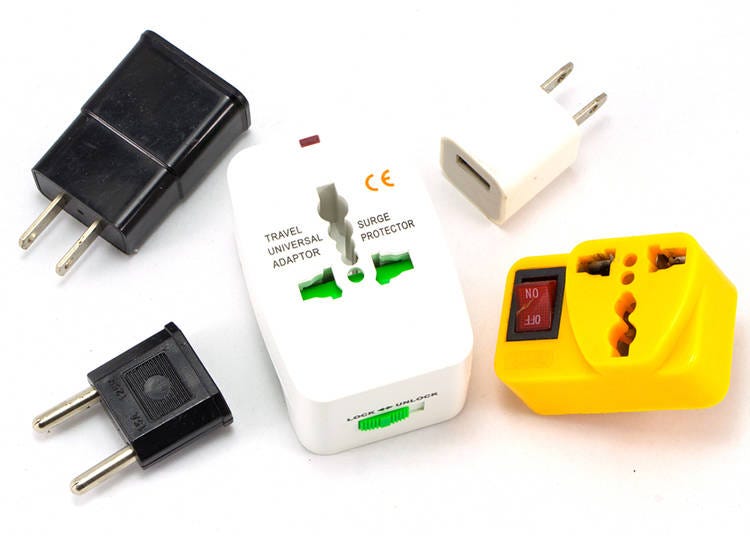
Japan uses 100-volt electricity with Type A plugs, the same general plug shape used in the United States and Canada.
For travelers from North America, most phone chargers, laptops, cameras, and small electronics will work normally with little or no issue.
However, travelers from countries using 220-240V systems, such as the UK, Australia, and much of Europe, should pay close attention to voltage compatibility.
Many everyday electronics are dual voltage and work worldwide, but high-wattage beauty tools and heating appliances often are not. Items that commonly cause problems include:
・hair dryers
・curling irons
・hair straighteners
These may overheat or fail entirely in Japan if they are not compatible with 100V systems.
In many cases, it’s easier to use the hair dryer provided by your hotel or purchase an inexpensive travel-compatible version instead.
6. Small Things Travelers Often Forget
Bring a Small Plastic Bag for Trash
One thing many first-time visitors notice quickly is the lack of public garbage cans in Japan. Carrying a few small plastic bags in your day bag is surprisingly useful for storing wrappers, drink bottles, or other small trash items until you find a place to dispose of them.
Pack a Compact Umbrella
Sudden rain showers are common throughout much of the year, especially during the rainy season in June and typhoon season in late summer and early autumn. Compact umbrellas are easy to carry and extremely useful in Japanese cities.
A Lightweight Day Bag Helps a Lot
A small backpack or lightweight shoulder bag is ideal for carrying essentials like water, shopping, portable chargers, and extra layers during long sightseeing days.
Electrical Adapter and Power Bank
Your phone battery will likely drain faster than usual in Japan thanks to constant navigation, translation apps, photos, and train searches throughout the day. A portable USB power bank can quickly become one of the most useful things you pack.
Japan uses Type A plugs and 100-volt electricity, the same general plug shape used in the United States and Canada. Most North American phone chargers, laptops, and cameras will work normally without a converter.
However, travelers from countries such as the UK, Australia, and much of Europe should check plug compatibility carefully. Japanese adapters are not always easy to find outside major electronics stores, especially in rural areas.
Also note that 3-prong outlets are relatively uncommon in Japan, so travelers bringing laptops or other larger electronics may want to pack a slim adapter in advance.
If you forget your tech, you can find adapters, power banks, and more at major electronics retailers such as BicCamera, LAOX, Edion, and Yamada Denki. LIVE JAPAN offers special deals at each of these shops, which can be found here.
7. Leave Extra Space in Your Suitcase
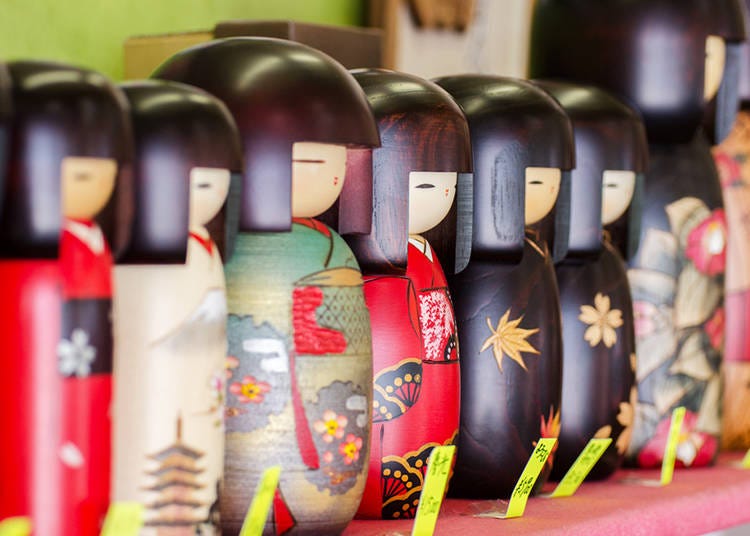
Japan is incredibly tempting for shoppers.
Even travelers who normally avoid shopping often find themselves bringing home snacks, cosmetics, stationery, fashion, anime goods, kitchenware, or traditional crafts.
If possible, avoid packing your suitcase completely full before departure. Leaving around 30% empty space can save you from needing an emergency extra bag halfway through your trip.
And if you’re visiting Japanese friends or staying with a host family, bringing a small gift from your home country is always appreciated.
- Passport & Travel Documents: Passport, Visit Japan Web QR codes, travel insurance info, and reservation details.
- Cash & Credit Cards: Around 20,000 yen cash (of which 1,000 yen in coins) plus Visa or Mastercard for larger purchases.
- Digital Suica or PASMO: A smartphone transit card for trains, buses, convenience stores, and vending machines.
- eSIM or Pocket Wi-Fi: Pre-purchasing a Japan travel eSIM allows you to connect immediately after landing without needing a separate device.
- Tops (3–4) and Bottoms (2–3): Breathable, wrinkle-resistant clothing that can be mixed and matched works best for Japan. Comfortable pants, skirts, or tailored shorts are ideal for long sightseeing days.
- Light Layer: A cardigan, sweater, or lightweight fleece is useful for chilly evenings and heavily air-conditioned trains or department stores.
- Undergarments & Socks: Pack about one week’s worth, and prioritize comfortable, good-quality socks since you’ll likely be walking a lot.
- Comfortable Walking Shoes: Most travelers only end up wearing one pair, so prioritize comfort over variety. Expect to walk well over 15,000 steps per day in cities like Tokyo and Kyoto. (Note there are clothing/footwear requirements for climbing Mt. Fuji.)
- Compact Day Bag: A lightweight backpack or crossbody bag is perfect for carrying water, shopping, portable chargers, and extra layers during the day.
- Portable Power Bank: One of the most useful items you can bring for maps, translation apps, photos, and train navigation.
- Universal Adapter & Chargers: Japan uses Type A two-prong outlets and 100V electricity. Multi-port USB chargers are especially convenient for travelers carrying several devices.
- Hand Towel & Hand Sanitizer: Public restrooms in Japan often lack paper towels or hand dryers, so many locals carry a small towel or tenugui.
- Deodorant: Travelers from overseas are often surprised by the limited selection and strength of deodorants in Japanese drugstores, so it’s worth packing your preferred brand.
- Basic Medications: Bring any essential prescriptions and basic pain relievers, but always check Japan’s medication restrictions before departure.
- Skincare & Sunscreen: Japan is famous for its excellent drugstores and beauty products, so many travelers prefer to buy these locally (see our guide here) and save luggage space.
Final Thoughts
Packing smartly for Japan isn’t about bringing more things. It’s about bringing the right things.
A few thoughtful preparations, like setting up a digital transit card, packing comfortable shoes, carrying some cash, and leaving room for shopping, can make your trip dramatically smoother and more enjoyable.
Japan is one of the easiest and safest countries in the world to travel through, and with a little preparation beforehand, you’ll be able to spend less time worrying about logistics and more time enjoying the experience.

*Prices and options mentioned are subject to change.
*Unless stated otherwise, all prices include tax.
Popular Tours & Activities
Recommended places for you
-
Jukuseiniku-to Namamottsuarera Nikubaru Italian Nikutaria Sannomiya
Izakaya
Kobe, Sannomiya, Kitano
-
Todai-ji Temple
Temples
Nara, Ikoma, Tenri
-
Appealing
Rukku and Uohei
Izakaya
Sapporo / Chitose
-
ISHIDAYA Hanare
Yakiniku
Kobe, Sannomiya, Kitano
-
Myoshin-ji Temple
Temples
Arashiyama, Uzumasa
-
Goods
Yoshida Gennojo-Roho Kyoto Buddhist Altars
Gift Shops
Nijo Castle, Kyoto Imperial Palace
-

Haneda Airport Duty-Free Shopping Guide: What to Buy, How to Save & Where to Eat Before Your Flight
by: Guest Contributor
-

Best Sumo Shows & Experiences in Tokyo (2026): Prices Compared
-
Ad
Do’s and Don’ts: The Complete Guide to Sento Baths! Getting the Full Experience In Ueno’s Famous Kotobuki-yu
-
Just 2 Hours from Tokyo! Escape to Yamanashi's NIPPONIA Kosuge, Where an Entire 700-Person Village Becomes Your Hotel
by: Alice Lee
-
Ad
Pocket WiFi Rental in Japan 2026: Complete Price Comparison & Where to Get the Best Deal
-

Seibu Group Launches New Chichibu Adventure Tourism Experience for International Travelers in 2026
by: Guest Contributor
-

Authentic Food, Events & More at Tokyo's 2023 Philippine Festival (Nov 25-26)
-

We have gathered some fashion items from Japan in Marunouchi!
-
Exploring Tokyo 'Urahara': 4 Ura-Harajuku Spots for Unique Fashion, Food and Creative Inspiration!
-
Osaka Koreatown: In Search of the Best Eats in the Korean Roots of Osaka's Tsuruhashi Market
-

[MOVIE] Survival Japanese: Shopping
-
Essential Tokyo: The Complete Guide to Ikebukuro Station
- #best sushi japan
- #what to do in odaiba
- #what to bring to japan
- #new years in tokyo
- #best ramen japan
- #what to buy in ameyoko
- #japanese nail trends
- #things to do japan
- #onsen tattoo friendly tokyo
- #daiso
- #best coffee japan
- #best japanese soft drinks
- #best yakiniku japan
- #japanese fashion culture
- #japanese convenience store snacks