



Do’s and Don’ts: The Complete Guide to Sento Baths! Getting the Full Experience In Ueno’s Famous Kotobuki-yu
- Written by: LIVE JAPAN Editor
Sento baths offer a chance to experience Japanese life and culture firsthand. Despite being interested, people often have anxieties and questions, such as “What should I bring?” or “Can I enter if I have tattoos?” We spoke with Mr. Naganuma, the owner of Kotobuki-yu, a popular sento bathhouse in Ueno, Tokyo, that is increasingly frequented by tourists, about the Do’s and Don’ts you should be aware of before visiting one.
- Table of Contents
-
- Why sento bathhouses have become popular with overseas tourists
- A Q&A on the Do’s and Don’ts of a sento! We spoke with the owner of the famous Kotobuki-yu
- Preparing: Things to Know Before You Go! Questions about Going Empty-Handed, Tattoos, and Photography
- Washing Area: The Most Confusing Part! How to Use Showers and Faucets
- Bathing: The Water is Too Hot! How to Bathe Without Getting Dizzy
- Getting out of the Bath: Do’s and Don’ts of the Changing Room and Post-Bath Culture
- Bonus: Surprisingly Intriguing Simple Questions About Public Baths
- Experience an aspect of Japanese culture in a sento bathhouse!
- Information on Kotobuki-yu
Why sento bathhouses have become popular with overseas tourists
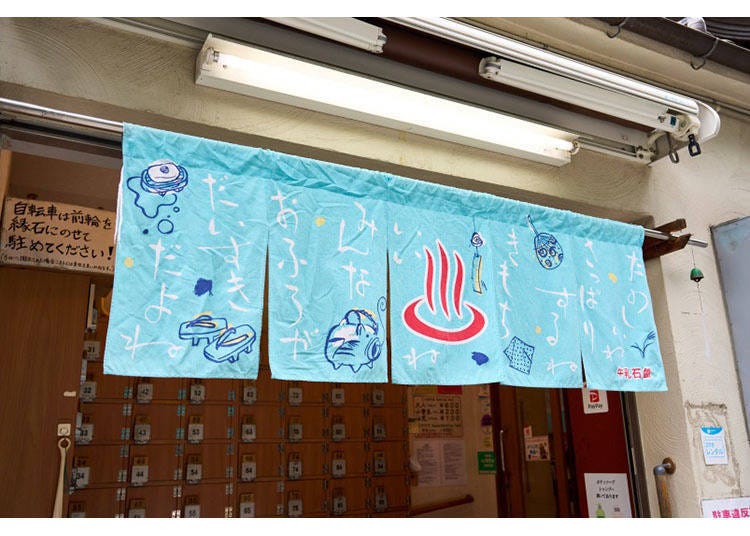
Japanese sento are public bathhouses used daily by local residents. However, their appeal lies beyond their large soaking baths. They are also places where you can experience Japanese life firsthand, with their traditional architecture, the murals depicting Mt. Fuji, their nostalgia-inducing interiors, and the natural interactions between the locals.
A significant number of sento remain in use in Tokyo. Many of them are scattered throughout the historic downtown areas around Ueno and Asakusa. In recent years, more sento bathhouses have become accustomed to tourists, and they are gaining popularity among foreign visitors as spots where they can experience Japanese culture.
A Q&A on the Do’s and Don’ts of a sento! We spoke with the owner of the famous Kotobuki-yu
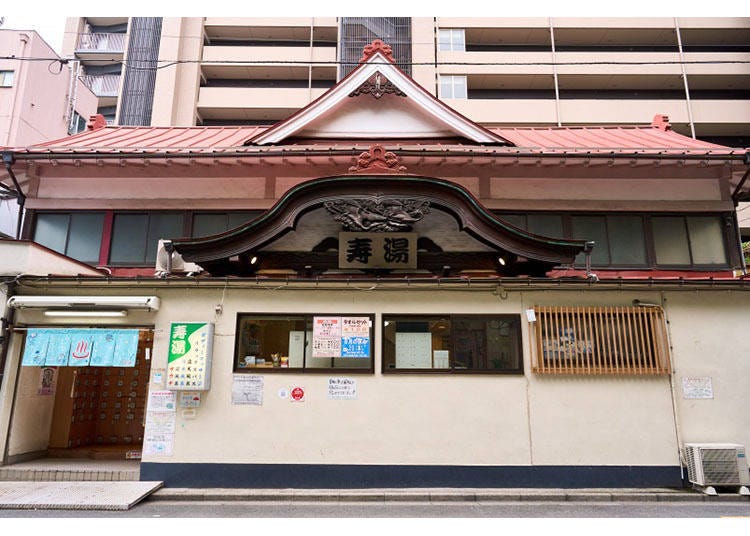
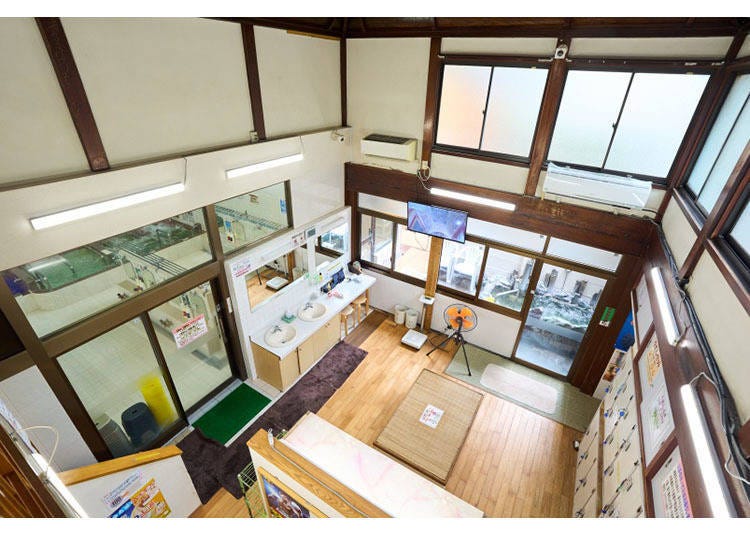
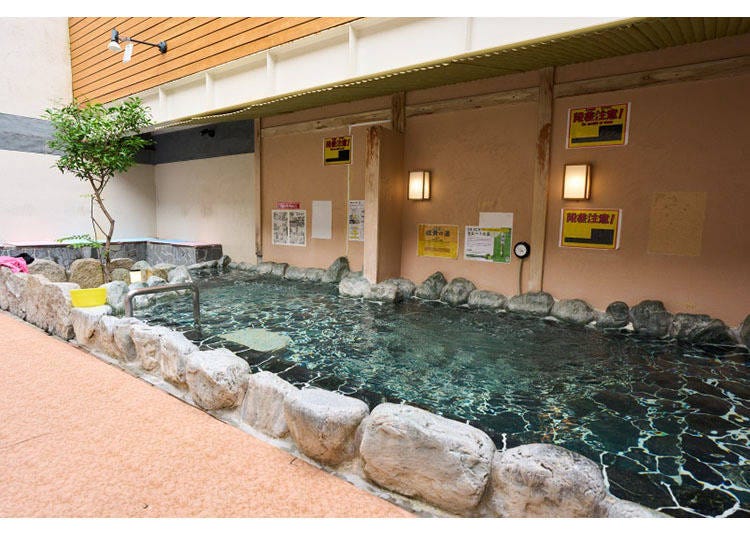
Kotobuki-yu, located in Ueno, is a popular sento that has long been a favorite among locals. In addition to three types of indoor baths, it also has a sauna and an open-air bath. Well-established in the community, it attracts many regular customers right from opening time. It is easily accessible from Asakusa and Tokyo Skytree, and with the increase in hotels in the surrounding area, it has also become a popular destination for foreign tourists.
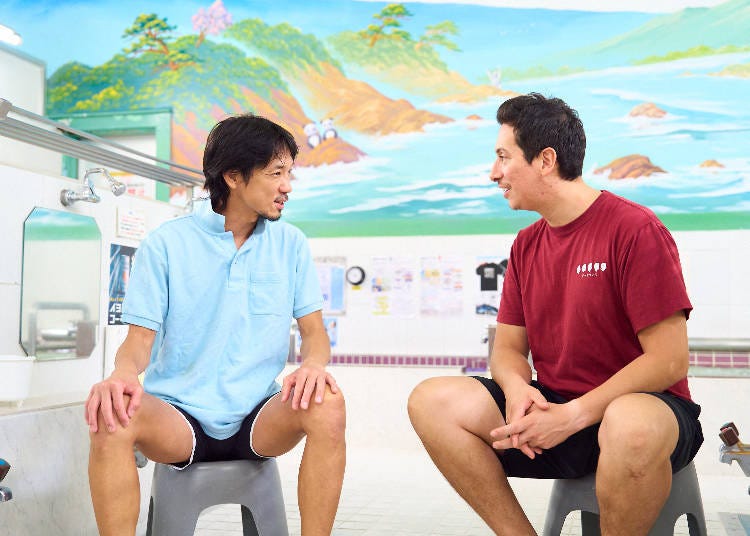
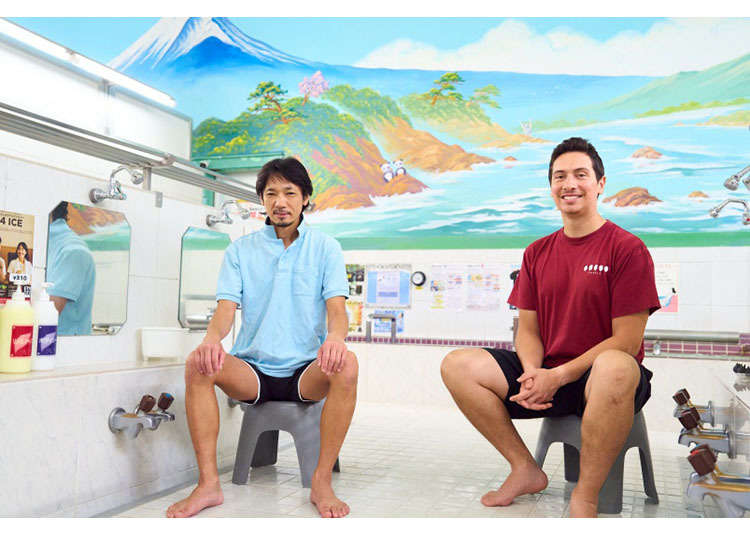
For this article, Sebastian went to experience Kotobuki-yu in person! He directly asked owner Ryozo Naganuma questions that sento beginners often wonder about.
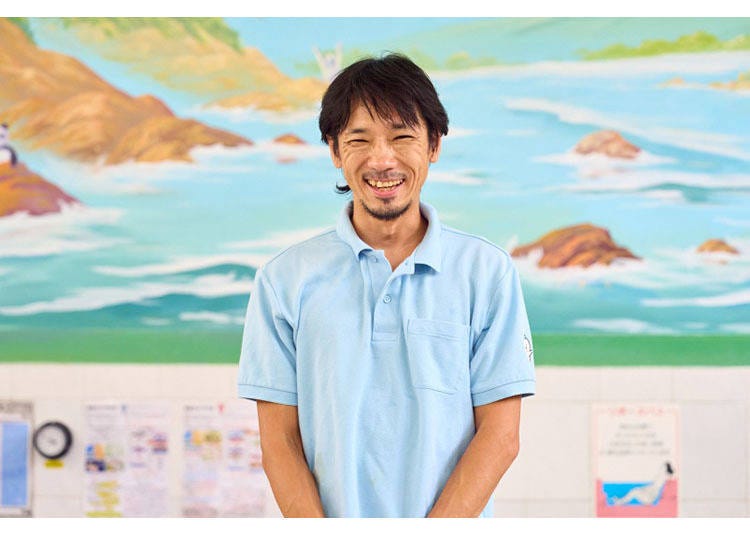
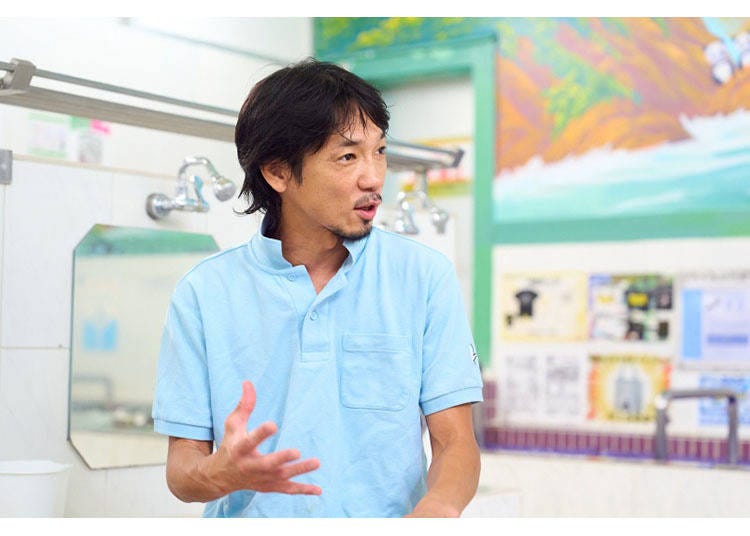
Mr. Naganuma is the third-generation owner of Kotobuki-yu, a sento bathhouse that has been in business since his grandfather's time. With an unusual background as a former professional boxer, he cherishes his long-time regular customers while also actively pursuing new initiatives such as collaborations with popular specialty shops. He aims to spread the appeal of sento to younger generations and those previously unfamiliar with them.
Preparing: Things to Know Before You Go! Questions about Going Empty-Handed, Tattoos, and Photography
It's best to know the basic Do’s and Don’ts before visiting a sento. Let's make sure you have all the necessary knowledge in advance.
Q: Do I need to bring anything with me?
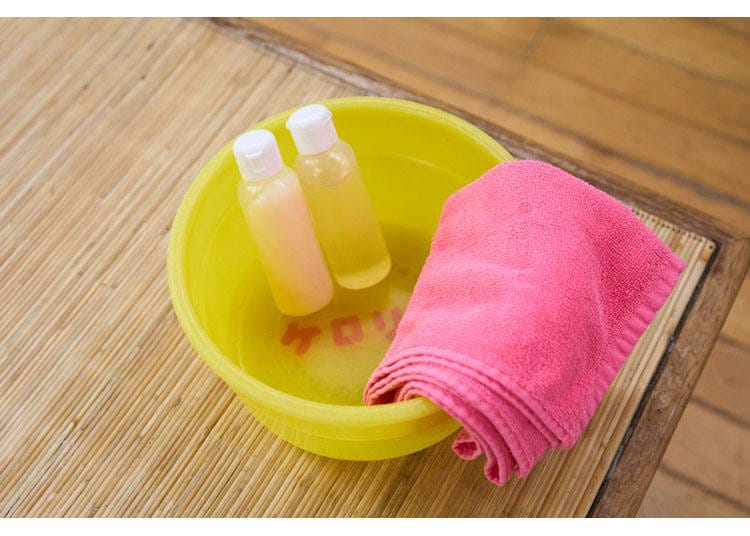
Naganuma: In the past, it was common to bring your own shampoo, soap, and towels. But now, more and more sento bathhouses in Tokyo are providing shampoo and body wash, and renting or selling towels. At Kotobuki-yu, you can rent a towel set for 100 yen.
Q: How can I check what I need to bring myself, and what facilities are available?
Naganuma: You can sometimes find posters with information at the entrance, and you can often find all the necessary details on the official website. If you still have questions, please feel free to call or email the establishment.
Q: I have tattoos. Can I still enter?
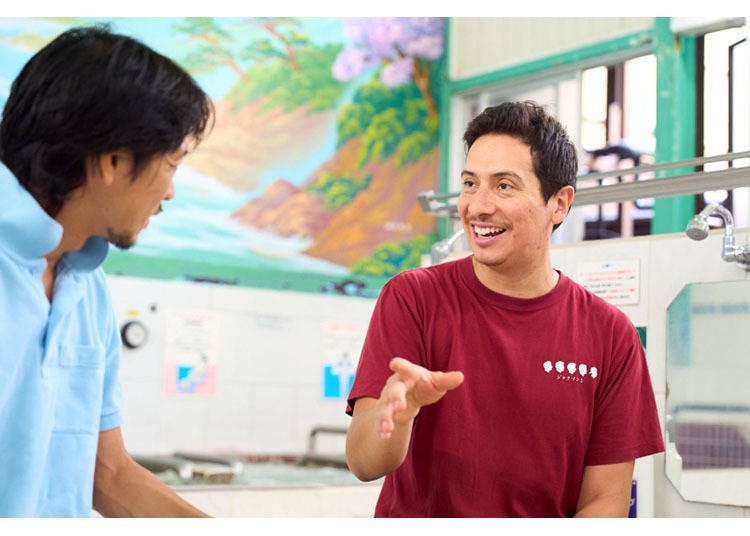
Naganuma: Many sento bathhouses in Tokyo are open to customers with tattoos. However, your safest option is to check with a given establishment in advance.
Q: Can I use any locker?
Naganuma: In some sento, regulars rent lockers long-term. These may be marked with a name or a sticker. Please use a locker that is unoccupied.
Q: Can I take photos in the changing room or the bath?
Naganuma: Customers are requested not to use their phones or other electronic devices in the changing rooms or the baths. In order to guarantee the customers’ privacy and comfort, taking photos or videos, as well as operating your device in these spaces at all, is forbidden.
Washing Area: The Most Confusing Part! How to Use Showers and Faucets
Tourists often find the washing area of sento particularly confusing. We asked about how to use the fixed showers and push-button faucets.
Q: How do I use the fixed showers?
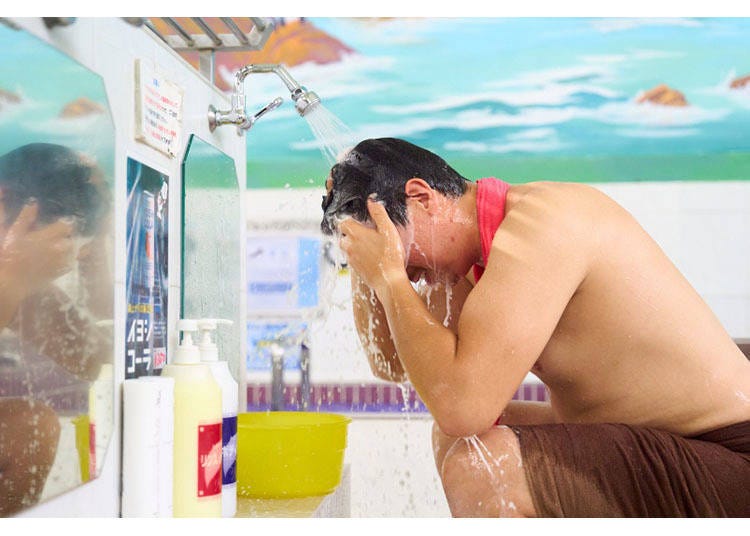
Naganuma: The main thing I would like to stress is you’re not supposed to shower standing up. Standing up, you inevitably splash water around you, especially on the people behind you. Instead, please sit on a stool and bend over.
Q: How do I adjust the temperature with a push-button faucet?
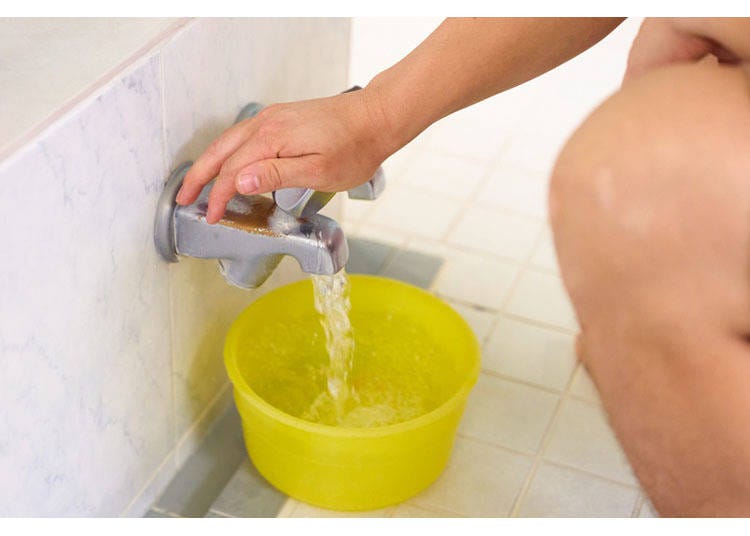
Naganuma: If you press both the hot and cold water buttons to fill the pail, the water should end up being a comfortable temperature. You don’t need to do anything to adjust the temperature. At Kotobuki-yu, if you find the water too hot, just use the respective button to add cold water and adjust the temperature to your liking.
Q: Should I put the stool and pail back where I found them after using them?
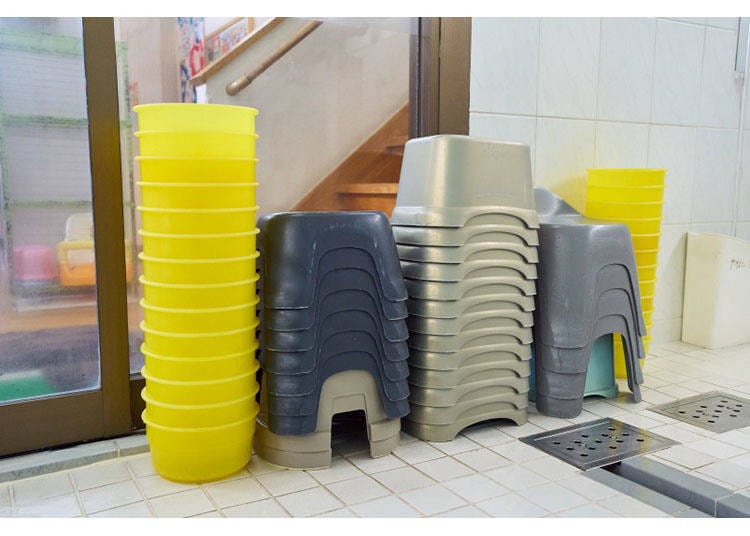
Naganuma: In some sento, the stools and pails are set up on the washroom floor, and in those cases, you can leave them as they were. In others, they are stacked next to the entrance – in this case, wash them down with water once you’re done using them and place them back on their respective stacks.
Bathing: The Water is Too Hot! How to Bathe Without Getting Dizzy
One of the defining features of Japanese sento baths is the high temperature of the water. We asked about precautions to take when diluting the bath with cold water, the importance of pouring hot water over yourself, and the basic rules to keep the baths clean.
Q: The bath is too hot! Can I add cold water?
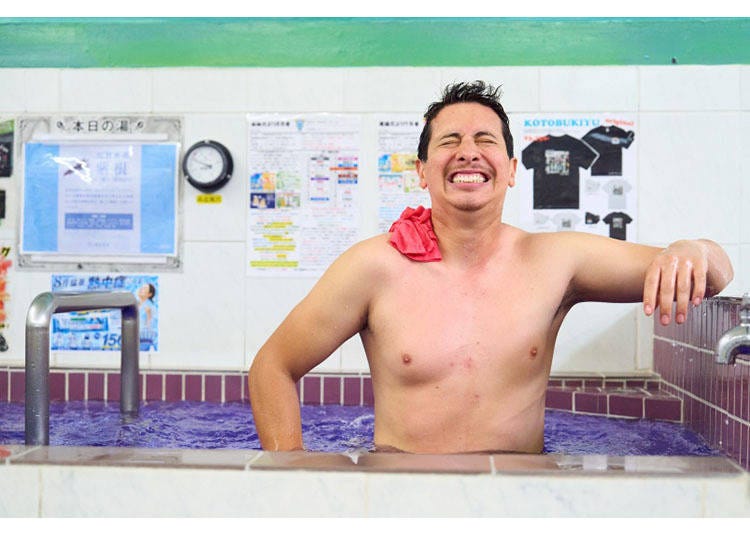
Naganuma: Start by inserting your hand in the water. I recommend entering whichever bath feels the coolest first. Kotobuki-yu has three baths with different temperatures. The hottest bath is about 45°C (113°F), the one next to it is about 42°C (110°F), and the open-air bath is about 41°C (106°F). 45°C might feel quite hot to those who aren't used to it. At Kotobuki-yu, if you find the bath too hot, there's a tap where you can add cold water, but please be careful not to add too much.
Q: What is the purpose of pouring hot water over yourself before getting into the bath?
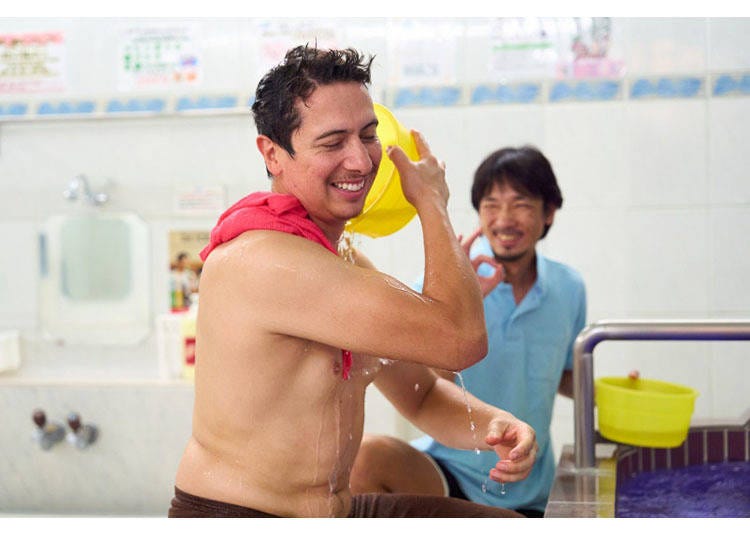
Naganuma: There are two main reasons to pour hot water over yourself before entering the bath. One is to rinse off dirt from your body. The other is to slowly get used to the temperature instead of jumping straight into the hot water, to avoid getting dizzy in the bath.
Q: Why can’t I dip my towel or my hair in the bath?
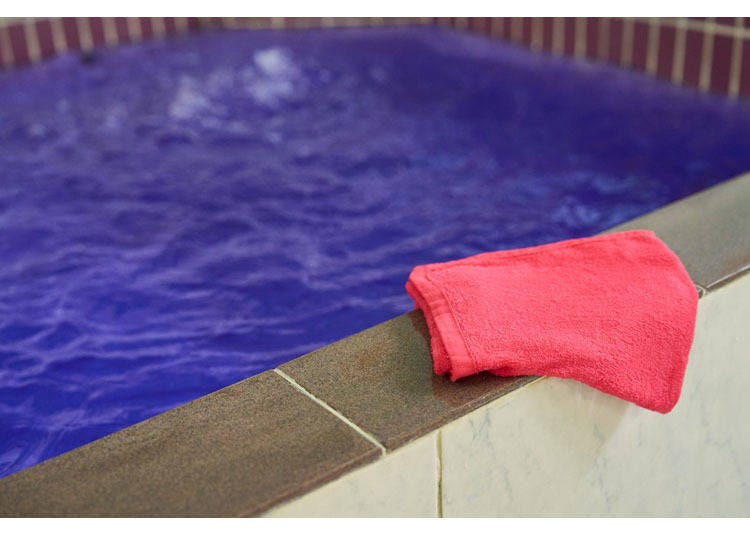
Naganuma: Soap or dirt may remain on a towel. Please don’t let it touch the bathwater, even if you washed it. The same goes for hair. Customers with long hair should tie it up and keep it above water level.
Q: Can I touch the mural of Mt. Fuji on the wall?
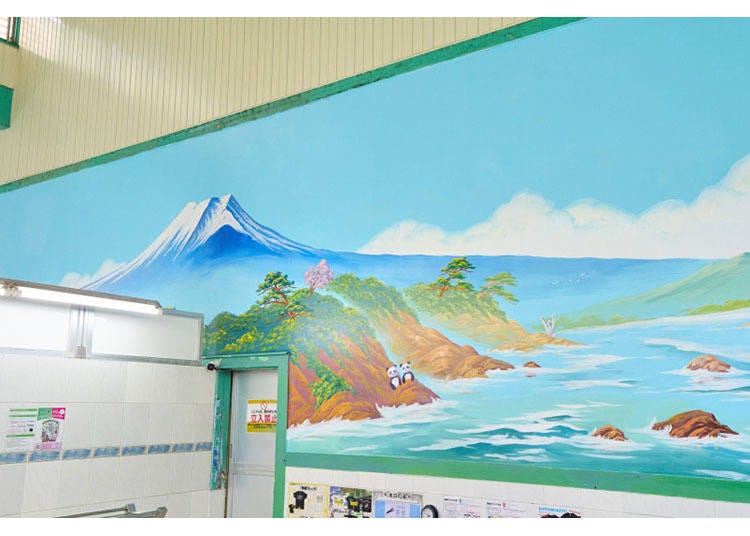
Naganuma: At Kotobuki-yu, we don’t mind if you touch the mural, but climbing to reach it is dangerous. If possible, please enjoy its visuals with your eyes alone.
Getting out of the Bath: Do’s and Don’ts of the Changing Room and Post-Bath Culture
Even after you’ve finished your bath, there are some things to be mindful of in the changing room and sento-specific manners that you should familiarize yourself with in advance.
Q: Should I dry myself before returning to the changing room?
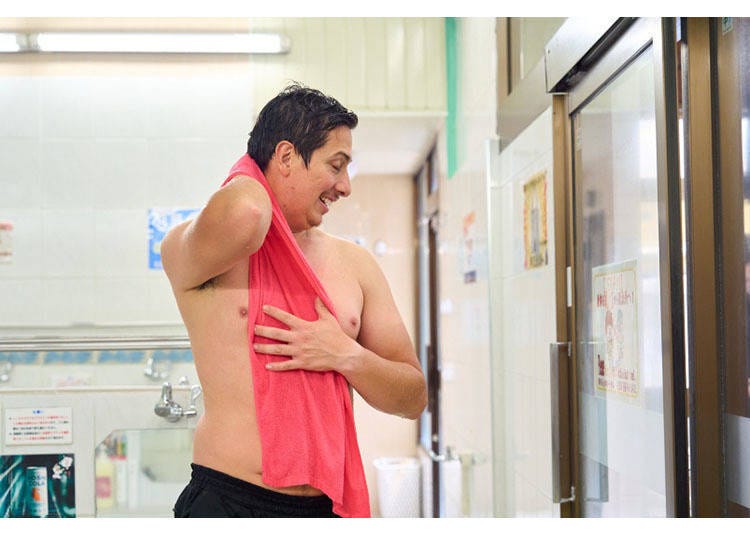
Naganuma: Yes, this is to prevent the floor of the changing room from getting wet. No one enjoys stepping into puddles of water with their socks on, or even without. Not to mention, a wet floor is a slipping hazard.
Q: Why is there a custom of drinking milk after bathing in a sento in Japan?
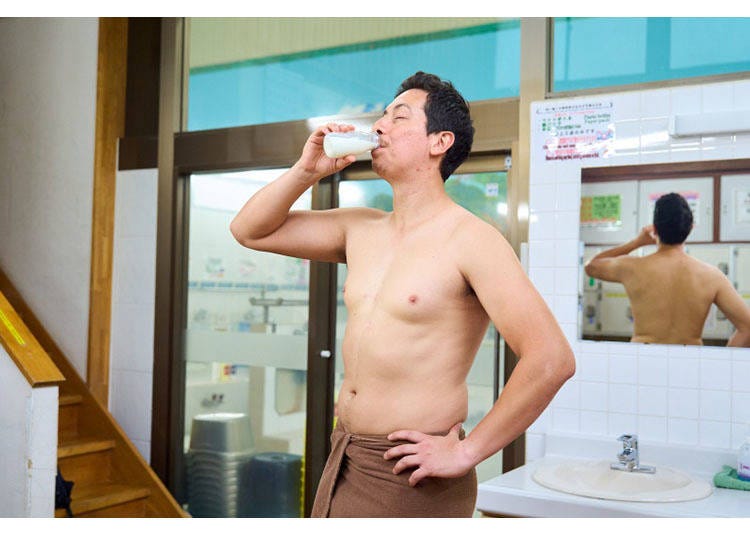
Naganuma: Apparently, one sento bathhouse began offering milk, and it became popular because people found it pleasant to drink after a bath. It then spread to other sento. Milk is popular at Kotobuki-yu too.
(*Note: There are various theories regarding the origin of this practice.)
Q: Why do Japanese people put their hand on their hip when drinking milk in a sento bathhouse?
Naganuma: At some point, the image of drinking milk while holding the towel wrapped around your waist with one hand probably became commonplace, at least that’s what I suspect (laughs).
Bonus: Surprisingly Intriguing Simple Questions About Public Baths
Finally, we asked Mr. Naganuma to answer some simple, yet sometimes awkward questions about sento that we've been curious about.
Q: If there’s no one else in the bath, is it okay to swim a little?
Naganuma: At Kotobuki-yu, we don’t usually scold children if they swim a little. Of course, different sento have different policies, so it’s best to assume that you shouldn’t swim in the bath.
Q: When Japanese people are in a sauna, they sometimes say “totonou,” but what does that mean?
Naganuma: The temperature in the sauna differs between the upper and lower levels. You sit on the lower level, which is cooler, and sweat slowly. Afterwards, you jump into a cold bath, and your body gradually warms up, leaving you with a refreshing feeling. Some people call this feeling “totonou.” I go to the sauna regularly, and I always sleep well that night. However, I think it’s best not to push yourself if you’re not feeling well.
Q: Can I bring my child’s toys?
Naganuma: We don’t mind at Kotobuki-yu, but please don’t leave them on the floor, to prevent the risk of someone slipping on them. Please don’t bring anything made of glass.
Q: Can I wear a swimsuit or underwear to the bath?
Naganuma: Public baths are places where people bathe naked, so as a general rule, no. However, in cases where a special bathing suit that covers the body is necessary for medical reasons or other circumstances, we may be able to accommodate you.
Q: Can I wear makeup in the bath?
Naganuma: At Kotobuki-yu, we don’t mind if you bathe while wearing makeup. However, please avoid washing your face in the bath while wearing makeup.
Q: Are there any weight limits?
Naganuma: People of any size can use a sento bathhouse. Even sumo wrestlers use them.
Q: Can babies enter public baths too?
Naganuma: Babies are welcome at Kotobuki-yu. However, the minimum age for accepting babies varies from one bathhouse to another, so please check in advance if you have any concerns.
Q: Do you refuse service to anyone?
Naganuma: For those who have difficulty getting out of the bath on their own due to their physical condition, we ask that they come with someone who can assist them. We also do not allow people who are feeling unwell or those who are menstruating to enter Kotobuki-yu.
Experience an aspect of Japanese culture in a sento bathhouse!
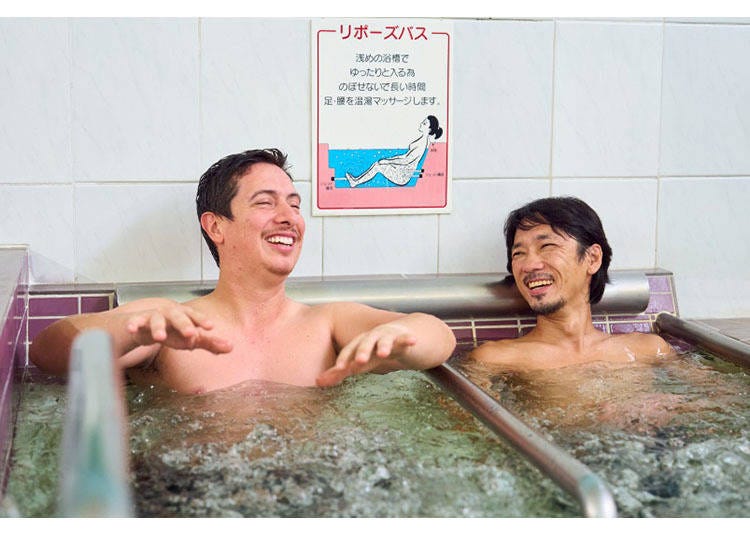
After experiencing Kotobuki-yu, Sebastian said with great anticipation, “My country doesn’t have a culture like sento bathhouses, but we do value friendly relationships with people. Sento make you feel closer to Japanese people, which is really nice. If my family ever comes to Japan, I would definitely like to bring them here.”
Naganuma also offered a welcoming message, saying, “I would love for everyone to experience the culture of sento bathhouses, which has been practiced in Japan for centuries. I hope they can enjoy it the way Japanese people have been for so long, by soaking in the hot baths or relaxing in the sauna.”
As long as you check the rules of each establishment and remember to be considerate of those around you, a visit should go smoothly even for first-timers. Why not stop by one during your travels and experience Japanese sento bathhouse culture?
Information on Kotobuki-yu
Address: 5-4-17 Higashi-Ueno, Taito-ku, Tokyo
Access: 2-minute walk from Inaricho Station on the Tokyo Metro Ginza Line
Opening Hours: 11:00 AM - 1:30 AM
Closed: Third Thursday of the month, New Year’s Day, January 2
Admission Fee: Adults 600 yen, Children (6-12 years old) 200 yen, Infants 100 yen
-
 Has Health & Safety Measures
-
Address
5-4-17 Higashi-Ueno, Taito-ku, Tokyo, 110-0015
View Map -
Nearest Station
Inaricho Station (Tokyo Metro Ginza Line)
2 minutes on foot
- Phone Number 03-3844-8886
-
Address
5-4-17 Higashi-Ueno, Taito-ku, Tokyo, 110-0015
- Area
- Category
*Prices and options mentioned are subject to change.
*Unless stated otherwise, all prices include tax.
Popular Tours & Activities
-

Seibu Group Launches New Chichibu Adventure Tourism Experience for International Travelers in 2026
by: Guest Contributor
-

Best Sumo Shows & Experiences in Tokyo (2026): Prices Compared
-
Haneda Airport Duty-Free Shopping Guide: What to Buy, How to Save & Where to Eat Before Your Flight
by: Guest Contributor
-
Just 2 Hours from Tokyo! Escape to Yamanashi's NIPPONIA Kosuge, Where an Entire 700-Person Village Becomes Your Hotel
by: Alice Lee
-
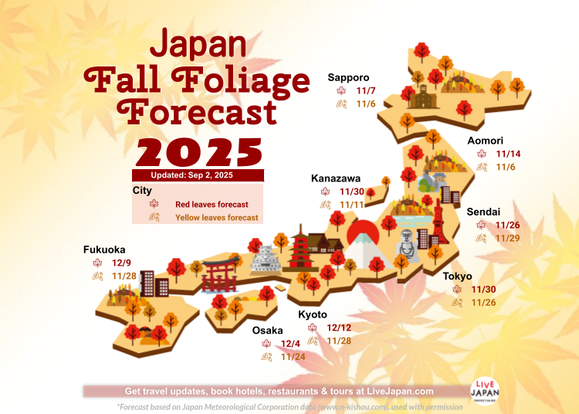
Autumn in Japan 2026: Fall Foliage Forecast & Where to Enjoy the Colorful Leaves (+Tour Info)
-
ANA’s Chiikawa Jet Is Taking Off—Here’s Everything You Need to Know About Exclusive Goods, In‑Flight Fun & Travel Tips
by: Guest Contributor
Inspiration for Accommodations
-
Family-Friendly Hotels with Free Shuttle to Disneyland: Convenient Access for a Magical Stay
-
Top Ranked Hakone Hotels with Mt. Fuji View: Enjoy Stunning Scenery from Your Private Space
-
Convenient Tokyo Hotels with Airport Shuttle: Ideal for Families and Heavy Luggage
-
9 Family-Friendly Hotels with Comfortable Family Rooms in Asakusa
-
10 Open-air bath Onsen Ryokans in Hakone for Ultimate Relaxation
-
10 Important Japanese Phrases to Know Before You Enter a Japanese Convenience Store
by: Teni Wada
-
Numazuko Kaisho in Ueno: Good Quality, All-You-Can-Eat Seafood for Just US$12!?
-
Tokyo Onsen: Beautify Your Skin at Tokyo's Top 3 Kuroyu Black Hot Springs!
-
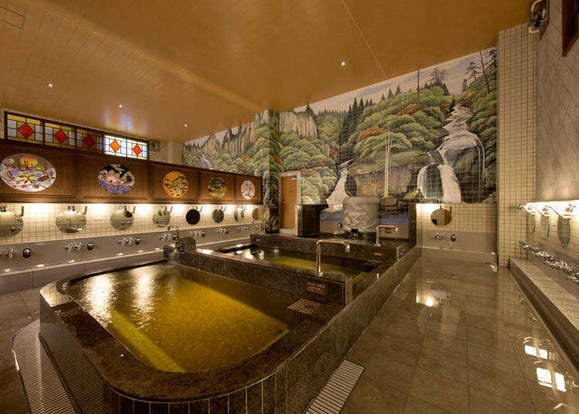
54 Tattoo-Friendly Onsen Hot Springs and Sento Baths in Tokyo
by: Korey Keen
-
Hot-spring heaven and fruit-park paradise in Yamanashi's Koshu Valley
-
Tokyo Train & Subway Guide: Navigate the City Like a Pro (JR, Subways, IC Cards & Passes)
- #best ramen tokyo
- #what to buy in ameyoko
- #what to bring to japan
- #new years in tokyo
- #best izakaya shinjuku
- #things to do tokyo
- #japanese nail trends
- #what to do in odaiba
- #onsen tattoo friendly tokyo
- #daiso
- #best sushi ginza
- #japanese convenience store snacks
- #best yakiniku shibuya
- #japanese fashion culture
- #best japanese soft drinks