



Tried a Mt. Fuji & Hakone Day Bus Tour From Tokyo — Here's What It Was Really Like
- Written by: LIVE JAPAN Editor
Mt. Fuji and Hakone in a single day, then back to your Tokyo hotel by evening? At first, it sounded way too ambitious. But after actually trying it ourselves, we realized it’s surprisingly doable. From ropeways and pirate ships to shrines and lakeside views, here’s our honest review of one of Tokyo’s most popular day bus tours — plus a few useful tips we learned along the way.
(Main photo: Photo: Kim / LIVE JAPAN)
(This article contains affiliate links and coupons.)
What Kind of Hakone & Mt. Fuji Bus Tour Is This?
When planning a Tokyo trip, Hakone and Mt. Fuji are usually high on the wishlist. But figuring out transportation, timing, tickets, and routes can quickly become overwhelming for first-time visitors.
That’s exactly why guided bus tours are so popular. They take care of the logistics for you, making it easy to visit multiple famous spots in a single day.
So naturally, three middle-aged guys decided to test one out for ourselves.
- 1. Travel comfortably without worrying about trains or driving.
- 2. No language stress — multilingual guides are available.
- 3. Better value than expected (pirate ship and ropeway tickets included).
- 4. Efficient schedule: depart around 8 AM and return around 6 PM.
Meet the Guys Who Joined the Tour
Introducing the “Triple K” team: three LIVE JAPAN staff members dedicated to keeping our services running smoothly.
One day, someone casually said:
“Bus tours actually sound pretty nice... no driving, no route planning, and they just take you everywhere.”
But was it really that convenient?
That simple question led us here.
Kim (40s)
Originally from Korea and living in Japan for 16 years. Works in inbound tourism-related web services and handles editing and web advertising at LIVE JAPAN. Loves road trips across Japan, especially around Kanto, Kansai, and Okinawa.
Kato (40s)
Originally from Osaka. A director involved in various company projects. Often travels around the Tokyo and Osaka areas and is also a big fan of Okinawa.
Kageyama (40s)
Originally from Nagasaki. A director constantly working behind the scenes to keep services stable and running smoothly. Loves food, drinks, and going on drives whenever he gets free time.
Triple K — let’s go!
Tour Price & Value Breakdown
Tour Price via Klook
Around 7,000 yen (includes the pirate ship cruise and Hakone Ropeway ride)
If you compare the costs separately, just the Lake Ashi pirate ship ticket alone is around 1,700 yen, while the Hakone Ropeway costs around 2,000 yen. That’s already 3,700 yen before even factoring in transportation from Tokyo, local transit, or the hassle of planning everything yourself.
Quick Price Comparison
Pirate Ship: 1,700 yen + Ropeway: 2,000 yen = 3,700 yen total
Full Bus Tour: 7,000 yen (includes transportation, guide, and 5 sightseeing stops)
Of course, everyone has their own travel style. But if your goal is maximizing sightseeing in a short amount of time, this tour delivers surprisingly solid value.
Tour Schedule at a Glance
A typical itinerary looks something like this:
| Time | Schedule |
|---|---|
| 8 AM~ | Depart from Tokyo (JR Tokyo Station Marunouchi North Exit / in front of Shinjuku Tokyo Mode Gakuen) |
| 10:30 AM | Hakone Shrine |
| 11:30 AM | Lake Ashi Pirate Ship Cruise |
| 12:10 PM | Hakone Ropeway |
| 12:40 PM | Owakudani |
| 1:30 PM | Lunch |
| 2:40 PM | Yamanakako Shiratorihama |
| 3:20 PM | Oshino Hakkai |
| 6 PM | Arrive in Tokyo (JR Tokyo Station Marunouchi North Exit / in front of Shinjuku Tokyo Mode Gakuen) |
- On the day we joined, heavy morning fog caused some schedule adjustments around the Lake Ashi area.
Updated Route
Departure → Hakone Ropeway → Owakudani → Lunch → Hakone Shrine → Lake Yamanaka Shiratori Beach → Oshino Hakkai → Return to Tokyo
The order of stops may change depending on weather and traffic conditions at the guide’s discretion. These changes are generally not eligible for refunds or compensation.
How to Find the Bus Boarding Area
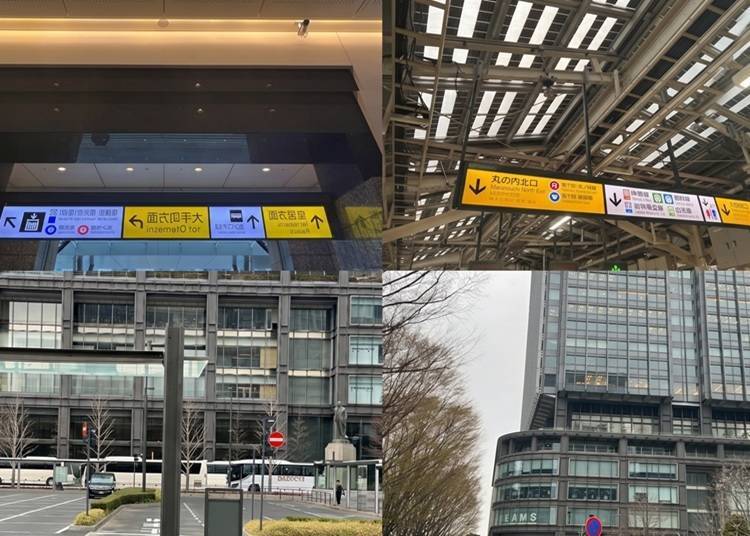
The first challenge of the tour is actually finding the meeting point. Tokyo Station can be confusing for first-time visitors, but if you follow these steps, it’s fairly straightforward.
- 1. Get off at JR Tokyo Station.
2. Head toward the Marunouchi North Exit.
3. Exit toward the Imperial Palace side and the north bus terminal area.
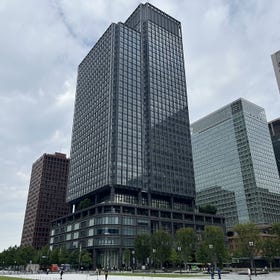
4. You’ll immediately see the Marunouchi Building (“Marubiru”) in front of you.
5. The meeting spot is under the BEAMS sign on the first-floor corner of the building. - There are usually several buses waiting in the area. Tour staff will be nearby, so don’t hesitate to show your reservation confirmation and ask which bus to board. Since multiple tours depart from here, taking a screenshot of your booking details beforehand is highly recommended.
-
-
Address
1-5-1 Marunouchi, Chiyoda-ku, Tokyo, 100-6590
View Map -
Nearest Station
Tokyo Station (Tokaido Shinkansen Line / Hokkaido Shinkansen Line / Tohoku Shinkansen Line / Akita Shinkansen Line / Yamagata Shinkansen Line / Joetsu Shinkansen Line / Hokuriku Shinkansen Line / JR Tokaido Main Line / JR Yokosuka Line / JR Sobu Main Line / JR Sobu Main Line (Rapid) / JR Keihin-Tohoku Line / JR Yamanote Line / JR Chuo Main Line / JR Keiyo Line / JR Ueno Tokyo Line / Tokyo Metro Marunouchi Line)
- Phone Number 03-5218-5100
-
Address
1-5-1 Marunouchi, Chiyoda-ku, Tokyo, 100-6590
Tip: Use the restroom before boarding the bus
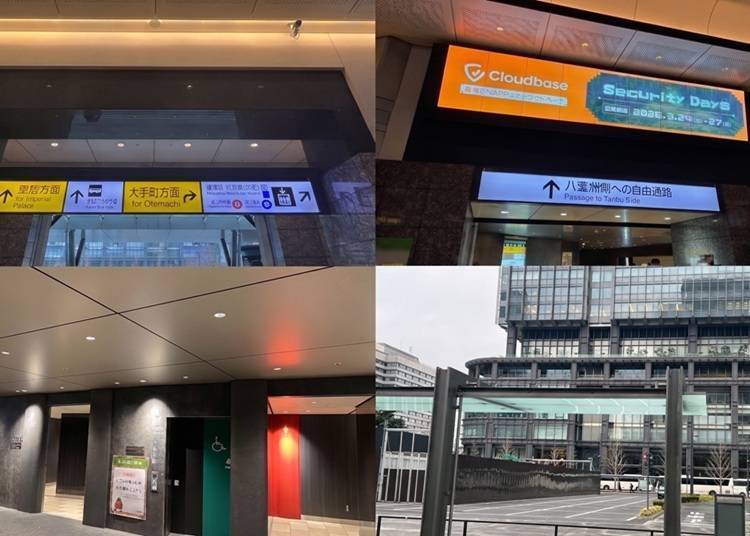
Before heading toward the north bus terminal area, look to the right for signs pointing toward the Yaesu free passageway. There’s a restroom immediately on the right side once you enter the corridor. If you want to use the bathroom before departure, this is a good spot.
And We’re Off! Heading Toward Hakone
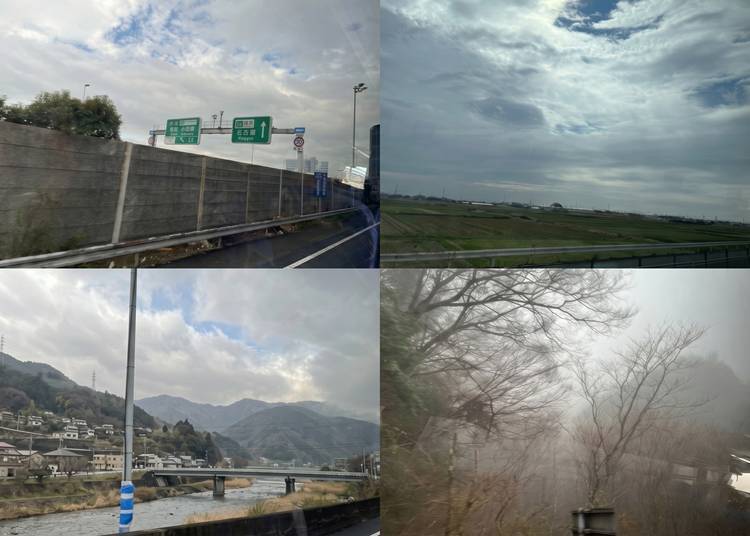
The tour first departs from Tokyo Station, then makes another pickup stop in Shinjuku near Tokyo Mode Gakuen. In other words, there are two boarding points to choose from depending on your travel plans.
Once you leave central Tokyo behind, the scenery gradually shifts into open fields and countryside landscapes before winding into the mountains around Hakone.
Tour Highlights
One of the best things about this tour is how many different experiences you get packed into a single day. Between the ropeway, pirate ship, and bus rides, the scenery changes constantly, making the whole trip feel surprisingly varied and exciting.
Hakone Ropeway & Owakudani
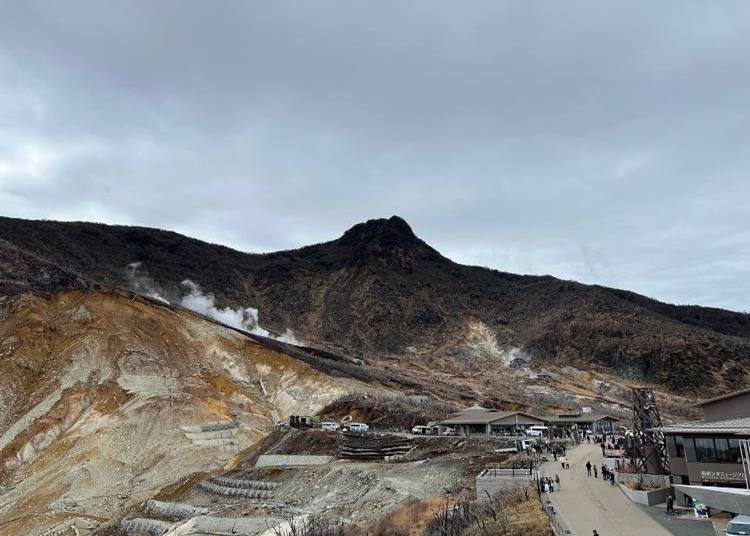
One of Hakone’s signature experiences is riding the Hakone Ropeway. Floating above Owakudani at around 1,044 meters above sea level, you’ll get sweeping views of volcanic terrain, steaming vents, and rugged mountain scenery. On clear days, you can even spot Mt. Fuji from the gondola.
At Owakudani itself, don’t miss the famous black eggs, or “kuro tamago,” which turn black after being boiled in the sulfur-rich hot springs.
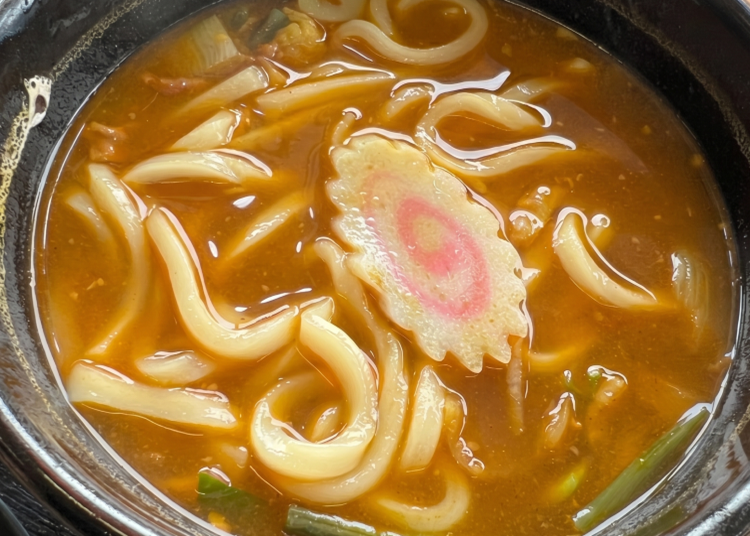
Lunch is free time, and there are several restaurants around the area serving ramen, rice bowls, and other casual meals. Since the break only lasts about an hour, it’s smart to avoid places with long lines.
- The ropeway feels far more stable than expected, even in windy conditions. As you slowly climb higher above the mountains, the surrounding Hakone scenery spreads out beneath you.
- On clear days, you can even see Mt. Fuji rising behind the giant black egg monument at Owakudani.
-

-
Address
1251, Sengokuhara, Hakone-machi, Ashigarashimo-gun, Kanagawa, 250-0631
View Map -
Nearest Station
Gora Station (Hakone Tozan Railway / Hakone Tozan Cable Car)
- Phone Number 0460-84-5201
-
Address
1251, Sengokuhara, Hakone-machi, Ashigarashimo-gun, Kanagawa, 250-0631
Lake Ashi Pirate Ship
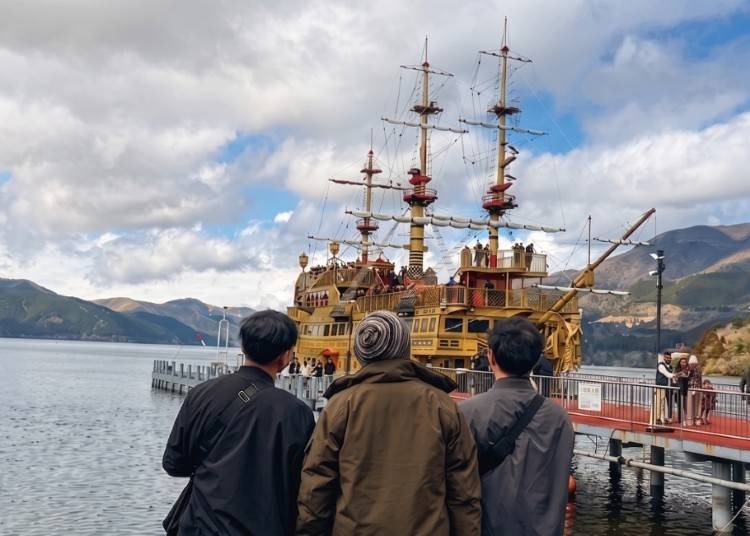
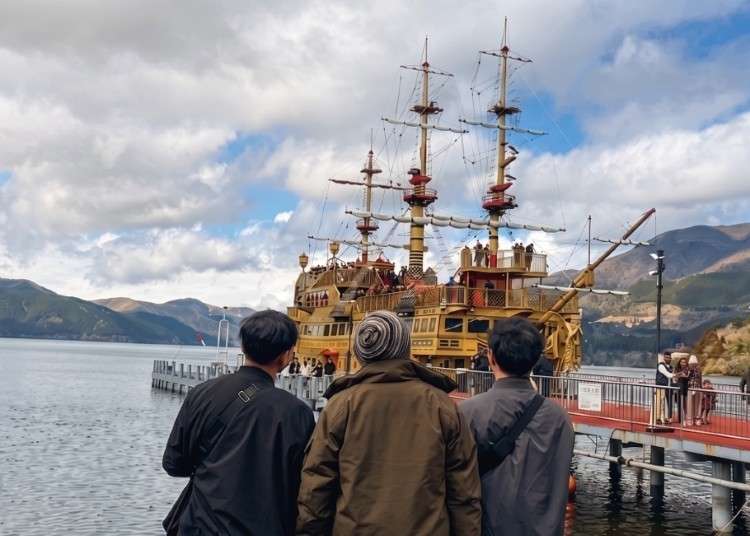
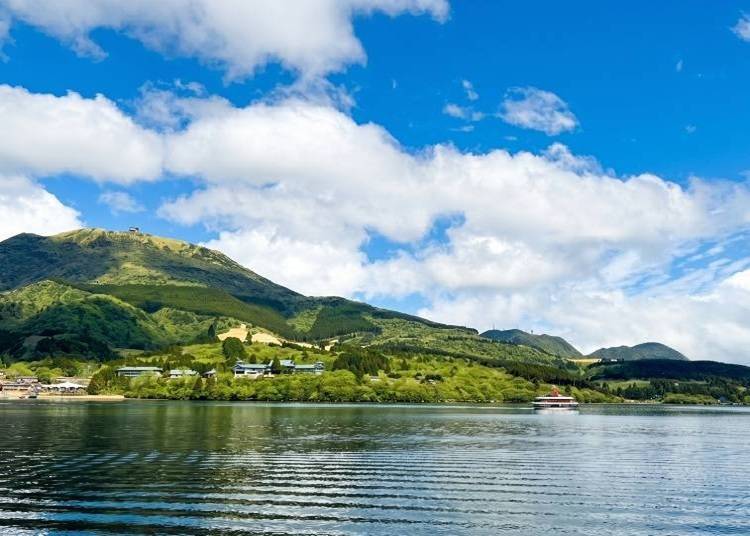
The pirate ship cruise across Lake Ashi is practically a symbol of Hakone sightseeing. Styled after classic European sailing ships, these flashy boats offer fantastic views of Hakone Shrine’s lakeside torii gate and the surrounding mountains.
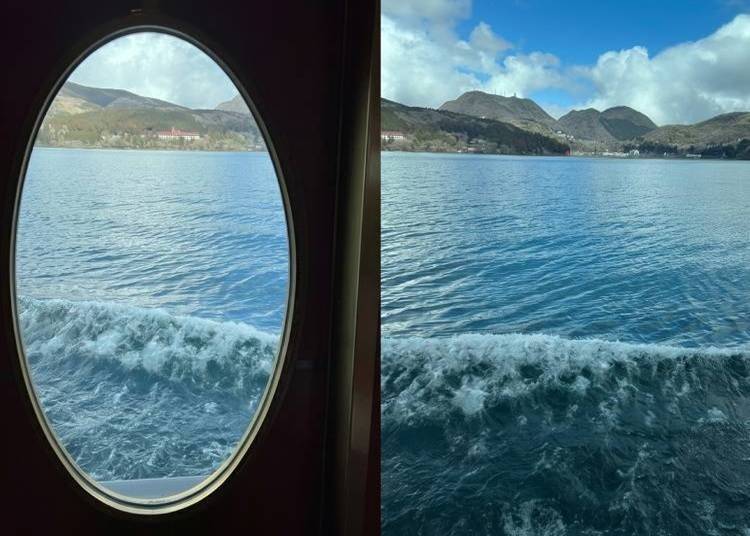
If you shoot from the center window on the first floor, you can capture photos from a much lower angle close to the water’s surface.
Pressing your camera lens close against the window helps reduce reflections and creates surprisingly cinematic-looking shots.
- When boarding the ship, try sitting on the right side. The boat reverses and rotates about 180 degrees after departure, so the right side gives you better views of Hakone Shrine and the surrounding scenery.
Hakone Shrine
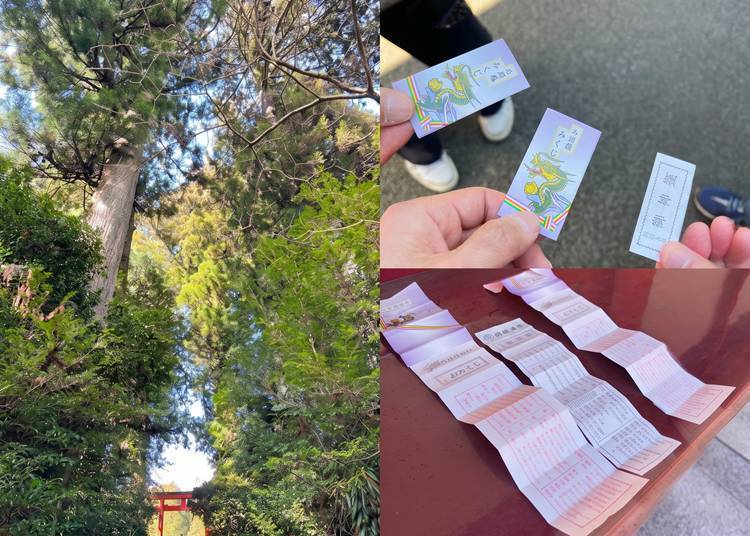
Located along the shores of Lake Ashi, Hakone Shrine is especially popular with couples and photographers. Its iconic red torii gate standing over the water easily became one of the most memorable photo spots on the tour.
- Even if you’re traveling solo or as a pair, the tour guide is usually happy to help take photos if you ask. It’s a great chance to get a nice shot in front of the famous red torii gate.
There isn’t enough time to fully explore the shrine grounds, but there’s still enough time to stroll around, draw omikuji fortunes, and make a quick prayer.
-
-
Address
80-1, Motohakone, Hakone-machi, Ashigarashimo-gun, Kanagawa, 250-0522
View Map -
Nearest Station
Hakone-Yumoto Station (Hakone Tozan Railway)
- Phone Number 0460-83-7123
-
Address
80-1, Motohakone, Hakone-machi, Ashigarashimo-gun, Kanagawa, 250-0522
Lake Yamanaka Shiratori Beach
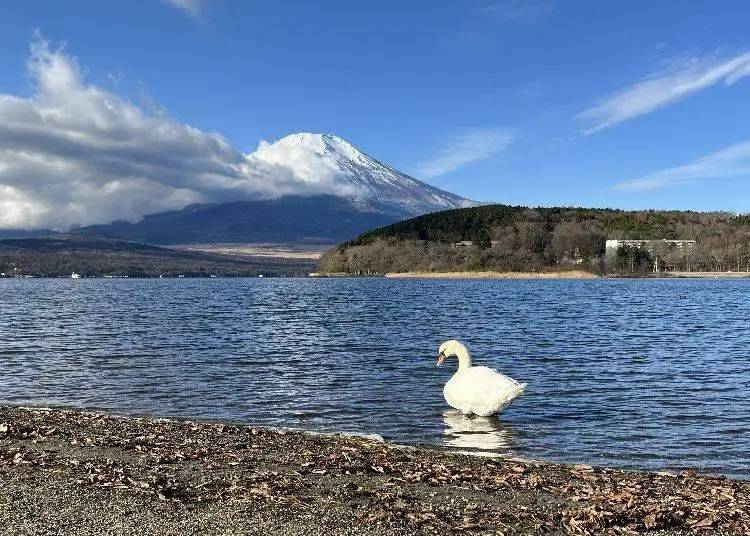
Lake Yamanaka sits right at the foot of Mt. Fuji and is famous for its beautiful “upside-down Fuji” reflections on calm days. Shiratori Beach is also known for its swan boats, making it a peaceful place to walk while enjoying wide-open lake views with Mt. Fuji in the background.
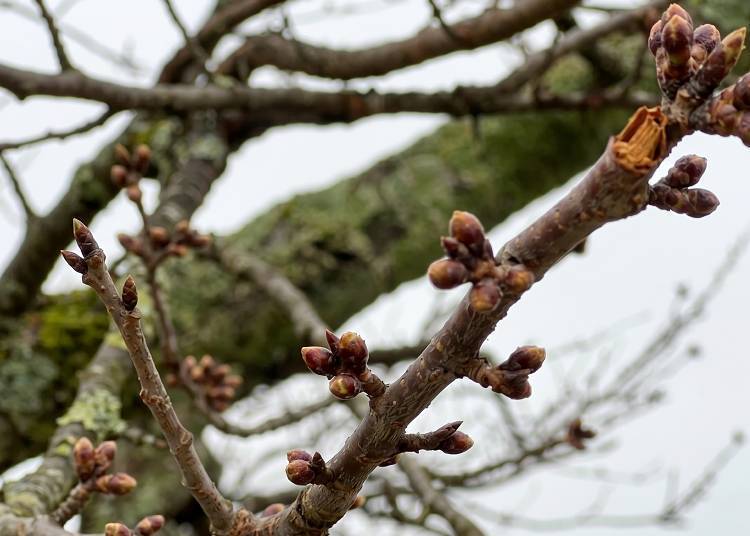
We visited near the end of March, but the cherry blossoms still hadn’t started blooming yet.
- The weather gradually cleared while we were in Hakone, but by the time we reached Lake Yamanaka, the fog rolled back in again. Since the scenery changes dramatically depending on visibility, clear weather definitely makes a huge difference.
Still, even with the mist, watching a lone swan glide quietly across the lake felt peaceful and beautiful in its own way. On sunny days, this is also one of the best places to see Mt. Fuji reflected on the lake’s surface.
-

-
Address
Yamanakako-mura, Minamitsuru-gun, Yamanashi, 401-0500
View Map -
Nearest Station
Kawaguchiko Station (Kawaguchiko Line (Fujikyuko))
- Phone Number 0555-62-3100
-
Address
Yamanakako-mura, Minamitsuru-gun, Yamanashi, 401-0500
Oshino Hakkai
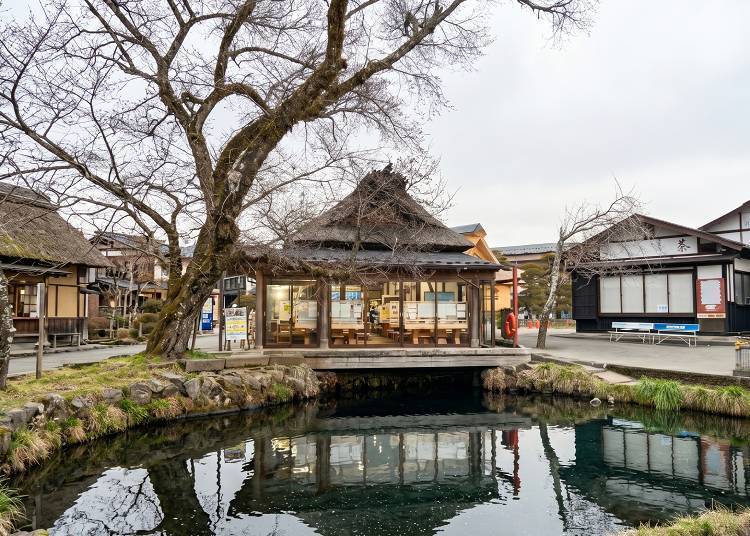
Oshino Hakkai is a group of eight crystal-clear ponds created by melted snow from Mt. Fuji filtering underground over decades. It’s officially part of the UNESCO World Heritage listing for Mt. Fuji, and the water clarity here is genuinely impressive.
Traditional Japanese houses, snack stalls, and souvenir shops line the surrounding paths, giving the area a relaxed old-Japan atmosphere perfect for wandering around.
- Walking toward the ponds, you’ll pass small shops selling souvenirs, snacks, and sweets like dango. Prices actually felt fairly reasonable considering how touristy the area is.
The ponds themselves are smaller than some people might expect, but they make a fantastic backdrop for photos with Mt. Fuji behind them.
Unfortunately, we couldn’t see Mt. Fuji clearly during our visit, but honestly, imagining how incredible the view would be in perfect weather became part of the fun too.

Frequently Asked Questions
Q1: How Does Lunch Work?
Lunch is handled individually during about one hour of free time at Owakudani. Nearby restaurants serve casual meals like ramen and rice bowls, so it’s easy enough to find something without much planning.
One thing to note: some restaurants use meal-ticket vending machines, so it’s a good idea to carry around 2,000 to 3,000 yen in cash. Many souvenir shops also accept credit cards.
Q2: What’s the Crowd Like? What Languages Are Available?
We heard quite a bit of Korean and Chinese on the bus, so there were definitely lots of travelers from across Asia joining the tour.
When booking, make sure to check which languages your guide speaks. On Klook, you can filter tours by guide language, so if you specifically want an English-speaking guide, it’s best to confirm ahead of time.
Q3: What Should You Wear? When’s the Best Season?
We joined in March, and it was still chilly enough to need a fairly thick jacket. While warmer seasons naturally bring clearer views of Mt. Fuji and the lakes, this honestly feels like a tour you could enjoy year-round.
Spring offers cherry blossoms, summer brings lush greenery, autumn means colorful leaves, and winter delivers snowy scenery. Every season gives the route a completely different atmosphere.
You won’t be doing intense hiking, so comfortable sneakers and casual clothes are perfectly fine. Just keep in mind that elevated areas like Owakudani can feel much colder than Tokyo, so bringing an extra layer is recommended.
After Actually Trying It Ourselves...
After joining the tour, we finally understood why the reviews are so positive. The constant mix of transportation, scenery, and sightseeing keeps the day feeling fun from start to finish. Every stop feels completely different from the last.
Honestly, trying to visit all these places independently by car or public transportation in a single day would be extremely difficult. That’s what makes this tour feel so well-designed.
And the value really is solid. The pirate ship ticket alone costs around 1,700 yen, and the ropeway costs around 2,000 yen. Add transportation from Tokyo, guide services, and five sightseeing spots, and suddenly 7,000 yen feels surprisingly reasonable.
If you have one free day during your Tokyo trip and want to see both Hakone and Mt. Fuji without stress, this honestly feels like one of the easiest and most efficient ways to do it.
If you’re even slightly interested, it’s worth at least checking availability on Klook or KKday. These tours can fill up quickly during weekends and peak seasons, so booking early is highly recommended.
(This article is based on a bus tour joined in late March 2026. Please check booking websites for the latest schedules and pricing information.)
*Prices and options mentioned are subject to change.
*Unless stated otherwise, all prices include tax.
Popular Tours & Activities
Recommended places for you
-
TOKYO SKYTREE®
Landmarks
Ryogoku / TOKYO SKYTREE(R)
-
Ameyoko Shopping Street
Old Towns (Shitamachi)
Ueno
-
Tokyo Tower
Landmarks
Roppongi
-
Kappabashi Street
Old Towns (Shitamachi)
Asakusa
-
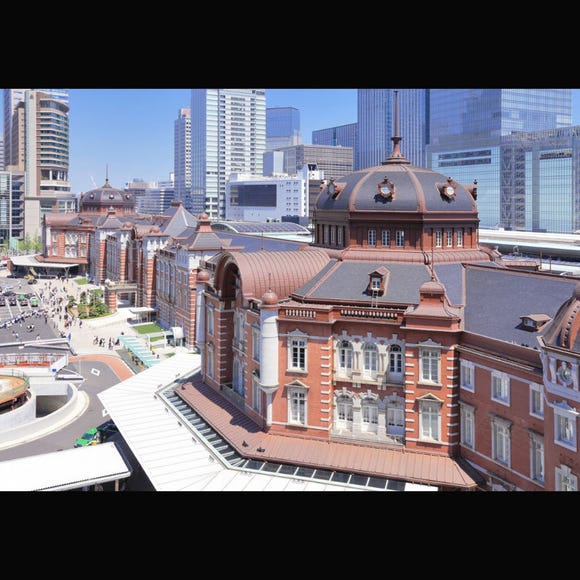
The Tokyo Station Marunouchi Building
Landmarks
Tokyo Station
-
Ueno Zoo (Ueno Zoological Gardens)
Zoos, Aquariums & Botanical Gardens
Ueno
-
Just 2 Hours from Tokyo! Escape to Yamanashi's NIPPONIA Kosuge, Where an Entire 700-Person Village Becomes Your Hotel
by: Alice Lee
-
Ad
Pocket WiFi Rental in Japan 2026: Complete Price Comparison & Where to Get the Best Deal
-

Seibu Group Launches New Chichibu Adventure Tourism Experience for International Travelers in 2026
by: Guest Contributor
-
28 Best Things to Do in Odaiba (2026 Updated): Tokyo's Entertainment Island
-
Daikoku Car Meet Guide: How to Visit, Best Times & Rules
-
Cracked Phone Screen in Japan? Smahospital Repair Guide: Keep Your Data, Fixed in 15 Min, Multilingual Support | Up to 10,000 Yen Off with LIVE JAPAN Coupon
Inspiration for Accommodations
-
Family-Friendly Hotels with Free Shuttle to Disneyland: Convenient Access for a Magical Stay
-
Top Ranked Hakone Hotels with Mt. Fuji View: Enjoy Stunning Scenery from Your Private Space
-
Convenient Tokyo Hotels with Airport Shuttle: Ideal for Families and Heavy Luggage
-
9 Family-Friendly Hotels with Comfortable Family Rooms in Asakusa
-
10 Open-air bath Onsen Ryokans in Hakone for Ultimate Relaxation
-
Atami 1-Day Itinerary: Exploring Japan's Castle & Hot Springs Resort Town Near Tokyo!
-
Tokyo Tsukiji|Tsukiji Area Map & Sightseeing Information
-
Exploring Tokyo: 4 Must-Visit Spots around Tokyo Station
-
Meiji Shrine (Meiji Jingu): Exploring the Sacred Sanctuary of Peace in Bustling Tokyo
-
Guide to Tokyo's Old Quarter: 7 Quaint Spots in Yanesen!
-
Tokyo Roppongi|Roppongi Station Area Map & Sightseeing Information
- #best ramen tokyo
- #what to buy in ameyoko
- #what to bring to japan
- #new years in tokyo
- #best izakaya shinjuku
- #things to do tokyo
- #japanese nail trends
- #what to do in odaiba
- #onsen tattoo friendly tokyo
- #daiso
- #best sushi ginza
- #japanese convenience store snacks
- #best yakiniku shibuya
- #japanese fashion culture
- #best japanese soft drinks