





Tohoku is one of Japan's great onsen destinations. The region is home to more than 550 hot spring resorts, ranging from misty mountain retreats deep in beech forests to centuries-old seaside towns. Many are far removed from the typical tourist circuit, offering an authentically Japanese experience. Whether you're chasing powder snow and frost-covered trees in winter, autumn foliage reflected in open-air baths, or simply a restorative night in a traditional ryokan, Tohoku's onsen resorts have something to offer in every season. Here is a selection of ten of the best, spread across six prefectures from Aomori in the north to Fukushima in the south.
1. Asamushi Onsen (Aomori City, Aomori Prefecture): A Thousand-Year Seaside Resort Near the City

Asamushi Onsen sits on the shore of Mutsu Bay just outside Aomori City, making it one of Tohoku's most accessible hot spring retreats. Sometimes called "the backyard of Aomori," the resort has operated for over 1,200 years and retains the feel of a classic Japanese coastal onsen town. Nine inns are strung along National Route 4, with souvenir stores and restaurants clustered around Asamushi Onsen Station.
The seaside setting opens up seasonal activities beyond the baths: swimming, kayaking, and stand-up paddleboarding in summer, and snow hiking and trekking in winter, with a recommended side trip to Mt. Hakkoda for views of spectacular hoarfrost trees.

Spring type: Gypsum weak salt spring. Said to be beneficial for cuts, circulatory disorders, dry skin, and autonomic instability.
Getting there: Approximately 25 minutes from JR Aomori Station on the Aoimori Railway. By car from the Aomori-Higashi Interchange on the Tohoku Expressway via National Route 4, approximately 15 minutes.
Recommended accommodations: Asamushi Onsen Tsubakikan, Asamushi Onsen Tatsumikan, Asamushi Onsen Nanbuya Kaisenkaku, Asamushi Onsen Ryokan Yanaginoyu


2. Hanamaki Onsenkyo (Hanamaki City, Iwate Prefecture): Twelve Springs and a Living Toji Tradition
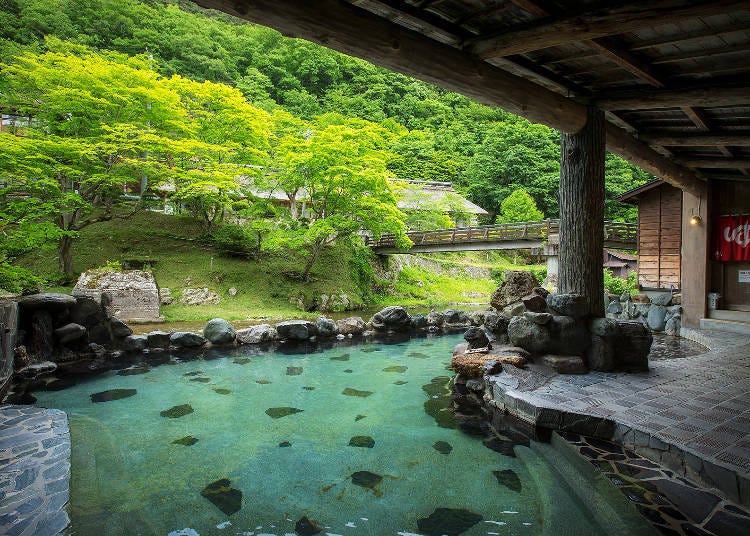
Hanamaki Onsenkyo is one of Tohoku's largest hot spring complexes, comprising twelve individual springs scattered along the Daikawa and Toyosawa Rivers in the mountains west of Hanamaki City. The complex spans two distinct areas, Hanamaki Onsen to the north and Hanamaki Minami Onsenkyo to the south, with around 30 inns between them offering everything from full-service resort hotels to intimate toji lodges.
The standout appeal here is toji: the Japanese tradition of extended therapeutic stays at a hot spring. Inns like Namari Onsen and Osawa Onsen have preserved this culture in their rustic, unhurried atmosphere. Some accommodations also have connections to Kenji Miyazawa, the beloved Iwate-born poet and author of children's literature.

Spring types: Sulfate springs, chloride springs, simple hot springs, and sulfur springs across different facilities. Said to be beneficial for neuralgia, joint pain, rheumatism, skin conditions, and fatigue, among others.
Getting there: To the northern area (Hanamaki Onsen, Dai Onsen, Kanaya Onsen): free shuttle bus for guests from JR Shin-Hanamaki Station, approximately 35 minutes. To the southern area (Osawa Onsen, Namari Onsen, Shidotaira Onsen, and others): free shuttle bus from JR Hanamaki Station, approximately 20–45 minutes; from JR Shin-Hanamaki Station, approximately 35–60 minutes.
Recommended accommodations: Hanamaki Onsen Hotel Hanamaki, Yamayuri no Yado, Hotel Shidotaira


3. Nyuto Onsenkyo (Senboku City, Akita Prefecture): Seven Hidden Springs in a Virgin Beech Forest

Nyuto Onsenkyo is one of the most celebrated "secret spring" (hitayu) destinations in Japan, a cluster of seven independent hot spring inns nestled at the base of the Nyuto Mountains within Towada-Hachimantai National Park. Each inn draws from its own spring source, meaning the water quality varies between them; a single visit can feel like several different experiences. The inns themselves, many with thatched roofs and open-air baths enveloped by old-growth forest, are quintessentially atmospheric.
The resort offers a dedicated "Yumeguri-cho" bath-hopping booklet, available exclusively to guests, which includes one entry to each of the seven springs and unlimited rides on the Yumeguri-go shuttle bus. It's one of the more rewarding onsen activities in Tohoku.

Spring types: Varied across inns–sulfur springs, sodium and calcium chloride springs, sodium hydrogen carbonate springs, and calcium-magnesium sulfate springs. Said to be beneficial for hypertension, arteriosclerosis, rheumatism, diabetes, and skin conditions.
Getting there: From JR Tazawako Station, take the Hago Kotsu Bus bound for Nyuto Onsenkyo to the nearest bus stop for each inn (approximately 40–50 minutes). By car, approximately one hour from the Morioka Interchange on the Tohoku Expressway.
Recommended accommodations: Tsuru-no-yu Onsen, Tae-no-yu, Kyukamura Nyuto Onsenkyo


4. Naruko Onsen (Osaki City, Miyagi Prefecture): Kokeshi Doll Town with Five Spring Types

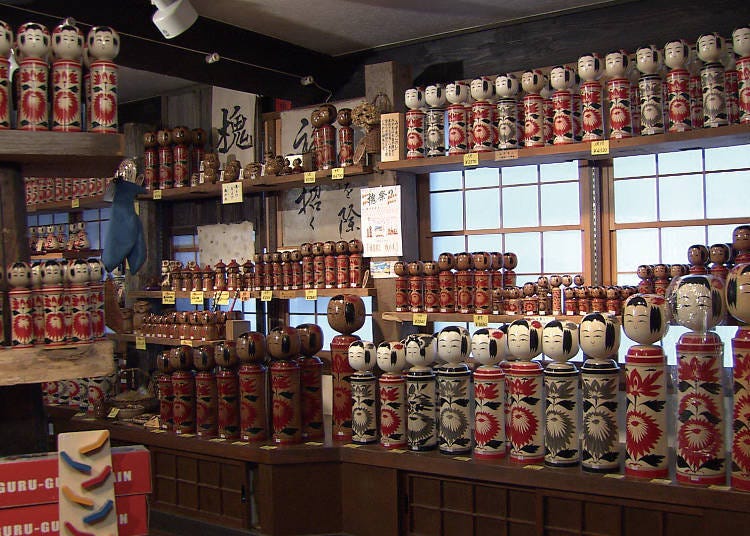
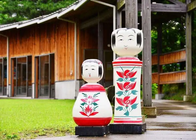
Naruko Onsen is one of the rare Japanese resorts that manages to be both a working hot spring town and a genuine living craft destination. The streets are lined with kokeshi, traditional hand-painted wooden dolls, and the resort is dotted with workshops where visitors can watch craftspeople at work. Giant kokeshi appear on manholes, railings, and roadsides throughout. The atmosphere is warm and walkable, with the resort stretching about one kilometer from JR Naruko-Onsen Station.
What sets Naruko apart among onsen enthusiasts is its unusual variety of spring types: five in total, ranging from sulfur springs to hydrogen carbonate springs. Public baths like Taki-no-Yu and Naruko Waseda Sajikiyu are open to day visitors alongside the inns.
Spring types: Sulfur springs, simple springs, and hydrogen carbonate springs. Said to be beneficial for skin conditions, insomnia, autonomic instability, circulatory disorders, and sensitivity to cold.
Getting there: From JR Sendai Station, take the Tohoku Shinkansen to JR Furukawa Station (approximately 15 minutes), then transfer to the JR Rikuu East Line to JR Naruko-Onsen Station (approximately 40 minutes). By car from central Sendai via the Tohoku Expressway it takes approximately 1 hour 15 minutes.
Recommended accommodations: Naruko Hotel, Yusaya Ryokan, Naruko Onsen Ryokan Sugawara, Naruko Fuga


5. Togatta Onsen (Zao Town, Miyagi Prefecture): Hot Springs at the Foot of the Ski Slopes

Togatta Onsen occupies a striking position on the eastern base of the Zao mountain range, which straddles the border of Miyagi and Yamagata prefectures. With a history dating back 400 years and ski resorts just 20 minutes away, it's one of Tohoku's best winter onsen stops, offering easy access to the slopes, hoarfrost tree viewing (including by snowmobile for those who'd rather not trek in the cold), and around 15 inns with three day-use public baths.
In warmer months it's a quieter destination, but still worth visiting for the mountain scenery and the resort's local food culture, including a well-established tofu shop known for its creamy soft-serve ice cream.

Spring type: Sodium calcium sulfate and chloride spring. Said to be beneficial for neuralgia, rheumatism, gastroenteric diseases, and chronic skin conditions.
Getting there: Approximately 50 km from central Sendai. By car via the Tohoku Expressway, approximately 45 minutes. By bus from JR Sendai Station on the highway bus, approximately one hour; from JR Shiroishi Station on the Miyakou Bus, approximately 50 minutes.
Recommended accommodations: Chikusenso Onsen, Ryokan Daichu, Daikon no Hana Onsen, Tamaya Ryokan


6. Akiu Onsen (Sendai City, Miyagi Prefecture): One of Northern Japan's Three Great Springs, 30 Minutes from Sendai

Akiu Onsen has the rare distinction of being both a short day trip from a major city and one of the most historically significant hot spring destinations in northern Japan. Together with Naruko Onsen (Miyagi) and Iizaka Onsen (Fukushima), it is considered one of the three great hot springs of northern Japan, preserved for generations as a private bathing resort of the Date family, lords of the Sendai domain.
Eleven hot spring facilities line the Natori River, and the surrounding area offers natural scenic draws: Akiu Great Falls (one of Japan's 100 Best Waterfalls, with a 55-meter drop and six-meter width), Rairaikyo Gorge, art museums, and cafes. Bike rentals are available at the Akiu Sato Center at the resort entrance for those who want to explore at their own pace.

Spring types: Chloride spring, simple spring, and sulfate spring. Said to be beneficial for joint pain, fatigue, rheumatism, high blood pressure, and sensitivity to cold among others.
Getting there: Approximately 20 km from central Sendai; about 30 minutes by car. By bus, take the Miyagi Kotsu Akiu Line from JR Sendai Station.
Recommended accommodations: Hotel Zuiho, Hotel Sakan, Akiu Onsen Soraichi, Akiu Onsen Rantei



7. Ginzan Onsen (Obanazawa City, Yamagata Prefecture): Gas Lamps and Taisho-Era Wooden Inns
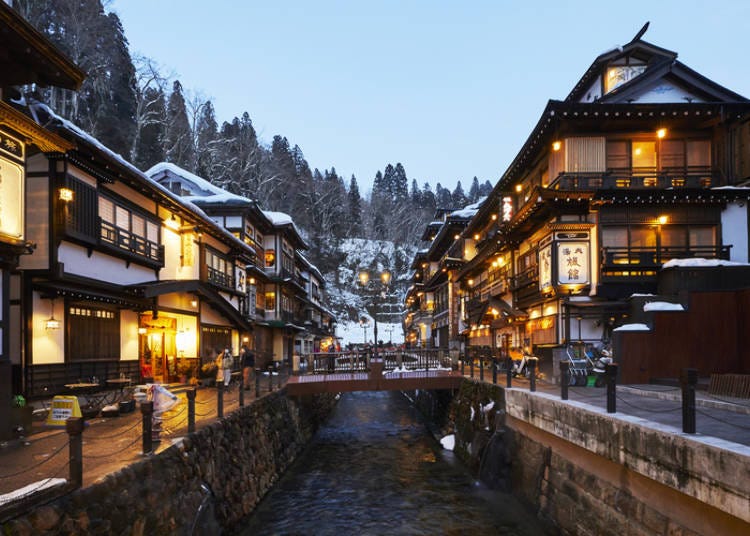
Ginzan Onsen may be the most visually striking onsen town in all of Tohoku. Thirteen inns line both banks of the narrow Ginzan River, many of them multi-story wooden buildings dating from the Taisho and early Showa periods, and at dusk, gas lamps illuminate the stone-paved streets in soft orange light. It is the kind of place that appears to exist slightly outside of ordinary time, and it draws visitors who want to do nothing more than wander slowly in a yukata or rented kimono and let the atmosphere work on them.
The resort is compact and walkable. Food while strolling (fresh tofu from a renowned local shop is a particular draw) and footbaths for resting are part of the experience. A direct bus from Yamagata Airport runs in connection with flight schedules, making it surprisingly accessible.
Spring type: Sodium chloride spring. Said to be beneficial for cuts, burns, chronic skin conditions, arteriosclerosis, neuralgia, and fatigue, among others.
Getting there: From JR Yamagata Station, approximately 40 minutes by express train on the JR Ou Main Line, then approximately 55 minutes on the Oishida Bus Ginzan Line. Direct bus service available from Yamagata Airport, timed to flight arrivals and departures.
Recommended accommodations: Notoya, Kozankaku, Clanuova, Ginzanso

8. Zao Onsen (Yamagata City, Yamagata Prefecture): Ski Slopes, Snow Monsters, and Japan's Second Most Acidic Spring
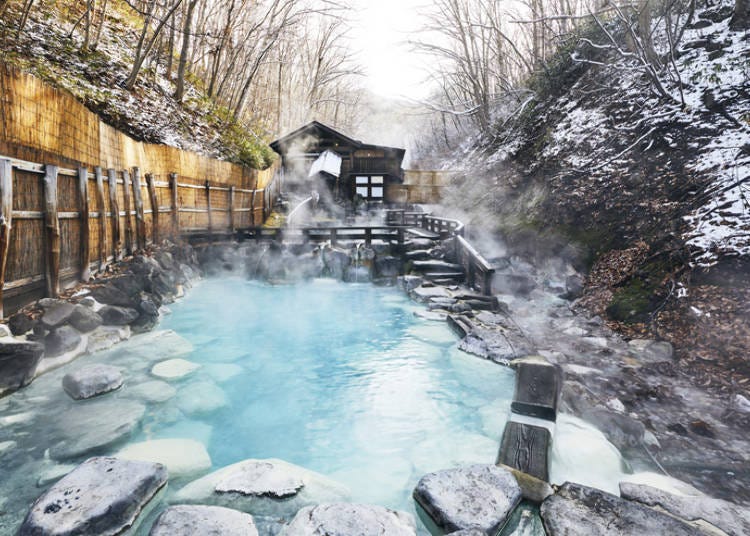
Zao Onsen is one of Yamagata's most famous resort destinations, and with good reason. It sits on the western foot of the Zao mountain range adjacent to the Zao Onsen ski resort, one of Japan's most popular winter sports venues, making it an ideal base for combining skiing or snowboarding with evenings in the bath. In winter, the resort is also famous for its "snow monster" (juhyo) trees encased in thick coatings of ice and snow formed by Zao's extreme weather conditions, a natural spectacle unique to this region.
The springs themselves are remarkable: Zao Onsen is the second most acidic hot spring in Japan (after Tamagawa Onsen in Akita), producing highly acidic sulfur water said to be particularly effective for skin conditions. Three public baths in the center of the resort make bath-hopping easy.

Spring type: Highly acidic sulfur spring. Said to be beneficial for skin conditions, diabetes, hypertension, arteriosclerosis, rheumatism, and fatigue, among others.
Getting there: From JR Yamagata Station, approximately 40 minutes by Yamako Bus. By car, approximately 20 minutes from the Yamagata-Kaminoyama Interchange on the Tohoku Expressway.
Recommended accommodations: Zao Kokusai Hotel, Takamiya HOTEL Hammond, Forest Inn SANGORO, Zao Onsen Ryokan Wakamatsuya


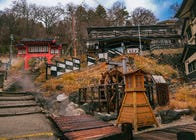
9. Aizu Higashiyama Onsen (Aizuwakamatsu City, Fukushima Prefecture): Edo-Period Toji Resort Near Tsurugajo Castle

Aizu Higashiyama Onsen is a quiet, atmospheric resort about three kilometers southeast of Tsurugajo Castle in Aizuwakamatsu City, close enough to combine with the city's considerable historical sights, yet secluded enough to feel like a retreat. It prospered as a therapeutic toji resort for the Aizu Domain during the Edo period, and the wooden inns with their red-tiled roofs carry that history visibly.
The resort attracted notable literary figures in the Meiji and Taisho eras, including poet Akiko Yosano and Taisho Romanticism painter Yumeji Takehisa. Today it's a gentle place for strolling — footbaths line the path through the resort, and a shooting gallery evoking the Showa era adds a nostalgic touch alongside the ryokan and restaurants.
Spring type: Sulfate spring. Said to be beneficial for rheumatic diseases, chronic skin conditions, wounds, arteriosclerosis, hypertension, and gynecological disorders.
Getting there: From JR Aizu-Wakamatsu Station, take the Machinaka Shuyu Bus "Haikara-San" or "Akabee" for approximately 35–40 minutes.
Recommended accommodations: Irori no Yado Ashina, Mukaitaki, Harataki, Tsuki no Akari


10. Takayu Onsen (Fukushima City, Fukushima Prefecture): High-Altitude Sulfur Springs on the Bandai-Azuma Skyline

Takayu Onsen is a high-altitude resort situated at 750 meters elevation on the Bandai-Azuma Skyline, a scenic mountain road running through the Azuma range above Fukushima City. It's a toji resort at heart, with ten facilities including public baths, and rustic inns that have changed little in character over four centuries. The sulfur content of the springs is among the highest in Japan; a slight tingling sensation on the skin is common, and the eggy sulfur aroma is immediately noticeable.
One of the best-known inns is Ryokan Tamagoyu — "Egg Springs" — whose name refers to both the sulfur scent and the spring's reputed ability to leave skin as smooth as an eggshell. In winter, the open-air baths surrounded by deep snow are a particular draw.

Spring type: Acidic, sulfur-containing aluminum-calcium spring, among Japan's highest in sulfur concentration. Said to be beneficial for skin conditions, hypertension, rheumatism, diabetes, and fatigue, among others.
Getting there: By bus, take the Fukushima Kotsu Bus bound for Takayu Onsen from the west exit of JR Fukushima Station (approximately 30 minutes). By car from the Urawa Interchange on the Tohoku Expressway from the Tokyo area, approximately 3 hours.
Recommended accommodations: Adachiya Ryokan, Ryokan Tamagoyu, Kagetsu Highland Hotel, Ryokan Hige no Ie


Tohoku's onsen resorts are as varied as the landscapes that surround them–from intimate forest retreats and seaside towns to mountain ski bases and centuries-old castle-town springs. Each has its own character, its own water, and its own reason to visit. Whether you have an afternoon or a week, the region rewards those who slow down and soak it in.
*Prices and options mentioned are subject to change.
*Unless stated otherwise, all prices include tax.
Popular Tours & Activities
Recommended places for you
-
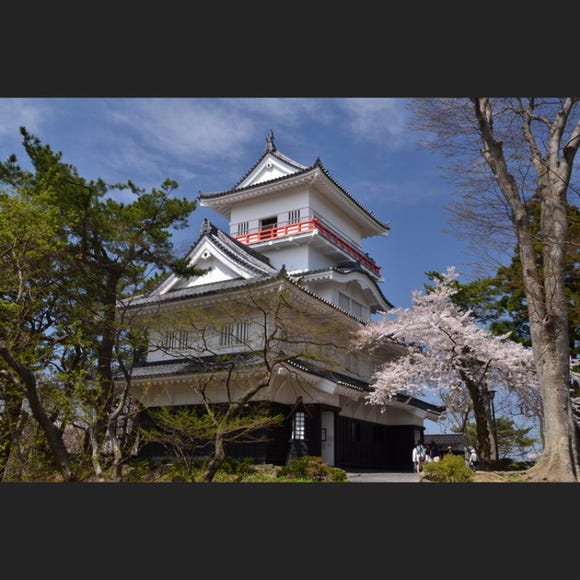
Senshu Park
Parks
Surrounding Areas Of Akita
-
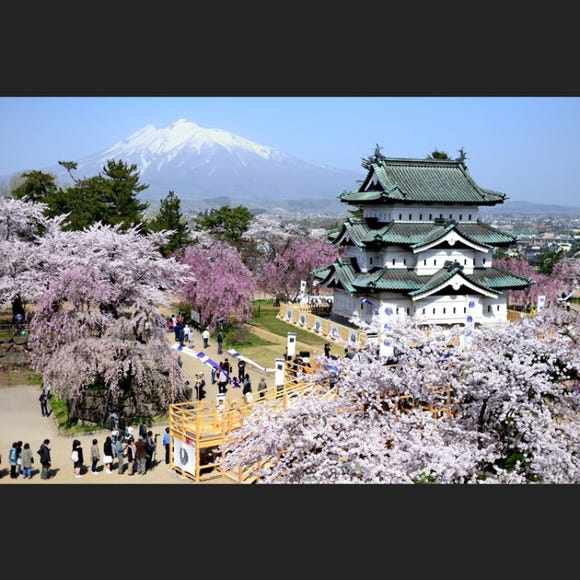
Hirosaki Park
Parks
Aomori, Hirosaki And Hachinohe
-
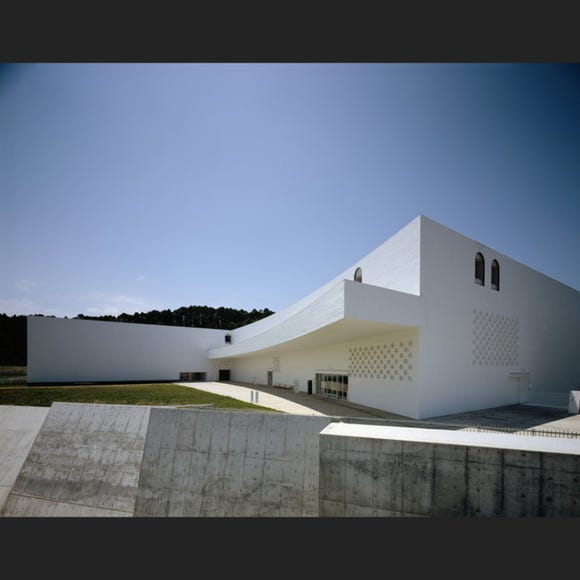
Aomori Museum of Art
Art Museums
Aomori, Hirosaki And Hachinohe
-
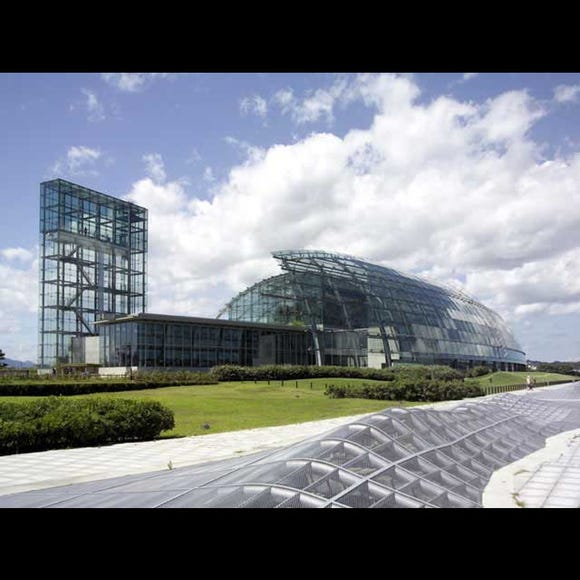
Aquamarine Fukushima
Zoos, Aquariums & Botanical Gardens
Fukushima, Koriyama And Iwaki
-
Zuiganji Temple
Temples
Sendai And Matsushima
-

Nikka Whisky Sendai Distillery
Culture Experience
Sendai And Matsushima
-

This Dreamy 'Underwater Forest' in Japan Only Appears in Spring
-
The Secret is Out!? Why Akita is Japan's Summer Hidden Gem (Before Everyone Else Finds Out)
-
Wake Up! Giant Glowing Warriors Are Taking Over Aomori: The 2026 Hirosaki Neputa Festival is Here
-
Fun Things to Do in Morioka in Summer (June/July/August): Events, Festivals & More
by: Kei Suzuki
-
This Is The Wildest Thing You Can Get In Japan This Summer
-
Fun Things to Do in Sendai in Summer (June/July/August) - Events, Festivals & More!
by: Kei Suzuki
-

10 Important Japanese Phrases to Know Before You Enter a Japanese Convenience Store
by: Teni Wada
-

Sendai Umino-Mori Aquarium: Inside Northeast Japan's Largest Aqua Attraction
-

Stay at an old samurai residence in the heart of a “Little Kyoto” warrior town
-
Aomori Winter: 8 Secluded Hotels for Onsen, Snow & Authentic Foodie Stays
by: Sae Haneda
-
10 Must-Visit Places for Autumn Leaves in Tohoku: Naruko Gorge, Geibikei Gorge & More (2025)
by: Guest Contributor
-

Celebrate Aomori's Nebuta Matsuri at Hoshino Resorts Aomoriya for a Limited Time!