


Miyagi oysters are famous for being some of the best-tasting around.
In Miyagi Prefecture, the Sanriku Coast meets the sea along one of the three largest fishing areas in the world. There, the mix of warm and cold currents provides a nurturing environment for the oysters, where they slowly feed and grow.
Because of how fresh they are, most of the Miyagi oysters harvested here are eaten raw. During the oyster season from autumn to winter, you can try these oysters at many restaurants in Matsushima.
Among these oyster restaurants is Yakigaki House, which exploded in popularity recently, with their all-you-can-eat buffet that lets you enjoy the best of Miyagi’s seafood.
What Makes Miyagi & Matsushima Oysters Famous?

According to the 2025 Statistical Yearbook of the Ministry of Agriculture, Forestry, and Fisheries (MAFF), Miyagi Prefecture ranks as Japan’s second-largest oyster producer, trailing only Hiroshima.
However, their culinary profiles differ significantly: while Hiroshima oysters are primarily cultivated for cooked dishes, Miyagi oysters are celebrated for raw consumption.
Thanks to nutrient-dense coastal currents, oysters here typically reach optimal harvest size within just one year, compared to longer maturation cycles in less fertile waters.
Miyagi features eleven designated harvesting zones—including Matsushima Bay, Kesennuma, and Ishinomaki—officially certified for raw consumption due to exceptional water purity.
Coupled with refined hanging-wire and raft farming techniques, nearly all oysters harvested in the prefecture are guaranteed safe, succulent, and fit to be enjoyed straight from the shell.
Brief History of Oyster Farming in Matsushima Bay

Commercial oyster culture in Miyagi dates back to the 1600s, when large natural beds were discovered along the cove of Nonojima Island in Matsushima Bay.
Early fishermen harvested these wild stocks and collected young oysters to seed local coves, sustaining the fishery through the late 1800s. As wild populations eventually declined, local authorities brought in experienced growers from Hiroshima to teach their methods, though the techniques failed to adapt to local waters.
The turning point arrived in 1923 with the introduction of the "drooping chain" method developed in Kanagawa Prefecture, which matched Miyagi’s tidal conditions perfectly. When deep-water ikada (floating raft) farming was introduced in the 1930s, production surged, establishing Miyagi as a major oyster hub that would later export seed oysters worldwide.
Where to Enjoy All-You-Can-Eat Oysters: Matsushima Fish Market’s Yakigaki House

Renowned as one of the "Three Great Views of Japan," Matsushima is equally famous for its coastal gastronomy. Located a 10-minute walk from JR Matsushima-Kaigan Station, the Matsushima Fish Market serves as the town's premier seafood destination, operated by a Kesennuma-based enterprise owning six bluefin tuna vessels.

Situated in a dedicated annex on the market grounds is Yakigaki House (焼がきハウス), a popular venue specializing in tabletop oyster grills.
While Matsushima’s local oyster harvest peaks from autumn through winter, Yakigaki House sources fresh oysters from certified growers across the entire prefecture, allowing visitors to enjoy all-you-can-eat feasts year-round.
A straightforward ordering system also makes the venue readily accessible to international travelers despite the Japanese-language service.
45-Minute All-You-Can-Eat Oyster Buffet Tiers & Pricing

Upon arrival, diners select from two primary buffet options at the entrance counter.
Buffet Only: 45 minutes of all-you-can-eat grilled oysters for 3,500 yen (tax included).
Buffet + Side Dishes: 45 minutes of all-you-can-eat grilled oysters, served with oyster-seasoned rice and hot oyster soup, for 4,000 yen (tax included).
The dining space is functional and purpose-built. Each table features a sunken steel plate beneath a dedicated overhead exhaust hood to clear grill smoke. Advance reservations are not accepted, and seating operates strictly on a first-come, first-served basis. Before the 45-minute timer begins, the market staff provides a quick demonstration covering grilling times, safety protocols, and proper shucking technique.
Steaming & Shucking: How the Tabletop Grill Works

The dining experience begins when staff shovel a generous mound of fresh oysters directly onto the heated steel surface and cover them with a heavy metal dome. The oysters steam inside their shells for approximately 15 minutes. Once the lid is removed, a dense cloud of briny steam fills the table. Harvested fresh on the morning of service, the oysters retain natural ocean salinity and a deep umami profile that requires no initial seasoning. Guests are provided with protective cotton gloves and specialized shucking tools to safely lever open the shells and extract the meat.
Ala Carte & Set Menus: Oyster Gratin, Rice & Seafood

Diners consume an average of 30 to 40 oysters per person during the 45-minute window, discarding spent shells into large metal bins beside each table.
Condiments such as soy sauce and ponzu are available on tables for flavor variety. For visitors who prefer a lighter meal over an unlimited buffet, Yakigaki House offers standalone value sets—such as the Matsushima Hamayaki Set for 2,100 yen—as well as à la carte seafood selections, including abalone (1,800 yen), squid (800 yen), prawns (600 yen), scallops (700 yen), and more. Pair your seafood with regional beverages like Urakasumi local sake for 1,000 yen or a non-alcoholic Matsushima Plum Cider for 400 yen. (All prices include tax.)
After Lunch, Check Out Matsushima Fish Market

Following a meal at Yakigaki House, the main two-story Matsushima Fish Market offers extensive shopping and casual dining. The facility carries more than 1,500 seafood products and live fish sourced from across Japan.
On the second floor, a casual food court serves freshly sliced tuna rice bowls and nigiri sushi until 3 PM. The ground floor retail area features signature products from the Sanriku coast, including Kinka mackerel, Sanriku wakame seaweed, Sendai sasakamaboko (grilled fish cakes), canned seafood specialties, and packaged steamed soft oysters suitable for travel.
Peak Season & Essential Travel Tips for Visitors

The prime season for Matsushima oysters runs from October through March, when restaurants across town introduce limited winter oyster rice bowls and fresh raw platters. Often referred to as "the milk of the sea" for their rich, creamy profile, local raw oysters are traditionally served with a light squeeze of lemon, which cuts through the mineral salinity and balances the meat's natural richness.
-
Matsushima Sakana Ichiba Yakigaki House松島さかな市場 焼がきハウス
-
Address
Fugendo-4-10 Matsushima, Miyagi District, Miyagi 981-0213
View Map -
Nearest Station
10-minute walk from JR Matsushima-Kaigan Station (JR Senseki Line)
- Phone Number 022-353-2318
・Dining Hours: Weekdays 10 AM – 3 PM (Last Order 2:30 PM); Weekends & Holidays 9 AM – 3 PM (Last Order 2:30 PM)
・Closed: Open daily year-round -
Address
Fugendo-4-10 Matsushima, Miyagi District, Miyagi 981-0213
Text by: SHOE PRESs
-


-
Address
98-1 Matsushima, Matsushima Town, Miyagi Prefecture, 981-0213
View Map -
Nearest Station
Matsushima Station (Tohoku Main Line)
15 minutes on foot
- Phone Number 022-354-2618
-
Address
98-1 Matsushima, Matsushima Town, Miyagi Prefecture, 981-0213
- Area
- Category
*Prices and options mentioned are subject to change.
*Unless stated otherwise, all prices include tax.
Popular Tours & Activities
Recommended places for you
-

Lake Tazawa
Rivers, Lakes & Canyons
Surrounding Areas Of Akita
-

Nikka Whisky Sendai Distillery
Culture Experience
Sendai And Matsushima
-
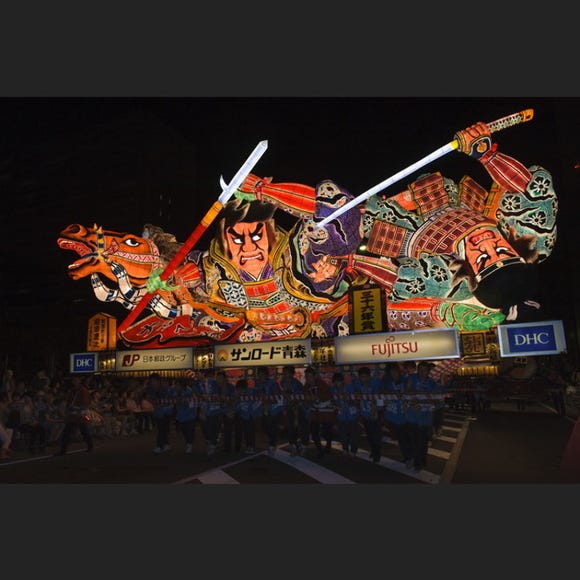
Aomori Nebuta Festival
Japanese Festivals (Matsuri)
Aomori, Hirosaki And Hachinohe
-
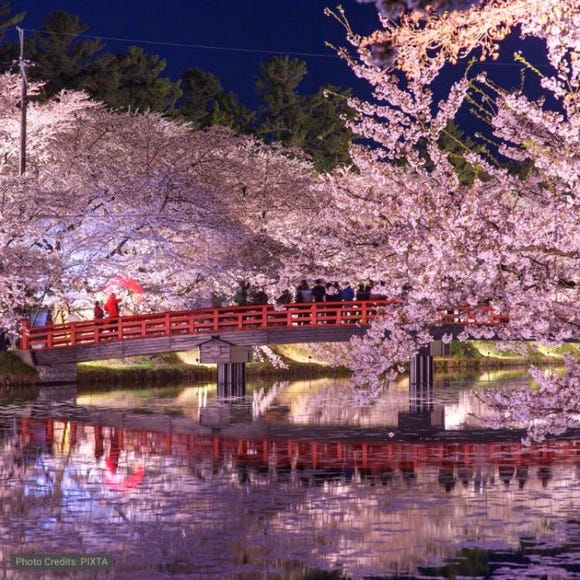
Hirosaki Park
Parks
Aomori, Hirosaki And Hachinohe
-
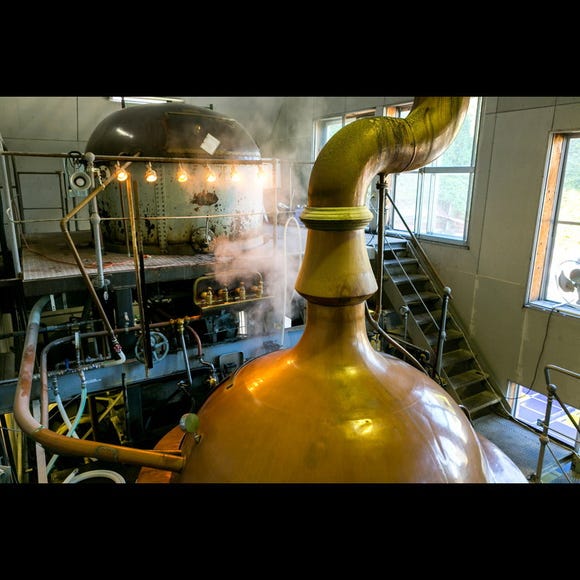
Baeren Brewery Co., Ltd.
Other Sightseeing
Morioka, Hiraizumi And Hachimantai
-
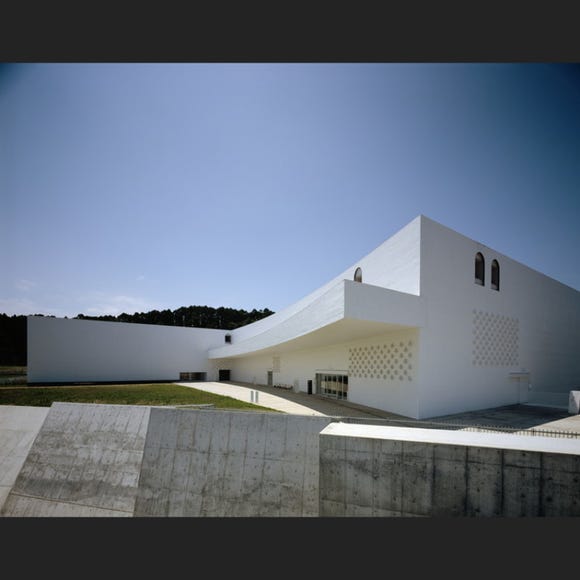
Aomori Museum of Art
Art Museums
Aomori, Hirosaki And Hachinohe
-

Hotel Mazarium: Stay In the Heart of Morioka at This Atmospheric Hotel
by: Timothy Sullivan
-
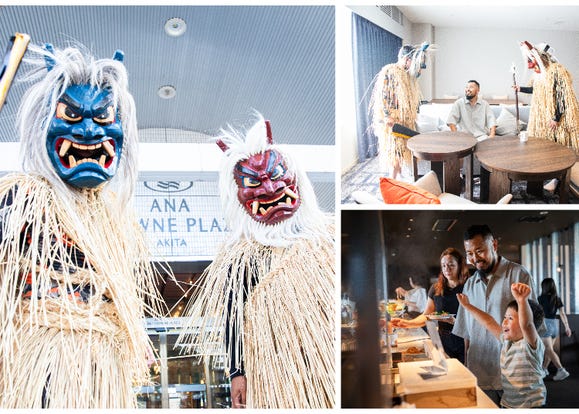
This Akita Hotel Brings a Legendary Japanese Folklore Tradition to Your Room
by: Guest Contributor
-
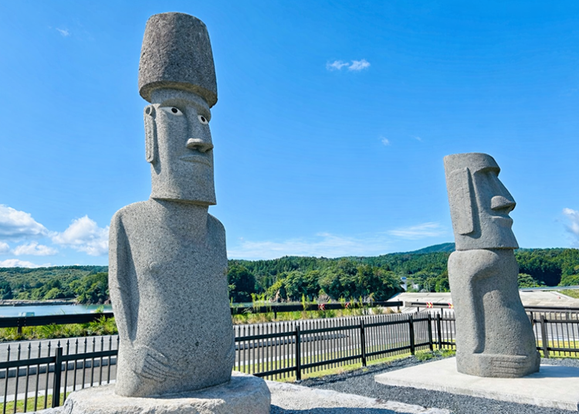
Why Is There a Giant Moai Statue in Japan? A Powerful Story Awaits in Minamisanriku
by: Timothy Sullivan
-
Tohoku's Best Value Onsen Ryokan: 10 Hidden Hot Spring Gems from Sendai to Aomori and Niigata
-

Top-Booked: Must-Try Sendai Gyutan & Yakiniku in Sendai for First-Time Visitors
by: Guest Contributor
-
Sendai & Miyagi: 10 Recommended Apartment Hotels Perfect for Road Trips and Local Experiences
-

Akita Bucket List: 20 Best Things to Do in Akita Prefecture For Tourists (Attractions, Local Foods & Activities)
-

These 5 Sado Island Restaurants Will Rock Your Vacation
-

Design Your Dream Seafood Bowl at Miyagi's Famous Shiogama Market
by: Guest Contributor
-

Tsurukameya Shokudo: Try These Maguro-don Tuna Bowls Once & You'll Never Forget!
-

Tokyo Railway & Subway Map: Navigate the City Like a Pro (JR, Subways, IC Cards & Passes)
-

10 Must-Visit Places for Autumn Leaves in Tohoku: Naruko Gorge, Geibikei Gorge & More (2026)
by: Guest Contributor