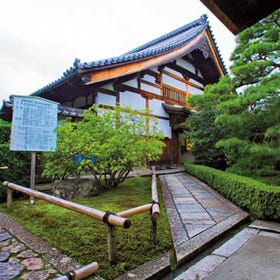
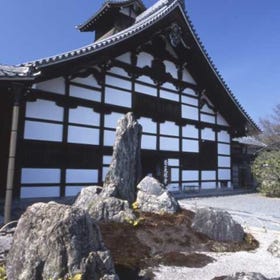
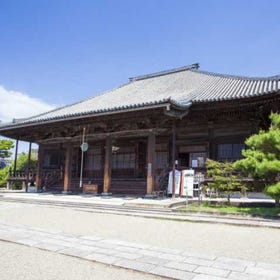
The abbot’s chambers are surrounded by four gardens
This Buddhist school was established by the Chinese monk Jianzhen
A temple that has long protected Arima Onsen
A majestic temple and garden with beautiful Arashiyama in the background
Famous for its early blossoming cherry trees, which signify the coming of spring
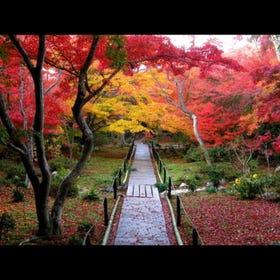
The scattered fallen leaves in autumn are beautiful
One of the last temples to prohibit entry to women
Quietly praying to the rakan statues on the hillsides
This large temple complex boasts a magnificent ancient hall
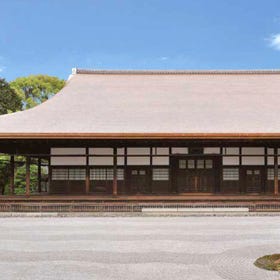
Twin Dragons created during the Heisei period watch over Kyoto’s oldest Zen temple
The object of worship here is Amida Nyorai and the statue of Prince Shotoku in the main hall is an important cultural property
Established by Emperor Shirakawa during the Heian Period, the temple's name derives from the ingo (posthumous Buddhist name) of Yoshiakira Ashikaga, the second shogun of the Muromachi bakufu (Japanese feudal government headed by a shogun). While exploring the precinct, you'll find the graves of Yoshiakira and Masatsura Kusunoki, the busho (military commander) of Nancho (Southern Court) located next to each other. Masatsura was much respected by Yoshiakira even though he was an enemy general. During autumn, the maple leaves turn a striking red (visitors are not allowed to bring in a tripod stand or a unipod).
Legend has it that the temple buildings were built by Emperor Shomu. In addition to the exquisite Kamakura-Period-style Romon Gate (National Treasure) facing the old road, there is a Kamakura-Period-style thirteen-story pagoda (Important Cultural Property) towering at the center of the temple grounds. The temple is also famous for its cosmos flowers.
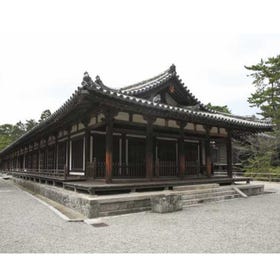
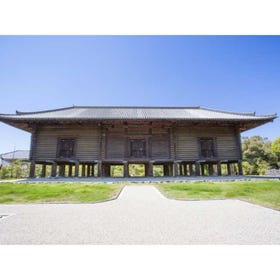
A vault of many national cultural artifacts from the Nara period
Japan's oldest convent was a gift from Prince Shotoku to his mother
Nara’s Great Buddha is seated here
A three-tiered pagoda and world heritage site, 1200 years old
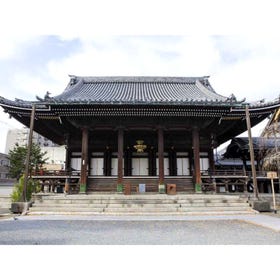
The head temple of the Shinshu Otani sect of Buddhism is located within walking distance from Kyoto Station. The local residents refer to it affectionately as ”Ohigashi-san.”
An inn within the temple complex
With ancient living and meditation quarters