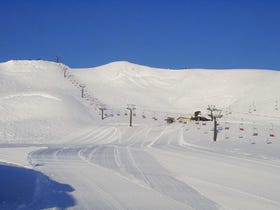
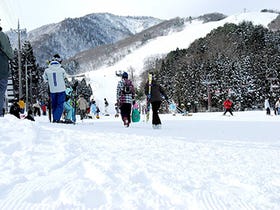
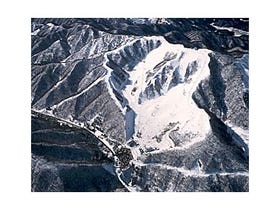
The summit has a very wide open space that will get you addicted once you experience it. There is also a refreshing wooded run. The ticket covers Sky Valley as well.
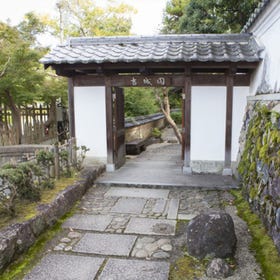
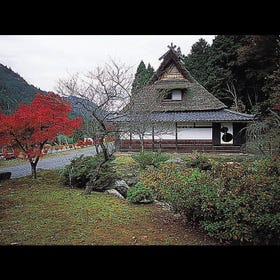
View three gardens, each with its own unique charm
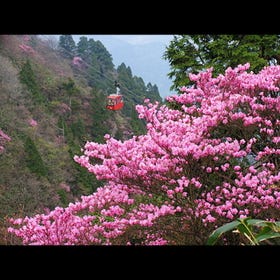
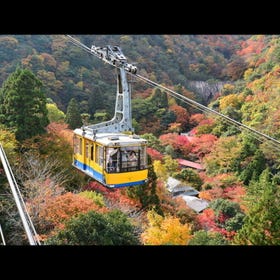
This ropeway connects Yunoyama Onsen with Mt. Gozaisho, located 1,212 meters above sea level. From the window you can see the townscape of Yunoyama Onsen and Yokkaichi, as well as Ise Bay, and the natural scenery surrounding Mt. Gozaisho transforms every season: azaleas in spring, red dragonflies in summer, colored leaves in autumn (from mid-October to late November), and beautiful frost-covered trees in winter.
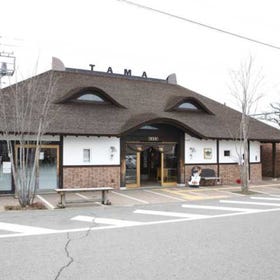
Meet the two famous cats that manage the station
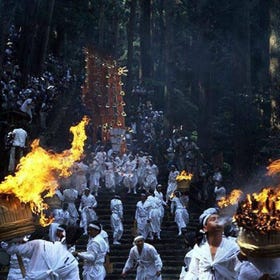
A festival of fire unfolds at Nachi Falls
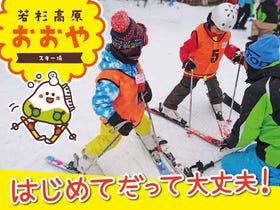
Family piste, great for kids!
Outstanding access!! Easy approach from Kansai and Nagoya areas! Enjoy powder snow until your heart's content.
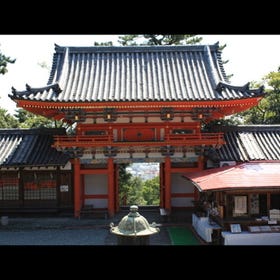
Legend has it that the temple buildings were built by Emperor Shomu. In addition to the exquisite Kamakura-Period-style Romon Gate (National Treasure) facing the old road, there is a Kamakura-Period-style thirteen-story pagoda (Important Cultural Property) towering at the center of the temple grounds. The temple is also famous for its cosmos flowers.
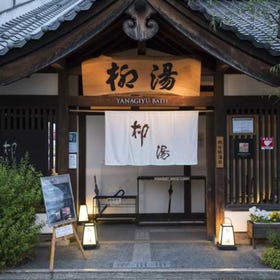
A bathhouse exuding old-fashioned charm
Artworks that blend in well with traditional Japanese houses are displayed
The Rokko Arima Ropeway takes about 12 minutes to travel between Rokko Sancho Station, where Rokko Garden Terrace provides a sweeping vista of urban Kobe and Osaka Bay, and Arima Onsen Station, where clouds of white steam drift upward from one of Japan's three most famous hot springs. While gliding through sky, you can savor the superb view of the majestic nature of Mt. Rokko with scenery that changes with the seasons. What's more, there are attractions dotted across the mountain to enjoy at your leisure such as the Rokko Alpine Botanical Gardens and Rokkosan Country House. After unwinding in an onsen, take the ropeway back to Mt. Rokko.
Built in the Gongen-zukuri style, this shrine was founded by the lord of the Kishu domain, Yorinobu Tokugawa, in 1621 to enshrine his father Ieyasu. Similar to Nikko Tosho-gu Shrine, the magnificent shrine pavilion is surrounded by sculptures by Jingoro Hidari and wall paintings by Tanyu Kano. Seven shrine structures including the Haiden, the Honden, and the vermillion Romon Gate, are designated as national Important Cultural Properties. At the shrine, Mikoshitogyo, which is one of the great festivals called Wakamatsuri, takes place where men carry mikoshi (portable shrine carried in festivals) and courageously descend 108 steps, followed by a parade of 1,000 people.
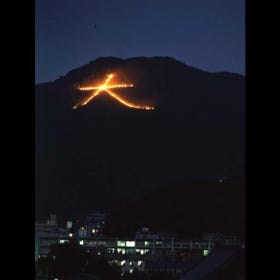
A Fire Festival that Marks the End of Summer
For absolute beginners there's an 'easy belt' lift and 'easy lessons' A family ski resort with close access from the city and car park next to the slopes.
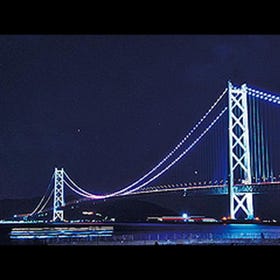
This is a park that was built by reconstructing and maintaining a scenic spot called Maiko Beach. Stretching about 800 meters along the coast, the beach is the best location to view the illumination of the Akashi-Kaikyo Bridge. It's a great spot for spending a romantic moment with the gentle sound of the surf as the backdrop. Pets are not allowed in the beach area.
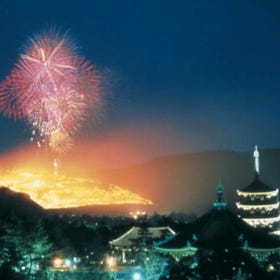
Enjoy an ancient Nara ritual at the summit. The Wakakusa Yamayaki Festival is held every January
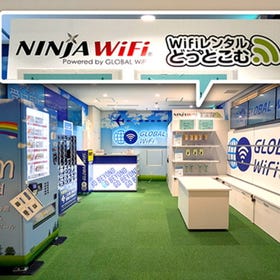
Pick up your items at the airport counter upon arrival in Japan.
Famous for ”The Scrolls of Frolicking Animals and Humans”
A tea ceremony sanctuary that started as a gathering of artists
Mausoleum architecture representative of the early Edo period