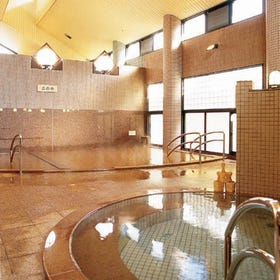
Kansai's most famous dark-colored hot springs. The golden hot spring water is rich in sodium and iron
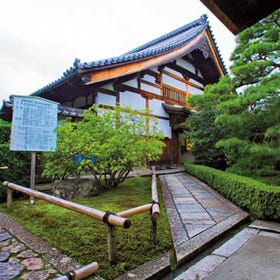
The abbot’s chambers are surrounded by four gardens
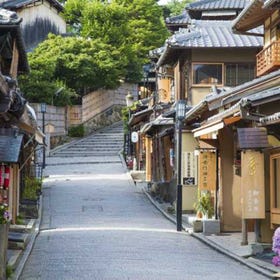
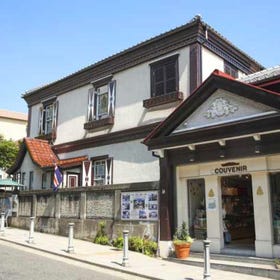
A stone paved street where shops of long standing are lined up, full of Kyoto atmosphere
An introduction to the history of Hyogo from all angles
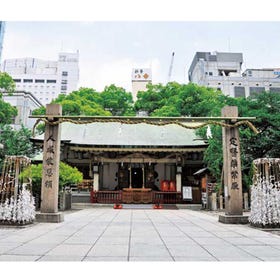
A shrine for a popular matchmaking deity and associated with the puppet play “Sonezaki Shinju”
The animal taxidermy will surprise you
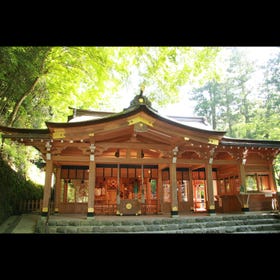
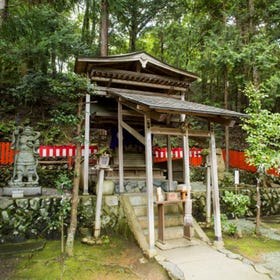
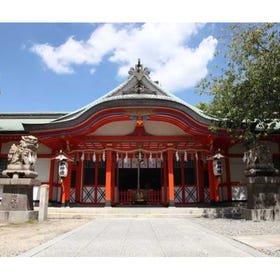
A guardian deity of water with miraculous virtue worshipped since ancient times. The shrine has been worshipped for better luck marriage by countless people through the ages, including nobles.
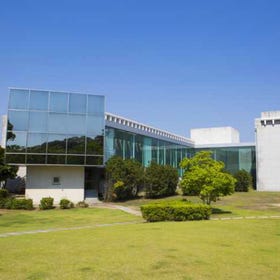
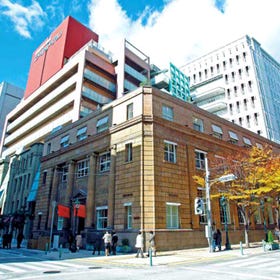
The modern architecture leaves a bold impression
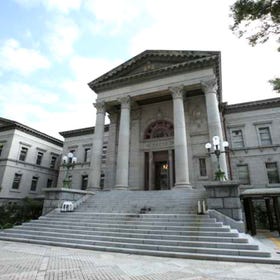
Become intimate with literature in this famous building
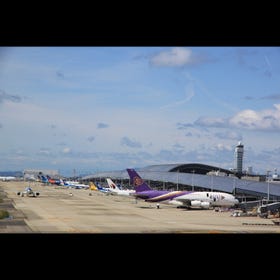
Kansai International Airport: the gateway to the skies of Kansai
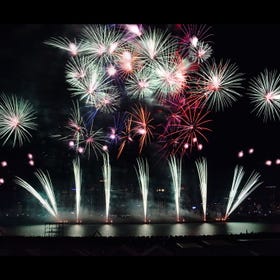
An entertaining fireworks show created by people who love the city of Osaka and worthy of being called a ”Naniwa Summer Tradition.”
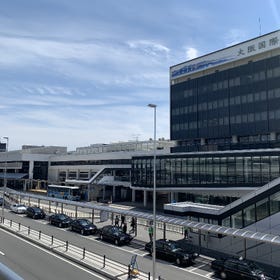
As an urban-type airport with friendliness and energy, we utilize convenience to create an airport experience filled with value.
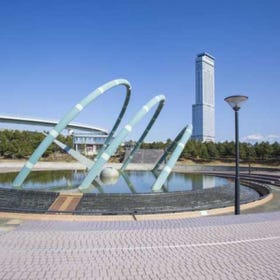
Enjoy both city and nature with the ocean breeze
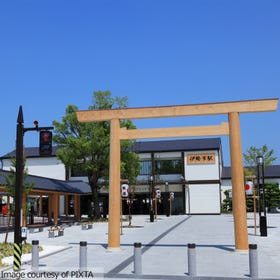
Your journey begins at this convenient and reliable access station. Travel to Ise Shrine, a sacred site in Japan.
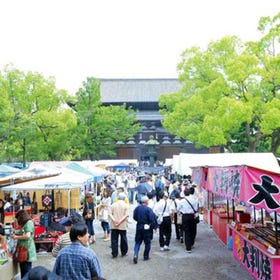
This market is completely packed with over 100,000 visitors
For people seeking beautiful hair
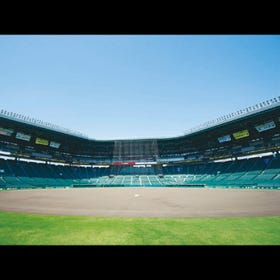
Since it was established on August 1, 1924 to host the national high school baseball tournament, Koshien has been a mecca for baseball lovers for over 90 years. The Koshien Liner Vision is set under the huge roof called Ginsan. There, you can enjoy the original gourmet food and a collaboration menu with players.
Feel the Summer Atmosphere in Kyoto as it Reverberates with the Sound of Japanese Instruments
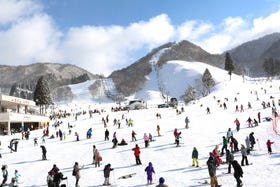
The large scale ski area! High quality snow and the rich variation of trails are amongst the many attractions.
This shrine is mentioned in the ancient book Nihongi