




For travelers visiting Japan, Koyasan in Wakayama Prefecture is one of the country’s most meaningful spiritual destinations. With more than 1,200 years of history, this mountaintop Buddhist sanctuary is often considered a once-in-a-lifetime place to experience Japan’s religious culture and serene natural beauty.
Beginning April 24, 2026, getting around this sacred site will become quieter, cleaner, and more comfortable. Nankai Rinkan Bus will introduce Wakayama Prefecture’s first large-scale electric route bus. More than simply a new mode of transportation, the bus is designed to extend the refined travel experience of the new sightseeing train GRAN TENKU throughout Koyasan itself.
In this article, we’ll introduce this new travel experience and explore the deep cultural appeal of Koyasan for both first-time visitors and returning travelers.
- Table of Contents
-
- Why Koyasan Is Introducing Electric Buses (A First for Wakayama)
- From Train to Bus: Extending the World of GRAN TENKU
- History and Culture of Koyasan: 1,200 Years of Spiritual Tradition
- Nearby Places to Explore Around Koyasan
- Helpful Information for International Travelers
- A New Way to Experience a Timeless Sacred Site
Why Koyasan Is Introducing Electric Buses (A First for Wakayama)
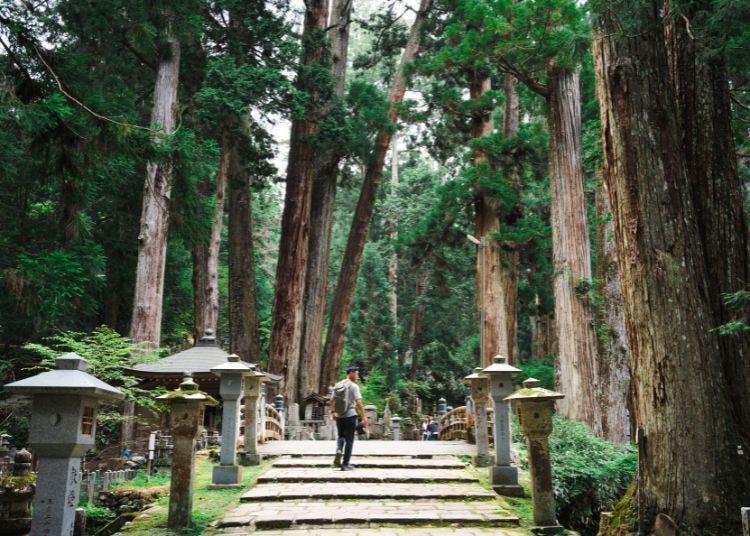
Koyasan sits at an elevation of about 800 meters, forming a unique Buddhist town high in the mountains. Visitors quickly notice the peaceful environment: centuries-old cedar trees, quiet temple grounds, and crisp mountain air.
Protecting a Sacred Site Under the “Nankai Group Environmental Vision 2030”
The Nankai Group has committed to reducing greenhouse gas emissions as part of its Environmental Vision 2030 initiative.
The newly introduced electric buses produce zero CO₂ emissions while operating and generate far less noise and vibration than traditional vehicles.
At a place like Koyasan, where the atmosphere of quiet reflection is essential, reducing engine noise helps preserve the calm environment for both visitors and nature.
A Transportation Experience That Preserves Koyasan’s Silence
One of Koyasan’s most distinctive qualities is its tranquility. With electric buses, the journey itself becomes more peaceful. Traveling toward sites such as Okunoin, visitors can appreciate the sounds of wind through the cedar trees or birds in the forest while moving quietly through the landscape.
From Train to Bus: Extending the World of GRAN TENKU
On April 24, 2026, Nankai Electric Railway will begin operating its new sightseeing train GRAN TENKU. To create a seamless travel experience, the electric buses operating within Koyasan will feature the same design concept.
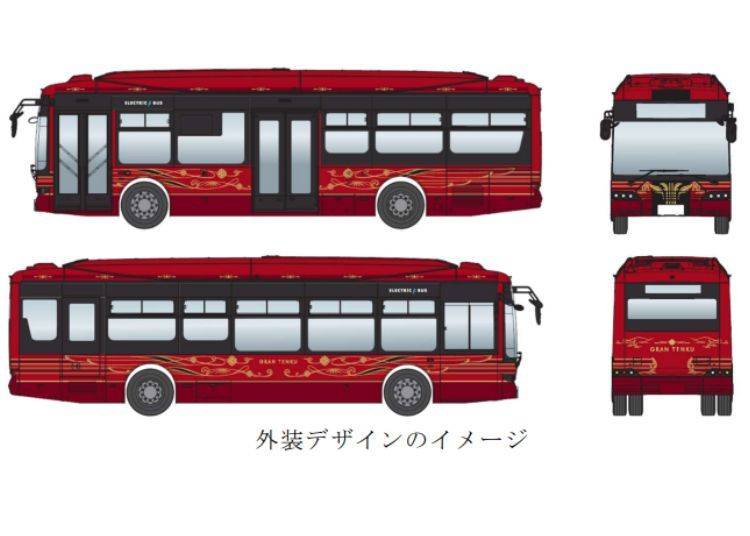
The exterior design uses deep green tones inspired by the forests surrounding Koyasan, paired with elegant colors that reflect the solemn atmosphere of its historic temples. Inside, the buses echo the same design philosophy as the train: a calm interior space combined with thoughtful hospitality for passengers.
Traditionally, buses were simply a way to reach your destination. These new vehicles aim to make the ride itself part of the experience. Large windows offer panoramic views of Koyasan’s seasonal scenery, from lush summer forests to snow-covered temple grounds in winter.
History and Culture of Koyasan: 1,200 Years of Spiritual Tradition
For first-time visitors, understanding Koyasan’s history helps explain why it remains such a special place.
Koyasan was established in the early Heian period by the Buddhist monk Kukai, also known as Kobo Daishi. It remains the headquarters of Shingon Buddhism, and today 117 temples are spread throughout the mountain basin, forming one of Japan’s most important religious centers.
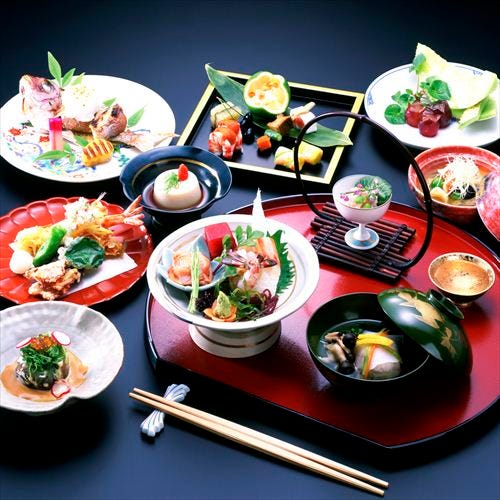
Many temples in Koyasan offer overnight stays known as shukubo (temple lodging). Guests can enjoy shojin ryori, traditional Buddhist vegetarian cuisine, and participate in early-morning gongyo prayers. These experiences allow visitors to slow down, reflect, and experience daily life within a working temple community.
Nearby Places to Explore Around Koyasan
When visiting Koyasan, it’s well worth exploring nearby destinations in Wakayama as well.
Kudoyama: The Exile Site of Sanada Yukimura
Located at the foot of Koyasan, the town of Kudoyama is known as the place where the famous samurai Sanada Yukimura lived in exile during the Sengoku period. The town is also famous for its high-quality persimmons, making it a pleasant stop for local food and history.
Jisonin Temple: Nyonin Koya
This is the temple where Kukai's mother is said to have stayed during the time when Mount Koya was closed to women. Many women visit to pray for children, safe childbirth, and recovery from breast cancer.
-
Jisonin慈尊院
- Address 832 Jison-in, Kudoyama-cho, Ito-gun, Wakayama 648-0151, Japan
-
Nearest Station
On Foot:A 20-minute walk from Kudoyama Station (Nankai Koya Line).
By Bus:Special shuttle buses are available from Hashimoto and Myoji Stations.
- Phone Number 0736-54-2214
Helpful Information for International Travelers
Koyasan has long welcomed visitors from around the world, and the travel infrastructure is designed to be easy for international guests.
English signage is widely available at major sites and bus stops throughout Koyasan. Tourist information centers also provide multilingual maps. The new electric buses will include multilingual passenger information displays, helping visitors navigate the area easily.
Service Start Date
April 24, 2026 (planned)
Operating Area
Routes managed by the Nankai Rinkan Bus Koyasan Office
Routes
Koyasan Inner Line and Uguisudani Line. (The Uguisudani Line is scheduled to merge with the Inner Line on March 28, 2026.)
Payment Methods
Cashless payment available, including transportation IC cards.
A New Way to Experience a Timeless Sacred Site
Koyasan’s long history reflects a balance between preserving tradition while adapting to change. The introduction of electric buses alongside the new GRAN TENKU sightseeing train represents a modern form of hospitality for visitors.
Traveling quietly through the mountain on an emission-free bus helps protect the natural environment that Kukai cherished, ensuring that the spiritual landscape of Koyasan can be experienced by future generations.
Source/Main Image:南海りんかんバス株式会社
Photo Credit: Wakayama Tourism Federation
- Area
- Category
*Prices and options mentioned are subject to change.
*Unless stated otherwise, all prices include tax.

Popular Tours & Activitiess
Recommended places for you
-
ISHIDAYA Hanare
Yakiniku
Kobe, Sannomiya, Kitano
-
Yodobashi Camera Multimedia Umeda Store
Shopping Malls
Umeda, Osaka Station, Kitashinchi
-

Kanzenkoshitsuyakinikutabehodai Gyugyu Paradise Sannomiya
Yakiniku
Kobe, Sannomiya, Kitano
-
Goods
Yoshida Gennojo-Roho Kyoto Buddhist Altars
Gift Shops
Nijo Castle, Kyoto Imperial Palace
-
Kambei Sannomiyahonten
Yakiniku
Kobe, Sannomiya, Kitano
-

Jukuseiniku-to Namamottsuarera Nikubaru Italian Nikutaria Sannomiya
Izakaya
Kobe, Sannomiya, Kitano
-
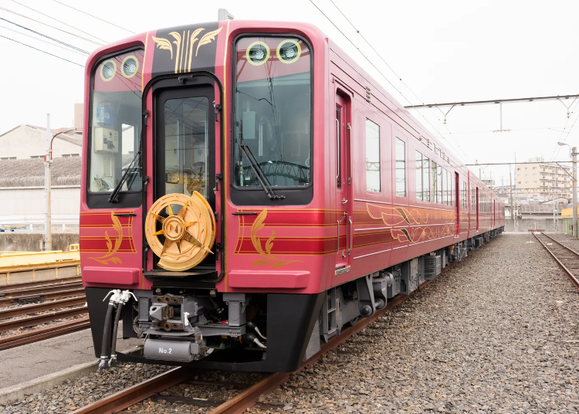
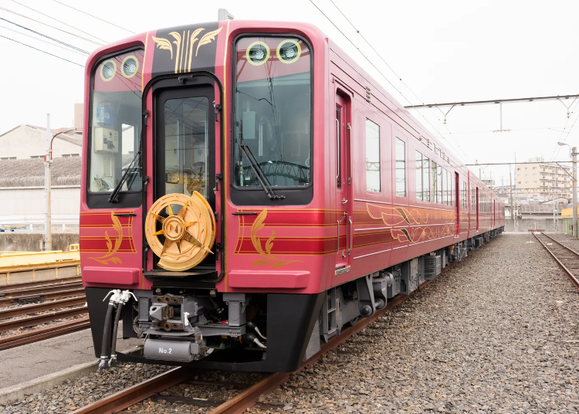
New Way to Reach Koyasan! Ride Nankai's Luxury 'GRAN Tenku' Train for a Scenic Journey
by: Guest Contributor
-
Ad
Prepare Japanese Food at a Factory in Kyoto and Sapporo, and Become the Star of the Show
-
[2026] Don Quijote Opens New Store on Shijo-dori, Kyoto! Experience Exclusive "Fruit Skewers" at Kansai's First Inbound-Focused Store
-
Ad

Meet Osaka's Fluffiest Locals: Relax With Samoyeds at Cafe moffu in Shinsaibashi!
-
This Spring, Enjoy Magical Night Sakura Reflections Along Nara's Uda River (Local Hidden Gem!)
-

One of Western Japan's Largest Character Hubs Is Coming to Osaka Station in 2026
by: Guest Contributor
-
Ad
Visiting Kyoto on a Weekend or Holiday? Smoothly Visit Kyoto’s Kiyomizu-dera & Ginkaku-ji Temples on the New Sightseeing Limited Express Bus
-
Ad
Traveling from Osaka to Beppu? Enjoy a Comfortable, Relaxing Ferry Journey
-
Japan's Bath Culture: Tips You Should Know!
-
3 Best Izakaya In Osaka Where You Can Enjoy Drinks and Local Dishes, Recommended by Locals
-
New Way to Reach Koyasan! Ride Nankai's Luxury 'GRAN Tenku' Train for a Scenic Journey
by: Guest Contributor
-
10 Best Hotels Near Kyoto Station: Budget-friendly, Perfect for Kyoto Sightseeing
- #best gourmet Osaka
- #things to do Osaka
- #what to do in kyoto
- #what to bring to japan
- #best gourmet Kyoto
- #new years in Osaka
- #what to buy in nanba
- #Visiting Osaka
- #onsen tattoo friendly arima
- #daiso
- #Visiting Kyoto
- #best japanese soft drinks
- #japanese fashion culture
- #japanese convenience store snacks
- #japanese nail trends