



'Ha - That's Really a Thing?!' 5 Hilarious Osaka Cultural Quirks that Shocked Foreigners in Japan!
- Written by: WESTPLAN
More and more overseas visitors from Asia, Europe, the Americas, and Africa have been setting foot into the Kansai area in recent years, and it's really no wonder. The region is known for its cheap but delicious local food, historical shrines and temples, and rustic rural villages that are only a stone's throw away from city centers. The appeal of having plenty of tourist hotspots easily accessible from one central hub is doubtlessly a major reason behind Osaka's recent popularity surge.
For all of Kansai's charms, however, the region has its share of quirky habits as well, and many foreign friends have been hit with a bit of culture shock by some of them! What are some things that surprised foreign residents staying in Osaka, and why? We find out!
(*The following information contains personal opinions collected from a survey of willing participants.)
Am I being scolded...?! Shocked by the unique Osaka intonation!
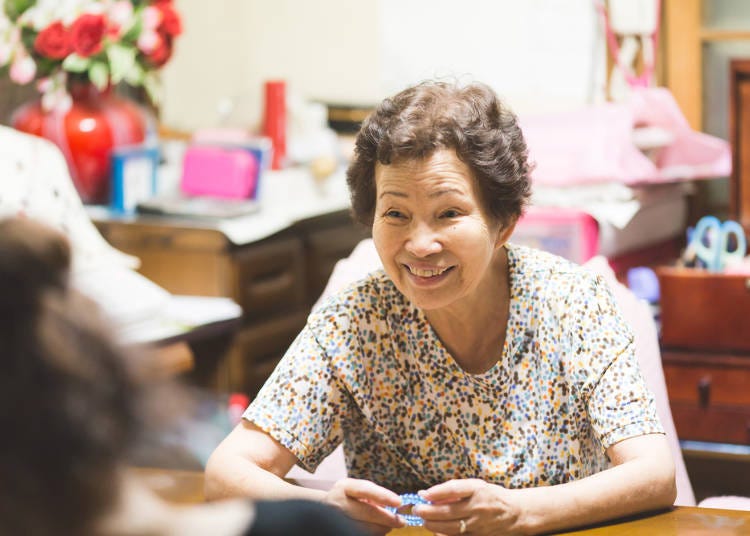
Different regions of Japan often have what is known as a local dialect, which is a localized and characteristic way of Japanese speech. The Kansai dialect, known locally as Kansai-ben, can be said to possess one of the most distinct and recognizable intonations among all of Japan’s regional dialects.
Compared to the standard Japanese used in Tokyo and the Kanto region, which has fewer inflections and emphasizes smooth, fluid speech, Kansai-ben is known for being more rhythmic and having tighter-sounding inflections.
Since standard Japanese is what is taught in Japanese schools today, one Indonesian man who began living in Kansai admitted with a laugh that when he first heard people speaking Kansai-ben, he thought they were scolding him. That must have been quite a shock indeed. “When a Kansai lady says things like, ‘Can you do this?!’ or ‘Hurry up and do it!’ in rapid-fire Kansai-ben, it can sound really scary to someone who’s never heard the dialect before. After I found out this was just the unique way people spoke in the Kansai region, it was a huge weight off my shoulders, that’s for sure!”
So if someone comes at you with what sounds like a strong or forceful tone of voice in Kansai, it does not necessarily mean they are angry with you. In many cases, they may even be trying to crack a friendly joke to put you at ease, so there is no need to worry. Just communicate with them as you normally would.
Shocking role reversal between humans and animals!

Arashiyama’s Monkey Park Iwatayama is one of Kyoto’s foremost tourist hotspots. Along the 20-minute hiking route, you can see about 120 wild Japanese macaques, also known as snow monkeys, hanging out at their usual resting places. It is an excellent way to enjoy the seasonal scenery of Arashiyama while getting close to the region’s lovable wildlife.
An Indian man who visited Monkey Park Iwatayama shared his culture shock, saying, “Humans had to enter into a cage in order to see the monkeys…”
Here is the reason. At Arashiyama’s Monkey Park Iwatayama, for the safety of both humans and monkeys, visitors who want to feed the monkeys must do so from inside a protective cage.
“Because we have so many wild animals in India, many don’t feel anything in particular for them,” the man adds. That is why he found it hard to believe that people in Japan would willingly cage themselves just to come into contact with wild monkeys. Although this setup is mainly a safety measure, it is easy to understand why many foreign visitors react with surprise and think, “That’s a thing?”
Shocked when walking with her own child...?!

Here is an observation from a Thai woman married to a Japanese man. At the time, she was quite slim and wore her hair short. One day, she took her child out for a walk at a local park. She had not put on much makeup, which made her look rather boyish.
A local Osaka woman noticed her walking with the child, patted her on the shoulder, and asked, “You’re not kidnapping this child, are you?”
The Osaka woman had mistaken her for a young man and genuinely thought “he” might be kidnapping the child.
“I corrected her in a fluster and told her I’m a woman, and this is my child!” the Thai woman recalls with a laugh. “This is one of the idiosyncrasies of people in Osaka. They are friendly and not afraid to approach strangers. No one has ever spoken to me like this in Tokyo before.”
After the situation was explained, the Osaka woman smiled and went on her way. This slightly forceful way of speaking can sometimes cause small misunderstandings, but it also shows how closely locals keep an eye on what is happening around them.
As a result, neighborhoods feel safer and more connected, with a warm sense of human presence. If you stay in Kansai, be prepared to build strong relationships with the kind and lively people around you. It may take a little more effort at times, but all things considered, it is not a bad thing at all.
Shocked that Osaka's streets are so clean...until they're not!
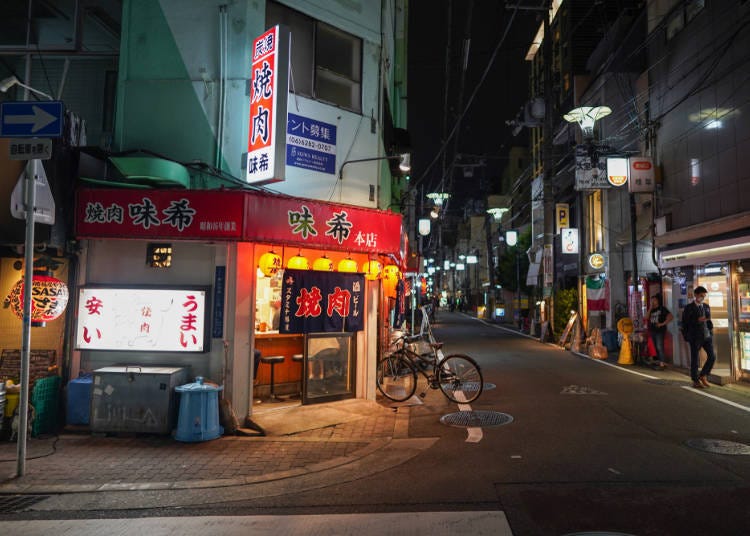
Many foreigners have the impression of Japan as a spotless country where litter is nowhere to be found, and you may feel the same way. In large cities like Tokyo, especially in central areas, this image is largely accurate. The streets are carefully maintained, giving the city a sleek, cosmopolitan feel.
According to an Indonesian man, however, he was shocked to see litter scattered along the streets of Osaka. In major tourist areas such as Dōtonbori or Shinsekai, where many street stalls sell food, some visitors simply toss their trash aside as they move on to their next stop.
Places like Shinsaibashi and America Village, both popular hangout spots for young people, are packed with busy shops lining narrow alleyways. Here and there, you might also notice bits of graffiti peeking out. Altogether, this can feel far removed from the “super clean country” image of Japan that many people carry with them.
That said, a lively and bustling atmosphere is also one of Osaka’s defining traits. Sit back and let the city’s slightly rough-around-the-edges vibe lead you into new experiences. Embracing this attitude can add a whole new dimension to your Osaka trip.
Shocked by Osaka's local food despite the great taste!
Takoyaki (octopus balls) and okonomiyaki (Japanese pancakes) are usually what come to mind when foreigners think of Osaka’s food scene. If you walk through the city, you will indeed see many international visitors happily enjoying takoyaki or okonomiyaki along the streets. Even so, an Indonesian man remarked, “I wish they had something more spicy as well.”
Southeast Asian cuisine, including food from Indonesia, relies heavily on spicy seasonings such as chili peppers. When it comes to adding heat to dishes like takoyaki or okonomiyaki, however, the spiciest option you are likely to find is pickled ginger. For someone raised on spice-rich Southeast Asian food, this is often not nearly enough.
“That’s why I always carry my own chili pepper,” the Indonesian man continues. “It’s not just in Osaka. Even when I go to an Indonesian restaurant in Japan, the food there isn’t spicy at all. When my relatives or friends visit me here, I always tell them to bring their own spices, just in case. If you grew up in Southeast Asia like me, you’d definitely understand why.”
Living in Japan for a long time can sometimes make people nostalgic for the flavors they grew up with. Bringing along familiar seasonings on a trip to Japan can therefore be just as valid a way to enjoy Japanese food as any other.
As you can see, Kansai is a region with strong mannerisms that may come across as overly forceful to those unfamiliar with them. At the heart of it, however, much of this behavior is rooted in a friendly and open nature. Befriend someone from Kansai, and you may well have a friend for life.
This unique and charming Kansai culture is best experienced firsthand, whether during a short visit or a longer stay. Be sure to include a Kansai town in your itinerary on your next trip to Japan.

Kiko Matsuda, Keiko Kimura, Risa Tsushi, and a team of female writers familiar with Kansai. We love eating, drinking and traveling! We share fun information based on our experiences.
- Area
- Category
*Prices and options mentioned are subject to change.
*Unless stated otherwise, all prices include tax.

Popular Tours & Activitiess
Recommended places for you
-
Kambei Sannomiyahonten
Yakiniku
Kobe, Sannomiya, Kitano
-
Goods
Yoshida Gennojo-Roho Kyoto Buddhist Altars
Gift Shops
Nijo Castle, Kyoto Imperial Palace
-
Jukuseiniku-to Namamottsuarera Nikubaru Italian Nikutaria Sannomiya
Izakaya
Kobe, Sannomiya, Kitano
-
ISHIDAYA Hanare
Yakiniku
Kobe, Sannomiya, Kitano
-
Sunflower terminal (Osaka) Terminal 1
Other Sightseeing
USJ, Nanko Port
-
Kanzenkoshitsuyakinikutabehodai Gyugyu Paradise Sannomiya
Yakiniku
Kobe, Sannomiya, Kitano
-
Ad
Walking the Sacred Sites of the Kii Mountains: An Inner Journey
-
Ad
Prepare Japanese Food at a Factory in Kyoto and Sapporo, and Become the Star of the Show
-
One of Western Japan's Largest Character Hubs Is Coming to Osaka Station in 2026
by: Guest Contributor
-
Ad

Meet Osaka's Fluffiest Locals: Relax With Samoyeds at Cafe moffu in Shinsaibashi!
-
New Way to Reach Koyasan! Ride Nankai's Luxury 'GRAN Tenku' Train for a Scenic Journey
by: Guest Contributor
-
[2026] Don Quijote Opens New Store on Shijo-dori, Kyoto! Experience Exclusive "Fruit Skewers" at Kansai's First Inbound-Focused Store
Inspiration for Accommodations
-
West Japan Itinerary: 5 Days Around Kobe, Kyoto, Nara, and Osaka
by: WESTPLAN
-
10 Important Japanese Phrases to Know Before You Enter a Japanese Convenience Store
by: Teni Wada
-

Why Is Osaka So Wildly Popular With Foreign Tourists?
by: WESTPLAN
-
Ad
Comfy Toilet Map for Osaka Station: Can You Get Around with a Stroller? Are There Clean Powder Rooms?
-
Ultimate Tokyo Transit Guide: JR, Subways, and Private Railways Explained, Plus Suica/PASMO and Money-Saving Passes
-
Osaka City Guide: Destinations, Activities, Travel Advice, Shopping & More
by: WESTPLAN
- #best gourmet Osaka
- #things to do Osaka
- #what to do in kyoto
- #what to bring to japan
- #best gourmet Kyoto
- #new years in Osaka
- #what to buy in nanba
- #Visiting Osaka
- #onsen tattoo friendly arima
- #daiso
- #Visiting Kyoto
- #best japanese soft drinks
- #japanese fashion culture
- #japanese convenience store snacks
- #japanese nail trends