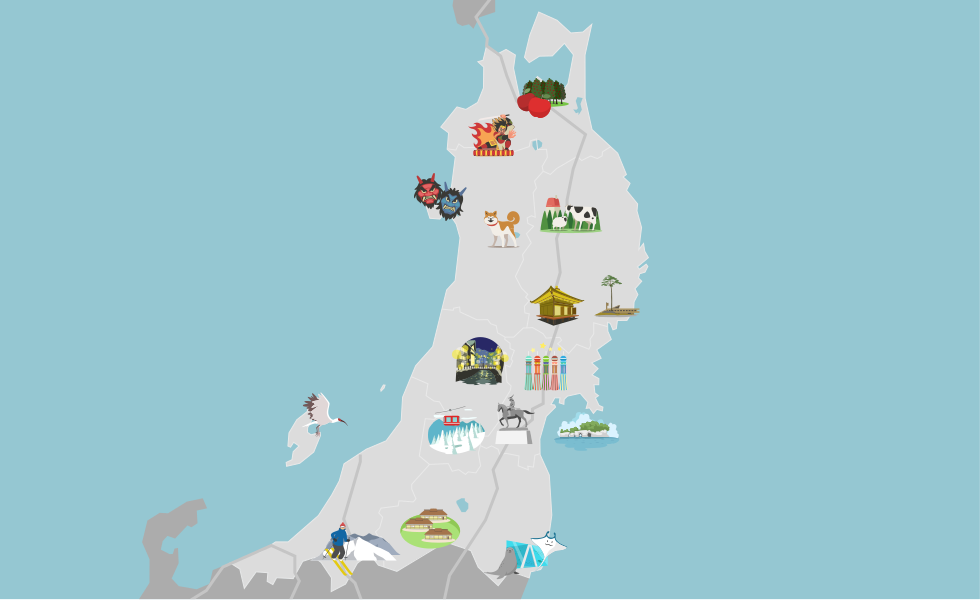
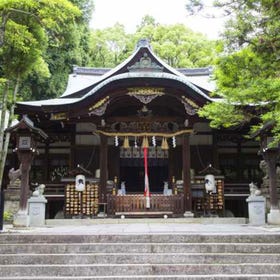
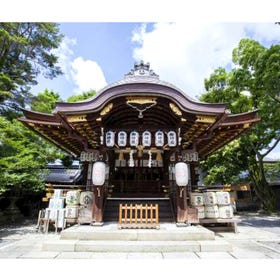
The shrine to the north of the main hall of Kiyomizu-dera Temple, whose spirit is worshipped as a deity of marriage. A pair of guardian stones in the grounds known as ”Koi uranai-no-Ishi” dates back to the Jomon period.
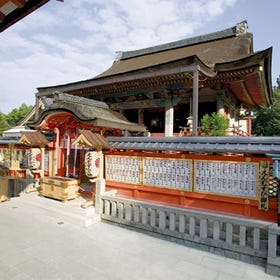
Articles from Ryoma Sakamoto and the Shinsengumi are on display
The main street of Gion features a machiya-style townscape on a cobblestone street
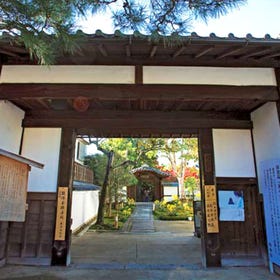
Here at Shoren-in Temple, Emperor Kanmu prayed for peace for the capital and buried a shogun statue inside its burial mound
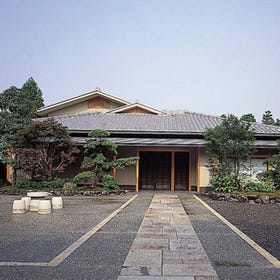
Teaware masterpieces collected by a businessman
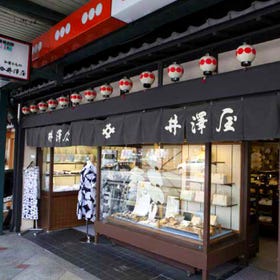
Women of all ages patronize this shop
Having many children themselves, rabbits symbolize safe child-rearing here
A zoo raising approximately 130 different species of animals. Encountering small animals is fun!
Where the successful Hideyoshi Toyotomi worshipped the three-faced Daikokuten
A shrine to visit for breaking bad habits or starting good ones
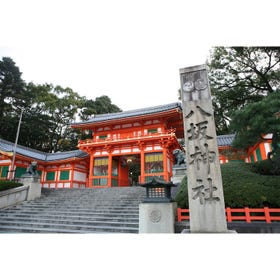
The head shrine of all Gion satellite shrines throughout Japan. Local residents call the shrine ”Gion-san.”
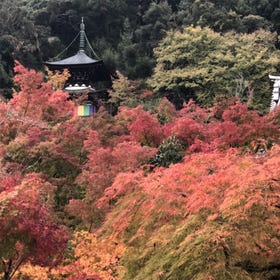
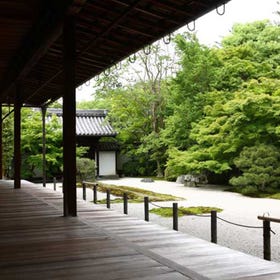
An ancient temple known as an exemplary viewing spot for autumn leaves since the Heian period.
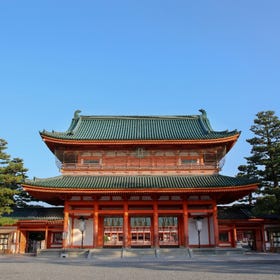
Founded in 1895 for the 1,100th anniversary of the relocation of the capital city to the Heian-kyo, the shrine reproduces the Imperial Palace of the Heian-kyo. It enshrines Emperor Kanmu and Emperor Komei.
Famous for a painted fusuma from Tohaku Hasegawa
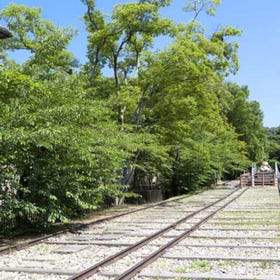
Walk along the train tracks as cherry blossoms fall around you
Located right by ”COTO CROSS,” a landmark in Shijo Kawaramachi. A shop that adds color to the streets of Kyoto.
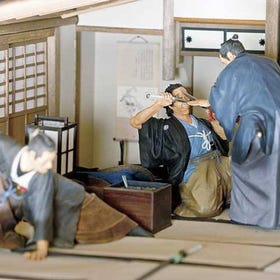
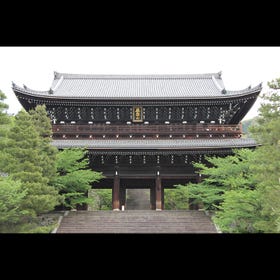
The head temple of the Jodo sect, founded at the place where Honen Shonin passed away. The magnificent monastery was built under the wing of the Tokugawa family.
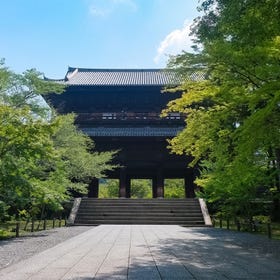
The head temple of the Rinzai sect, known as the highest-ranked Zen temple in Japan.
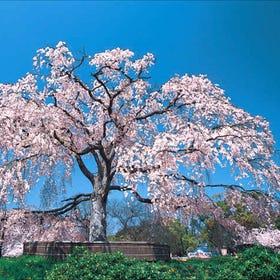
Enjoy Japan's outstanding weeping cherry blossoms
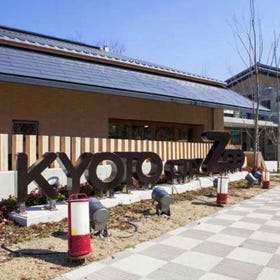
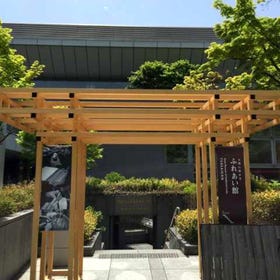
A facility introducing Kyoto’s traditional crafts