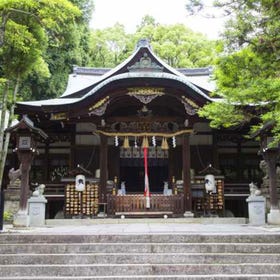
Having many children themselves, rabbits symbolize safe child-rearing here
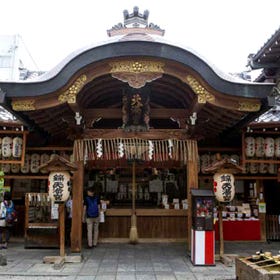
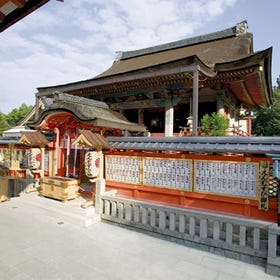
Where the successful Hideyoshi Toyotomi worshipped the three-faced Daikokuten
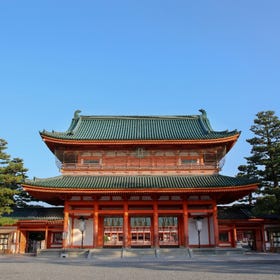
Founded in 1895 for the 1,100th anniversary of the relocation of the capital city to the Heian-kyo, the shrine reproduces the Imperial Palace of the Heian-kyo. It enshrines Emperor Kanmu and Emperor Komei.
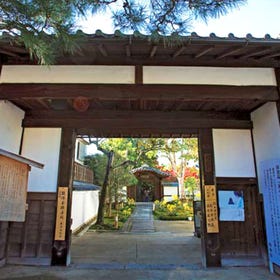
Here at Shoren-in Temple, Emperor Kanmu prayed for peace for the capital and buried a shogun statue inside its burial mound
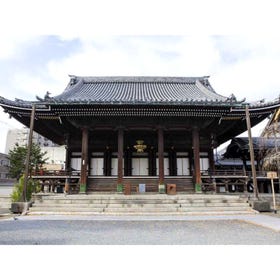
The object of worship here is Amida Nyorai and the statue of Prince Shotoku in the main hall is an important cultural property
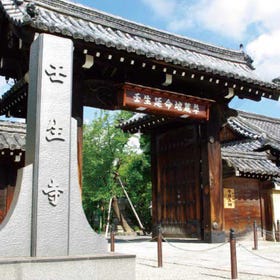
Don't miss seeing the resting place for Shinsengumi members, Mibu-zuka
Here resides the god who watches over Kyoto's kitchens
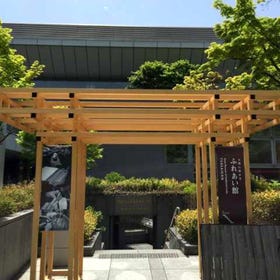
A facility introducing Kyoto’s traditional crafts
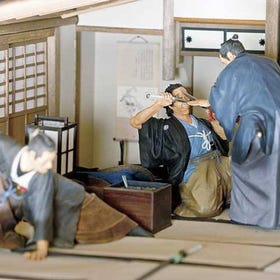
Articles from Ryoma Sakamoto and the Shinsengumi are on display
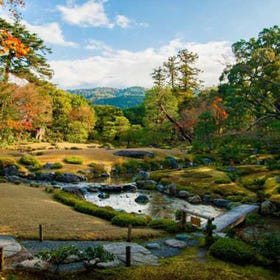
The representative garden of the Meiji period in Higashiyama
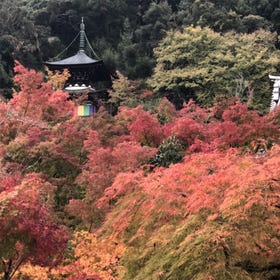
An ancient temple known as an exemplary viewing spot for autumn leaves since the Heian period.
The shrine to the north of the main hall of Kiyomizu-dera Temple, whose spirit is worshipped as a deity of marriage. A pair of guardian stones in the grounds known as ”Koi uranai-no-Ishi” dates back to the Jomon period.
Teaware masterpieces collected by a businessman
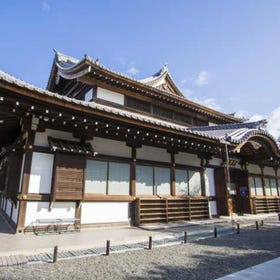
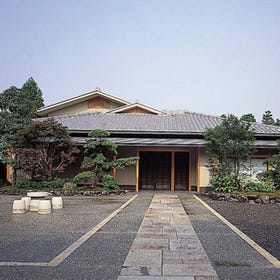
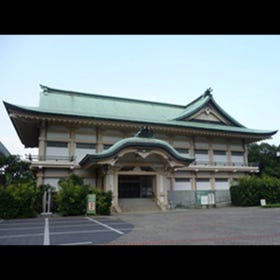
Built in 1933, this large museum is the second old municipal art museum in Japan. The collection extends to about 3,300 pieces centered on Kyoto artists from the modern to contemporary period. The museum holds art exhibitions such as Nitten (the largest competition art exhibition in Japan) as well as events organized by fine art associations.