The building and the interior itself are the display! Experience Kyoto's elegance
Check out the ”Sento Kuyo” ceremony on summer nights
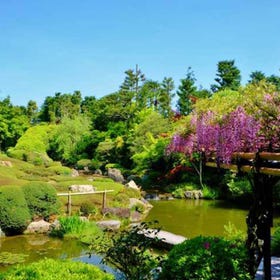
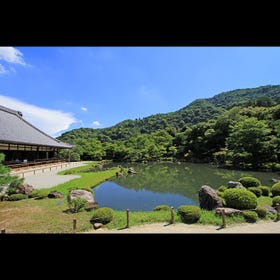
Featuring a garden created by Motonobu Kano
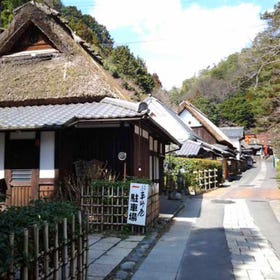
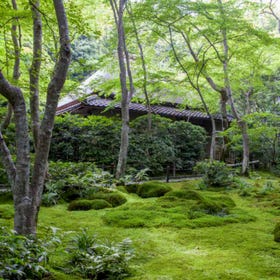
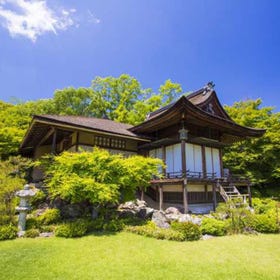
A thatched hut that stands in lush greenery
A majestic temple and garden with beautiful Arashiyama in the background
Inherit Hikaru Genji's luck in love
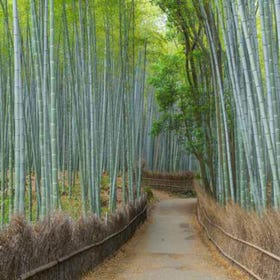
The Arashiyama Bamboo Forest in Kyoto, a favored tourist attraction among LIVE JAPAN readers, invites you to immerse yourself in an enriching cultural experience. Just a brisk 15-minute train ride and an additional pleasant 10-minute walk from Kyoto Station, this serene escape offers a stunning backdrop for unforgettable memories. Opt for a traditional rickshaw ride while adorning a traditional kimono, and revel in the exquisite views of the bamboo groves as you capture timeless photographs. This beautiful locale represents a fusion of Japan's natural splendor and historic traditions.
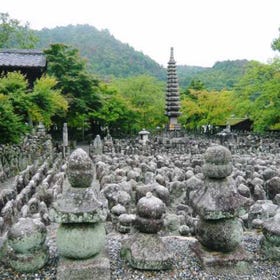
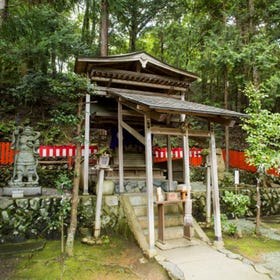
Quietly praying to the rakan statues on the hillsides
Have fun at a mountain villa that belonged to a samurai film actor
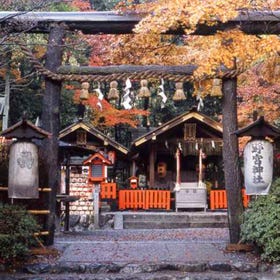
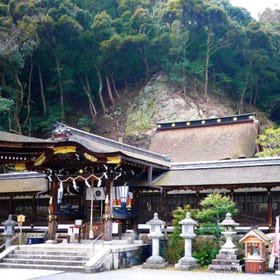
The oldest shrine in Kyoto
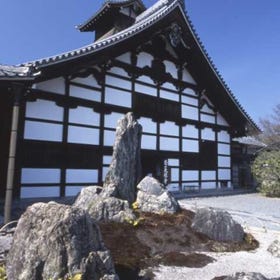
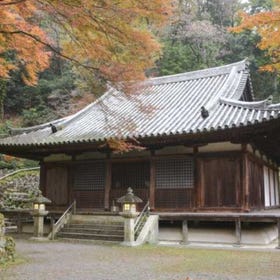
A Zen temple of the Rinzai School built in the scenic area of Arashimaya in Kyoto. It was built by Takauji Ashikaga in memory of the recently deceased Emperor Go-Daigo.
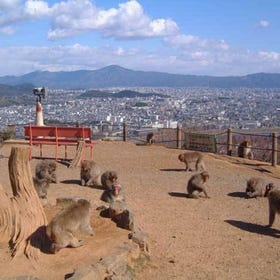
Get up close and personal with a Japanese macaque
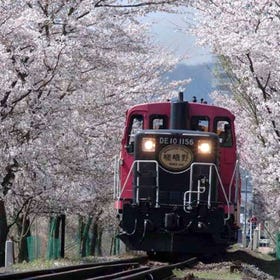
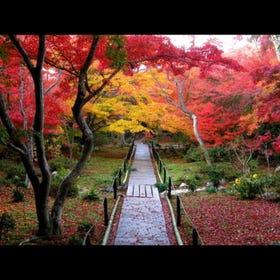
Enjoy views in every season
For people seeking beautiful hair
Established by Emperor Shirakawa during the Heian Period, the temple's name derives from the ingo (posthumous Buddhist name) of Yoshiakira Ashikaga, the second shogun of the Muromachi bakufu (Japanese feudal government headed by a shogun). While exploring the precinct, you'll find the graves of Yoshiakira and Masatsura Kusunoki, the busho (military commander) of Nancho (Southern Court) located next to each other. Masatsura was much respected by Yoshiakira even though he was an enemy general. During autumn, the maple leaves turn a striking red (visitors are not allowed to bring in a tripod stand or a unipod).
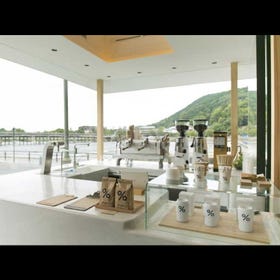
An open shop where you can feel the natural beauty of Arashiyama that changes each season
Famous for its national treasure, a statue of Miroku Bosatsu
Don quijote is one of the largest discount retailers in Japan, known for its focus on convenience, discount, and entertainment. Stores offer a vast selection of products, with around 40,000 to 60,000 items available, including food, everyday essentials, clothing, home appliances, and brand-name goods.Grab your coupon from the 'Coupon' tab and enjoy shopping with great deals!
Within this store with its quaint, relaxing Kyoto atmosphere, are more than 1000 kinds of items for sale, including general goods made of chirimen (crepe), accessories, and unique vegetable-shaped items. They are reasonably priced; for example, you can pick up a pair of earrings from 540 JPY, a hairpin from 300 JPY, and a furoshiki (Japanese cloth wrapper) from 1,300 JPY -- perfect as souvenirs.






![[Coupon] Don Quijote Kyoto Rakusai Store (10% Tax-Free + MAX 7% Off)](https://rimage.gnst.jp/livejapan.com/public/img/spot/lj/01/45/lj0145382/lj0145382_69c24d02ded09_main.jpg?20260326140030&q=80&rw=280)