


Why Hokkaido's Hairy Crabs Are So Popular: Firm Meat Most Delicious in Spring
- Written by: Minna no Kotoba Sha
Hokkaido is a treasure trove of delicious seafood. Crabs are especially popular, with four main varieties, the large red king crab and snow crab, the medium-sized blue king crab, and the smaller hairy crab, which you can enjoy at restaurants or bring home as souvenirs.
Of these four types of crab, the hairy crab is the most familiar to the locals of Hokkaido. But why is that so? And what is the most delicious way to eat hairy crab?
Spring is the time when delicious crabs from Okhotsk come in season. We head down to Marumi Osanai Shōten in Nijō Market, Sapporo, to find out more about hairy crabs' popularity.
- Table of Contents
-
- The Basics: What Are Hokkaido Hairy Crabs and When Are They in Season?
- A Local Favorite: Why Hairy Crabs Are a Hokkaido Staple
- Hairy Crab vs. Red King Crab: Knowing the Difference
- Step-by-Step: How to Crack and Eat Hairy Crabs
- Must-Try Hairy Crab Dishes
- Where to Enjoy Authentic Hairy Crab in Hokkaido
The Basics: What Are Hokkaido Hairy Crabs and When Are They in Season?

As their name implies, hairy crabs are known for the tiny hairs on their carapace. Found in waters from the Okhotsk Sea to the Pacific Ocean, hairy crabs have a wide distribution and live on shallow seabeds 150 meters below sea level.
In Hokkaido, freshly caught hairy crab is available throughout the year. However, depending on water temperature and weather conditions, their molting and spawning seasons may shift, which can affect fishing seasons.
During the fishing season at places that produce hairy crab, you can enjoy freshly caught hairy crab from the ports, or try it boiled Hamayude-style at the nearby processing facilities, so do take the chance to enjoy these crabs during peak season.
Okhotsk Coast (Omu, Monbetsu, Abashiri, Shari), Sōya (Wakkanai, Esashi): Spring (when the drift ice melts, from March to June)
Though the ice typically starts to melt from February off the Okhotsk coast, there will be a plankton bloom under the ice. As the hairy crabs consume the plankton for nutrients, plump and sweet hairy crabs can be caught in March after the ice melts away at the beginning of spring.
Around the Ring of Fire (Shiraoi, Kojōhama, Oshamambe): Summer (July to August)
With many mineral-rich hydrothermal vents in the area, the Ring of Fire is a hatchery for high-quality crabs. Hairy crabs that absorb minerals from the Ring of Fire have soft, delicate bodies, and their kani miso, a paste made from their internal organs, has a unique, prized flavor.
Shiranuka, Kushiro, Nemuro Coast: Autumn (September to December)
The waters here are rich in nutrients from various types of fish feed, and because of the large temperature difference in the waters, the crabs caught here have firm meat.
Hidaka, Tokachi Coast: Winter (December to February)
The seas off the coast are where the Kuroshio and Oyashio currents meet, resulting in a large and nutritious plankton bloom. In addition, this is where high-quality Hidaka konbu seaweed is produced, and the crabs are fed fish feed, giving them a strong, rocky flavor; they are well renowned for their large amounts of creamy kani miso.
A Local Favorite: Why Hairy Crabs Are a Hokkaido Staple

Hairy crabs are well-known and loved in Hokkaido, and compared to red king crabs and snow crabs, can be caught from shallower waters. As it’s available all year round, one of its unique aspects is that its price remains relatively stable all year round.
It is only recently that hairy crabs have become commonly eaten, starting from 1920, when they were first sold in cans. The way that hairy crabs are eaten now, as boiled or live crabs, started from around 1965.
With fine meat that has a delicate sweetness, and from the tastiness of the thick and soft kani miso, it is a dish that can be found on any table in Hokkaido during New Year celebrations.
Hairy Crab vs. Red King Crab: Knowing the Difference

The most striking difference between hairy crab and red king crab is the large size difference. To maintain the sustainability of the hairy crab population, only male crabs larger than 8 cm are fished, though they are still small enough to be held with one hand.
They typically weigh around 400 grams each. Crabs larger than 500 grams are considered large-sized, and crabs exceeding one kilogram are an exceptionally rare find.
On the other hand, the red king crab is popular among foreign visitors; it measures around 25 centimeters and can reach over a meter in length with its legs extended, and compared to hairy crabs, it is quite large.
They usually weigh around two kilograms, and crabs larger than three kilograms are typically served leg by leg. (Crab prices vary depending on origin, season, size, and market conditions, so please check the price at each store.) The ones typically on sale are produced in Russia, though Alaskan red king crabs are also readily available, with only a small fraction being produced in Hokkaido.
Despite being called a red king crab, it is really a close relative of the hermit crab. Because of this, while hairy crabs have one pair of claws and eight legs, red king crabs have one pair of claws and six legs.
Besides this, while the kani miso of hairy crabs can be sold whole together with the crab, that from red king crabs dissolves and melts once boiled, so another difference is that red king crabs are typically sold without kani miso.
Step-by-Step: How to Crack and Eat Hairy Crabs

Compared to red king crabs, hairy crabs have soft shells, with relatively few spikes. If you know the trick, eating it is simple. The tool you will need is a pair of kitchen scissors.

(1) With the crab facing upside down, cut off the legs at where it joins to the body, and cut the legs in half at the joints.

(2) Insert the scissors through the cut, and cut along the hairy shell.

(3) Open the cut shell with your fingers, and the meat will be easy to pull out. For the thinner legs with claws, cut them open in a similar way, then remove the claws to pick out the meat to eat it more easily.


(4) If you have a seafood pick for crabs, it’ll be a lot easier. You can use it to remove meat from the shell, and has two different tools, a thicker end with a spoon for scooping the kani miso out, and a thinner end used to pick out meat at the ends of the legs.
Must-Try Hairy Crab Dishes

When having boiled hairy crab on its own, you can savor the umami and exquisite sweetness, and, seasoned with just the right amount of salt, it can be enjoyed as is, but hairy crab can be used to make many delicious dishes too.
One dish that you absolutely have to try is kani miso served in the shell. You can taste the boiled kani miso on its own, and when mixed with the crab meat, it creates a thick, enjoyable flavor.

First, turn the crab over, and you’ll find the triangular portion, called the apron. There is a hole where you can slip your finger inside to pry it off, and you can open in to find it brimming with orange kani miso.

It’s also highly recommended to try a dish called “kōra sake” after you’ve eaten the crab. Wrap the outside of the shell in aluminum foil, and pour a suitable warm sake, such as sake, into the shell and warm it over a fire.
When you drink it just as it starts to bubble, you can taste the perfect complement of the umami of the sake with the fragrance of the kani miso, and it warms your body up comfortably too.


You can also try out various dishes made with hairy crab in Hokkaido. In seafood izakaya restaurants, Japanese washoku restaurants, and sushi joints, you can enjoy teppō-jiru soup made from soup stock derived from hairy crab legs and miso, or crab chawanmushi which uses crab meat, pickled crab, kani miso, and other gourmet foods on the menu.
In Western-style restaurants, crab cream croquette is the standard go-to. In Chinese restaurants, crab fried rice made with crab meat is available too.

The “Kanimeshi”, a dish of crab meat on rice, is a specialty of the Oshamambe region in the south of Hokkaido, and as one of the producers of crab in the region, it’s one of the gourmet foods you have to try while holidaying in Hokkaido.
Kanimeshi used to be sold on JR limited express trains between Sapporo and Hakodate, but onboard sales ended in 2019. Today, you can buy it at Kanimeshi Honpo Kanaya in front of Oshamambe Station.
Special thanks to Marumi Osanai Shoten.
-
Marumi Osanai Shoten有限会社 マルミ長内商店
-
Address
1-chome, Minami-3-jo-higashi, Sapporo-shi, Chuo-ku, Hokkaido, 060-0053
View Map - Phone Number 011-221-2278
・Hours: 8 AM - 5 PM
・Open year-round -
Address
1-chome, Minami-3-jo-higashi, Sapporo-shi, Chuo-ku, Hokkaido, 060-0053
Where to Enjoy Authentic Hairy Crab in Hokkaido

Minna no Kotoba Sha is a production company founded by an editor with extensive experience in editing local magazines in Sapporo. For over 20 years, our team has conducted research and written articles across Hokkaido, with Sapporo as our primary hub. Our diverse portfolio includes the production of various books such as travel guides, informational magazines, and collections showcasing the picturesque landscapes of Hokkaido. Comprised entirely of women, the team at Minna no Kotoba Sha boasts diverse interests, including a passion for travel, culinary delights, and alcoholic beverages. The scope of our communication efforts spans a wide range, covering everything from introducing notable restaurants to providing coverage of local events and sharing stories of leisure experiences.
- Area
- Category
*Prices and options mentioned are subject to change.
*Unless stated otherwise, all prices include tax.
Popular Tours & Activities
Recommended places for you
-

SakaguraMinamiichijo
Japanese cuisine
Sapporo / Chitose
-

UNITOKINKIKIJU
Japanese cuisine
Sapporo / Chitose
-

ISODA
Japanese cuisine
Sapporo / Chitose
-

Sushi & Kani Dining Kita-no Samurai
Japanese cuisine
Sapporo / Chitose
-

Kitaguni-no Aji Sanjotei
Japanese cuisine
Sapporo / Chitose
-
Appealing

Rukku and Uohei
Izakaya
Sapporo / Chitose
-
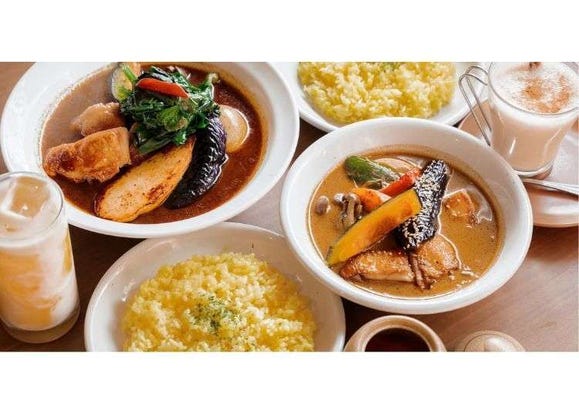
Curry Leaves: Sapporo Soup Curry with Crispy-Skin Chicken and a Rich Broth Built on Onions Sautéed for 10 Hours
-

Feel the Power of Giant Draft Horses Racing with Iron Sleds at Banei Tokachi (Obihiro Racecourse)
by: Guest Contributor
-
Carving Your Heart in Stone: Experiencing Arte Piazza Bibai’s Marble Sculpting Workshop
by: Guest Contributor
-

Hokkaido's Best 10 Budget Onsen Stays (Ryokan & Hotels From 20,000 Yen a Night)
-

Okashi Kissa Miura - The Charming Hokkaido Cafe Serves French-Inspired Sweets in the Beautiful Countryside
by: Guest Contributor
-
Inside Arte Piazza Bibai: Kan Yasuda’s Sculptures in a Former Hokkaido School
-

Sapporo New Chitose Airport (CTS): Complete Guide to Restaurants, Souvenirs, Shopping & More!
-

Hokkaido Lavender Fields: 6 Best Places in Furano to See Japan's Dreamiest Purple Meadows
by: Nobuka Kawashima
-

10 Important Japanese Phrases to Know Before You Enter a Japanese Convenience Store
by: Teni Wada
-

Day Trip from Sapporo to Otaru: Access, Itinerary & Food Guide
by: Guest Contributor
-

8 Unfamiliar (But Totally Normal) Customs in Japan!
-

Tokyo Railway & Subway Map: Navigate the City Like a Pro (JR, Subways, IC Cards & Passes)
- #best sushi hokkaido
- #things to do hokkaido
- #best ramen sapporo
- #what to bring to japan
- #new years in tokyo
- #what to buy in ameyoko
- #japanese nail trends
- #what to do in odaiba
- #onsen tattoo friendly tokyo
- #daiso
- #best sweets otaru
- #japanese fashion culture
- #best nature furano
- #japanese convenience store snacks
- #best japanese soft drinks