






'Zangi' Fried Chicken: Hokkaido's 'Soul Food' & 3 Iconic Restaurants in Kushiro To Enjoy It
- Written by: Nobuka Kawashima
If you want to eat like a local in Hokkaido, zangi is a must! Zangi is deep-fried chicken (or other ingredients) that originated in Kushiro in eastern Hokkaido and is loved as Hokkaido's soul food. We asked the owner of Torimatsu, a restaurant specializing in fried chicken, about the basics: how zangi differs from karaage and fried chicken, how it was born and became a local specialty, and what zantare, a similar dish, is. We also introduce three famous zangi restaurants in Kushiro.
- Table of Contents
-
- What kind of food is Hokkaido's zangi?
- What's the difference between zangi, karaage and fried chicken?
- At Torimatsu, the birthplace of zangi, zangi and karaage are different dishes
- What is zantare? How is it different from zangi?
- How was zangi born and how did it become a Hokkaido specialty?
- Famous Shop 1: Torimatsu - The traditional flavor of original zangi
- Famous Shop 2: Nambantei - You'll want to visit this original zantare shop on an empty stomach!
- Famous Shop 3: Sumiyaki Senka Tamadori - Savor the evolution of zantare!
What kind of food is Hokkaido's zangi?

Zangi, a Hokkaido specialty, is chicken or other ingredients seasoned with soy sauce, ginger and other flavorings, then coated in flour or potato starch and deep-fried. In Hokkaido, it's a staple at set-meal restaurants and izakaya, and there are even restaurants that specialize in zangi. It's also a common sight in supermarket deli sections, and locals enjoy it as a side dish for lunch or dinner or as a snack with drinks.
Because zangi is marinated beforehand, it can be eaten as is, though some people add a sauce. In recent years, zangi has also been made with seafood such as octopus and salmon, or with meats other than chicken, such as venison. These are usually named after the ingredient, as in "tako zangi" (octopus) or "sake zangi" (salmon), while plain "zangi" generally refers to chicken.
What's the difference between zangi, karaage and fried chicken?

The difference between zangi and karaage is vague and hard to pin down, but one thing is certain: zangi is a type of karaage. Zangi differs from fried chicken in three ways: whether the meat is seasoned beforehand, whether the batter is seasoned, and what ingredient is used.
Zangi and karaage are so similar that perhaps no one can explain the difference in a way that satisfies everyone. That's because the seasonings and methods used for both vary depending on the cook or restaurant, blurring the line between the two. Even among restaurants in Hokkaido, some serve zangi and karaage as separate dishes, while others treat them as practically the same and call all their fried dishes zangi.

Zangi is basically chicken or another ingredient that is seasoned in advance, lightly coated in flour or potato starch, and deep-fried. Beaten egg is often mixed in after seasoning. Karaage is chicken or other ingredients lightly coated in flour or potato starch and deep-fried in oil. Besides chicken, it can be made with fish, vegetables and more, and the ingredients may or may not be seasoned before frying. Since karaage refers to any coated, deep-fried dish, zangi can be considered a type of karaage.
Fried chicken, on the other hand, is usually made by seasoning the batter, before or after frying, rather than the meat itself. And as the name suggests, it's always chicken. While the difference between zangi and karaage is a bit unclear, the difference between zangi and fried chicken is clear.
At Torimatsu, the birthplace of zangi, zangi and karaage are different dishes

At Torimatsu, the original zangi restaurant, bone-in chicken is chopped into chunks, mixed with salt, ginger and egg, coated in flour and deep-fried. Because the chicken is chopped, the pieces include a mix of parts such as thighs and wing tips, with the bones still in. The seasoning is light rather than salty, giving it a refined flavor that lets you taste the savoriness of the meat. There's also "honenashi zangi" (boneless zangi), made with boneless chicken thigh and prepared the same way as the bone-in version.
At Torimatsu, "zangi" means bone-in zangi made with various cuts of chicken, while "honenashi zangi" means zangi made with boneless chicken thigh.

In addition to zangi, Torimatsu also offers karaage dishes by cut, such as "tebasaki no karaage" (chicken wing karaage) and "momoniku no karaage" (chicken thigh karaage). These are seasoned with salt and other flavorings, then coated in potato starch without egg and fried. Compared to zangi, the pieces are larger, the saltiness is a little milder, and they have a crunchier texture. The details of the seasonings for zangi and karaage are a secret, but different ingredients are seasoned differently before frying. If you want to discover the secret for yourself, visit Kushiro and taste them side by side!

What is zantare? How is it different from zangi?

There's also a fried dish similar to zangi called zantare. It's zangi topped with a sweet and savory sauce, essentially an evolved form of zangi. Like zangi, zantare was born in Kushiro and spread from restaurants in and around the city to the rest of Hokkaido. You won't see it as often as zangi, which is available all over Hokkaido, but zantare is also a common menu item at set-meal restaurants and izakaya. The sauce varies from restaurant to restaurant: in addition to the classic sweet and sour sauce, there are spicy versions and even sauces similar to salad dressing.
How was zangi born and how did it become a Hokkaido specialty?
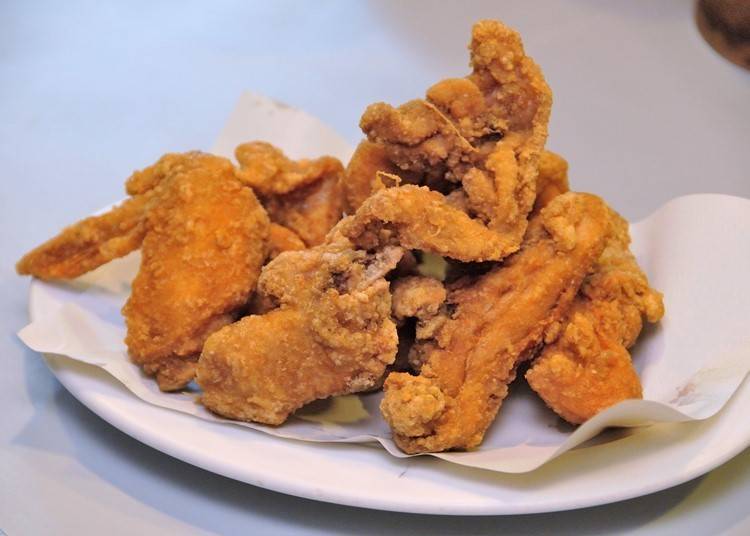
Zangi was born around 1960. It all started when someone came to Torimatsu, then a yakitori restaurant in Kushiro, to sell broiler chickens. The restaurant bought whole chickens, chopped them up, seasoned them, fried them and served them, and the dish became a huge hit. Torimatsu stopped serving yakitori and became a fried chicken specialty restaurant. It's said that the dish of chopped, bone-in fried chicken was named "zangi" by taking "zagi," from the Chinese word for fried chicken (zhaji), and adding "un" (luck). This was the beginning of zangi.

Later, staff who had trained at Torimatsu went independent and opened their own zangi restaurants nearby, and the number of restaurants serving zangi in Kushiro grew, spreading to Sapporo and other parts of Hokkaido. However, chopping whole chickens and serving them bone-in is time-consuming, and since the pieces vary in size, portions tend to be uneven. As zangi spread, the vast majority of restaurants switched from labor-intensive chopped bone-in chicken to boneless chicken thigh, which can be prepared and served as easily as ordinary chicken thigh karaage.
At the same time, zangi made with ingredients unique to Hokkaido, with its abundant seafood, such as octopus and salmon, began to appear one after another. Its ease of preparation and the wide variety of ingredients close at hand are believed to be why zangi spread throughout Hokkaido.
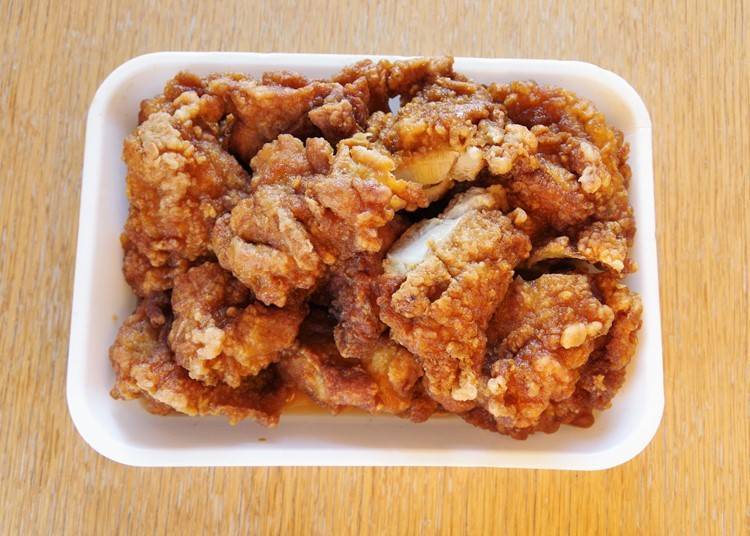
In 1980, about 20 years after zangi was born, zantare, an evolved form of zangi, appeared. It was first served at Nambantei, a restaurant near Kushiro Marsh, a Ramsar Convention wetland (at the time, it was located in Kushiro's downtown). Many of its customers were ice hockey players from Kushiro, so to serve hearty dishes, the restaurant began offering a generous pile of zangi, which was popular in Kushiro, topped with a sweet and sour sauce as part of its banquet course.
So many customers asked "What is this?" that the restaurant named the dish of zangi with sauce "zantare" and began selling it as a set meal and takeout item, and it became a huge hit. The number of restaurants offering similar dishes in and around Kushiro rapidly increased, and together with zangi, it spread throughout Hokkaido.

Famous Shop 1: Torimatsu - The traditional flavor of original zangi

Torimatsu, the long-established zangi restaurant, is about a 13-minute walk from JR Kushiro Station and about 5 minutes on foot from the famous photo spot Nusamai Bridge. Locals and tourists arrive as soon as it opens in the evening, so it's often full, but takeout is also available, so you can enjoy it in your hotel room as well.

The chicken is already seasoned with a salt-based marinade, but the original way to eat zangi is to dip the crispy fried bone-in chicken in a light sauce. The sauce has a secret flavor created by the previous owner, who traveled around Japan tasting and comparing sauces and seasonings and experimented repeatedly. The recipe is a closely guarded secret, and the second-generation owner carries on the flavor.

On each table, in addition to the secret sauce in a jar, there's salt, pepper and chili pepper. Of course, you can eat it however you like. Try it plain, dip it in the sauce or add a kick with salt and pepper, and compare. It's also delicious to sprinkle a little pepper into the sauce before dipping.

There's no foreign-language menu, but the restaurant is popular with international visitors too. Almost every customer orders zangi. When ordering, be sure to say whether you want it "honetsuki" (bone-in) or "honenashi" (boneless). As a fried chicken specialty restaurant, it has few dishes other than zangi and karaage, so enjoy the traditional zangi with a draft beer, highball or sake.
*Menu items and prices are subject to change.
-
Torimatsu鳥松
-
Address
3-1, Sakaemachi, Kushiro, Hokkaido 085-0013
View Map - Phone Number 0154-22-9761
Hours: 5:00 PM - 11:00 PM
Closed: Sundays -
Address
3-1, Sakaemachi, Kushiro, Hokkaido 085-0013
Famous Shop 2: Nambantei - You'll want to visit this original zantare shop on an empty stomach!

Nambantei, the birthplace of zantare, is located in Kushiro Town, next to Kushiro City, about 20 minutes by car from downtown Kushiro. Being close to Kushiro Marsh, it's easy to visit on a sightseeing drive. It's also a 2-minute walk from Toya Station on the JR Senmo Line, but only a few trains run per day, so be sure to check the timetable if you're coming by train.

The restaurant serves a variety of set meals and rice bowls, but as it's famous for zantare, about 80% of customers order zantare on its own or as a set meal. Besides being the birthplace of zantare, the restaurant is also famous for its huge portions.

Since one serving is so big, many people reportedly order another set meal or rice bowl and share a single order of zantare among two or three people. If you don't think you can finish it, don't worry: there's also a half size with about half the amount of meat.

When the zantare is brought to your table, the first thing you'll notice is its tangy sweet and sour aroma. The sauce, made with soy sauce, sugar and vinegar, has a strong vinegar flavor, making even this hearty fried dish taste quite refreshing. For something a little different, try the karatare. It's zantare sauce spiced up with chili pepper and Tabasco, accented with sliced onions. The chili gives a tingle on the tip of your tongue, but it's not too hot, just deliciously spicy.

There's no special menu for international visitors, but all you need to say is whether you want regular or half-size zantare and whether you want it as a set meal. The regular size is very generous, so we recommend coming hungry.
*Menu items and prices are subject to change.
-
Nambantei南蛮酊
-
Address
1-39, Toya, Kushiro-cho, Kushiro-gun, Hokkaido 088-2145
View Map - Phone Number 0154-40-3117
Hours: 11:00 AM - 7:00 PM (last order 6:30 PM); Saturdays, Sundays and holidays 11:00 AM - 8:00 PM (last order 7:30 PM)
Closed: Mondays and Tuesdays -
Address
1-39, Toya, Kushiro-cho, Kushiro-gun, Hokkaido 088-2145
Famous Shop 3: Sumiyaki Senka Tamadori - Savor the evolution of zantare!

Sumiyaki Senka Tamadori is an izakaya that opened in 1999, serving skewers, fried dishes, egg dishes and more. It drew attention in 2015 when its zantare won the grand prize in a Kushiro zantare contest. The dish to try here is the "shirotama zantare" (850 yen), a creative zantare of about five pieces of zangi with chopped boiled cabbage, topped with an original white sauce similar to French dressing. Despite being dressing-like, the sauce isn't very sour and has a pleasant sweetness. It's filling and goes well with rice, yet has a refreshing taste.

Fried food can get greasy and tiresome, but not this one. It's light and easy to eat, making it perfect as a side dish with a meal or as a snack with drinks. There's also "kurotama zantare" (850 yen), zangi kneaded with squid ink and topped with honey mustard sauce, and regular zangi (750 yen), recommended if you want to compare different flavors. All items are available for takeout.

Since it's an izakaya, in addition to zantare and zangi, the menu features many other dishes, including yakitori and other grilled dishes, hot pots, sashimi and rice bowls. If you'd like to experience a variety of Japanese food culture, be sure to stop by.
*Menu items and prices are subject to change.
-
Sumiyaki Senka Tamadori炭焼鮮家 たま鳥
-
Address
12-35, Suminoe-cho, Kushiro, Hokkaido 085-0045
View Map - Phone Number 0154-32-3818
Hours: 5:30 PM - 11:30 PM (last order: food 10:30 PM, drinks 11:00 PM)
Closed: Wednesdays -
Address
12-35, Suminoe-cho, Kushiro, Hokkaido 085-0045
Zangi is a common sight at set-meal restaurants and izakaya across Hokkaido, and zantare is a dish derived from it. At first glance, they look a lot like karaage, but if you try them at the original restaurants and compare, you'll find they're similar yet different. You won't understand the difference until you actually taste them. Zangi is a versatile dish that can be a main course or a snack with drinks. Why not try the soul food that Hokkaido locals love so much?
*Information as of November 2026. Please check official websites for the latest information.



A travel creator who has traveled all over Hokkaido in search of spectacular scenery and local gourmet food, Nobuka moved to Hokkaido from Tokyo in 2009. Since then, she has continued to photograph and write articles on Hokkaido travel and food for LIVE JAPAN and other tourism websites and travel magazines. She is a certified Hokkaido Tourism Master, a title given to Hokkaido tourism experts by the Hokkaido Chamber of Commerce and Industry, and also holds certifications as a Domestic Travel Service Supervisor and Chief Itinerary Manager. As a transgender person herself, she runs a support group to create an environment that makes travel easier for LGBTQ people, and also gives lectures and talks at universities and companies.
- Area
- Category
*Prices and options mentioned are subject to change.
*Unless stated otherwise, all prices include tax.
Popular Tours & Activities
Recommended places for you
-
Farm Tomita
Other Nature
Furano / Biei / Sounkyo
-
Niseko Village Ski Resort
Skiing & Snowboarding
Niseko / Rusutsu
-
Appealing
Otaru Canal
Rivers, Lakes & Canyons
Otaru
-
Appealing
Kanemori Red Brick Warehouse
Shopping Malls
Hakodate
-
Former Hokkaido Government Office Building (Red Brick Office)
Other Historic Sites
Sapporo / Chitose
-
Appealing
Rukku and Uohei
Izakaya
Sapporo / Chitose
-
Curry Leaves: Sapporo Soup Curry with Crispy-Skin Chicken and a Rich Broth Built on Onions Sautéed for 10 Hours
-
Obihiro's Beloved 90-Year-Old Sweet Shop and the 'Milk Road' Treat Fans Keep Coming Back For
by: Guest Contributor
-

Okashi Kissa Miura - The Charming Hokkaido Cafe Serves French-Inspired Sweets in the Beautiful Countryside
by: Guest Contributor
-
Just 2 Minutes from JR Sapporo Station! Sapporo’s Must-Visit Soup Curry Gem: Hirihiri No. 2, a Longtime Local Favorite
by: Guest Contributor
-
Inside Arte Piazza Bibai: Kan Yasuda’s Sculptures in a Former Hokkaido School
-
Carving Your Heart in Stone: Experiencing Arte Piazza Bibai’s Marble Sculpting Workshop
by: Guest Contributor
-

We Ordered Food at This Susukino Restaurant in Sapporo, But We Weren't Expecting What Happened Next!
-
Matcha: the Preparation of Japan’s Green Tea Powder
-
Autumn in Japan 2026: Latest Fall Foliage Forecast & Where to Enjoy the Colorful Leaves (+Tour Info)
-
Complete Guide to Buying Japanese Medicine in Japan: Phrases and Vocabulary You Need to Know
-
Japanese Seaweed: All About 6 of Japan’s Most Popular Varieties!
-

Shopping in Japan 2026: Annual Sale Calendar, Best Deals & Where to Shop
- #best sushi hokkaido
- #things to do hokkaido
- #best ramen sapporo
- #what to bring to japan
- #new years in tokyo
- #what to buy in ameyoko
- #japanese nail trends
- #what to do in odaiba
- #onsen tattoo friendly tokyo
- #daiso
- #best sweets otaru
- #japanese fashion culture
- #best nature furano
- #japanese convenience store snacks
- #best japanese soft drinks