




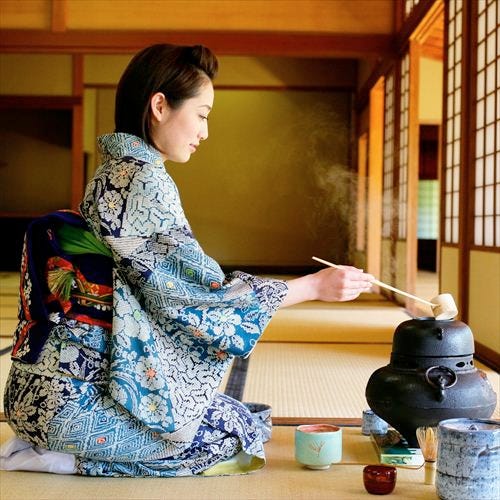


Ouchi-juku is a quaint town of thatched-roof houses worthy of a Hollywood film set. Located in the mountains of Shimogo Town in Fukushima Prefecture, it was particularly prosperous in the 1600s. There are over 30 thatch-roofed houses surrounded by hills and farm fields in this town. And when it snows, the incredible view blanketed in white creates an otherworldly atmosphere.
Over 1 million people visit annually to experience this fairytale-like Japanese scenery. In recent years the popularity increased with the snowy views, which almost look like a traditional sumi-e (ink wash painting).
Ouchi-juku: Former Ryokan Inn-Town Lined with Thatch-Roofed Houses

Ouchi-juku developed around 1643 along the Aizu Nishi Kaido, prospering as a key stop on routes linking the Aizu domain with the Nikko Kaido and Edo, now Tokyo.
Today, the easiest way to visit is to rent a car in Aizuwakamatsu City. Drive south on National Route 121, then turn onto Prefectural Road 329, which follows a mountain stream through wooded scenery.
After about 10 minutes, you will reach the parking area. From there, it is a short three-minute walk to Ouchi-juku, where a preserved streetscape evokes the atmosphere of a traditional Japanese post town.
Rows of thatch-roofed houses, now rare across Japan, create a striking and memorable view. This well-preserved scene has also helped make Ouchi-juku increasingly popular with international visitors in recent years.
First Stop: Ouchi-juku Machinami Tenjikan (Exhibition Hall)
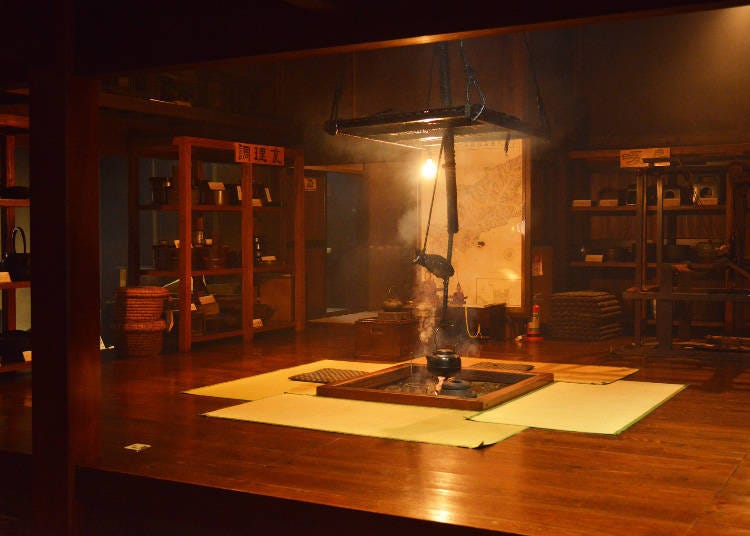
Begin your visit at the Ouchi-juku Machinami Tenjikan, an exhibition hall housed in a former honjin, the official inn once used by government officials during the post-town era. The building itself has been carefully renovated and now displays historical materials that introduce daily life in Ouchi-juku centuries ago.
Step inside and you will find a traditional sunken hearth glowing at the center of the room, with gentle smoke drifting up toward the ceiling. Surrounding it are everyday tools and household items from the Edo period, offering a rare, tangible look at how people once lived and worked here.
This small but engaging museum is popular for good reason. It provides clear context for the village you are about to explore and is an ideal starting point for understanding Ouchi-juku’s history and way of life before walking the historic street itself.
-
Ouchi-juku Machinami Tenjikan大内宿町並み展示館
- Address Yamamoto 8, Ouchi, Minamiaizu Gun Shimogo Machi, Fukushima Ken, 969-5207, Japan
- Phone Number 0241-68-2657
・Hours: 9 AM - 4:30 PM
・Price: 250 yen
・Closed: New Year’s Holidays (12/29 – 1/3)
Ouchi-juku Misawaya: Savor the Local Specialty, Takato Soba

Takato soba traces its roots to the history of the Aizu domain. The lord of Aizu was raised in the Shinshu Takato domain, where soba is traditionally eaten with grated daikon radish. This custom later spread to Aizu, and soba topped with grated daikon became known as Takato soba (1,500 yen, tax included).
At Ouchi-juku Misawaya, Takato soba is served in a large bowl, generously topped with bonito flakes and grated daikon. Instead of chopsticks, diners use a long Japanese leek to lift the noodles. Its unusual presentation and eating style have made this dish a signature specialty of Ouchi-juku.
Regulars scoop up the soba with the leek and take small bites as they eat. It may feel unfamiliar at first, but that is part of the experience. If you are visiting Ouchi-juku, this local soba is well worth trying.
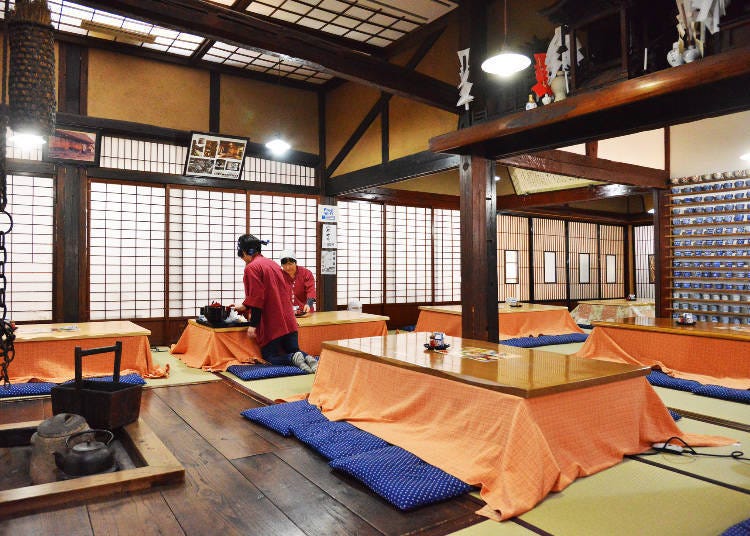
Depending on the season, Misawaya also offers mizu soba, a simple yet striking dish made with freshly prepared noodles from 100 percent local buckwheat flour. Served with clear water instead of dipping sauce, this style allows the aroma and flavor of the soba itself to stand out, a distinctive way of enjoying noodles in the Aizu region.
You can also sample juwari soba made entirely from buckwheat flour, paired with fresh well water drawn from the courtyard. Other popular dishes reflect the area’s mountain village cuisine, including salt-grilled iwana and ayu cooked over the traditional hearth, as well as tempura made from locally foraged wild plants.
-
Ouchi-juku Misawaya大内宿 三澤屋
- Address Yamamoto26-1, Ouchi, Minamiaizu Gun Shimogo Machi, Fukushima Ken, 969-5207, Japan
- Phone Number 0241-68-2927
・Hours: 9:30 AM - 4 PM
・Closed: Wednesdays
Misawaya Chaya: Try the Famous Waka-Ayu Sando

Misawaya Chaya, the sister shop of Ouchi-juku Misawaya, is an easy stop for casual bites and takeout as you stroll through Ouchi-juku. Its standout item is the Waka-Ayu Sando, a sandwich filled with deep-fried young sweetfish tucked into soft buns and layered with fresh tomato and lettuce.
The portion is generous and satisfying. A rich tartar sauce, balanced with just the right touch of acidity and umami, ties everything together and pairs beautifully with the crisp, lightly bitter sweetfish.
For something sweet, the persimmon sorbet is also a favorite. Made with Mishirazu persimmons from Aizu, a variety traditionally presented to the Imperial Court, the fruit is frozen and served parfait-style, resulting in a refreshing dessert that feels both simple and special.
-
Misawaya Chaya三澤屋茶屋
- Address Yamamoto26-1, Ouchi, Minamiaizu Gun Shimogo Machi, Fukushima Ken, 969-5207, Japan
- Phone Number 0241-68-2927
・Hours: 9:30 AM - 4 PM
Ajidokoro Minatoya: Enjoy Freshly-Grilled Shingoro

Along the main street of Ouchi-juku, Ajidokoro Minatoya is easy to spot thanks to its traditional thatched roof and the aroma of food grilling over charcoal. Here, you can try shingoro, a local specialty from southern Aizu, freshly cooked right in front of the shop.
Shingoro is a skewered rice ball brushed with a savory sauce made from miso, soy sauce, and egoma, also known as beefsteak plant. Slowly grilled over charcoal, it develops a chewy texture and a deep, fragrant flavor that is simple but satisfying.
If you prefer to sit down for a meal, Ajidokoro Minatoya also serves heartier dishes such as fried chicken made with Aizu free-range chicken, along with soba and curry. It is a convenient stop whether you want a quick snack or a more filling meal while exploring the village.
-
Ajidokoro Minatoya味処みなとや
- Address Yamamoto 34, Ouchi, Minamiaizu Gun Shimogo Machi, Fukushima Ken, 969-5207, Japan
- Phone Number 0241-68-2933
・Hours: 10:30 AM - 4 PM
・Closed: not scheduled (January to March requires reservation)
Honke Kanouya: Pick Up Exceptional Folk Craft Souvenirs

As you stroll through Ouchi-juku, Honke Kanouya stands out immediately. Inside the thatched-roof shop, colorful folk crafts hang from the ceiling, creating a playful and almost fantastical scene. Along the veranda, silk crepe ornaments of various sizes are neatly displayed, adding to the charm of the storefront.
All items here are handmade in Japan using silk crepe, a fabric known for its distinctive texture. The artisans make use of the fabric’s natural unevenness to create animals, plants, and zodiac motifs. Each piece has a warm, rustic feel that highlights its handcrafted character, making these crafts easy to imagine as decorative accents back home.

Among the most popular items are silk crepe beanbags shaped like vegetables and dolls. Available in multiple colors, they are often bought in sets, especially by visitors looking for small but distinctive souvenirs.
Honke Kanouya also offers a wide range of good-luck motifs, including chili peppers and hozuki, as well as fruits and flowers. These pieces work well as interior decorations or welcoming accents for an entryway, and make thoughtful souvenirs that capture the spirit of Ouchi-juku.
-
Honke Kanouya本家 叶屋
- Address Yamamoto 48, Ouchi, Minamiaizu Gun Shimogo Machi, Fukushima Ken, 969-5207, Japan
- Phone Number 0241-68-2954
・Hours: 9 AM - 4 PM
・Closed: not scheduled (January to March inquiry required)
Yamagataya: Try the Ouchi-juku Local Specialty, Tochi Mochi

Located near the center of Ouchi-juku, Yamagataya recreates the atmosphere of a traditional hatago, an old-style inn for travelers. The restored veranda, wooden doors, and interior details immediately set the tone, and upon entering, your attention is drawn to the large sunken hearth at the heart of the space. Once a common feature in rural homes, the hearth is still used here to salt-grill iwana and smoke fish for kotsuzake, a local sake infused with char bones.
A popular choice on the menu is the handmade soba, prepared with locally grown buckwheat flour. Fragrant and smooth, it is a straightforward but satisfying expression of Aizu soba culture. Another must-try is the generously sized tochi mochi, a regional specialty that reflects careful, time-intensive preparation.
Tochi mochi is made from tochi no mi, or Japanese horse-chestnuts, which are naturally very bitter. The nuts are soaked in warm water for about a week to remove the bitterness before being mixed into mochi, resulting in a deeply flavored rice cake. At Yamagataya, it is typically served with kinako, roasted soybean flour, though you can also order it seasoned with soy sauce for a more savory finish.
-
 Yamagataya山形屋
- Address Atsushio Kanomachi Atsushio Kitatairatako 347-2, Kitakata, Fukushima View Map
- Original source: Booking.com
Vacancy search, reservation
-
from 17,828JPY 1room, 2adults
Check with our partner site as the latest rates, rate details, and guest room requirements may vary.
Don't Miss the Ouchi-juku Snow Festival in February

Each year, on the second Saturday and Sunday of February, Ouchi-juku hosts its Yukimatsuri, or Snow Festival, transforming the village into a striking winter scene. On the first evening, a fireworks display lights up the sky, while large snow lanterns and kamakura, traditional snow domes, are placed throughout the area. After sunset, these are illuminated, creating a beautifully atmospheric landscape against the snow-covered village.
Although many shops in Ouchi-juku close during the winter months, the festival is a special exception. During these two days, all shops are open, giving visitors a rare chance to enjoy local dishes and specialties while experiencing the village at its most lively.
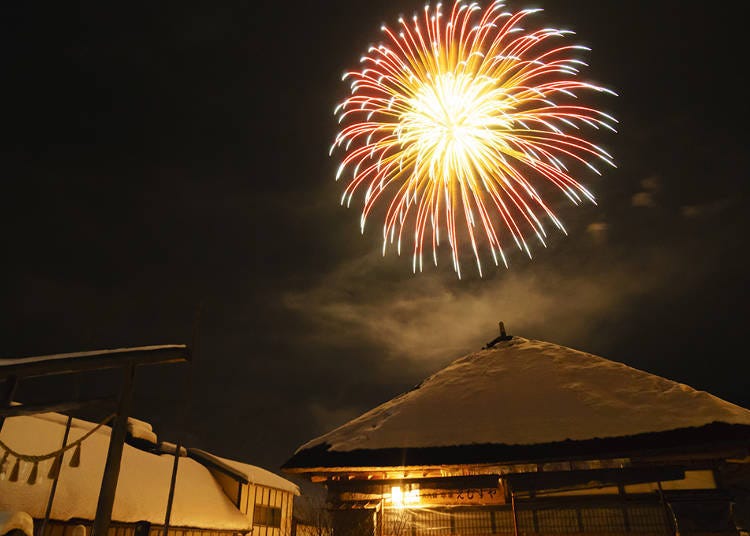
The fireworks begin after 6 PM on the first day of the festival. Watching them burst above rows of snow-covered thatched roofs is a scene unique to Ouchi-juku. Temperatures can be very cold, but the clear winter sky only adds to the impact of the display.
Snow is usually deep at this time of year, so waterproof boots are strongly recommended, along with warm clothing, hats, and gloves. While it is possible to drive to the Ouchi-juku parking area, visitors who are not comfortable driving on snowy roads can use the shuttle bus from Yunokamionsen Station.
The official Ouchi-juku website is available in multiple languages, including English, Thai, and Chinese, and is worth checking in advance for the latest festival details and access information.
-
Ouchi-Juku Yukimatsuri大内宿雪まつり
- Address Yamamoto 43, Ouchi, Minamiaizu Gun Shimogo Machi, Fukushima Ken, 969-5207, Japan
・Telephone: 0241-68-3611 (Ouchi-Juku Kanko Kyokai)
・Event dates: Second Saturday and Sunday in February
At Ouchi-juku, you can see the traditional scenery of Japan combined with the surrounding nature throughout the four seasons. The snowscape of winter is on a different level. We strongly recommend visiting during the snow festival!
Text by: SHOE PRESs


- Area
- Category
*Prices and options mentioned are subject to change.
*Unless stated otherwise, all prices include tax.
Popular Tours & Activitiess
Recommended places for you
-
Namahage Museum
Other Museums
Surrounding Areas Of Akita
-
Asamushi Onsen
Hot Springs (Onsen) & Bath Houses (Sento)
Aomori, Hirosaki And Hachinohe
-
Koiwai Farm
Other Nature
Morioka, Hiraizumi And Hachimantai
-
Zuiganji Temple
Temples
Sendai And Matsushima
-
Jozenji Street
Other Townscapes
Sendai And Matsushima
-
Sannai-Maruyama Site
Village Ruins
Aomori, Hirosaki And Hachinohe
-
Aomori's Quiet Side in Autumn: 5 Scenic Spots in Hachinohe According to a Local
by: Marco Blasco
-
Ad

Explore Samurai City Aizu-Wakamatsu: Your Full Guide to History, Nature, and Culture
-
Aomori Summer Weather Guide (June–August) + What to Wear: Tips from a Japan-Based Editor
by: Nemi Lin
-
Ad
Explore Snow Country from Echigo-Yuzawa Station: A Year-Round Guide to Ski Resorts, Art, and Regional Travel
-
Ad

Start Your Journey from Yamagata Station: Explore Four Seasons of History, Hot Springs, and Festivals
-
8 Luxury Tohoku Ryokans: Private Onsen, Gourmet Wagyu, and Winter Views
by: Sae Haneda
-
Hasshoku Center: Enjoy Famous Seafood Bowls at Aomori's Giant Fish Market
-
Koiwai Farm Guide: Explore, Dine, and Play at Iwate's Top Agritourism Spot
-
Iizaka Onsen Guide: Japan's Gorgeous Hidden Hot Springs Town! (Access, Things to Do, Ryokan)
-
The Ultimate Niigata Bucket List: 28 Best Things to Do in Japan's 'Snow Country'
by: Guest Contributor
-
10 Must-Visit Places for Autumn Leaves in Tohoku: Naruko Gorge, Geibikei Gorge & More (2025)
by: Guest Contributor
-
38 Best Things to Do in Sendai & Miyagi: Sightseeing, Food, Shopping & Souvenirs
by: Guest Contributor