







Japan’s railway network is famously efficient, but navigating a busy station can still feel overwhelming, especially when local habits seem to differ from the official advice.
One common example is escalator etiquette. For decades, passengers in many Japanese stations have stood on one side and left the other open for people in a hurry. You may still see commuters walking up and down that open side, particularly during rush hour.
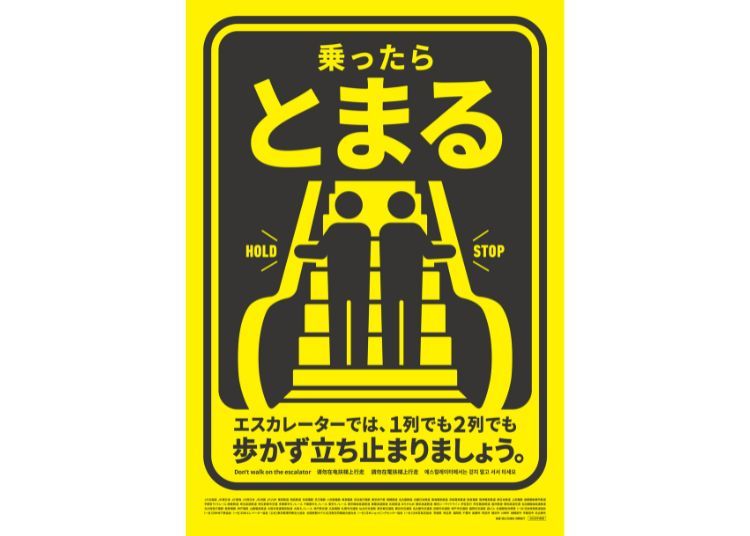
Railway operators, however, are increasingly asking passengers to stop walking on escalators. From July 21 to August 31, 2026, 58 railway and transportation operators, including Odakyu Electric Railway, will take part in a nationwide campaign encouraging passengers to stand still and hold the handrail.
This is not a new national law, and long-established habits will not disappear immediately. Still, the safety message for travelers is now clear: do not walk on escalators, stand securely, and hold the handrail.
Why Are Passengers Being Asked Not to Walk on Escalators?
Leaving one side open was traditionally considered polite because it allowed people in a hurry to pass. Today, however, railway operators are placing greater emphasis on safety and accessibility.
Walking on a moving escalator can lead to falls, collisions, and other accidents, especially when stations are crowded. It can also make escalators difficult to use for passengers who need more space, extra time, or access to a particular handrail.
The nationwide campaign therefore asks passengers to remain standing, regardless of whether they are on the left or right side.
Why Do People Still Leave One Side Open?
Although the official safety message is to stand still, the custom of leaving one side open remains widespread.
In Tokyo and much of eastern Japan, passengers traditionally stand on the left and leave the right side open. In Osaka and parts of western Japan, people often stand on the right and leave the left side open.
The Osaka custom is commonly traced to an announcement introduced at Hankyu Railway’s Umeda Station in 1967, asking passengers to stand on the right. The practice later became more familiar around the time of the 1970 Osaka Expo.
Tokyo’s stand-left custom developed separately and became widespread as the city’s railway network expanded. Several explanations have been proposed for the difference, but there is no single confirmed reason.
For travelers, however, remembering these regional patterns is becoming less important. Whether you are in Tokyo, Osaka, or elsewhere in Japan, the latest safety advice is the same: remain standing rather than walking.
3 Reasons Why the New "Stop and Stand" Rule Started Nationwide
1. It Can Cause Falls and Collisions
Escalators are moving machinery, and walking on them increases the chance of losing your balance.
A passenger walking past may bump into someone standing ahead, while bags and suitcases can strike nearby passengers. Sudden stops can also cause several people to stumble at once.
This is particularly relevant for international travelers, who often use stations while carrying large suitcases or unfamiliar luggage.
2. Some Passengers Need a Particular Handrail
Not everyone can safely stand on the side traditionally expected in that region.
Someone with an injury, disability, or mobility issue may need to hold the handrail with a particular hand. When passengers are pressured to stand on only one side, that person may be unable to ride safely.
Allowing passengers to stand on either side makes escalators more accessible to people with different physical needs.
3. Busy Stations Are Used by People With Different Needs
Japanese stations are used by older passengers, families with children, travelers carrying luggage, and people who may be unfamiliar with the station.
Walking passengers can create pressure for others to move aside, sometimes suddenly or without enough space. Asking everyone to remain standing helps create a calmer and safer environment.
How Should Travelers Use Escalators in Japan?
The basic advice is simple:
Stand still, face forward, and hold the handrail. Do not walk up or down the escalator.
You can stand on either the left or right side when space allows. Passengers do not need to leave one side open, and standing in two lines is also acceptable.
In practice, you may still see most passengers forming a single line. Some commuters may also continue walking on the open side because the old custom remains deeply established.
You do not need to walk or move suddenly simply because someone behind you appears impatient. Stay securely on the step, hold the handrail, and follow any signs or instructions provided by station staff.
When you are in a hurry, use the stairs where available instead of walking on the escalator.
FAQ
Q. I stood on the right, and the person behind me looked annoyed.
Many passengers still follow the traditional custom of leaving one side open, so reactions can vary. However, railway operators are asking passengers not to walk on escalators. You do not need to walk or make a sudden movement simply to allow someone to pass. Prioritize your safety and remain securely on the step.I
Q. What should I do with a suitcase or stroller?
Suitcases are fine as long as you hold them to prevent falling. Strollers have a high risk of falling, so please be sure to use the "elevator" instead of the escalator.
Q. Is walking on escalators illegal?
The nationwide initiative is primarily a safety and etiquette campaign, not a new national law. Some local governments have introduced ordinances requiring escalator passengers to remain standing. Even where no ordinance applies, railway companies strongly encourage passengers not to walk.
Q. Which railway companies are participating in the 2026 campaign?
A total of 58 railway and transportation operators are participating, including Odakyu Electric Railway, JR Group companies, Tokyo Metro, and other operators around Japan. The campaign is also supported by related organizations, commercial facilities, and local governments. The signs and announcements displayed may differ depending on the station.
Japan’s former custom of leaving one side open was intended to help passengers in a hurry. The latest safety message reflects a different form of consideration: making escalators safer for everyone, including older passengers, families, people with disabilities, and travelers carrying luggage.
You may still see commuters walking on escalators or leaving a passing lane open. Nevertheless, the safest approach is now the same throughout Japan: stand still, hold the handrail, and use the stairs when you want to walk.
(Source/Main Image :PR Times)
- Category
*Prices and options mentioned are subject to change.
*Unless stated otherwise, all prices include tax.
Popular Tours & Activities
Recommended places for you
-
Goods
Yoshida Gennojo-Roho Kyoto Buddhist Altars
Gift Shops
Nijo Castle, Kyoto Imperial Palace
-

Jukuseiniku-to Namamottsuarera Nikubaru Italian Nikutaria Sannomiya
Izakaya
Kobe, Sannomiya, Kitano
-
Appealing

Mt. Hakodate Observatory
Forests & Mountains
Hakodate
-
Appealing

Rukku and Uohei
Izakaya
Sapporo / Chitose
-

ISHIDAYA Hanare
Yakiniku
Kobe, Sannomiya, Kitano
-

Sunflower terminal (Osaka) Terminal 1
Other Sightseeing
USJ, Nanko Port
-

Top 10 Premium Hot Spring Resorts Near Tokyo: Luxury Ryokan & Ocean-View Stays from 30,000 Yen
-

Ride the Rails, Catch Pokémon: JR East’s Huge Stamp Rally Takes Over Tokyo This Summer
by: Guest Contributor
-
Avoid the Crush! New Metro CrowdNavi Makes Your Tokyo Trip 10x Easier, Comfier
by: Guest Contributor
-

Welcome to Tokyo! Explore the New "Kiki & Lala Monorail" and Sightseeing Spots Along the Tokyo Panorama Line
by: Guest Contributor
-

July Events in Kanto: Fun Festivals, Food, and Things to Do
-

(Hidden Gem in Ibaraki) Ocean-View Torii, Hydrangeas & a Lucky Turtle! A Perfect Day Trip to Sakatsura Isozaki Shrine
by: Alice Lee
-
Sapporo New Chitose Airport (CTS): Complete Guide to Restaurants, Souvenirs, Shopping & More!
-

Japan’s Shinkansen Is About to Change Travel in an Unexpected Way
by: Guest Contributor
-

3 Famous Ramen Shops in Yamagata - Japan's "Ramen Prefecture"!
-
10 Must-See Sightseeing Spots Along the Hanshin Railway: From Osaka to Kobe
-

8 Unfamiliar (But Totally Normal) Customs in Japan!
-
First Time in Niseko Guide – What You Need to Know
by: Sloane Japan
- #best sushi japan
- #what to do in odaiba
- #what to bring to japan
- #new years in tokyo
- #best ramen japan
- #what to buy in ameyoko
- #japanese nail trends
- #things to do japan
- #onsen tattoo friendly tokyo
- #daiso
- #best coffee japan
- #best japanese soft drinks
- #best yakiniku japan
- #japanese fashion culture
- #japanese convenience store snacks