



Is “Sumimasen” the Ultimate Cheat Code? Japan’s Unspoken Etiquette Rules Explained
- Written by: Nemi Lin
Japan may be one of the world’s favorite travel destinations right now, but beneath the incredible food and picture-perfect scenery lies a whole world of unwritten social rules.
From “reading the room” to respecting personal boundaries, tiny habits you wouldn’t think twice about back home can sometimes earn you a few raised eyebrows in Japan. So what are the etiquette rules nobody actually tells travelers about? After 10 years of living in Japan, our editor spills the secrets to avoiding awkward moments and blending in like a pro.
Wait, That’s Rude in Japan? The Unspoken Etiquette Rules That Even Seasoned Travelers Miss
Japan Etiquette Rule #1: Learn to Read the Smile. If They Didn’t Say Yes, It Probably Means No
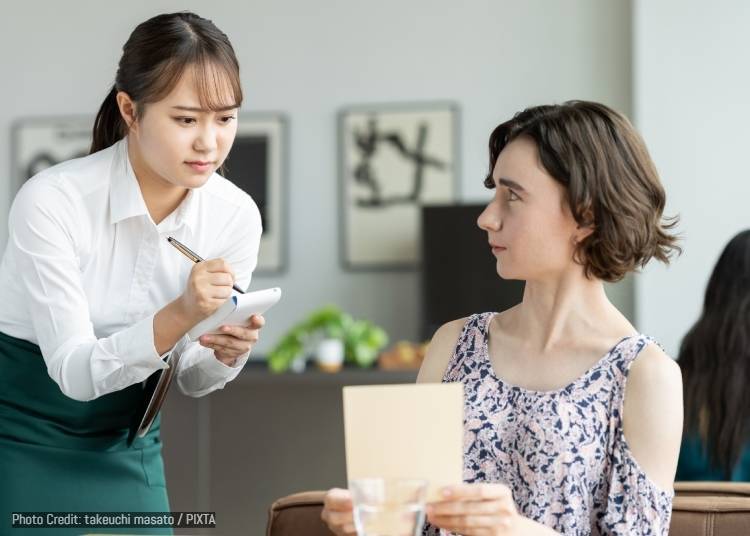
“I asked a restaurant if they could swap out an ingredient I didn’t like. The staff member just smiled at me, so I thought they understood. But when the food arrived, nothing had been changed...” (Woman in her 40s)
In many countries, people are used to flexible requests and small customizations, whether that means less ice, less sugar, swapping a side dish, or even asking if there’s a little room for a discount. In Japan, however, many businesses tend to stick closely to their standard service procedures.
When staff can’t accommodate a request, they may avoid giving you a blunt “no” in order to stay polite and keep the interaction smooth. Instead, you might notice an awkward expression or hear phrases like “chotto...” (“that might be a little difficult...”) or “muzukashii desu ne” (“that may be difficult”).
For travelers unfamiliar with Japanese communication, this can be confusing. Is that a yes or a no? In many situations, if you haven’t received a clear yes, it’s safest to take it as a polite refusal.
The best move is to accept it gracefully and avoid pushing further. Knowing when to stop asking is one of the easiest ways to navigate Japan’s unwritten social rules like a seasoned traveler.
Japan Etiquette Rule #2: “Sumimasen” Is the Magic Word You’ll Use More Than “Arigato”
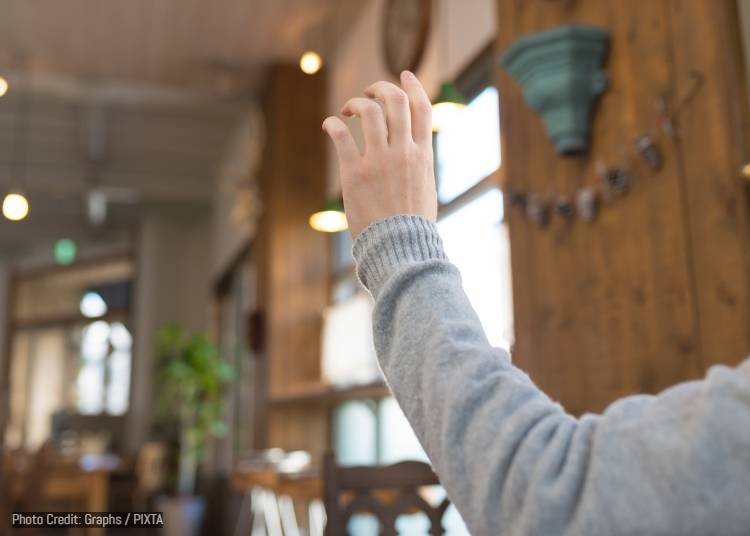
“I wasn’t sure how to get the staff’s attention at a restaurant, so I copied the Japanese table next to me and called out ‘Sumimasen!’ It worked instantly.” (Man in his 20s)
In Japan, “sumimasen” is one of the most useful words you can learn. Much like saying “excuse me” or “sorry” in English, it can cover everything from “sorry to bother you” and “excuse me” to a polite “thanks for the trouble.”
You can use it to call a server at a traditional restaurant, squeeze past someone when getting off a train, or acknowledge someone who has gone out of their way to help you. Master this one word and you’ll instantly have an easier time getting your point across politely in Japan.
(A quick tip: Many restaurants in Japan now use tabletop tablets, QR code ordering, or call buttons. Check your table first, and if there’s no button or ordering system, simply raise your hand and say “Sumimasen!”)
Japan Etiquette Rule #3: Back It Up! Why Personal Space Matters in Japanese Lines
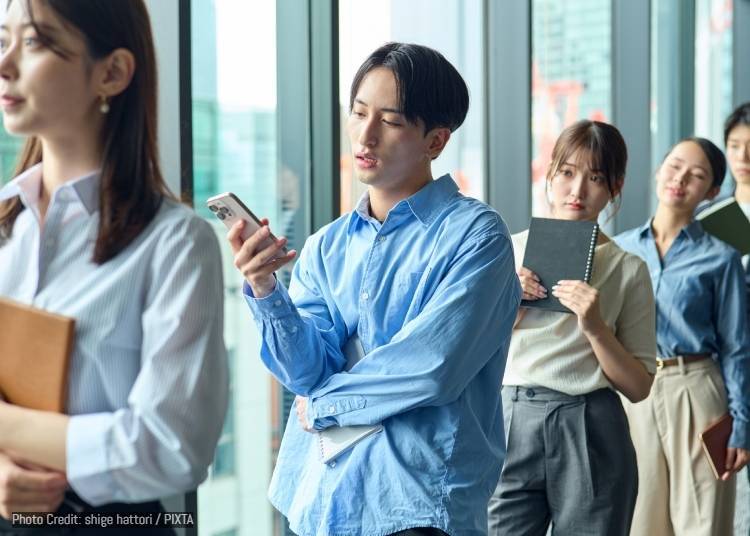
“I was waiting to pay at a convenience store, and the Japanese customer in front of me kept turning around and looking really uncomfortable. I only realized why after I stepped back a little, and then they stopped looking.” (Woman in her 40s)
In some places, it’s normal to stand pretty close behind the person ahead of you in line. In Japan, though, getting too close can feel surprisingly uncomfortable and even a little intimidating.
Personal space is one reason, but checkout lines in Japan also tend to place a strong emphasis on privacy and order. At convenience stores, supermarkets, and drugstores, you’ll often see a designated waiting line or footprint markers on the floor showing exactly where to stand.
The rule of thumb is simple: wait behind the marked line until the person ahead has finished paying and the staff calls you forward. Rather than hovering right behind someone, leave roughly an arm’s length or more when possible. It makes the whole experience feel smoother and a lot less awkward for everyone.
Japan Etiquette Rule #4: Cold or Considerate? In Japan, Not Bothering You Can Be the Ultimate Courtesy
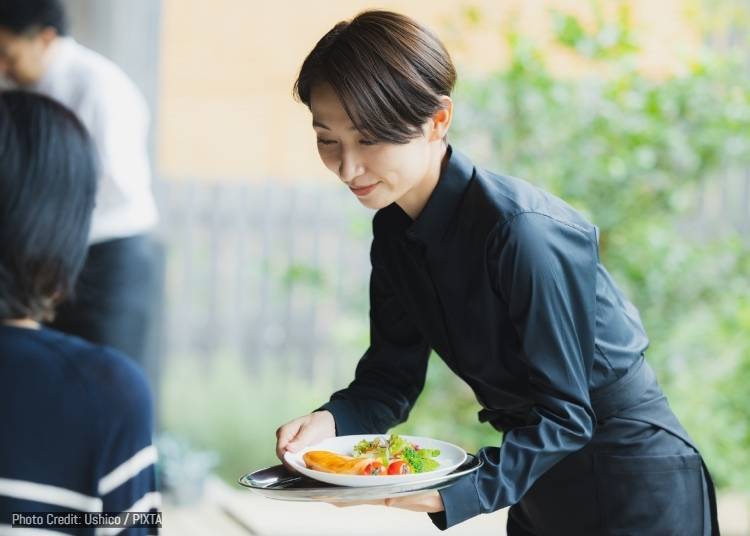
“Sometimes Japanese shops feel perfectly polite, but there’s also this invisible wall. It’s pretty different from Taiwan, where staff might happily chat with you and ask about your day.” (Man in his 30s)
Many Taiwanese travelers notice that while service in Japan is famously polite, it can also feel surprisingly distant. Behind that sense of space are two deeply rooted ideas in Japanese society: avoiding causing trouble for others, or hito ni meiwaku o kakenai, and enryo, the idea of showing restraint and consideration.
For many Japanese businesses, giving customers space, avoiding personal questions, and not interrupting unnecessarily are actually signs of respect. So if a staff member doesn’t strike up a conversation, it usually isn’t because they’re being cold. They may simply be trying to let you relax and enjoy your time without being disturbed.
That said, this can vary a lot depending on where you are and what kind of place you visit. In big cities like Tokyo, privacy and personal space tend to be more pronounced. Step into an Osaka shopping street or a neighborhood izakaya in the countryside, though, and you may find yourself warmly welcomed, chatted up, and perhaps even treated to a little impromptu English conversation.
Japan Etiquette Rule #5: Read the Room! In Japan, Body Language Can Say Everything
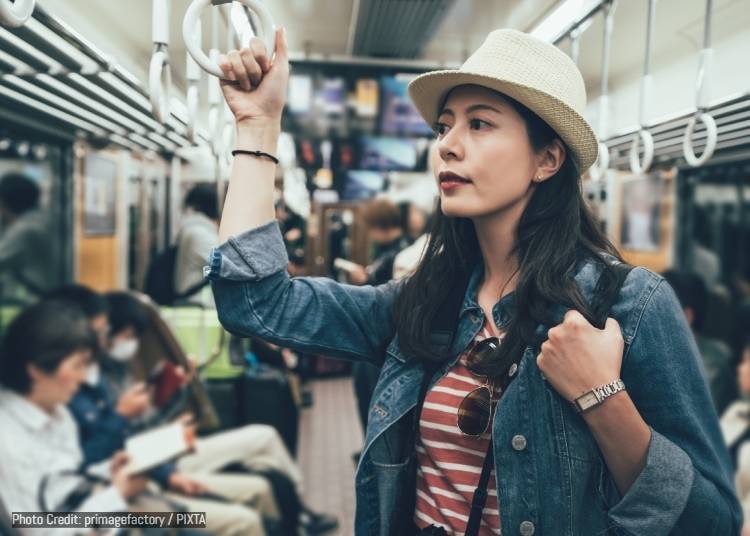
“Once I was on a train with a drunk man who was falling asleep and throwing up, but nobody woke him up. Everyone just quietly moved away.” (Woman in her 20s)
In many countries, seeing someone in trouble might prompt people to step in right away. In Japan, social cues are often much less direct. People may rely on glances, body language, and what everyone around them is quietly doing. This is the idea behind kuuki wo yomu, or “reading the room.”
If someone is extremely drunk, behaving unpredictably, or seems potentially threatening, many people in Japan will avoid eye contact, keep their distance, and quietly move to another part of the train. It can look cold from the outside, but it is often a way of protecting yourself and avoiding unnecessary confrontation in a confined space.
If you encounter something similar, you generally don’t need to intervene directly. Follow the lead of nearby passengers and move away calmly. If the situation is more serious, such as someone appearing unwell or vomit creating a hazard, notify station staff when the train stops or use the emergency/intercom button inside the train to alert railway staff.
Crack the Code and Read the Room Like a Pro in Japan!
When traveling abroad, a little cultural awareness goes a long way. Knowing the local do’s, don’ts, and unspoken social cues makes it much easier to avoid awkward moments, blend in naturally, and enjoy a smoother trip.
Keep these etiquette and communication tips in mind for your next visit to Japan, and you’ll be well on your way to becoming the kind of traveler locals are always happy to welcome.



Nemi has been living in Japan since 2015. She attended a Japanese-Chinese translation school in Japan and volunteered as a translator at the Osaka International House Foundation for 2 years. A busy mother, she explores trendy cafes, value-for-money buffets, and captures beautiful moments of cherry blossoms, hydrangeas, and maple leaves in her free time. She often travels with her family during holidays, collecting regional snacks and sampling local puddings. Nemi regularly shares top foodie spots, the best locations for picturesque views, and family-friendly guides to Osaka on her Instagram.
*Prices and options mentioned are subject to change.
*Unless stated otherwise, all prices include tax.
Popular Tours & Activities
Recommended places for you
-
Appealing
Rukku and Uohei
Izakaya
Sapporo / Chitose
-
Jukuseiniku-to Namamottsuarera Nikubaru Italian Nikutaria Sannomiya
Izakaya
Kobe, Sannomiya, Kitano
-
ISHIDAYA Hanare
Yakiniku
Kobe, Sannomiya, Kitano
-
Goods
Yoshida Gennojo-Roho Kyoto Buddhist Altars
Gift Shops
Nijo Castle, Kyoto Imperial Palace
-
Jozenji Street
Other Townscapes
Sendai And Matsushima
-
Naritasan Shinshoji Temple
Temples
Narita
-

Top-Booked by International Visitors: Must-Try Italian & Pizza in Tokyo for First-Time Visitors
by: Guest Contributor
-
Just 2 Hours from Tokyo! Escape to Yamanashi's NIPPONIA Kosuge, Where an Entire 700-Person Village Becomes Your Hotel
by: Alice Lee
-
Ad
Pocket WiFi Rental in Japan 2026: Complete Price Comparison & Where to Get the Best Deal
-
Japan's New GREEN LIFESTYLE TRAIN Connects Tokyo, Yokohama, and a Greener Future
by: Guest Contributor
-

Daikoku PA Car Meet: What Is JDM, and Why Do Enthusiasts Flock Here?
-

Haneda Airport Duty-Free Shopping Guide: What to Buy, How to Save & Where to Eat Before Your Flight
by: Guest Contributor
-
5 Items Available Only at Ameyoko
-
Kansai-Ben: 18 Fun Kansai Dialect Phrases To Use When Visiting Osaka
by: WESTPLAN
-
Aizu-Wakamatsu Sake Crawl: Enjoy the Heart of Fukushima's Sake Culture
-
Japan's Bath Culture: Tips You Should Know!
-
Japan's Nuisance Ranking: What Annoys The Japanese Most About People in Trains?
by: Guest Contributor
-
Get Japanese miscellaneous goods in Kishimojin and Waseda!
- #best sushi japan
- #what to do in odaiba
- #what to bring to japan
- #new years in tokyo
- #best ramen japan
- #what to buy in ameyoko
- #japanese nail trends
- #things to do japan
- #onsen tattoo friendly tokyo
- #daiso
- #best coffee japan
- #best japanese soft drinks
- #best yakiniku japan
- #japanese fashion culture
- #japanese convenience store snacks