


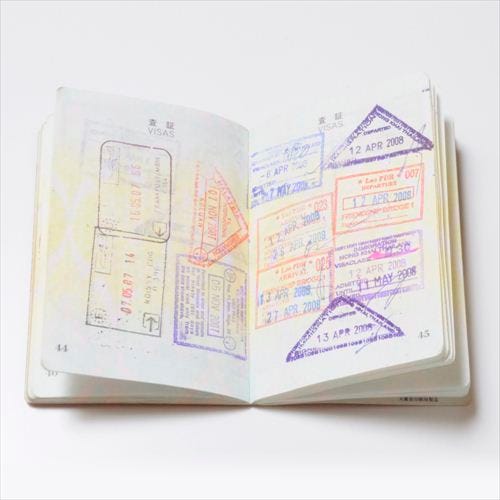



As of August 1, 2018 Japan introduced measures that would relax its multiple-entry visa requirements for citizens of the Philippines, effectively expanding its list of those eligible to receive them. In addition, from the previous 5-year validity period, multiple-entry visas can now be extended to a maximum of 10 years. Here’s what to know about the visa and the application process involved.
About the multiple-entry visa for business purposes for Filipinos
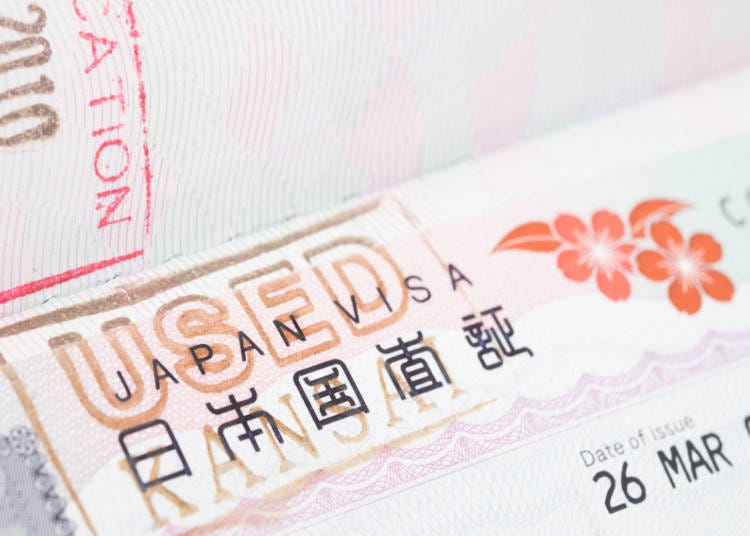
According to the Japanese embassy’s website (link below), the multiple-entry visa is intended for a business purpose on the first visit, however it can be used as a tourist visa or for visiting friends/relatives from the second visit onward. Periods of stay may be up to 15, 30, or 90 days, and the visa can be valid for 1, 3, 5, or 10 years.
Who is eligible?
There are two multiple-entry visas available for Filipinos: one which is for business purposes and one which is for tourists. This latest update affects only the multiple-entry visa for business purposes, which is not for all visitors. The Japanese embassy website lists eight categories of eligible applicants, which include: “A regular employee of a public (government) enterprise,” “An employee of a private company which is listed on the stock exchange (including Japan and third countries),” and “A regular employee with more than three travel records to Japan for business purpose in the last three years.”
In addition, applicants must belong to one of 6 specific job categories, including professionals (lawyer, doctor, certified public accountant), scientist or a specialist in humanities “who has relevant accomplishments.”
What application documents are necessary?
A variety of documents must be prepared along with the visa application form. These include, among others: a valid, signed Philippine passport; a recent photo; employment certificate; and documents evidencing that the applicant is employed under a qualifying category. It should be noted that, with few exceptions, although application forms and samples are listed on the embassy’s website, all visa applications must be made via travel agencies accredited by the Embassy of Japan in the Philippines – and not the embassy itself. A list of these accredited agencies, along with more information on the visa application process, is available on the Japanese Embassy website at http://www.ph.emb-japan.go.jp/itprtop_en/index.html

*Prices and options mentioned are subject to change.
*Unless stated otherwise, all prices include tax.
Popular Tours & Activities
Recommended places for you

-
ANA’s Chiikawa Jet Is Taking Off—Here’s Everything You Need to Know About Exclusive Goods, In‑Flight Fun & Travel Tips
by: Guest Contributor
-

Daikoku PA Car Meet: What Is JDM, and Why Do Enthusiasts Flock Here?
-
Just 2 Hours from Tokyo! Escape to Yamanashi's NIPPONIA Kosuge, Where an Entire 700-Person Village Becomes Your Hotel
by: Alice Lee
-

Seibu Group Launches New Chichibu Adventure Tourism Experience for International Travelers in 2026
by: Guest Contributor
-
Ad
Pocket WiFi Rental in Japan 2026: Complete Price Comparison & Where to Get the Best Deal
-
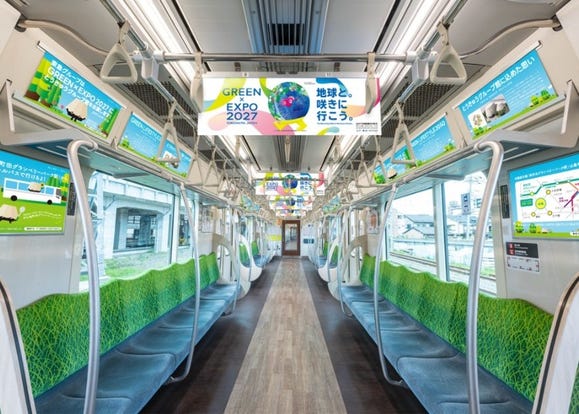
Japan's New GREEN LIFESTYLE TRAIN Connects Tokyo, Yokohama, and a Greener Future
by: Guest Contributor
Inspiration for Accommodations
-

Family-Friendly Hotels with Free Shuttle to Disneyland: Convenient Access for a Magical Stay
-
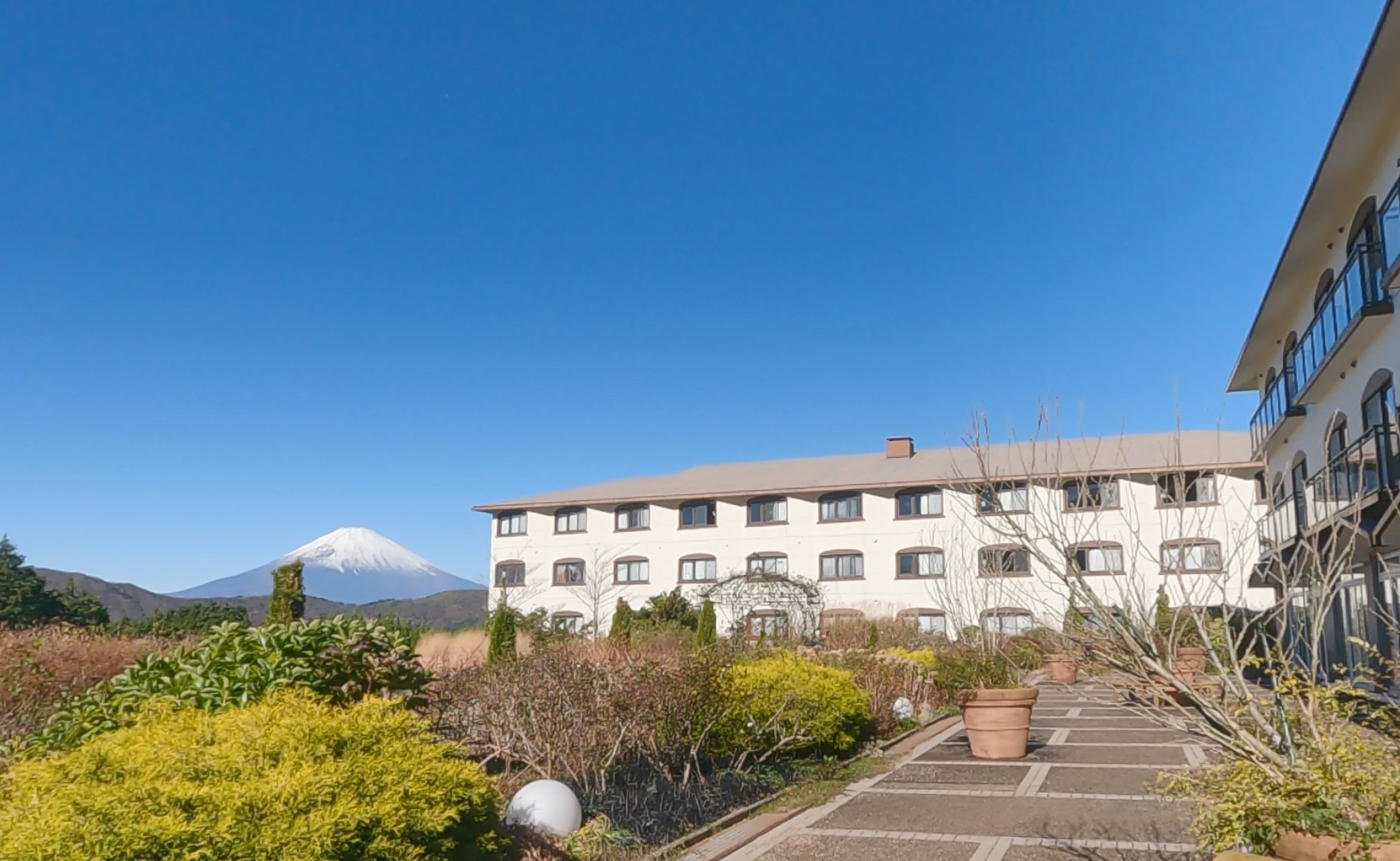
Top Ranked Hakone Hotels with Mt. Fuji View: Enjoy Stunning Scenery from Your Private Space
-
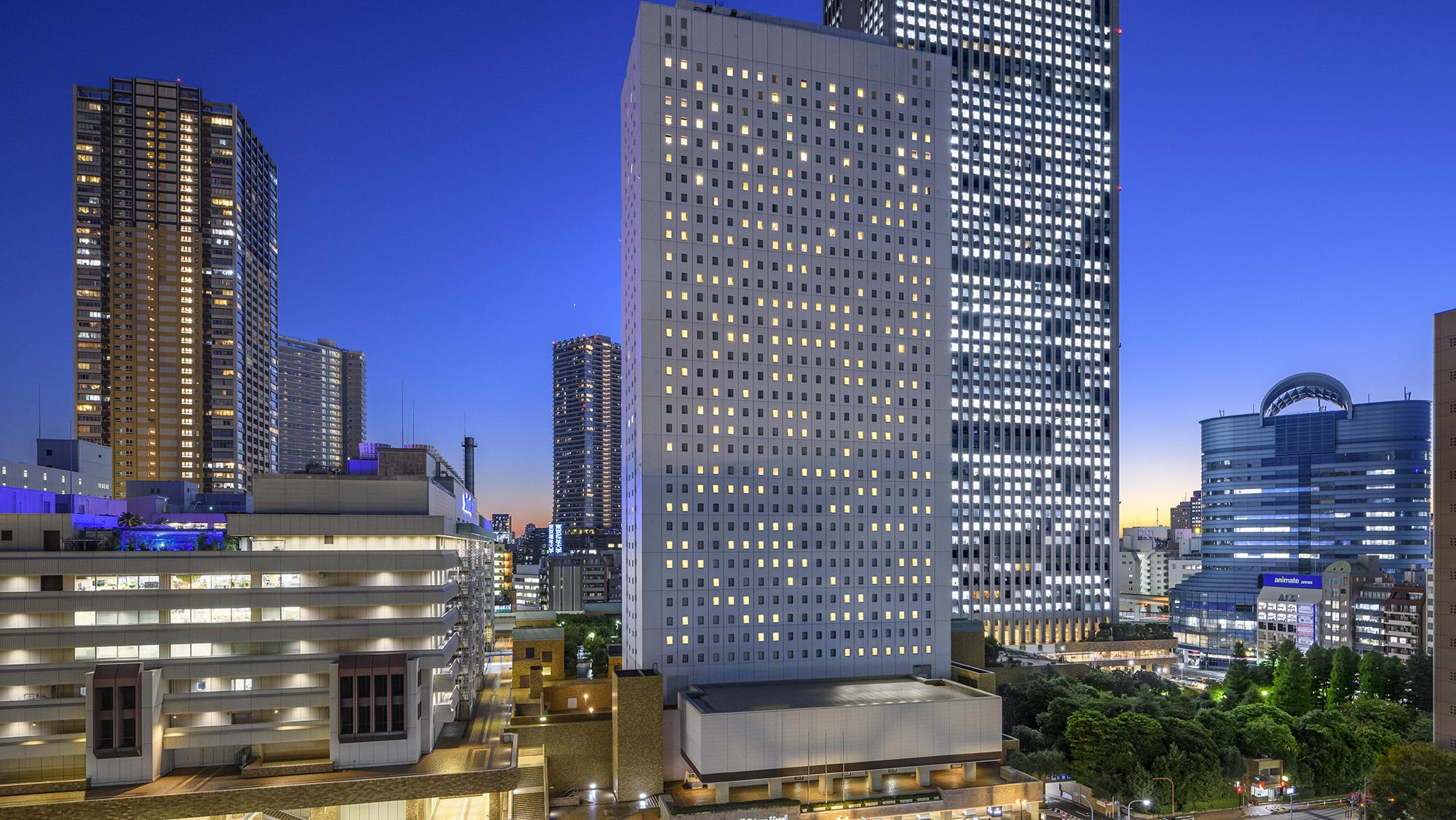
Convenient Tokyo Hotels with Airport Shuttle: Ideal for Families and Heavy Luggage
-
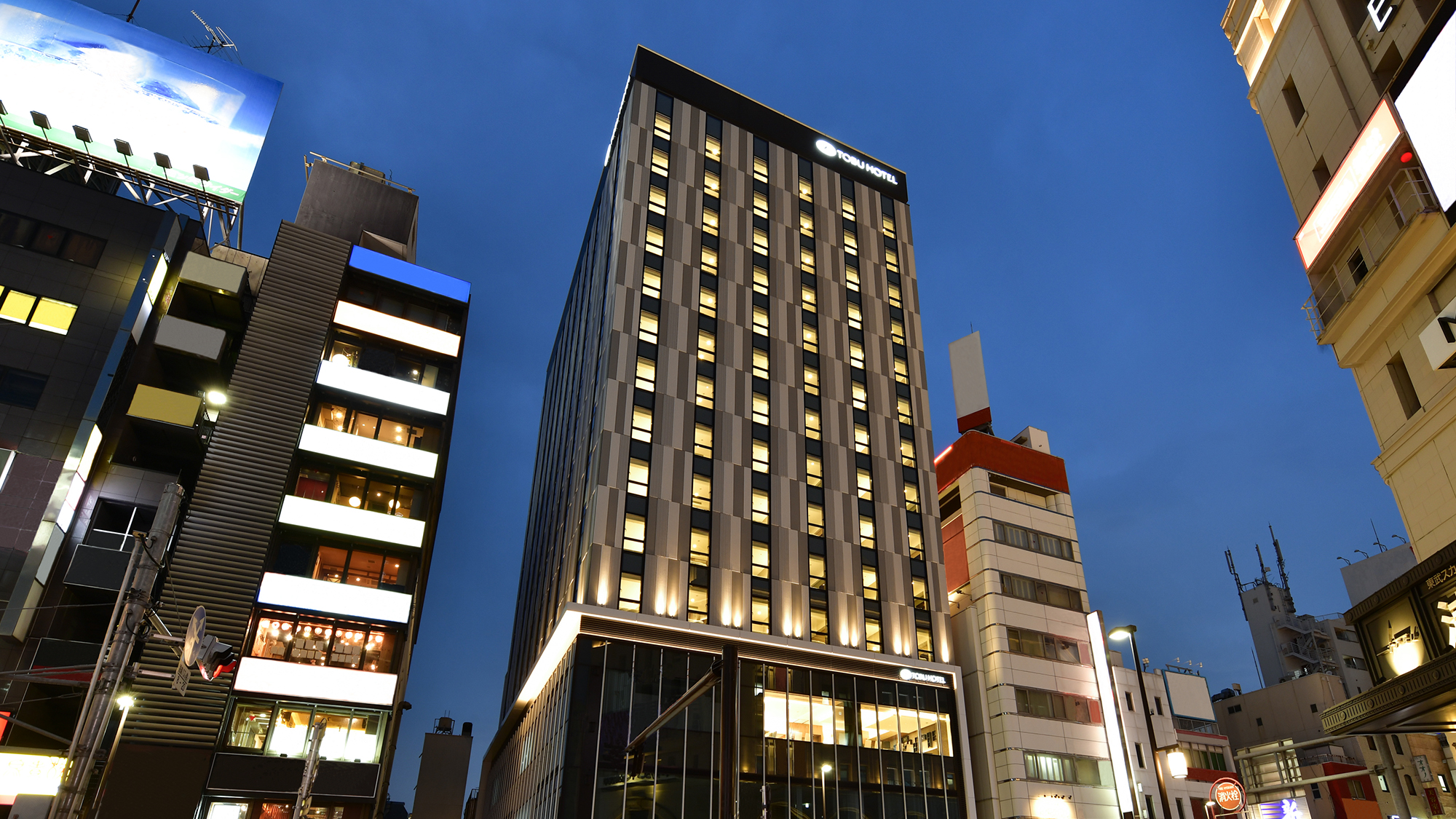
9 Family-Friendly Hotels with Comfortable Family Rooms in Asakusa
-
10 Open-air bath Onsen Ryokans in Hakone for Ultimate Relaxation
-
Meiji Shrine (Meiji Jingu): Exploring the Sacred Sanctuary of Peace in Bustling Tokyo
-
Getting to Asakusa Made Easy: From Narita & Haneda Airports
-
Healthcare in Japan for Tourists: What to Do When You Get Sick or Injured in Japan
-
4 Easiest Ways From Narita Airport to Shinjuku: Best Transport Options Compared
-
Japan's Bath Culture: Tips You Should Know!
-
Narita Airport to Ueno: Skyliner, Keisei Line, or N'EX? Compare Travel Times, Transfers & Fares
- #best ramen tokyo
- #what to buy in ameyoko
- #what to bring to japan
- #new years in tokyo
- #best izakaya shinjuku
- #things to do tokyo
- #japanese nail trends
- #what to do in odaiba
- #onsen tattoo friendly tokyo
- #daiso
- #best sushi ginza
- #japanese convenience store snacks
- #best yakiniku shibuya
- #japanese fashion culture
- #best japanese soft drinks