






Tokyo is often the first or final stop for many travelers to Japan, but the city’s appeal extends far beyond its skyscrapers and shopping districts. Just a short trip from the center, you’ll find charming towns, historic streets, and stunning natural scenery that reveal a different side of Tokyo.
- Table of Contents
-
- Kawagoe: "Little Edo" - Where you can experience the charm of Old Tokyo
- Shibamata: Enjoying fun, laid-back Showa-style streets and great shopping
- Naritasan Omotesando: The popular old Japanese street that's close to Narita Airport
- Mt. Takao: Enjoy respite in the embrace of nature - yet still close to Tokyo

In this guide, we introduce four rewarding day-trip destinations from Tokyo. Each is easy to reach, full of character, and known for its local specialties:
・Kawagoe – An Edo-period townscape that feels like stepping back in time
・Shibamata – A nostalgic neighborhood with Showa-era charm and comforting street food
・Naritasan – A historic temple town near Narita Airport, lined with traditional shops and local flavors
・Mt. Takao – A popular nature escape with scenic hiking trails and tranquil mountain views
Kawagoe: "Little Edo" - Where you can experience the charm of Old Tokyo

Kawagoe is one of the most popular day-trip destinations from Tokyo, located about 30 minutes north in Saitama Prefecture. Once a prosperous merchant town closely connected to Edo (the old name of Tokyo), Kawagoe still preserves the architecture and atmosphere of that era.
Nicknamed “Little Edo” (Koedo), the city is known for its beautifully preserved Edo-style buildings, warehouses, shrines, and temples that line its charming streets. Recognized as one of Japan’s “Historical Cities” and designated as an “Important Preservation District,” Kawagoe offers a rare glimpse into Japan’s past within easy reach of modern Tokyo.
Visitors can stroll along the old warehouse district, admire the iconic Bell Tower, and enjoy traditional sweets and snacks on Candy Alley. Despite its popularity, the area retains a relaxed, nostalgic charm that makes it feel worlds away from the city. It’s easy to see why so many fall in love with Kawagoe on their first visit.
Access
・From Ikebukuro Station: Take the Tokyo Metro Fukutoshin Line (about 33 minutes) or the Tobu Tojo Line (about 45 minutes) to Kawagoe Station
・From Shinjuku Station: Take the Fukutoshin Line (about 46 minutes) or the JR Saikyo Line (about 54 minutes) to Kawagoe Station
・Nearest stations: Hon-Kawagoe Station for the warehouse district and Bell Tower, Kawagoeshi Station for Candy Alley
Highlights
・Kurazukuri no Machinami (Warehouse District)
・Bell Tower
・Kawagoe Hikawa Shrine
・Kawagoe Shrine
・Candy Alley


Your first stop in Kawagoe should be Kurazukuri Street (the historic warehouse district), the city’s most iconic area, known for its black-tiled, kura-style buildings preserved from the Edo period. Along the main street and its narrow side lanes, you will find shops selling local souvenirs, traditional crafts, and sweets, as well as plenty of restaurants and snack stands that make it easy to enjoy a relaxed food crawl.
One landmark you should not miss on Kurazukuri Street is Toki no Kane (Bell Tower). Standing about 16 meters tall, this symbol of Kawagoe has been marking the time for local residents for more than 400 years. Another highlight is Kawagoe Daishi Kitain, a historic temple with a history of over a thousand years. Its grounds preserve important historic buildings and are said to include sites connected to the Tokugawa shoguns, earning it recognition as an important cultural property.

If you visit Kawagoe and skip Kawagoe Hikawa Shrine, you will almost certainly regret it. With a history of around 1,500 years, this shrine is famous for blessings related to relationships and connections. Visitors come here to pray for romance, harmonious marriages, family happiness, and smoother relationships with friends or colleagues. The shrine also offers a variety of uniquely designed omamori charms and matchmaking fortunes, making it easy to find something meaningful to take home.
On weekdays, the shrine has a calm, graceful atmosphere that is perfect for photography. From July through early September each year, it hosts the popular matchmaking wind chime festival. During this period, around 2,000 colorful wind chimes are hung throughout the grounds, creating a beautiful and unforgettable summer scene.

Continuing along the street will eventually lead you to the narrow lanes of Kashiya Yokocho (Candy Alley), a charming area packed with candy shops from across Japan. The shelves are lined with nostalgic sweets and beautifully packaged handmade treats that make perfect souvenirs to take home.
One standout is Tamaryoku Seika, a long-established candy maker with over a century of history. The shop offers an impressive variety of treats, from colorful molded candies to plum candies made with pickled ume, as well as refreshing mint sweets blended with traditional herbal recipes. Inside, the sweet aroma fills the air, and an open workshop lets visitors watch artisans carefully handcraft each candy. Seeing rows of freshly made sweets appear one after another makes it hard to resist buying a generous selection to enjoy later.
Popular must-try food

Kawagoe is also known for its traditional local foods and snacks, many of which have been passed down through generations. Each dish reflects the city’s long history and craftsmanship, making them all worth a try.
For something uniquely local, visit Ogakiku, a long-established restaurant famous for its ikameshi (squid stuffed with rice). The squid, carefully selected from domestic catches, is tender and flavorful, with a distinctive sauce that brings out the rich umami of the dish. While it may seem adventurous to some visitors, it’s a true taste of old Japan.
If you prefer something sweeter, Kawagoe’s specialty ingredient is the sweet potato. You’ll find countless creative variations around town, from sweet potato cakes shaped like rice balls to bite-sized sweet potato balls, ice cream, shaved ice, and even crispy sweet potato chips. Don’t miss the sweet potato soba, a local favorite that combines the earthy sweetness of the vegetable with the delicate flavor of handmade noodles.
When you need a break from exploring, stop by Tsubakiya Foot Spa Tearoom, a charming café where you can enjoy dessert while soaking your tired feet in a warm foot bath. Pair a coffee or tea with a traditional Japanese-style dessert featuring matcha ice cream, candied fruits, and red bean paste. It’s a perfect way to relax and refresh before continuing your stroll through this picturesque town.
Enjoy a deeper moment: Walk around town dressed in kimono!

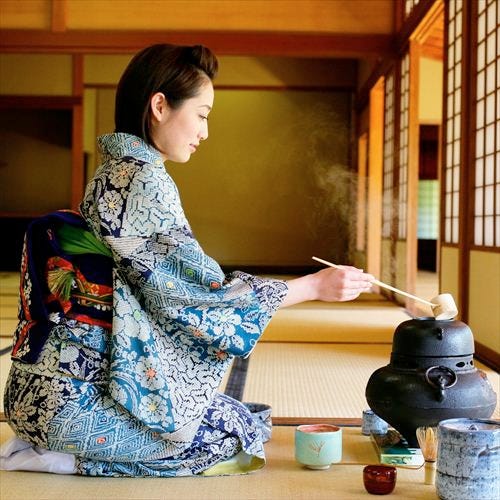
Kawagoe also has several kimono rental shops where you can transform into a kimono-clad beauty for the day. With hundreds of kimono styles, colors, obi belts, bags, and footwear to choose from, it is easy to create a look that matches your personal taste. Staff will also help style your hair to complete the outfit. Dressed in an elegant kimono, you can stroll through Kawagoe’s Edo-era streets and scenic corners, capturing beautiful photos and creating memorable moments in a town that feels like a step back in time.
Shibamata: Enjoying fun, laid-back Showa-style streets and great shopping

Located in northeastern Tokyo, Shibamata is known for its down-to-earth old-town atmosphere, historic temples, traditional Japanese gardens, and a lineup of classic local foods. With travel times of as little as 30 minutes from central Tokyo and many sights clustered within walking distance, it has become increasingly popular with overseas visitors in recent years.
That said, Shibamata has long been a beloved destination among Japanese travelers. It is famously known as a main filming location for the classic film series Otoko wa Tsurai yo (It’s Tough Being a Man), with many everyday scenes and storylines set right here. If you have seen the films, stepping out of Shibamata Station feels like walking straight onto a familiar movie set. Even if you have not, simply follow the flow of visitors along the nostalgic stone-paved approach, slow your pace, and soak in Shibamata’s distinctive retro charm and surprisingly rich collection of sights.
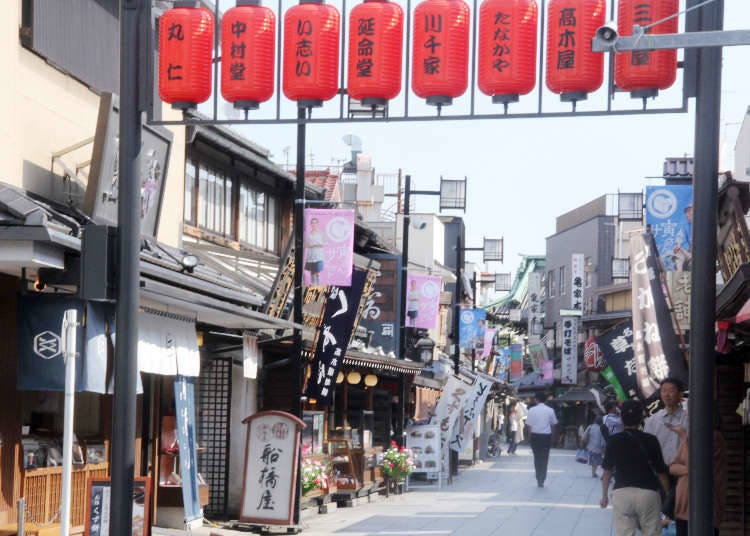


Stepping out of Shibamata Station, you will find yourself right at the entrance to the Shibamata Sando Shopping Street, which serves as the starting point for exploring the area. While the street itself is not very long, it is packed with eye-catching traditional shops, from souvenir stores and classic snack stands to small general stores and casual eateries. The nostalgic, old-fashioned atmosphere makes it easy to stroll from one end to the other at a relaxed pace, without much walking, while still enjoying plenty to see and taste.
At the end of the street, the impressive halls of Shibamata Taishakuten (Daikyo-ji) come into view. Founded in 1629 during the early Edo period, Shibamata Taishakuten has long been the spiritual heart of the local community. The temple complex features richly carved buildings created by skilled Japanese artisans, as well as a spacious traditional garden known as Suikei-en, which is well worth taking your time to explore.
Another highlight in Shibamata is Yamamoto-tei, a shoin-style residence that blends Japanese and Western design elements. Once the home of Einosuke Yamamoto, founder of a Japanese camera parts manufacturer, the building reflects architectural trends of the Taisho era, when Western influences were gradually incorporated into traditional Japanese design. Its beautifully maintained garden has also earned high praise, including a top-three ranking by the U.S.-published Japanese garden magazine Sukiya.
At Yamamoto-tei, visitors can sit on tatami mats and enjoy traditional sweets and rich matcha while admiring the garden views, a relaxing experience unique to this setting. Shibamata is also closely associated with the long-running film series Otoko wa Tsurai yo, making the Tora-san Museum another must-visit spot. Even if you have never seen the films, the museum is still engaging, with recreated scenes, detailed models, and interactive exhibits that evoke the warmth and simplicity of everyday life in earlier times. It is a place that surprises many visitors with just how fun and immersive it is.
Popular Food to Try

Lining the main street of Shibamata are countless traditional eateries and snack shops serving delicious local specialties. Among them, Ebisu-ya stands out as a signature restaurant that dates back to the Edo period. The current wooden building, constructed in the Taisho era, exudes old-world charm and overlooks a serene garden pond. Diners can savor classic Japanese dishes while soaking in the nostalgic atmosphere that feels like stepping back in time.
For those craving a satisfying Japanese rice bowl, Yamatoya is the place to go. Their popular tendon features two large pieces of crispy prawn and vegetable tempura drizzled with sweet sauce—a perfect combination that keeps visitors coming back for more.
After your meal, be sure to stop by Takagiya, a century-old dango shop famous for its kusa dango—soft rice dumplings topped with rich red bean paste. The chewy texture and gentle sweetness make it an irresistible treat, and the shop’s rustic wooden façade adds to the charm.
Before you leave, don’t forget to pick up some freshly baked rice crackers from Asanoya, one of Shibamata’s most beloved stores. Made by hand using traditional methods and baked right in the shop, these crisp, savory senbei make excellent souvenirs—or the perfect snack to enjoy as you continue your stroll.
Naritasan Omotesando: The popular old Japanese street that's close to Narita Airport

If you are flying in or out of Narita Airport and find yourself with some extra time, you might be wondering if there is a worthwhile place nearby that is easy to visit and convenient for getting back to the airport. A great option is Naritasan Omotesando, a charming sightseeing area located about a 10-minute drive from the airport and directly along the train line serving Narita Airport.
This atmospheric street is lined with well-preserved Edo-period shop buildings, creating an orderly streetscape filled with classic Japanese charm. It is an easy, relaxed place to stroll without rushing or covering long distances. At the end of the approach, you will find Naritasan Shinshoji Temple, a nationally designated Important Cultural Property that is well worth a visit. Making a short stop here is a wonderful way to use your remaining time and add a memorable final touch to your journey.
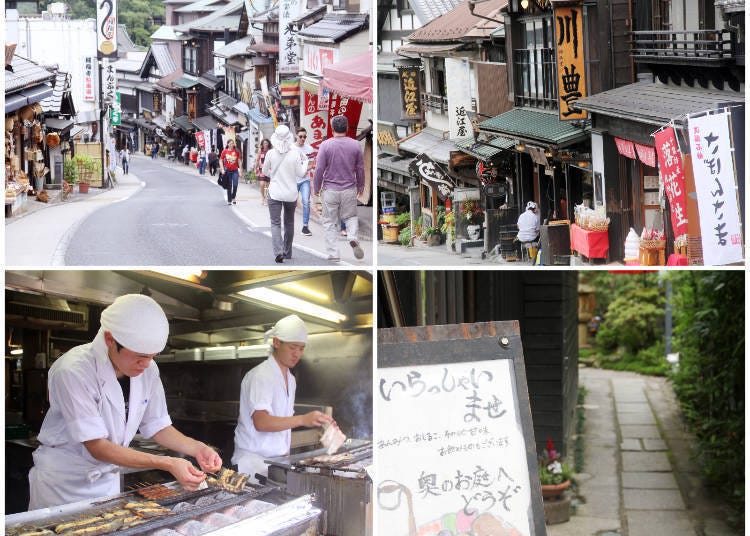

Naritasan Omotesando is located near both JR Narita Station and Keisei Narita Station. From the station exits, the gently sloping approach to Naritasan Shinshoji Temple stretches for about one kilometer and is filled with a classic Japanese atmosphere. Along the way are more than 100 shops, including souvenir stores, general goods shops, old-fashioned pharmacies, Japanese restaurants, traditional sweet shops, and specialty stores selling local sake. If you want to enjoy Japanese food one last time before heading home, or pick up extra souvenirs and gifts, this street makes it easy to do both in one relaxed stroll.
With a history of over 1,000 years, Naritasan Shinshoji Temple is one of the most popular temples in the Kanto region. It is also a designated destination for New Year visits, and every year from New Year’s Eve onward, huge crowds gather here to welcome the new year and pray for good fortune and business success. The crowds can be so large that police are brought in to manage the flow of visitors. The temple is also known as a place to pray for romantic connections, which has made it especially popular with female worshippers.
Popular Must-try Foods

When it comes to food along Naritasan Omotesando, the most famous spot is without question the century-old unagi restaurant Kawatoyo. Plump, tender eel is prepared right at the storefront by skilled craftsmen, who fillet, steam, and grill each eel fresh every day. As the eel sizzles over the charcoal, its rich aroma drifts down the street, drawing in hungry passersby who happily wait for a chance to try this local specialty.
Unagi is not the only highlight here. Sushi lovers should also stop by Narita Edokozushi Sando Honten, a favorite among locals. The sushi portions are surprisingly generous, and from the first bite, the natural sweetness and freshness of the seafood really stand out. With both quality and volume well above expectations, it is a satisfying stop for a proper meal.
For something sweet, keep an eye out for long-established shops known for their freshly made mochi. Prepared early each morning using traditional mortar-and-pestle methods, the mochi is soft, pleasantly chewy, and full of character. Grilled dango and red bean dango are especially popular, with house-made anko adding a comforting, nostalgic flavor.
If you still have time, finish your stroll with a Japanese-style dessert break at Miyoshiya. This elegant sweets café offers semi-open-air seating, and even the indoor tables overlook a peaceful Japanese garden. All desserts are carefully made using high-quality, domestically sourced ingredients, making it a must-stop for anyone with a sweet tooth.
Mt. Takao: Enjoy respite in the embrace of nature - yet still close to Tokyo

Located just outside central Tokyo, Mount Takao offers rich natural scenery throughout the year, with lush forests and well-maintained hiking infrastructure along its trails. Because the mountain is not especially high and the routes are thoughtfully designed, it attracts visitors of all ages, from seniors to families and younger hikers, especially on weekends. For Tokyo residents, it is a go-to escape when they want a break from the city and some fresh air, and in autumn it is widely regarded as one of the must-visit spots for fall foliage near the capital.
Those who are not keen on hiking can simply take the cable car up the mountain to enjoy sweeping views with minimal effort. Along the way, there are historic temples, small wildlife attractions, and plenty of places to stop for a meal or snack. Spending a full day exploring the Mount Takao area at a relaxed pace makes for an easy, rewarding day trip filled with nature, culture, and scenery.


Mount Takao is home to many attractions and facilities. Here are two of its most representative highlights, starting with TAKAO 599 MUSEUM. Located between Takaosanguchi Station and Kiyotaki Station, where the cable car departs, this museum is free to enter and easy to stop by on your way up the mountain. Its exhibits introduce the rich natural environment of Mount Takao, showcasing the flowers, trees, and insects that appear throughout the seasons. Each display is presented almost like a work of art, making it easy to appreciate the mountain’s biodiversity and, before you know it, feel a deeper connection to Mount Takao itself.
Another must-see spot is Yakuoin Temple, officially known as Takaosan Yakuoin Yukiji, which sits along the mountain’s hiking trails and has a history of nearly 1,260 years. Within the temple grounds are several “Rokkong Shojo” stone wheels, which visitors can turn while walking past. It is said that doing so helps purify the five senses and the mind. After that, you can make a wish as you pass through the large stone ring known as the Ganjo Waku, then strike the oversized ritual staff nearby. According to tradition, this sequence is believed to help bring your wishes closer to reality. Yakuoin is also a popular place to pray for romantic connections, love, and financial luck, so many visitors take the opportunity to ask for a little extra good fortune in every area of life.

Reaching the summit is not only a satisfying hiking achievement, it is also a great way to shake off the stress of everyday life. The panoramic views waiting at the top make the climb feel completely worthwhile. On clear days, you can even see Mount Fuji, Enoshima, the Boso Peninsula, and Mount Tsukuba stretching out in the distance. Near the summit, the Takao Tourist Center is also worth a stop, offering detailed information on seasonal events and sightseeing tips to help you make the most of your visit.
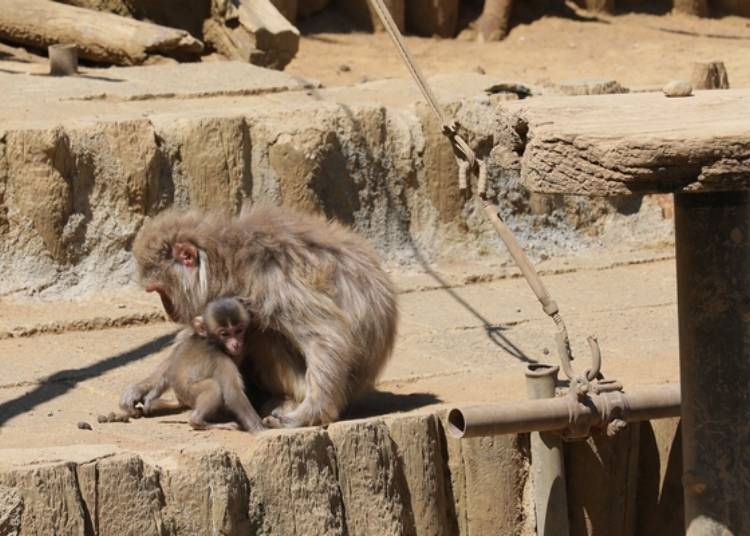
Near Takaosan Station, another popular attraction is Takao Monkey Park and Wild Plant Garden. Home to around 70 monkeys that roam freely within the grounds, the park allows visitors to observe their natural behavior up close. It is an especially fun stop for anyone who enjoys being around animals and wants to see a more natural side of wildlife during their day trip.

At the end of your Mt. Takao adventure, unwind at Keio Takaosan Onsen Gokurakuyu, a relaxing hot spring facility conveniently located right next to Takaosanguchi Station. It’s the perfect way to soothe tired legs and refresh your mind after a day of exploring. The complex offers a variety of baths, including open-air hot springs surrounded by nature, carbonated baths, and stone baths where you can rest comfortably while enjoying the tranquil atmosphere. There’s also an on-site restaurant where you can savor local specialties inspired by the flavors of Mt. Takao.
Must-Try Food

While exploring the exhibits at the TAKAO 599 MUSEUM, take a moment to relax at the 599CAFE, which serves light meals, desserts, and specialty siphon-brewed coffee. It’s an ideal spot to pause before or after your hike and enjoy a calm, modern space surrounded by nature.
Along the mountain trails, several charming tea houses invite visitors to rest and recharge. These cozy spots offer freshly made dumplings, tea, and other simple snacks that give you a little boost for the climb. Near the summit, the Yamabiko Tea House offers a lovely setting surrounded by lush forest, with windows framing the serene greenery of Mt. Takao. Be sure to try their warm and delicate soba noodles, a comforting favorite among hikers.
For those who prefer to celebrate their hike with a drink, the Mt. Takao Beer Garden is the perfect place to unwind. Here, you can enjoy beers from major brands alongside wine, Japanese sake, shochu, and non-alcoholic options. A buffet featuring Japanese, Western, and Chinese dishes ensures you won’t leave hungry. Whether by day or at night, the views from the restaurant are spectacular, making it a fitting finale to your Mt. Takao adventure.

During your visit to Tokyo, be sure to round off your vacation with a day trip to the suburbs! Be sure to include at least one of these four spots in your next trip itinerary and explore a new, unique area!
*Prices and options mentioned are subject to change.
*Unless stated otherwise, all prices include tax.
Popular Tours & Activities

Recommended places for you
-
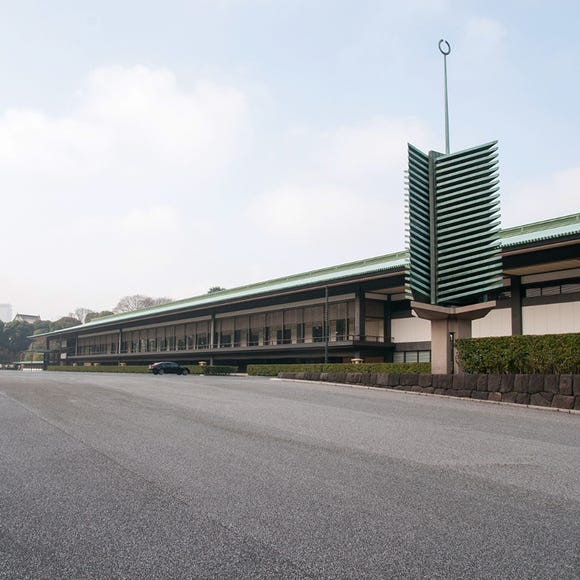
The Imperial Palace
Other Architecture
Tokyo Station
-
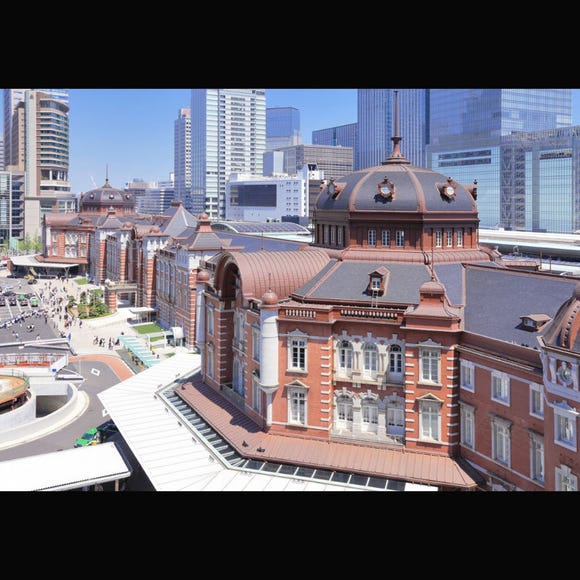
The Tokyo Station Marunouchi Building
Landmarks
Tokyo Station
-
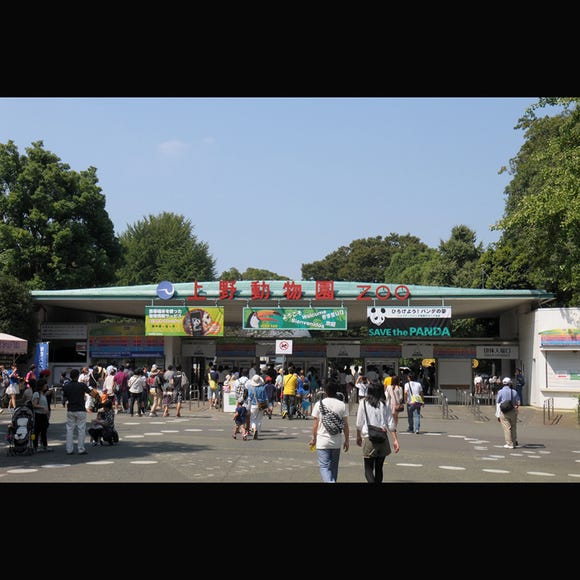
Ueno Zoo (Ueno Zoological Gardens)
Zoos, Aquariums & Botanical Gardens
Ueno
-
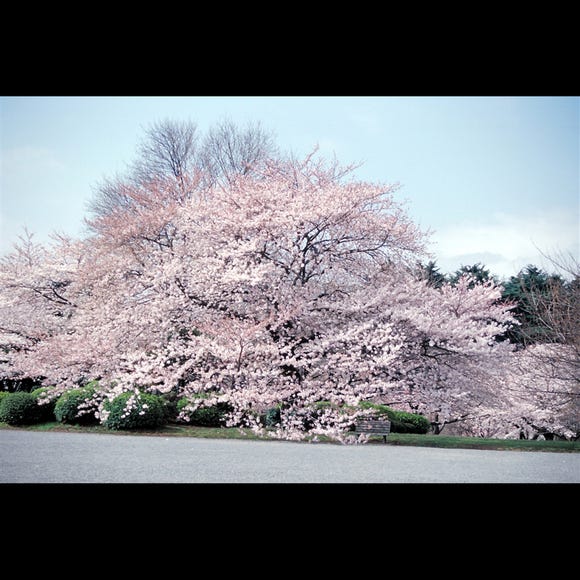
Shinjuku Gyoen National Garden
Gardens
Shinjuku
-
Senso-ji Temple
Temples
Asakusa
-
Tsukiji Outer Market
Old Towns (Shitamachi)
Tsukiji
-
Autumn in Japan 2026: Fall Foliage Forecast & Where to Enjoy the Colorful Leaves (+Tour Info)(Updated Oct 1)
-

Daikoku Car Meet Guide: How to Visit, Best Times & Rules
-
Just 2 Hours from Tokyo! Escape to Yamanashi's NIPPONIA Kosuge, Where an Entire 700-Person Village Becomes Your Hotel
by: Alice Lee
-

Best Sumo Shows & Experiences in Tokyo (2026): Prices Compared
-
Ad

Pocket WiFi Rental in Japan 2026: Complete Price Comparison & Where to Get the Best Deal
-

Haneda Airport Duty-Free Shopping Guide: What to Buy, How to Save & Where to Eat Before Your Flight
by: Guest Contributor
Inspiration for Accommodations
-
Family-Friendly Hotels with Free Shuttle to Disneyland: Convenient Access for a Magical Stay
-
Top Ranked Hakone Hotels with Mt. Fuji View: Enjoy Stunning Scenery from Your Private Space
-
Convenient Tokyo Hotels with Airport Shuttle: Ideal for Families and Heavy Luggage
-
9 Family-Friendly Hotels with Comfortable Family Rooms in Asakusa
-
10 Open-air bath Onsen Ryokans in Hakone for Ultimate Relaxation
-
6 Fun Things to Do at Tokyo's World-Famous Tsukiji Outer Market!
-
Explore the Charm of Tsukishima: Tokyo's Hidden Treasure
-
Guide to Tokyo's Old Quarter: 7 Quaint Spots in Yanesen!
-
Easy Day Trip from Tokyo! Ultimate Sightseeing Guide for Hakone & Lake Ashinoko!
-
Touring Tokyo's Asakusa Area with Kids: Essential Guide, Tips & Recommended Food Spots!
-

A Flight Attendant's Guide to Tokyo in 2 Days! The Ultimate Flash Trip Itinerary — No Secrets Held Back!
by: Guest Contributor
- #best ramen tokyo
- #what to buy in ameyoko
- #what to bring to japan
- #new years in tokyo
- #best izakaya shinjuku
- #things to do tokyo
- #japanese nail trends
- #what to do in odaiba
- #onsen tattoo friendly tokyo
- #daiso
- #best sushi ginza
- #japanese convenience store snacks
- #best yakiniku shibuya
- #japanese fashion culture
- #best japanese soft drinks