



Once your flight is booked, finding the right place to stay is often the next big challenge. With Japan's travel boom showing no signs of slowing down, popular spots like Tokyo can sell out of rooms fast during peak seasons, so booking accommodation deserves just as much attention as your flights and itinerary. Japan offers all kinds of places to stay, and the best choice really depends on your trip and travel companions. Picking the right type can make your whole trip more enjoyable and leave you with great memories. Drawing on three years of hotel industry experience each in Taiwan and Japan, I'm sharing insider tips to help you choose accommodation that suits your style, so you can enjoy your days and sleep soundly at night. I'll also reveal the different services offered by various types of Japanese accommodation, plus the questions travelers most often ask hospitality staff, so you can travel like a pro.
Types of Accommodation Explained: Why Staying Smart Beats Just Staying Comfortable
Using Tokyo as an example, here's a general breakdown of accommodation types:
International Chain Star Hotels & High-End Japanese Brand Hotels
These are rated on an international star scale from one to five, and the facilities and services on offer vary depending on the star rating. If you're after a truly luxurious stay or prefer all-inclusive service, a four or five star hotel is worth considering. Big international names like the Shangri-La Tokyo, Hyatt Regency Tokyo, Mandarin Oriental Tokyo, The Peninsula Tokyo, and The Ritz-Carlton Tokyo are all well known choices, and Tokyo is also home to plenty of homegrown Japanese luxury brands. Japan doesn't technically use an official star rating system, but the interiors and facilities at these hotels easily rival their international counterparts, letting you enjoy pure luxury alongside genuinely authentic Japanese hospitality for a truly memorable stay. Look out for the century-old Imperial Hotel Tokyo, the Chinzanso Tokyo that locals swear by, and Ryumeikan, which has earned Michelin recognition seven years running, along with many other classic upscale Japanese hotels just waiting to impress you.
*Star ratings aren't standardized across countries, so for a more reliable read on quality and facilities, it's worth checking sites like Tripadvisor or Forbes Japan.
Chain Business Hotels
Japan is also full of small and mid-sized chain hotels, and in recent years, more have been popping up all over Tokyo to keep up with growing tourist demand. They're usually located close to train stations or other convenient spots, and while the rooms tend to be on the compact side, they're clean, tidy, and reasonably priced, making them a favorite with travelers. Brands familiar to many Taiwanese travelers include Toyoko Inn, APA Hotel, Hotel Mystays, Mitsui Garden Hotel, Dormy Inn, and Super Hotel. These are a great option if you want decent quality without spending too much.
Boutique Design Hotels
As a trendsetting hub of Asian style, Tokyo naturally has no shortage of design and art focused architecture. Beyond that, works by famous designers and design studios compete for attention all across the city, each one more distinctive than the last. Highlights include Kengo Kuma's ONE@Tokyo and The Capitol Hotel Tokyu, which he also worked on, the sleek and modern Granbell Hotel, CLASKA which grew out of a homegrown lifestyle brand, and the Kangaroo Hotel, winner of a 2011 Good Design Award. All of these are highly recommended design hotels worth staying at on your Tokyo trip.
Hostels
Youth travel is hardly a recent trend. For decades, many young Western travelers curious about Eastern culture have chosen Japan as their first destination, leading to the rapid growth of hostels across the country. They are especially popular in areas such as Asakusa and Kuramae, where the streets retain a distinctly traditional Japanese atmosphere.
Hostels are generally priced with younger, budget-conscious travelers in mind. Most offer bunk beds or shared dormitories, along with communal bathrooms and showers, while some also provide women-only areas. Their defining feature is a shared lounge where guests can eat, chat, and meet travelers from around the world, making them ideal for anyone seeking an international cultural exchange.
In recent years, stylish design hostels have also become increasingly popular. Notable options include Nui. HOSTEL & BAR LOUNGE, which features its own bar; GRIDS Akihabara Hotel + Hostel, particularly recommended for female travelers; the distinctly Japanese-inspired BUNKA HOSTEL TOKYO; and toco., which occupies a renovated traditional Japanese house. These are excellent choices for travelers looking to meet new people and broaden their horizons.
Capsule Hotels
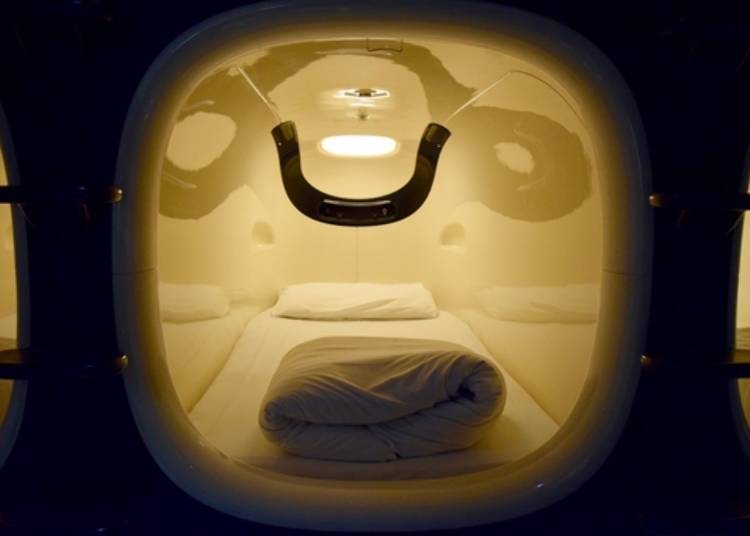
Capsule hotels are among Japan’s most affordable accommodation options and one of the country’s most distinctive lodging experiences. The first capsule hotel opened in Osaka in 1979, originally providing office workers who had missed the last train after a late night out with a simple place to sleep.
Capsule hotels remain reasonably priced today. Although the sleeping spaces are still compact, their facilities have improved considerably, with some incorporating creative design and advanced technology to provide a more comfortable night’s sleep.
Recommended options include the minimalist Nine Hours Shinjuku-North; MyCUBE, which offers more space than a conventional capsule; First Cabin, known for its well-equipped, aircraft-inspired rooms; the women-only Nadeshiko Shibuya; and Book and Bed Tokyo, where guests can fall asleep surrounded by books. They are ideal for budget travelers who want to experience Japan’s unique capsule hotel culture.
Vacation Rentals
In the past, Japanese travel forums often recommended guesthouses operated by Taiwanese hosts, allowing travelers to book in Chinese, receive travel advice, and enjoy a stay that felt closer to everyday local life.
The rise of Airbnb brought greater variety and visibility to Japan’s vacation rental market. However, inadequate regulations also led to problems such as last-minute cancellations, safety concerns, and disputes between rental operators and local residents. Clearer regulations introduced in June 2018 helped provide travelers with greater protection and peace of mind when booking.
Stay Japan, Japan’s first website specializing in legally registered vacation rentals, is another useful option: https://stayjapan.com/.
Japanese hotels often have relatively few family rooms or rooms accommodating four or more guests. Vacation rentals therefore offer a convenient alternative for families and groups of friends who wish to stay together.
Onsen Ryokan
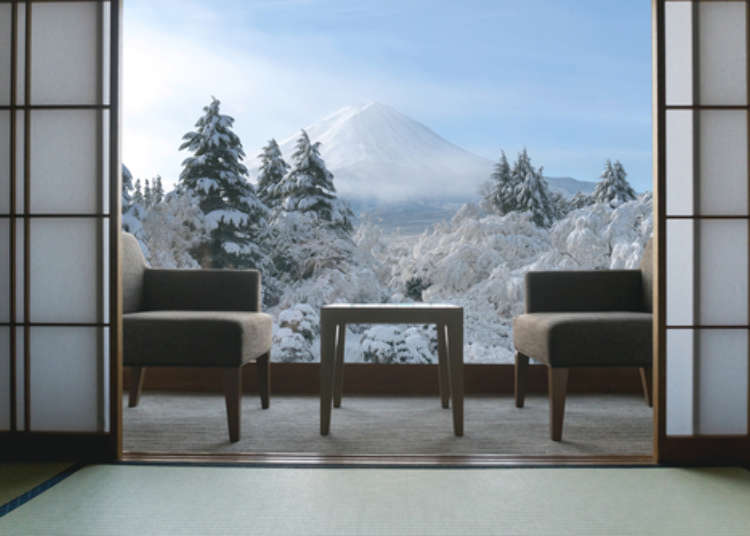
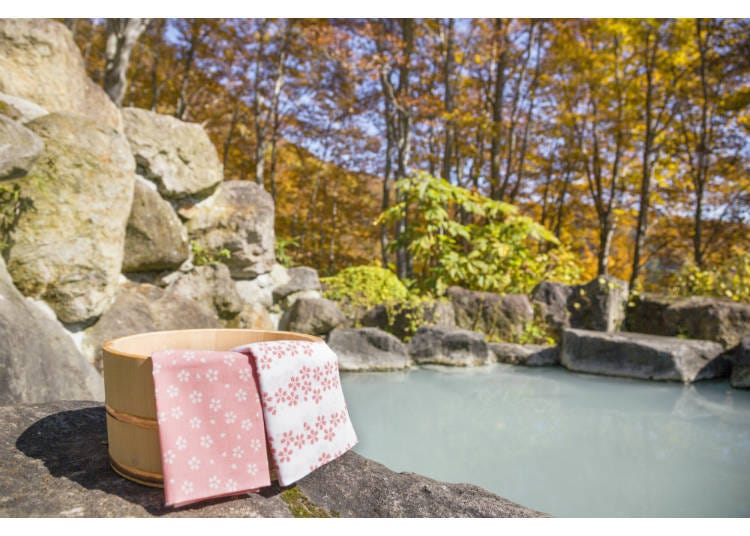
Japan has hot spring destinations throughout the country, from Hokkaido in the north to Kyushu in the south. In addition to conventional hotels, travelers can stay at a traditional Japanese inn, known as a ryokan.
Ryokan typically have relatively few guest rooms and are often housed in traditional wooden buildings. Many feature Japanese-style tatami rooms, offering a deeper sense of Japanese culture and hospitality than accommodations in major city centers.
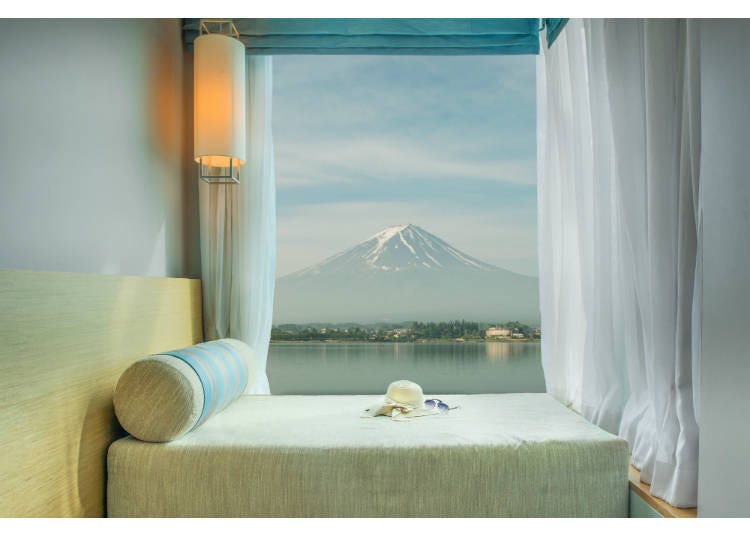
Popular hot spring ryokan within easy reach of Tokyo include Ichinoyu Honkan in Hakone’s Tounosawa area, Konansou near Lake Kawaguchi and Mount Fuji, and Shirakabeso in Izu.
Accommodation Prices Explained: Budgeting for Your Stay Made Easy
Aside from flights, food and transportation are often the hardest parts of a travel budget to adjust, which means accommodation is really where you need to plan carefully! In Japan, and especially in Tokyo, a 2017 survey by the Tokyo Metropolitan Bureau of Social Welfare and Public Health found over 2,000 places for visitors to stay. Prices vary hugely depending on the type of accommodation, location, and length of stay, ranging from as little as 1,500 yen a night at a budget capsule hotel to over 100,000 yen a night at an international five-star hotel. Here's a quick breakdown of typical prices for each accommodation type, plus a few tips on how to snag a better deal.
International Five-Star Hotels & High-End Japanese Brand Hotels: A standard double room typically runs about 30,000 to 60,000 yen, with higher-end rooms sometimes topping 100,000 yen.
Chain Business Hotels: Standard double rooms vary by brand and location, but you can often book one for around 10,000 to 20,000 yen. During peak season or holidays, expect closer to 20,000 to 30,000 yen.
Boutique Design Hotels: Hotels designed by well-known architects tend to cost a bit more, with standard double rooms running roughly 20,000 to 40,000 yen a night. But don't let the striking designs fool you: some design hotels have smaller, more efficient rooms and are actually quite affordable, with standard doubles going for around 6,000 to 15,000 yen.
Hostels: As the name suggests, these cater mainly to young travelers, so prices are kept accessible for that crowd. A bed in a bunk or dorm room usually costs between 3,000 and 5,000 yen a night, making it a very budget-friendly option.
Capsule Hotels: With the smallest, most efficient use of space, prices here can be pushed even lower. Some capsule hotels start as low as 2,000 yen per person, though rates vary depending on location and amenities; even so, a single capsule rarely costs more than 7,000 yen.
Guesthouses: This category has the widest price range of all, from 3,000 yen private rooms to 30,000 yen whole-house rentals for larger groups, so there's something to fit almost any budget.
Hot Spring Ryokan: Rates shift by season depending on the region, and since most hot spring towns are out in the countryside where dining options are limited, many bookings come bundled with meals, most commonly a plan that includes both dinner and breakfast. A standard double room typically runs 20,000 to 60,000 yen, and rooms with a private open-air bath tend to run about 30,000 to 50,000 yen.
By now, hopefully you've got a much clearer picture of your accommodation options for your next trip to Japan! In the next article, our hands-on guide, we'll share insider booking tips straight from hospitality professionals along with answers to travelers' most common questions, so you can prepare even better before you set off.
▼You might also like
- Category
*Prices and options mentioned are subject to change.
*Unless stated otherwise, all prices include tax.
Popular Tours & Activities
Recommended places for you
-
Farm Tomita
Other Nature
Furano / Biei / Sounkyo
-
Appealing
Rukku and Uohei
Izakaya
Sapporo / Chitose
-
Jukuseiniku-to Namamottsuarera Nikubaru Italian Nikutaria Sannomiya
Izakaya
Kobe, Sannomiya, Kitano
-
ISHIDAYA Hanare
Yakiniku
Kobe, Sannomiya, Kitano
-
Goods
Yoshida Gennojo-Roho Kyoto Buddhist Altars
Gift Shops
Nijo Castle, Kyoto Imperial Palace
-
Yokote Park
Parks
Surrounding Areas Of Akita
-
August Events in Kanto: Fun Festivals, Food, and Things to Do
-
No Walking on Japan's Escalators in 2026? New Manners & How to Ride for Tourists
by: Guest Contributor
-
Fukuoka: 10 Recommended Apartment Hotels for Comfortable Stays in Hakata, Tenjin, and Beyond
by: Yotsuka Hizuki
-
Top 10 Premium Hot Spring Resorts Near Tokyo: Luxury Ryokan & Ocean-View Stays from 30,000 Yen
-
Stay Connected at the Summit! "Fujisan Wi-Fi" & Latest 5G SA for a Safe and Comfortable Climb
by: Guest Contributor
-
Start Your Japan Trip Luggage-Free with SAGAWA’s New Narita Airport (NRT) Service
by: Guest Contributor
-
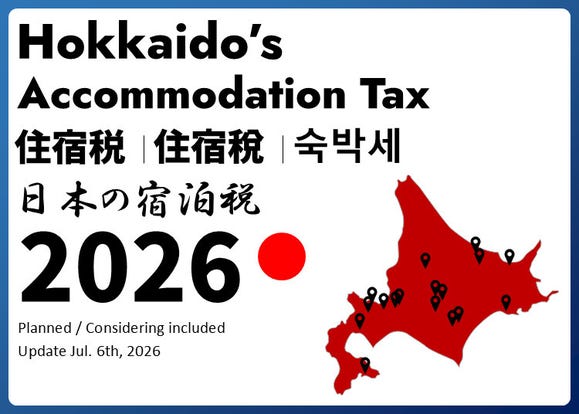
Hokkaido Accommodation Tax 2026: What It Is, Who Pays, and How It Affects Your Stay
by: Shingo Teraoka
-
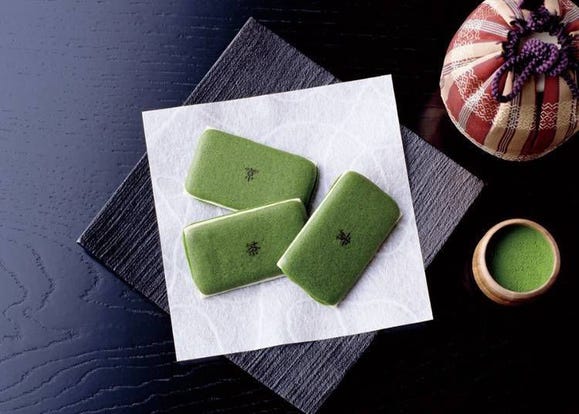
5 Popular Shops and Gift Ideas Along Arashiyama Shopping Street
-
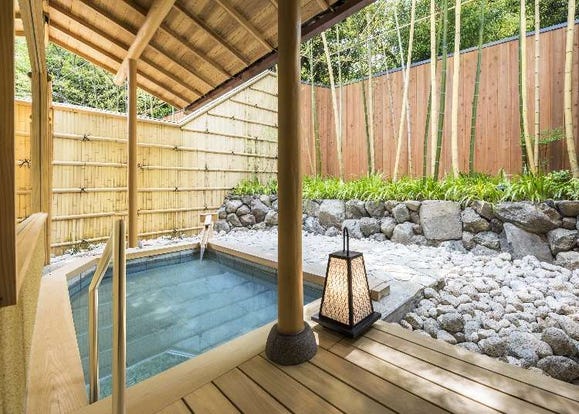
Arashiyama Onsen (Kyoto): 5 Best Ryokan & Day-Use Hot Springs
by: WESTPLAN
-
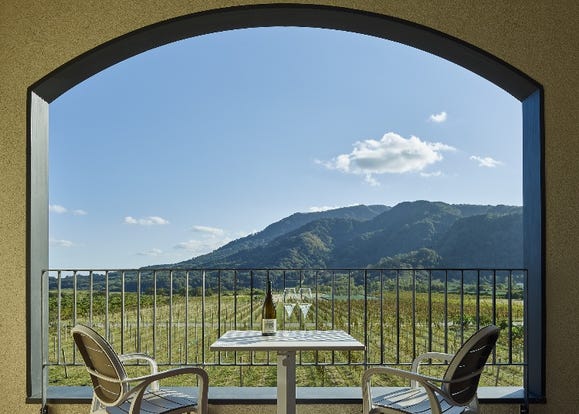
The Niigata Wine Coast: Enjoy A Night of Luxury Among the Vineyards of Cave d'Occi
by: Steve Csorgo
-

Complete Guide to Tokyo Love Hotels: How to Book & What to Know Before You Go Inside
by: Lucio Maurizi
-
Michelin Star Restaurants & More: 3 Best Okonomiyaki Shops in Dotonbori Osaka
- #best sushi japan
- #what to do in odaiba
- #what to bring to japan
- #new years in tokyo
- #best ramen japan
- #what to buy in ameyoko
- #japanese nail trends
- #things to do japan
- #onsen tattoo friendly tokyo
- #daiso
- #best coffee japan
- #best japanese soft drinks
- #best yakiniku japan
- #japanese fashion culture
- #japanese convenience store snacks