






Chinese Zodiac in Japan: 2026 is the Year of the Fire Horse
- Written by: LIVE JAPAN Editor
Just as New Year celebrations finish in the West, people are gearing up to mark Lunar New Year in the East! 2026 is the year of the Fire Horse, starting from February 17, 2026 to February 5, 2027.
Although it did not originate in Japan, the Chinese zodiac, and the 12 animals that represent it, have been embraced by Japanese culture wholeheartedly.
During the time of both the New Year on January first and the Lunar Calendar New Year in Japan, you will find the year’s 'Japanese zodiac' animal on cards, decorations, and more!
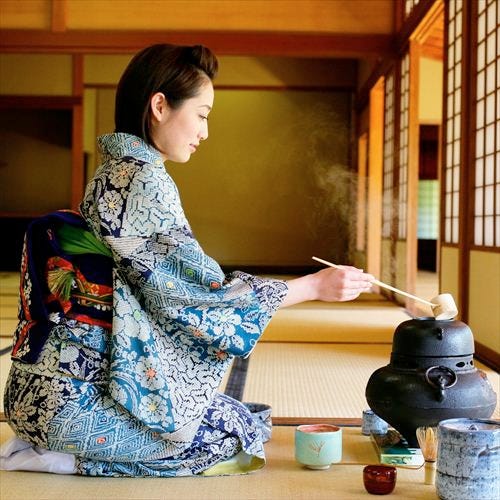
(Main image: PIXTA)
Roots of the Chinese Zodiac

When talking about the Chinese Zodiac, the majority of people will immediately think of the twelve animals: Rat, Ox, Tiger, Rabbit, Dragon, Snake, Horse, Goat, Monkey, Rooster, Dog, and Pig. These “Twelve Signs” or “Earthly Branches,” however, are only one part of the entire Zodiac.
The other part is the “Ten Heavenly Stems” or “Celestial Stem,” an ancient Chinese system of ordinal numbers. Used in combination with the Earthly Branches, namely the twelve animals, they created a cycle of sixty days.
Specifically, 2026 is the Year of the Fire Horse. The “fire” in this term comes from these very Celestial stems. The original purpose of this system was to determine the day, month, year, time, and even directions, similar to the English “o’clock.”
It is believed that the Celestial stem was invented around 4,000 years ago in China’s Yin Dynasty, while the Earthly Branches, the twelve animals, was established in China during the Han Dynasty. When this system was brought to Japan isn’t entirely clear but a prominent theory states that it must have been sometime before the Nara period.
From Sake Jar to Rooster?

Interestingly enough, these Earthly Branches weren’t always animals. The rat, for example, originally was depicted as a child, while the rooster was once a sake jug!
This changed in China’s Han Dynasty, when these depictions were all changed to livestock to make it easier to remember for farmers who were more familiar with animals and ultimately dependent on this calendar – although there are various theories surrounding the reason for the change from a child to a rat and so on.
Of course, the Chinese Zodiac hasn’t only spread to Japan but all over Asia and various regional differences have developed over time. In Japan, for example, the Chinese Pig is a Boar, while Tibet replaced the original Rabbit with a Cat.

In Japan, everyone immediately knows the twelve animals of the Chinese Zodiac: Rat, Ox, Tiger, Rabbit, Dragon, Snake, Horse, Sheep, Monkey, Rooster, Dog, and Boar (or Pig).
The respective animal of the year often adorns New Year’s cards called nengajo and calendars, and a lot of families decorate their homes with references to the zodiac sign of the coming year.
It’s no exaggeration to say that the Chinese Zodiac is an inherent part of Japanese day to day life and culture.
- 2026
- February 17 (Fire Horse)
- 2027
- February 6 (Fire Goat)
- 2028
- January 26 (Earth Monkey)
Quick Look at the Year of the Horse

Did you know? People born in the Year of the Horse are believed to embody "a horse's spirit," often characterized by boundless energy, independence, and a cheerful disposition, making them charismatic leaders.
Notably, 2026 is the Year of the Fire Horse, which suggests that those born in this year are known for their bold ambition and passion, though they may sometimes be prone to impulsiveness or stubbornness.
What are the Horse years? If you were born in 1954, 1966, 1978, 1990, 2002, 2014, or 2026, this is also your year!
Celebrity Horses include Nelson Mandela, Paul McCartney, Oprah Winfrey, Jimi Hendrix, Kobe Bryant, and Emma Watson.
Have a Happy “Year of the Horse!”
*Prices and options mentioned are subject to change.
*Unless stated otherwise, all prices include tax.
Popular Tours & Activities
Recommended places for you
-
Jukuseiniku-to Namamottsuarera Nikubaru Italian Nikutaria Sannomiya
Izakaya
Kobe, Sannomiya, Kitano
-
Appealing
Rukku and Uohei
Izakaya
Sapporo / Chitose
-
Goods
Yoshida Gennojo-Roho Kyoto Buddhist Altars
Gift Shops
Nijo Castle, Kyoto Imperial Palace
-

Farm Tomita
Other Nature
Furano / Biei / Sounkyo
-
TOKYO SKYTREE®
Landmarks
Ryogoku / TOKYO SKYTREE(R)
-
ISHIDAYA Hanare
Yakiniku
Kobe, Sannomiya, Kitano
-

Seibu Group Launches New Chichibu Adventure Tourism Experience for International Travelers in 2026
by: Guest Contributor
-

Haneda Airport Duty-Free Shopping Guide: What to Buy, How to Save & Where to Eat Before Your Flight
by: Guest Contributor
-

Daikoku Car Meet Guide: How to Visit, Best Times & Rules
-
Ad

Pocket WiFi Rental in Japan 2026: Complete Price Comparison & Where to Get the Best Deal
-
Cracked Phone Screen in Japan? Smahospital Repair Guide: Keep Your Data, Fixed in 15 Min, Multilingual Support | Up to 10,000 Yen Off with LIVE JAPAN Coupon
-

ANA’s Chiikawa Jet Is Taking Off—Here’s Everything You Need to Know About Exclusive Goods, In‑Flight Fun & Travel Tips
by: Guest Contributor
-
Numazuko Kaisho in Ueno: Good Quality, All-You-Can-Eat Seafood for Just US$12!?
-

The Snow Monsters of Zao: Journey Among Yamagata's Winter Wonders
by: Alexander Litz
-
Kobe in Winter: What to Wear in December, January & February + Top Places to Visit
by: WESTPLAN
-

What to Pack for Japan in 2026: 15 Essentials for a Stress-Free Trip
-

Best Snowy Destinations in Northeastern Japan: Ski, Soak & See the Snow
by: Guest Contributor
-

Sendai Umino-Mori Aquarium: Inside Northeast Japan's Largest Aqua Attraction
- #best sushi japan
- #what to do in odaiba
- #what to bring to japan
- #new years in tokyo
- #best ramen japan
- #what to buy in ameyoko
- #japanese nail trends
- #things to do japan
- #onsen tattoo friendly tokyo
- #daiso
- #best coffee japan
- #best japanese soft drinks
- #best yakiniku japan
- #japanese fashion culture
- #japanese convenience store snacks