




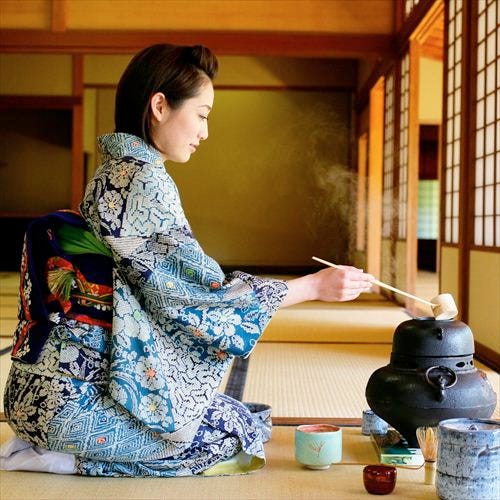

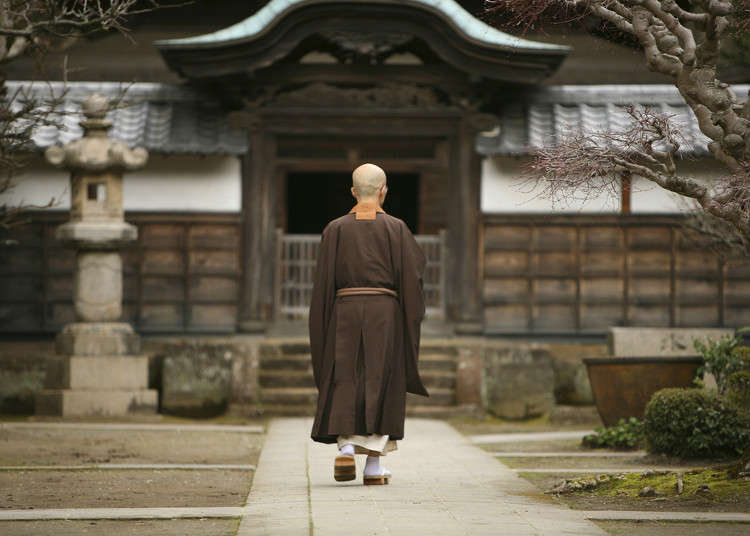
Zen is closely associated with many Japanese arts. Nowadays, this word is known all over the world. However, its real meaning is often misunderstood. Recently, it became easier to discover in Japan this branch of Mahayana Buddhism, including the sitting meditation that comes with it, known as zazen. Additionally, temples all around Japan are opening their doors to foreign visitors. The cost is usually negligible, from free to a modest contribution.
Zen’s Roots: From China to Japan
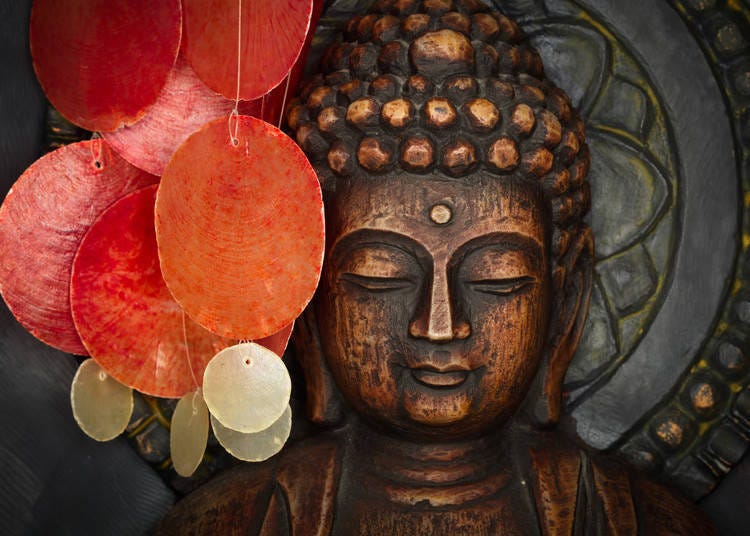
The roots of zen Buddhism trace back to the 12th century, when it is said to have been brought to Japan by Buddhist priest Myoan Eisai after a visit from China (he is also credited as introducing green tea to Japan as well). While what is known today as “Zen” has undergone many transformations over the ages, the basic principles remain true to tradition.
Three Main Schools of Zen
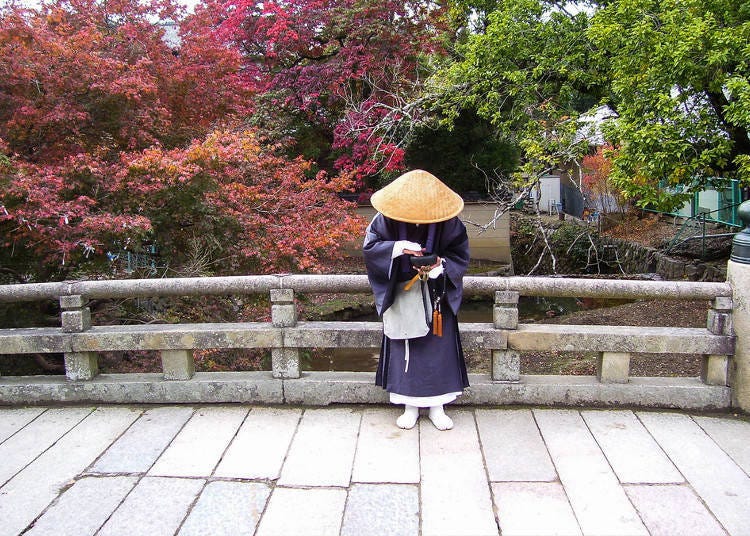
There are three main traditional schools of Zen in Japan, each with its own background and specificities.
The Soto Sect
Soto is the largest of the sects. Historically practiced by the lower classes, artists, and poets, the Soto sect emphasizes the practice of sitting meditation known as zazen. Practitioners face a wall or a curtain during this meditation.
The Rinzai School
Traditionally practiced by the samurai caste, the Rinzai School include the presence of Koan, a kind of short and paradoxical sentence that cannot be solved intellectually. However, those are usually introduced only after good posture and concentration were achieved during the seated meditation.
The Obaku Sect
The smallest of the sects, the Obaku sect was formed by a small group made up of Buddhist masters from China and Japanese students at the Manpuku Temple (Manpuku-ji). To this day, those in the Obaku sect continue to chant sutras in the Chinese language.
A Daily Practice
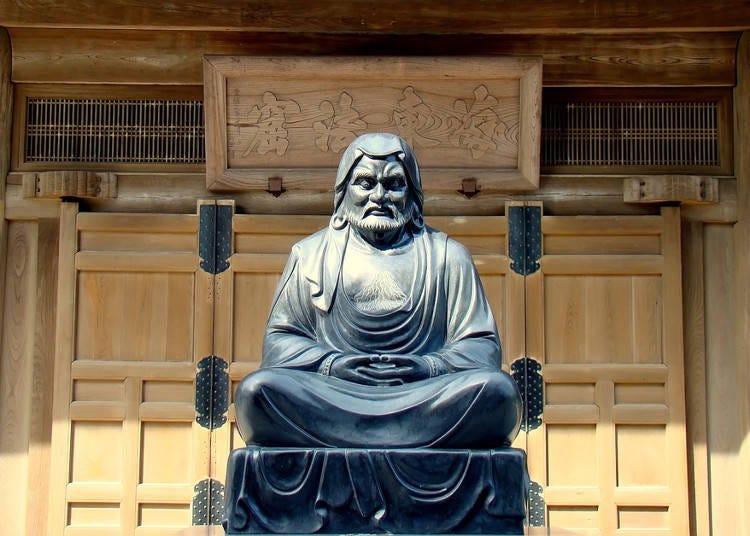
In the zen meditation, posture is everything. For a first-timer, it requires being in good health and fairly flexible, as it can be quite challenging for those who are not used to it. Indeed, it requires sitting during several periods of 15 minutes on a big flat zabuton and on a zafu, two types of Japanese cushions. However, for people with knee problems some alternatives can sometimes be found, such as sitting on a chair.
But what to do exactly when sitting? Actually, this is where zazen differs from other types of meditation. While the latter might encourage practitioners to think of an image or focus on a unique thought, zazen requires nothing except keeping a good posture and breathing: there is no goal or aim attached to it. This is why the word in itself means “seated meditation”. During this meditation it’s important to be mindful of your breathing. Being aware of your own posture and what’s going on around and inside you, without focusing on it, might seems easy to say, but it takes years before achieving perfect concentration.
Japanese Zen in Western Culture
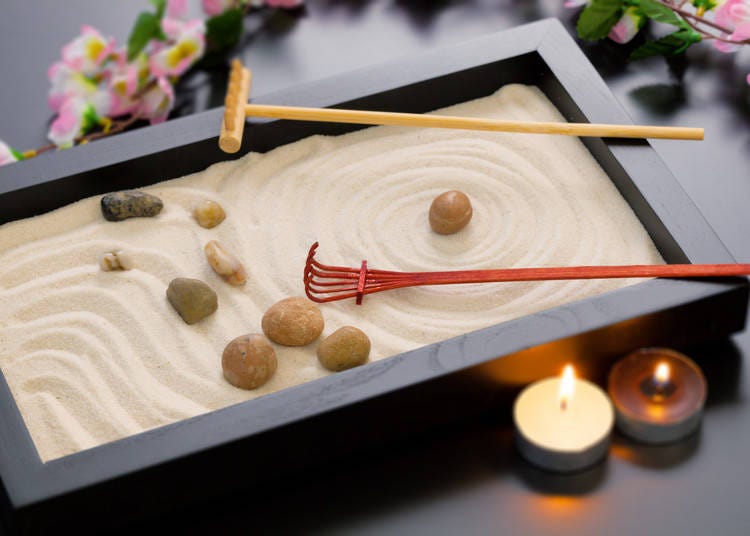
The popularity of Zen has even spread to the Western World. A pivotal point was when the Japanese monk, Soyen Shaku visited Chicago in 1863. This opened many people’s eyes to the practice and culture of Zen. It has since become the subject of many books written by Westerners, as well as the inspiration for a number of American Beat poets. Why not try it for yourself?
*Prices and options mentioned are subject to change.
*Unless stated otherwise, all prices include tax.
Popular Tours & Activities
Recommended places for you
-

Jukuseiniku-to Namamottsuarera Nikubaru Italian Nikutaria Sannomiya
Izakaya
Kobe, Sannomiya, Kitano
-
Hokkaido University
Other Architecture
Sapporo / Chitose
-
ISHIDAYA Hanare
Yakiniku
Kobe, Sannomiya, Kitano
-
Goods
Yoshida Gennojo-Roho Kyoto Buddhist Altars
Gift Shops
Nijo Castle, Kyoto Imperial Palace
-
Appealing
Rukku and Uohei
Izakaya
Sapporo / Chitose
-
Appealing

Mt. Hakodate Observatory
Forests & Mountains
Hakodate
-

ANA’s Chiikawa Jet Is Taking Off—Here’s Everything You Need to Know About Exclusive Goods, In‑Flight Fun & Travel Tips
by: Guest Contributor
-

Haneda Airport Duty-Free Shopping Guide: What to Buy, How to Save & Where to Eat Before Your Flight
by: Guest Contributor
-
30 Best Places to Visit in Autumn in Japan for 2026, With Peak Times & Map
by: Nao
-

Japan's New GREEN LIFESTYLE TRAIN Connects Tokyo, Yokohama, and a Greener Future
by: Guest Contributor
-

The Best Sumo Experiences in Tokyo: Morning Practices vs. Sumo Shows
-

Top-Booked by International Visitors: Must-Try Italian & Pizza in Tokyo for First-Time Visitors
by: Guest Contributor
-
[MOVIE] Masahi Hirao’s Bonsai Performance – A Modern Take on Traditional Japanese Culture
-
This Awesome Tokyo Experience Will Make You Fall in Love with Japanese Music
by: David McElhinney
-

What to Pack for Japan in 2026: 15 Essentials for a Stress-Free Trip
-
Exploring Tokyo: 4 Must-Visit Spots around Tokyo Station
-
What is a Goshuin? All About Traditional Japanese Shrine Seals (and why you'll be addicted to collecting them!)
by: Lucio Maurizi
-
Inside Kyoto's Spectacular Sanjusangen-do Temple with 1,000 Gold Statues
- #best sushi japan
- #what to do in odaiba
- #what to bring to japan
- #new years in tokyo
- #best ramen japan
- #what to buy in ameyoko
- #japanese nail trends
- #things to do japan
- #onsen tattoo friendly tokyo
- #daiso
- #best coffee japan
- #best japanese soft drinks
- #best yakiniku japan
- #japanese fashion culture
- #japanese convenience store snacks