





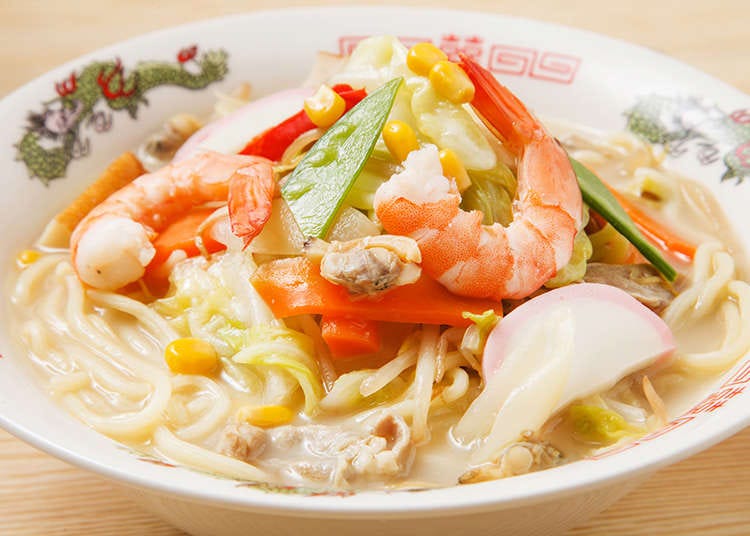
We would like to introduce Chanpon, a noodle dish which is highly nutritious with flavors of various ingredients.
Nagasaki, the birthplace of chanpon
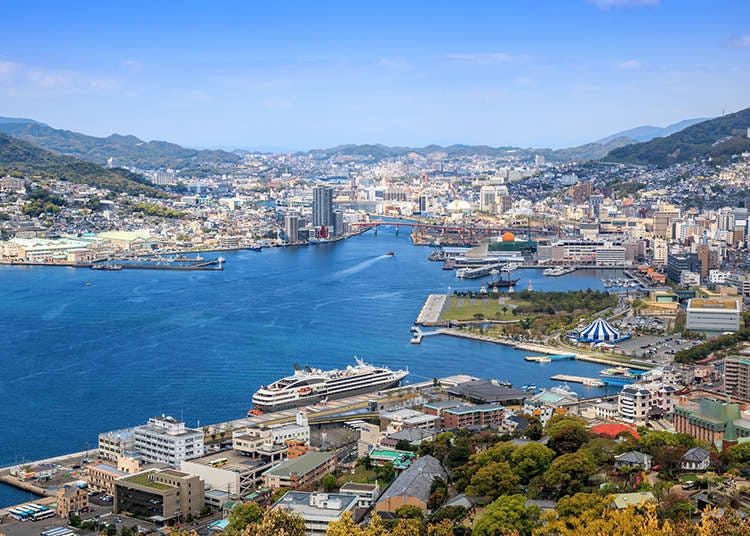
Chanpon originated in Nagasaki, which had the only port that had been open for international trading in Japan back in the Meiji period. A fusion of Japanese culture and western culture developed into a distinctive culture, which supposedly influenced the food.
Noodles for chanpon
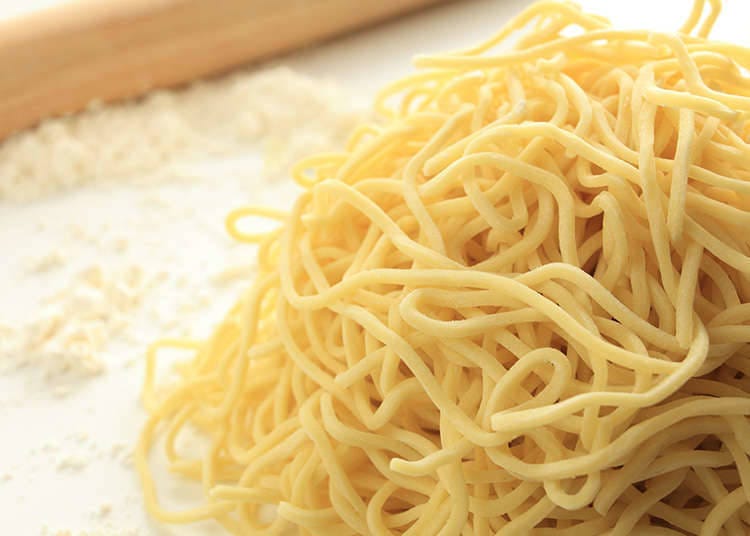
Chanpon is made of thick noodles and thick pork bone soup. In Nagasaki the noodles are made with additives called "touaku". However, you need a permission to handle it and only a few people in Nagasaki are authorized to do this. That gives the Chanpon in Nagasaki distinctive taste and makes it different from that of other prefectures.
Rich ingredients
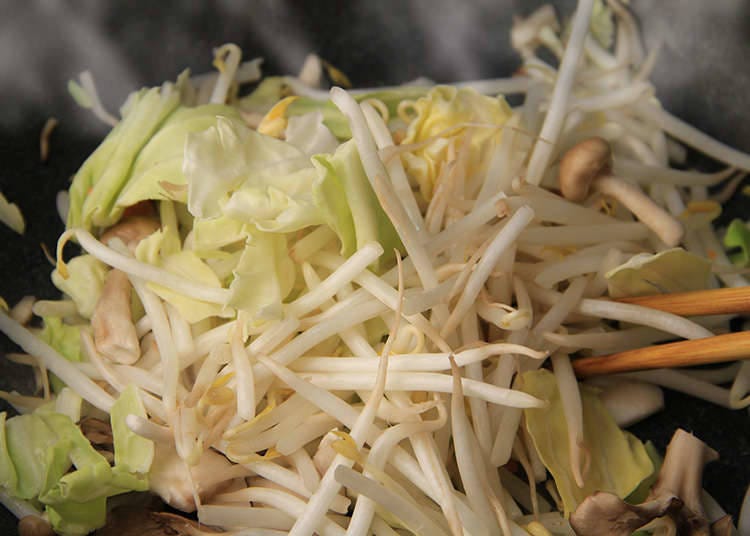
Meat, mainly pork back ribs, seafood including shellfish, shrimps and squid, vegetables including carrot, cabbage, soybean sprouts, snow peas and onion and processed white fish paste called kamaboko are fried all together and placed on top of the noodles.
Saraudon (a dish of noodles with various toppings) derived from chanpon
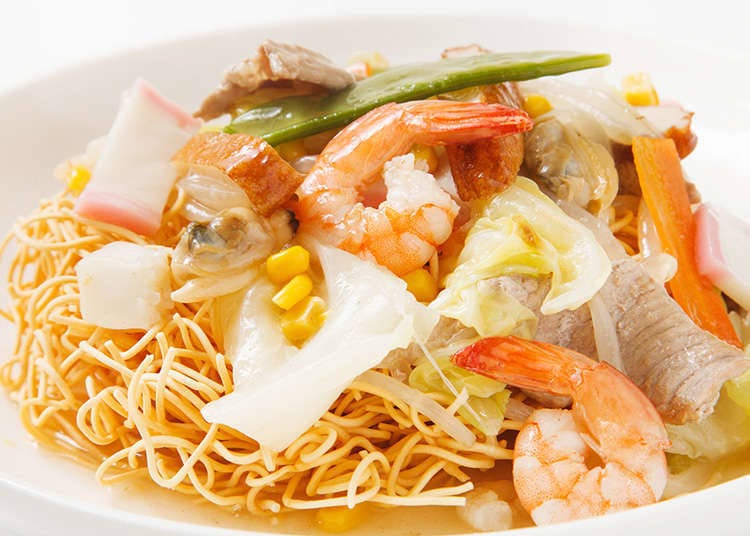
Saraudon is made of the same ingredients as Chanpon. But the noodles are deepfried and the ingredients are thickend with starch. There are two types of noodles, thin deepfried noodles and thick fried noodles.
Delicious ways to eat chanpon
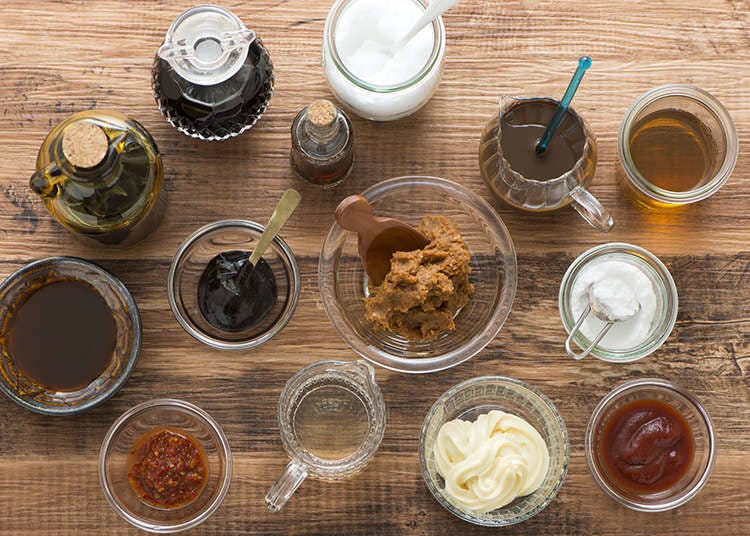
Chanpon is delicious as it is, however, if you put some seasonings, it will have a different taste. With white pepper the taste will be firmer, with chili oil it will be richer and aromatic, and with vinegar it will be lighter and have a healthier taste.
In Conclusion
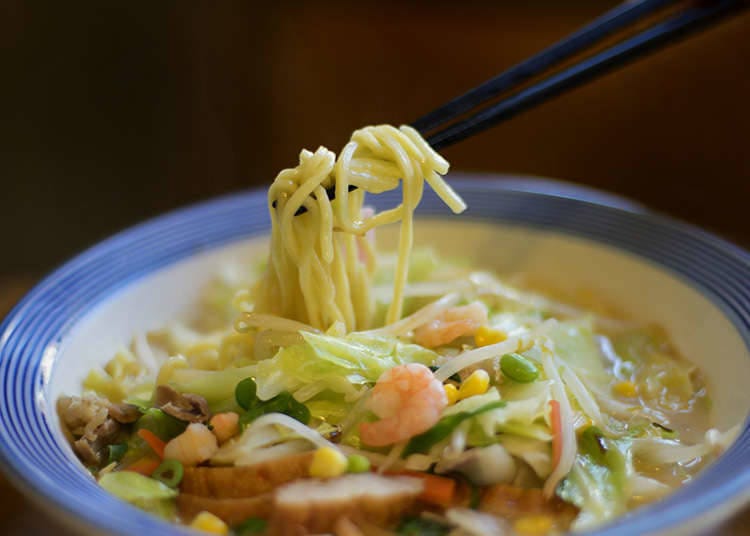
There are restaurants specializing in Chanpon throughout Japan and you can enjoy it easily at any time. Chanpon has lots of ingredients. Chanpon can provide you with enough nutritions in a dish and satisfies you.
- Category
*Prices and options mentioned are subject to change.
*Unless stated otherwise, all prices include tax.
Popular Tours & Activities
Recommended places for you
-
Appealing
Rukku and Uohei
Izakaya
Sapporo / Chitose
-
Jukuseiniku-to Namamottsuarera Nikubaru Italian Nikutaria Sannomiya
Izakaya
Kobe, Sannomiya, Kitano
-
ISHIDAYA Hanare
Yakiniku
Kobe, Sannomiya, Kitano
-
Shinjuku Gyoen National Garden
Gardens
Shinjuku
-
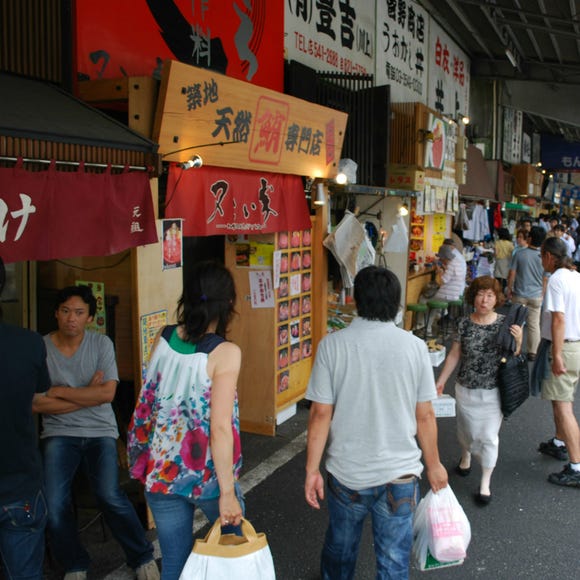
Tsukiji Outer Market
Old Towns (Shitamachi)
Tsukiji
-
Goods
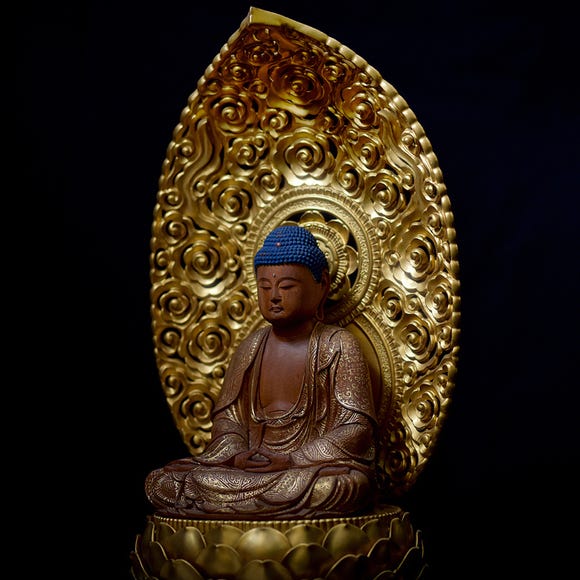
Yoshida Gennojo-Roho Kyoto Buddhist Altars
Gift Shops
Nijo Castle, Kyoto Imperial Palace
-
Ad
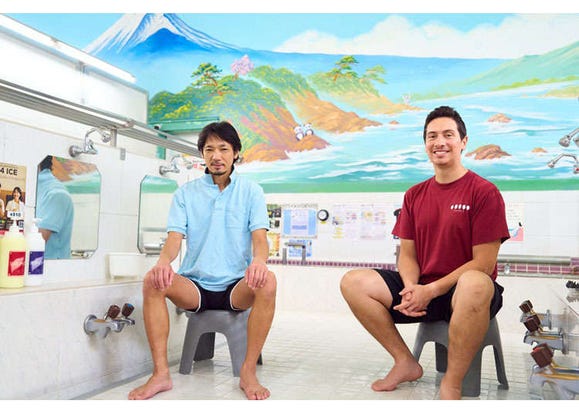
Do’s and Don’ts: The Complete Guide to Sento Baths! Getting the Full Experience In Ueno’s Famous Kotobuki-yu
-
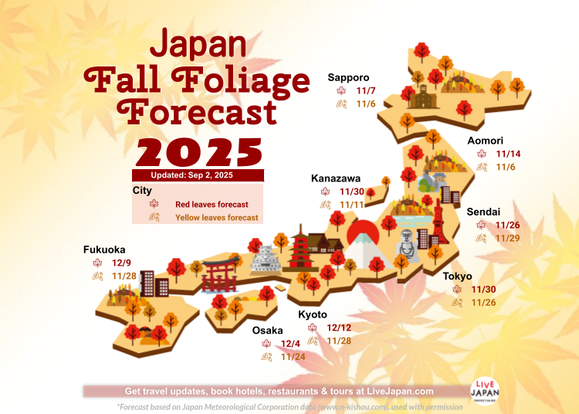
Autumn in Japan 2026: Fall Foliage Forecast & Where to Enjoy the Colorful Leaves (+Tour Info)(Updated Oct 1)
-
Cracked Phone Screen in Japan? Smahospital Repair Guide: Keep Your Data, Fixed in 15 Min, Multilingual Support | Up to 10,000 Yen Off with LIVE JAPAN Coupon
-
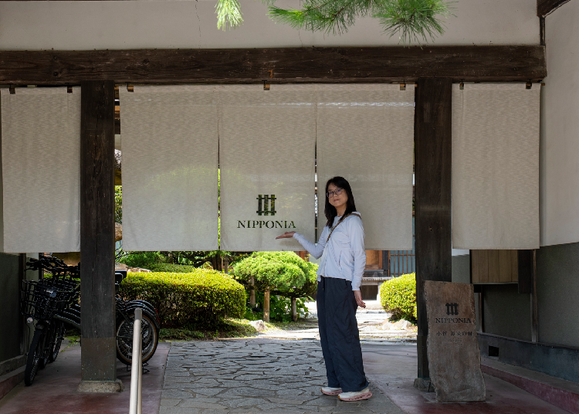
Just 2 Hours from Tokyo! Escape to Yamanashi's NIPPONIA Kosuge, Where an Entire 700-Person Village Becomes Your Hotel
by: Alice Lee
-

Seibu Group Launches New Chichibu Adventure Tourism Experience for International Travelers in 2026
by: Guest Contributor
-

Best Sumo Shows & Experiences in Tokyo (2026): Prices Compared
-
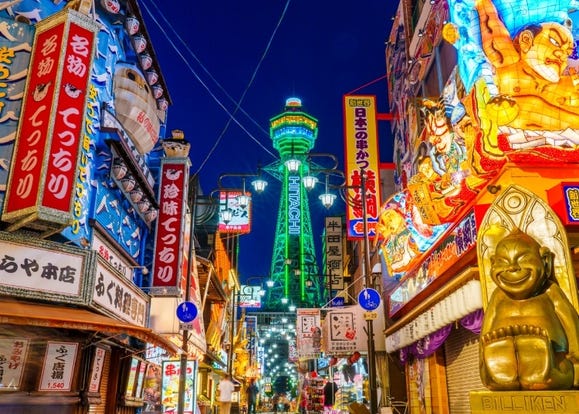
Visiting Tsutenkaku Tower: Osaka's Retro Icon in the Heart of Shinsekai
by: Guest Contributor
-
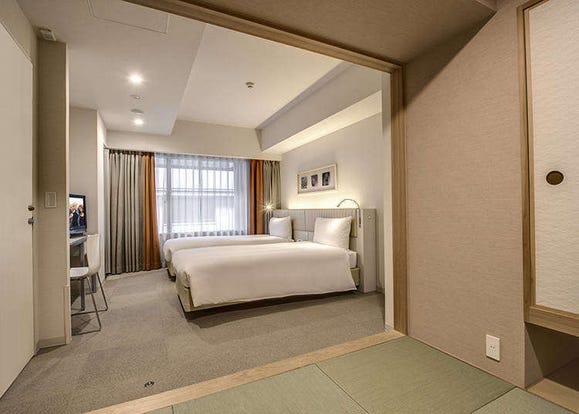
10 Best Hotels Near Kyoto Station: Budget-friendly, Perfect for Kyoto Sightseeing
-
6 Surprisingly Cheap Things in Japan
-
Eat Like Goro! Nagasaki Hanten in Shibuya, Tokyo (Solitary Gourmet Season 6, Episode 7)
by: Shingo Teraoka
-

5 Best Hotels Near Universal Studios Japan (Osaka): Top-Rated Places to Stay
by: WESTPLAN
-
Shibuya Crossing: Getting the Best View from the Deck at Magnet by Shibuya109!
- #best sushi japan
- #what to do in odaiba
- #what to bring to japan
- #new years in tokyo
- #best ramen japan
- #what to buy in ameyoko
- #japanese nail trends
- #things to do japan
- #onsen tattoo friendly tokyo
- #daiso
- #best coffee japan
- #best japanese soft drinks
- #best yakiniku japan
- #japanese fashion culture
- #japanese convenience store snacks