




Travelling around Japan, food is one of many pleasures. In Japan, various ingredients are used and the types of food are abundant. What kinds of Japanese dishes and drinks are there?
Basic washoku (Japanese dishes)
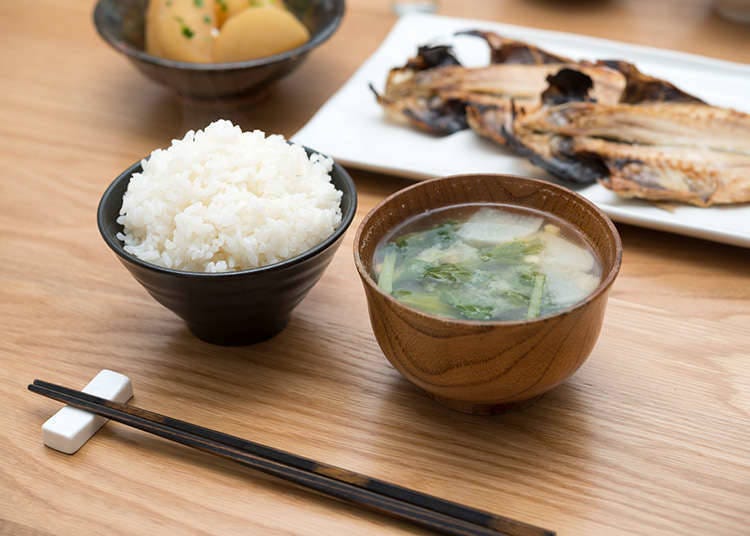
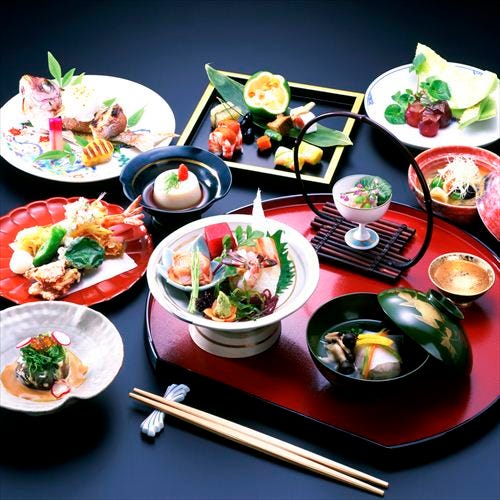
Basic washoku consists of rice, soup, a main dish, a small bowl and pickles, making up one soup and three dishes. Generally you eat them with chopsticks. Ingredients are not processed much and a simple recipe that makes the most of flavors inherent in the ingredients themselves is a characteristic of washoku.
Sushi
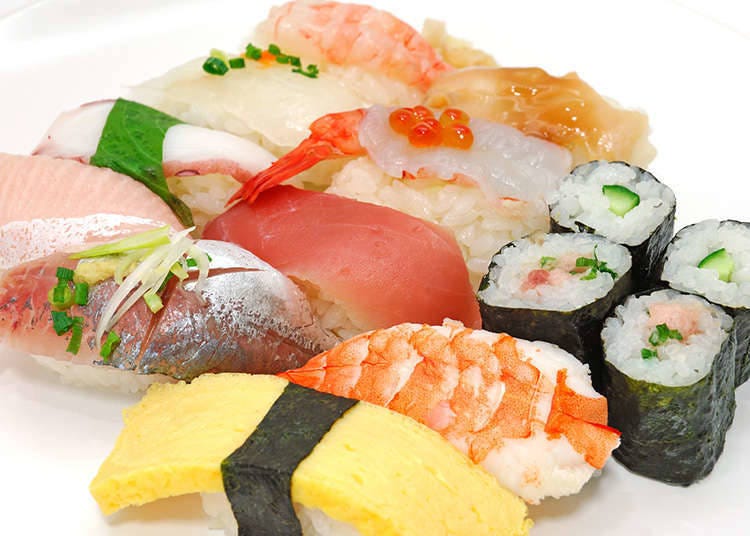
It is sushi that represents Japanese cuisine and that is popular even overseas. Among others, nigirizushi is a representative. Nigirizushi is made by taking a small amount of vinegared rice, placing sushi ingredients cut into rectangles on top of it and squeezing them gently with two fingers.
Tempura
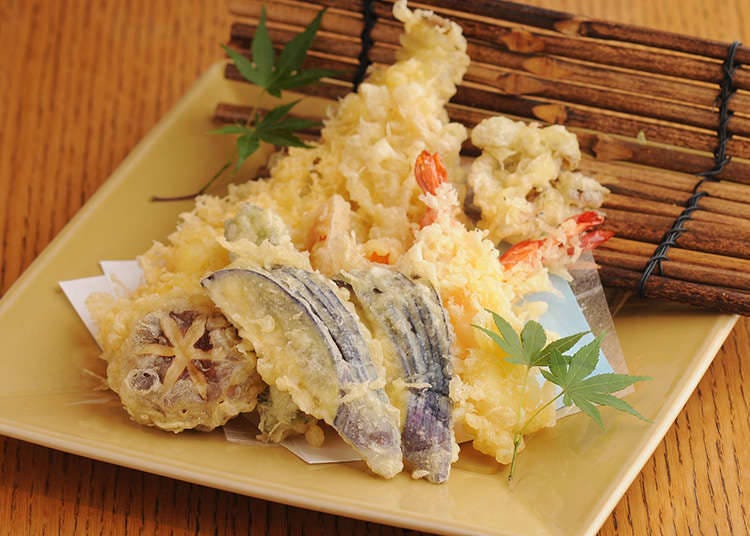
After ingredients such as fish, shellfish and vegetables are prepared, they are coated by a mixture of flour, eggs and water and then fried. Ingredients often used are white meat fish like tiger prawns, congers, goby and sillagos, and vegetables like eggplant, lotus root, mushrooms and edible wild plants. "Kakiage," which combines several chopped ingredients, is also popular.
Eel

In Japan, if you have eel, it usually means unaju, a box filled with rice topped with kabayaki eel. In most cases, eels are cooked as kabayaki. Kabayaki is where eels are opened, filleted and skewered, then grilled with no seasoning and finally charcoal-grilled while being coated with a salty-sweet sauce made of soy sauce, mirin (sweet sake), sake and sugar.
Soba and udon (noodles)
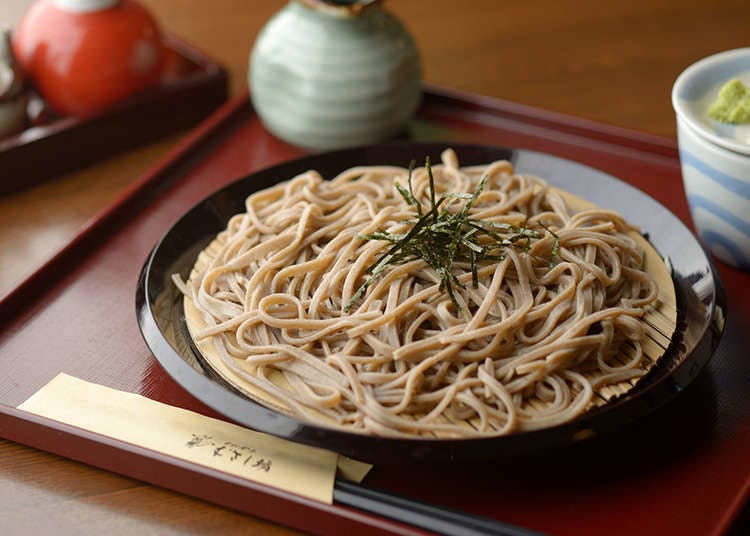
Soba and udon are noodle dishes in Japan. Soba is made from buckwheat while udon is made from wheat, thereby they have different flavors and textures from each other.
Japanese sake
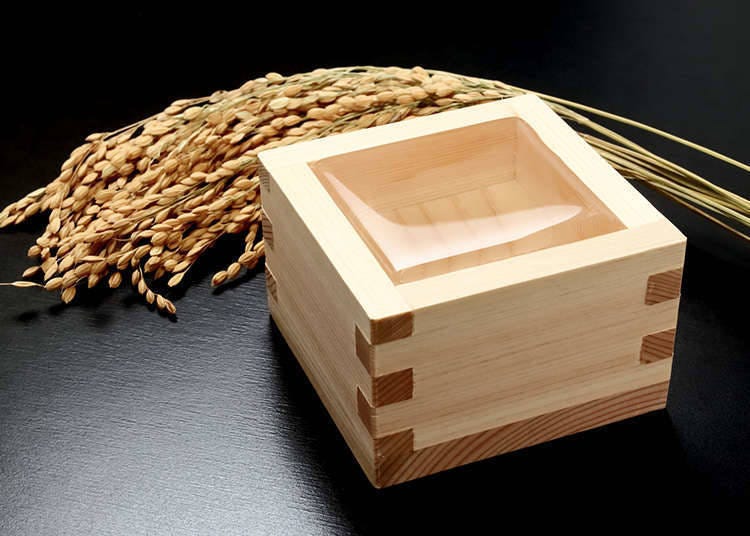
Japanese sake is brewed alcohol made from rice, koji (rice mold) and water. Typical Japanese sake has about 15% abv. and has a sweetness derived from rice. You can have sake cold, called reishu and also warm, called atsukan or nurukan depending on its temperature. It is characteristic of sake that you can have it at various temperatures.
- Category
*Prices and options mentioned are subject to change.
*Unless stated otherwise, all prices include tax.
Popular Tours & Activities
Recommended places for you
-
ISHIDAYA Hanare
Yakiniku
Kobe, Sannomiya, Kitano
-
Goods
Yoshida Gennojo-Roho Kyoto Buddhist Altars
Gift Shops
Nijo Castle, Kyoto Imperial Palace
-
Appealing
Rukku and Uohei
Izakaya
Sapporo / Chitose
-
MomotaroUeno
Other Japanese Food
Ueno
-
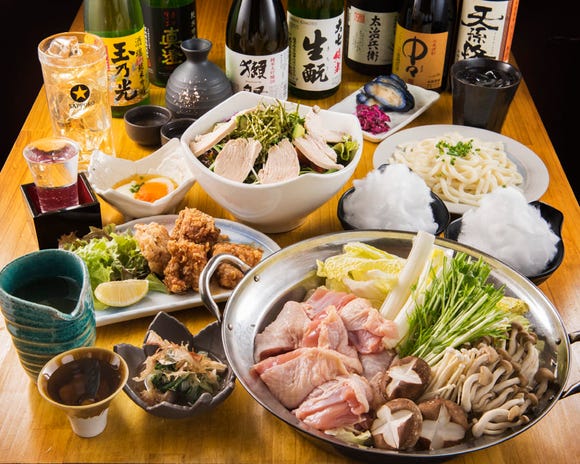
Wasui Yaesuten
Other Japanese Food
Tokyo Station
-
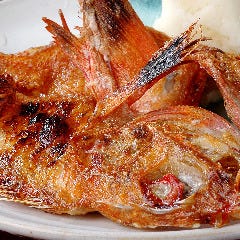
Jiraiya
Other Japanese Food
Sendai And Matsushima
-

Daikoku PA Car Meet: What Is JDM, and Why Do Enthusiasts Flock Here?
-

Haneda Airport Duty-Free Shopping Guide: What to Buy, How to Save & Where to Eat Before Your Flight
by: Guest Contributor
-

Best Sumo Shows & Experiences in Tokyo (2026): Prices Compared
-
Ad
Pocket WiFi Rental in Japan 2026: Complete Price Comparison & Where to Get the Best Deal
-
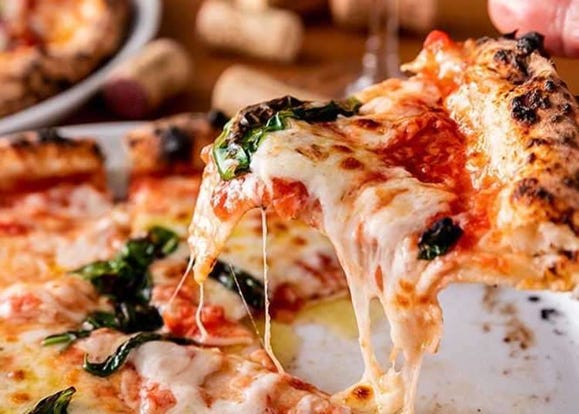
Top-Booked by International Visitors: Must-Try Italian & Pizza in Tokyo for First-Time Visitors
by: Guest Contributor
-
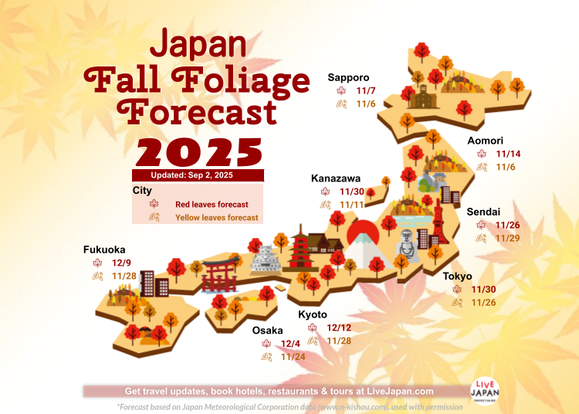
Autumn in Japan 2026: Fall Foliage Forecast & Where to Enjoy the Colorful Leaves (+Tour Info)
-
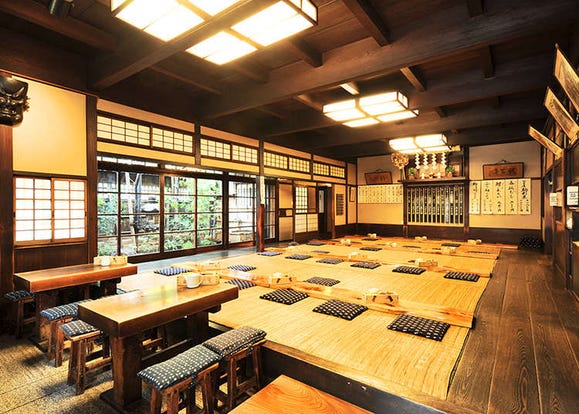
Traditional Japanese cuisine in Tokyo
-
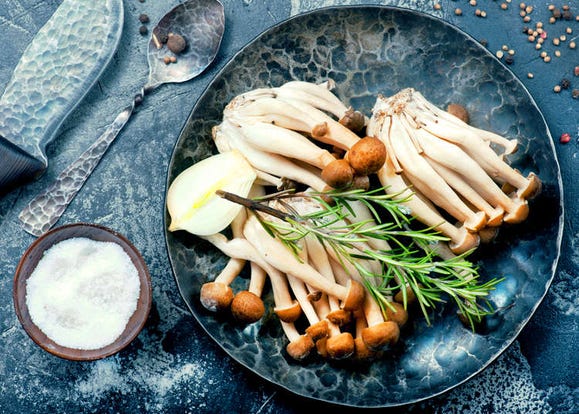
Top 7 Popular Japanese Mushrooms That Are Both Tasty and Healthy
-
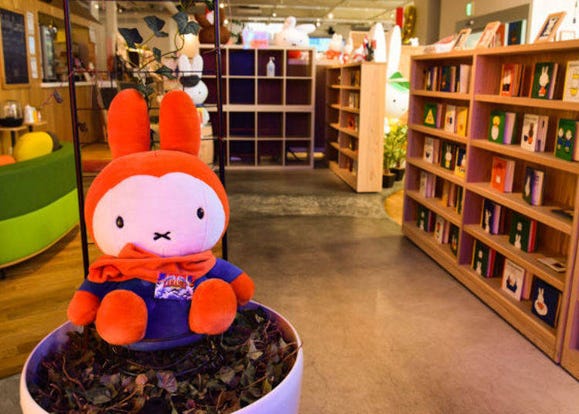
Visiting Japan's Miffy Cafe Will Make Your Heart Melt (Photos)
-

Visiting the Sacred Japanese Gardens at Entsuin Temple in Matsushima
-
Dining in Tokyo: A Food Lover's Guide to What & Where to Eat for a True Taste of Japan
by: Dave Conklin
-
Top 10 Japanese Rice Crackers & Snacks by Kameda Seika - Japan’s Leading Rice Snack Maker!
- #best sushi japan
- #what to do in odaiba
- #what to bring to japan
- #new years in tokyo
- #best ramen japan
- #what to buy in ameyoko
- #japanese nail trends
- #things to do japan
- #onsen tattoo friendly tokyo
- #daiso
- #best coffee japan
- #best japanese soft drinks
- #best yakiniku japan
- #japanese fashion culture
- #japanese convenience store snacks