



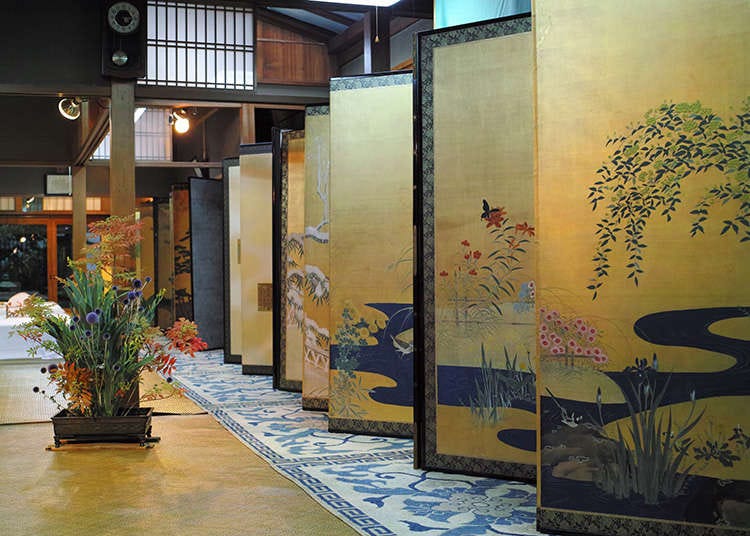
Under the influence of Chinese and Western cultures, Japanese paintings have established their own particular painting style throughout the ages. This unique style stays true to its own aesthetic while also being adaptive, reflecting the values of the era.
The History of Japanese Paintings
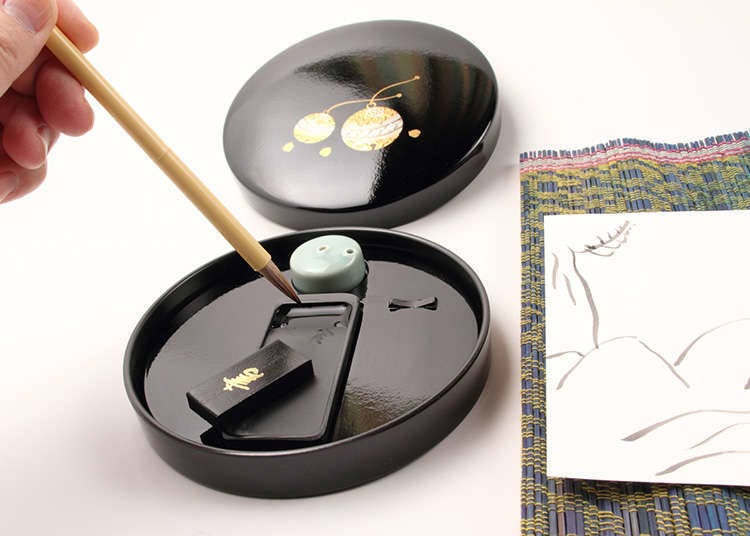
Apart from painting techniques themselves, Chinese characters and Buddhism was introduced to Japan from China, due to interaction between the two countries since ancient times. The concept of the Japanese painting, as it is known today, was established in the 19th century to distinguish itself from Western paintings, when new techniques from Europe were brought to the island nation.
The Distinct Features of Japanese Paintings
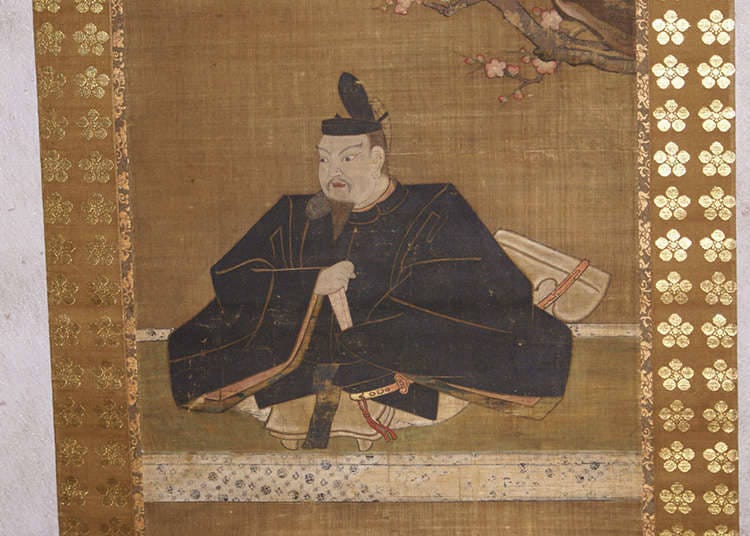
Compared to European paintings which have depth and a stereoscopic effect, Japanese paintings feature a lack of shading, are centered on flatness, and are painted with distinctive outlines. The painting materials are pigments mixed with glues, and the paintings are usually drawn on silk, hemp paper, or Japanese paper called washi. They are often decorated with things other than paint and ink, such as gold leaf.
Yamato-e: The Japanese Picture
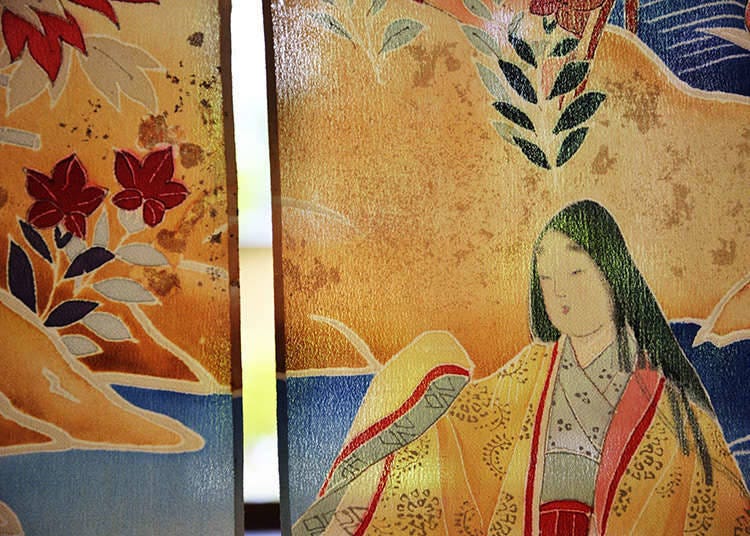
Yamato-e describes pictures that are painted originally with a Japanese theme in mind as opposed to a Chinese influence - Yamato-e literally means "Japanese picture". Typically, these paintings come in the form of scrolls that tell a certain story. Eventually Yamato-e shifted from being a theme, to being a style that wasn't only popular among nobles but also among the common Japanese people.
Suiboku-ga: The Ink Wash Painting
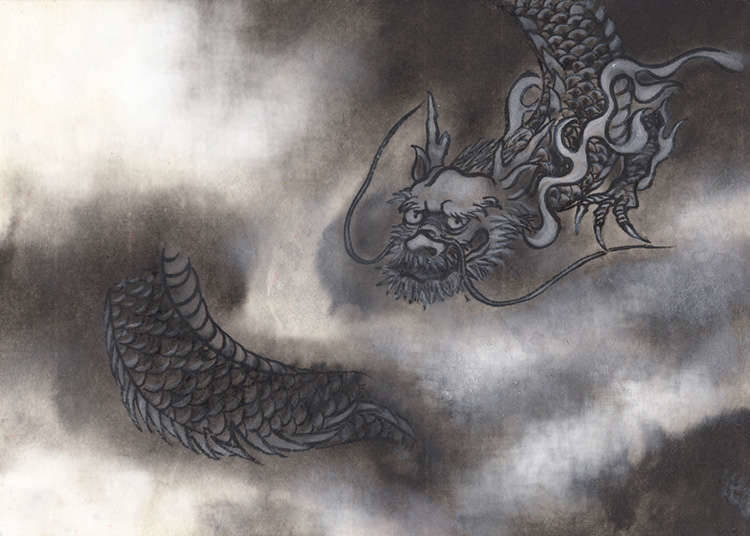
Suiboku-ga is a type of painting featuring landscapes and figures drawn with shades in ink. This technique has its origins in China and traveled to Japan around the end of the 13th century, where Suiboku-ga became immensely popular. It is strongly associated with Buddhism and many of the paintings were drawn by monks reflecting the teachings of Buddhism.
Ukiyo-e: Pictures of the Floating World
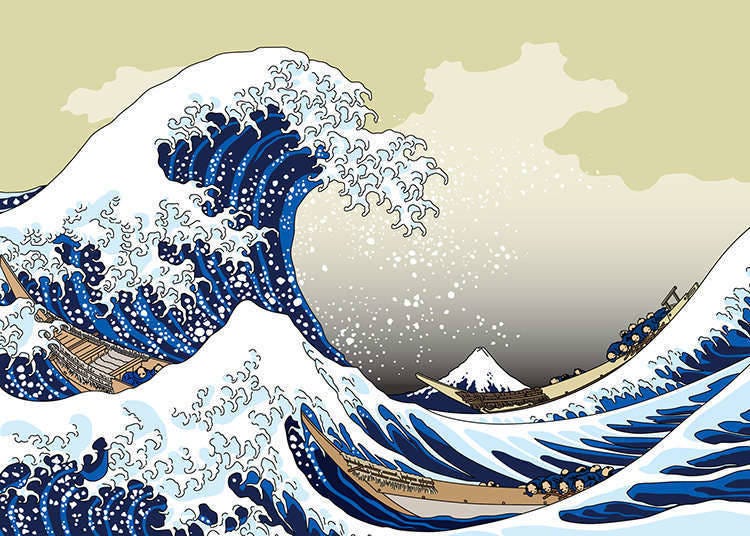
Many ukiyo-e paintings portray the lifestyle of the common people at the time. There are two types of paintings that fall under this term: ukiyo-e woodblock prints which copy the paints on the board to paper, and nikuhitsu ukiyo-e (hand-drawn ukiyo-e) which are drawn directly on cloth or paper. In the Edo period, paintings such as yakusha-e (actor prints) which portrayed the actors of kabuki up close, and bijin-ga (depictions of beautiful people), showing the classic beauty of Japanese women, also thrived. Ukiyo-e was a popular culture of its time.
The Way of Modern Paintings
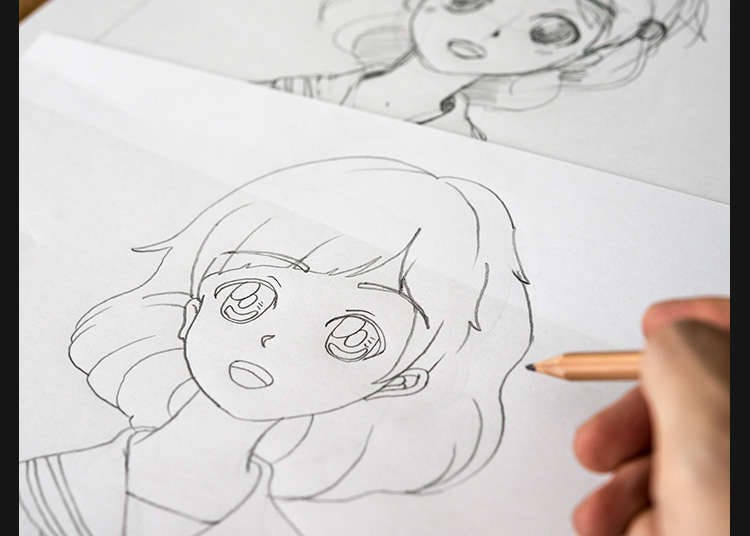
Even while using traditional painting materials and techniques, modern Japanese paintings are going through a transformation. Examples of this transformation include using social issues as the piece's main subject, or attempting to fuse different cultures in one work. Even in contemporary art, however, a touch of the old days can always be found.
*Prices and options mentioned are subject to change.
*Unless stated otherwise, all prices include tax.
Popular Tours & Activities
Recommended places for you
-
ISHIDAYA Hanare
Yakiniku
Kobe, Sannomiya, Kitano
-
Tokyo Disney Sea®
Theme Parks
Chiba Suburbs
-
Appealing
Rukku and Uohei
Izakaya
Sapporo / Chitose
-
Appealing
Sapporo Ramen Yokocho
Ramen
Sapporo / Chitose
-
Jukuseiniku-to Namamottsuarera Nikubaru Italian Nikutaria Sannomiya
Izakaya
Kobe, Sannomiya, Kitano
-
Goods
Yoshida Gennojo-Roho Kyoto Buddhist Altars
Gift Shops
Nijo Castle, Kyoto Imperial Palace
-

Daikoku Car Meet Guide: How to Visit, Best Times & Rules
-
Ad
Do’s and Don’ts: The Complete Guide to Sento Baths! Getting the Full Experience In Ueno’s Famous Kotobuki-yu
-

Best Sumo Shows & Experiences in Tokyo (2026): Prices Compared
-

Haneda Airport Duty-Free Shopping Guide: What to Buy, How to Save & Where to Eat Before Your Flight
by: Guest Contributor
-

ANA’s Chiikawa Jet Is Taking Off—Here’s Everything You Need to Know About Exclusive Goods, In‑Flight Fun & Travel Tips
by: Guest Contributor
-
Just 2 Hours from Tokyo! Escape to Yamanashi's NIPPONIA Kosuge, Where an Entire 700-Person Village Becomes Your Hotel
by: Alice Lee
-
8 Unfamiliar (But Totally Normal) Customs in Japan!
-
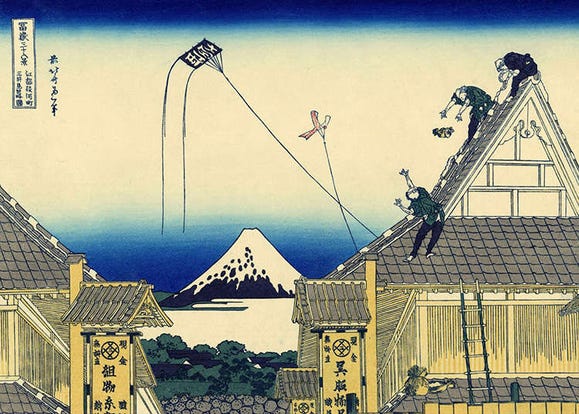
Why ukiyo-e is amazing
-
Ad
[Tokyo, Ueno] Journey to the Sacred Grounds of the Tokugawa Shoguns: Join the "EDO SHOGUN’S LEGACY TRAIL TOUR" – Where Special Access, Modern Art, and Digital Innovation Converge
by: Guest Contributor
-
Michelin Star Restaurants & More: 3 Best Okonomiyaki Shops in Dotonbori Osaka
-
6 Fun Things to Do at Tokyo's World-Famous Tsukiji Outer Market!
-
3 Best Hotels in Kobe, Japan with Amazing Views of Kobe Bay!
- #best sushi japan
- #what to do in odaiba
- #what to bring to japan
- #new years in tokyo
- #best ramen japan
- #what to buy in ameyoko
- #japanese nail trends
- #things to do japan
- #onsen tattoo friendly tokyo
- #daiso
- #best coffee japan
- #best japanese soft drinks
- #best yakiniku japan
- #japanese fashion culture
- #japanese convenience store snacks