





What is Ikebana?
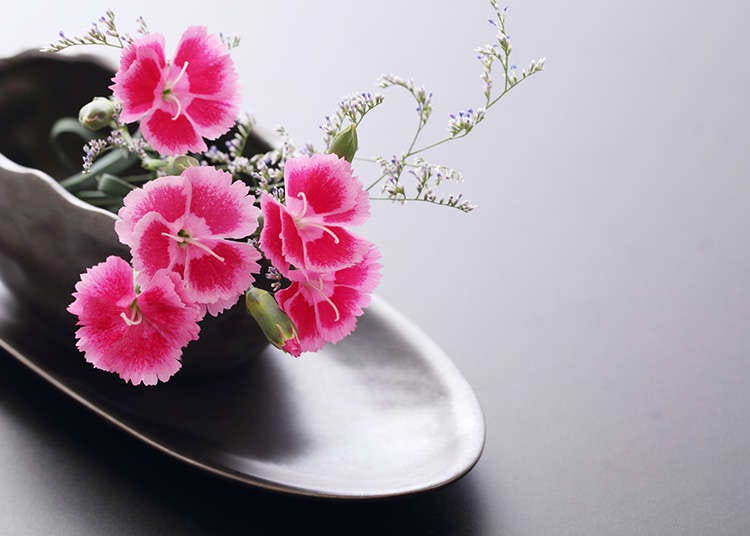
Ikebana is the arranging of flowers and other plants together in a decorative and aesthetically appealing way. The act itself is carried out in different ways depending on the style and technique being used.
History of Ikebana
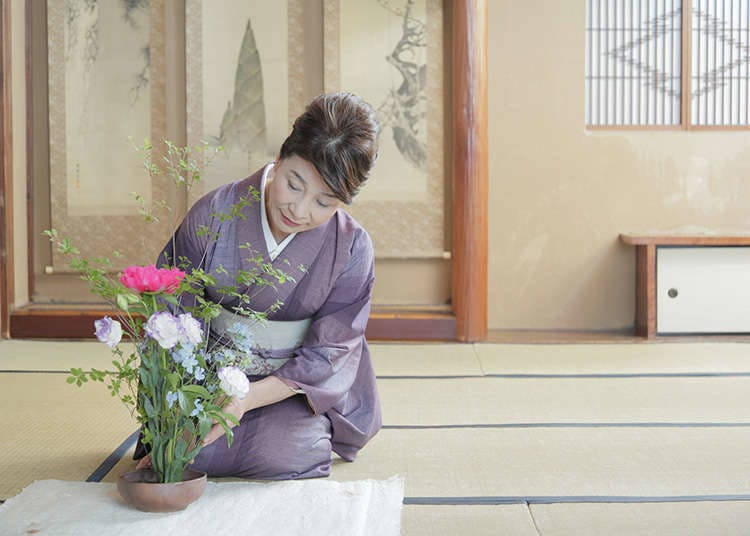
Ikebana is said to originate from the custom of flower offerings, which started when Buddhism entered Japan. Once it was established as a type of flower arrangement, it became a wildly popular among the masses. Simultaneously, many experts and masters were born, and the designs, carefully selected materials, and craftsmanship of the time are still learned today.
Features of Ikebana
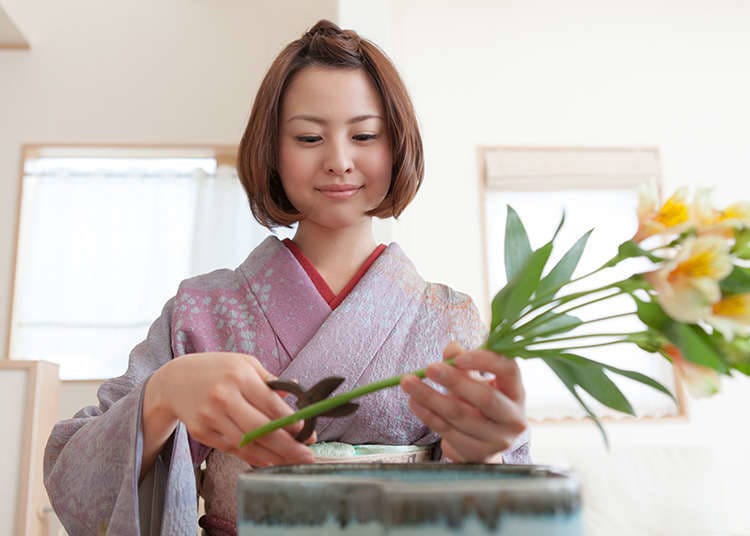
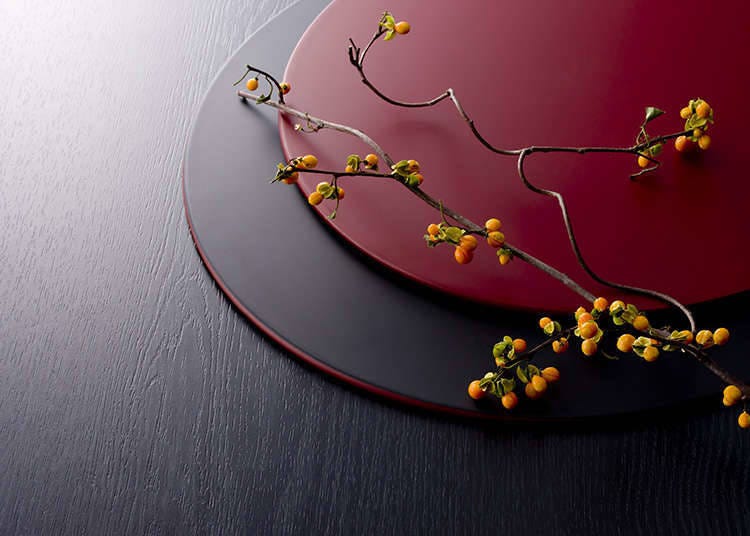
The most distinctive feature of ikebana is the use of a wide array of materials including beautiful blooming flowers, branches, stems, leaves, and mosses that are arranged in visually appealing ways. A needle called a kenzan (literally, "sword mountain") is placed into containers of various shapes, inside which flowers are placed.
Ikebana Presentation Style
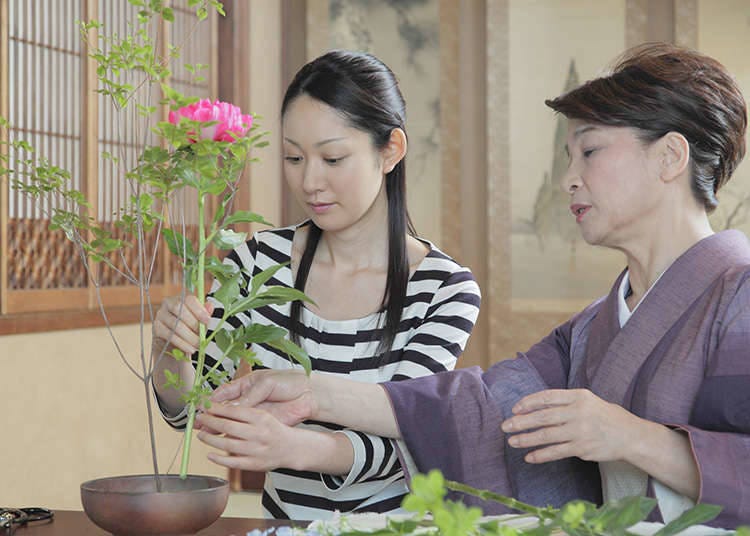
The key point is to express the beauty of flowers by arranging them without precise symmetry, highlighting their natural form and substance. In order to emphasize the vivid color and spirit of the arrangement, it can be a good idea to slightly bend the shape of your arrangement. As you focus on the heart and theme of your piece, create a three dimensional display that carries depth through your use of the available space.
How to Experience Ikebana
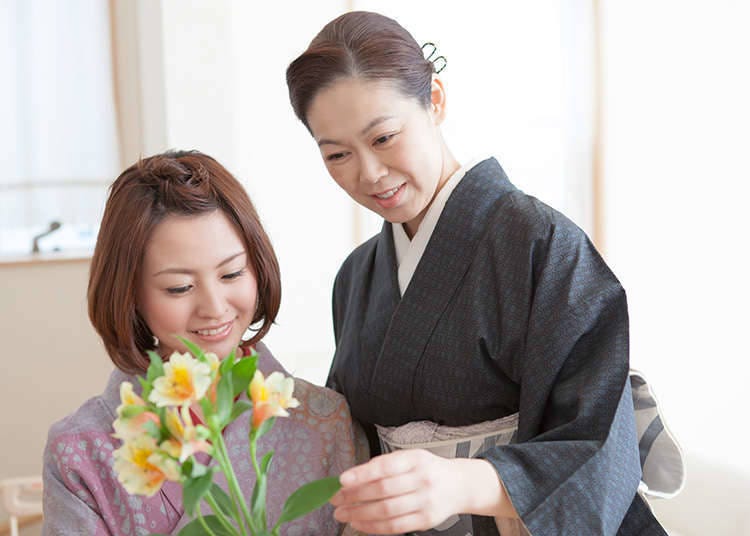
You can experience this art form at ikebana workshops or at the local culture center. There are many opportunities for tourists to easily participate in some of these activities, so be sure to research what is going on near you.
- Category
*Prices and options mentioned are subject to change.
*Unless stated otherwise, all prices include tax.
Popular Tours & Activitiess
Recommended places for you
-

Kanzenkoshitsuyakinikutabehodai Gyugyu Paradise Sannomiya
Yakiniku
Kobe, Sannomiya, Kitano
-
Goods
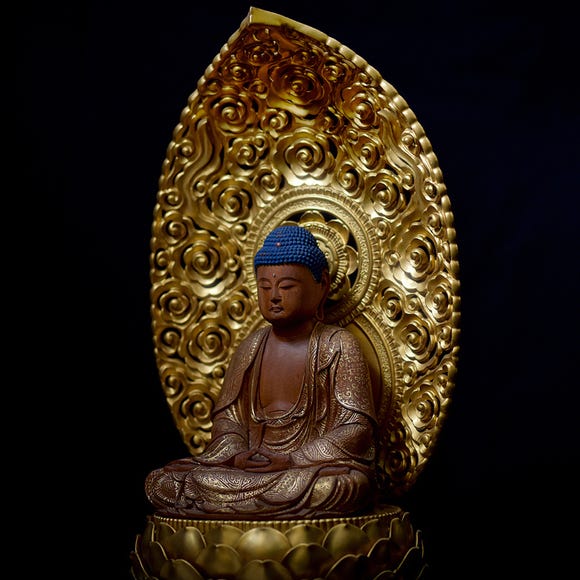
Yoshida Gennojo-Roho Kyoto Buddhist Altars
Gift Shops
Nijo Castle, Kyoto Imperial Palace
-
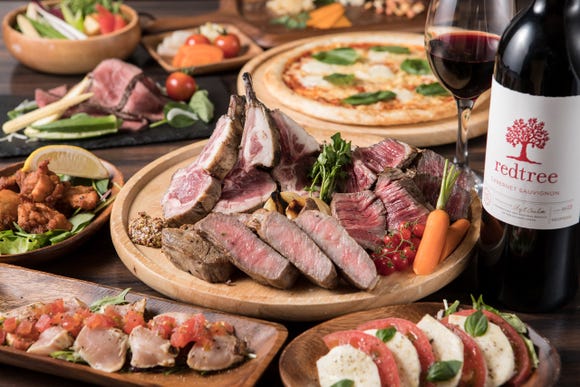
Jukuseiniku-to Namamottsuarera Nikubaru Italian Nikutaria Sannomiya
Izakaya
Kobe, Sannomiya, Kitano
-
Kambei Sannomiyahonten
Yakiniku
Kobe, Sannomiya, Kitano
-
Appealing
Rukku and Uohei
Izakaya
Sapporo / Chitose
-
ISHIDAYA Hanare
Yakiniku
Kobe, Sannomiya, Kitano
-
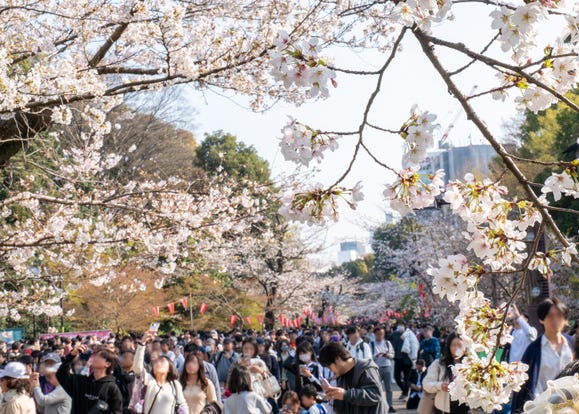
2026 Japan Cherry Blossom Report: Tokyo at Peak Bloom
-
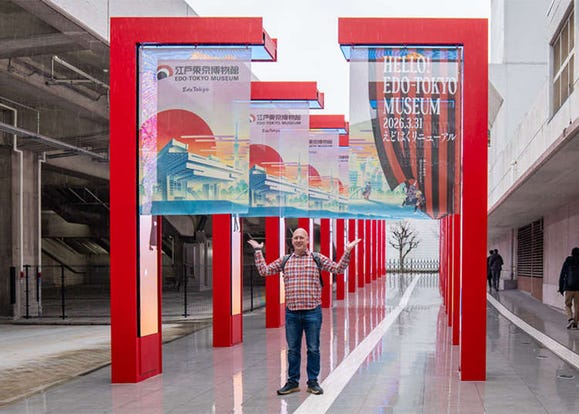
Grand Reopening! The Edo-Tokyo Museum Returns After 4 Years: New Highlights, Interactive Tech, and Limited-Edition Goods
-
Ad

Sharing Japan's Secrets of Longevity with the World: "Noage International" Delivers a New Medical Tourism Experience
-

SILK AND ILY DONUT: Tokyo's New, Laid-Back Waterfront Shop Is A Real Treat
by: Timothy Sullivan
-
Ad
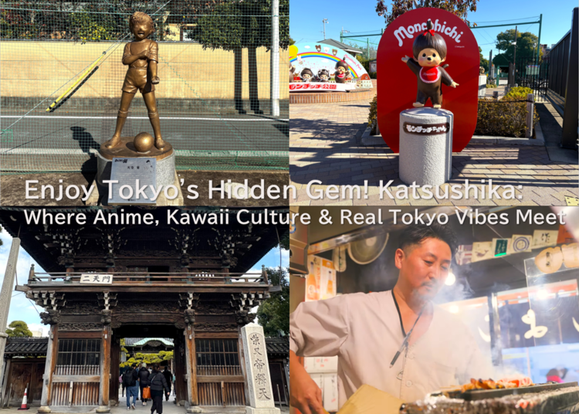
Enjoy Tokyo's Hidden Gem! Katsushika: Where Anime, Kawaii Culture & Real Tokyo Vibes Meet (2026 Guide)
by: Yohei Kato
-

Front-Row Seat by the Sea: Inside the Newly Opened La Vista Atami Terrace and Its Unique Everyday Escape
by: Yukiko Honda
-
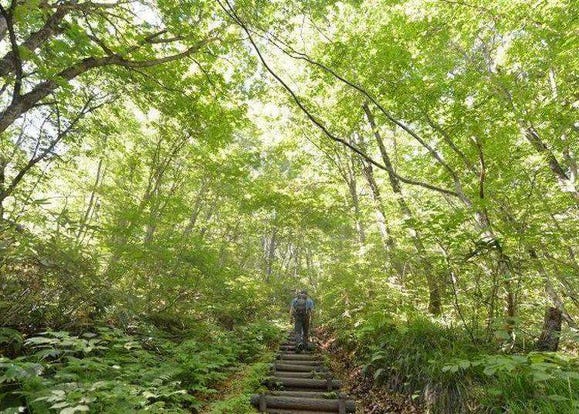
Shirakami-Sanchi Guide: Hiking in Japan's Intense & Untouched Beech Forest (Aomori)
-
38 Best Things to Do in Sendai & Miyagi: Sightseeing, Food, Shopping & Souvenirs
by: Guest Contributor
-
Shibuya Crossing: Getting the Best View from the Deck at Magnet by Shibuya109!
-
Hoshinoya Kyoto: This Incredible Japanese Hotel Welcomes You By Boat on a Sakura-Filled River
-
Atami 1-Day Itinerary: Exploring Japan's Castle & Hot Springs Resort Town Near Tokyo!
-
16 Secrets About Mt. Fuji, the Symbol of Japan: Even Japanese People Don’t Know That?!
by: Guest Contributor
- #best sushi japan
- #what to do in odaiba
- #what to bring to japan
- #new years in tokyo
- #best ramen japan
- #what to buy in ameyoko
- #japanese nail trends
- #things to do japan
- #onsen tattoo friendly tokyo
- #daiso
- #best coffee japan
- #best japanese soft drinks
- #best yakiniku japan
- #japanese fashion culture
- #japanese convenience store snacks