



While you might encounter familiar units such as kilometers or the Japanese yen, Japan also makes use of unique units to measure different kinds of food or things. Do you know how to measure sushi? Let's find out!
Metric System
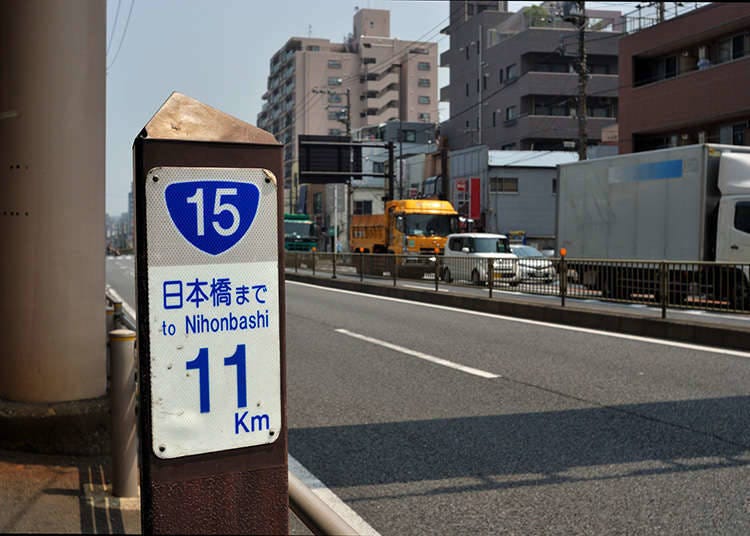
Distance: Meters, Kilometers
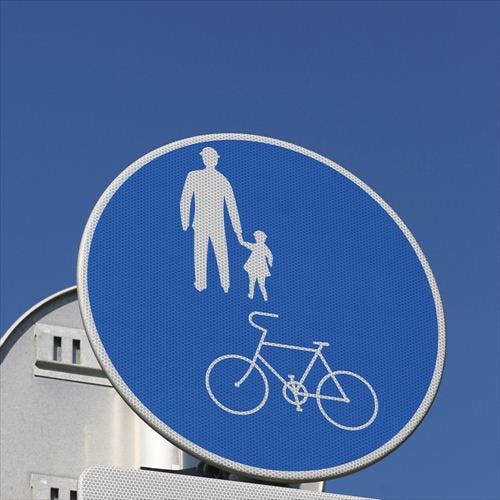
Japan uses the metric system and, as such, you'll encounter the kilometer on maps and signs all over the country.
As a reminder:
-1 meter is about 3.3 feet.
-1 kilometer is about 1,094 yards, or about 3,281 feet (or about 6/10 of a mile).
- At a moderate pace, it takes about 15-20 minutes to walk 1 km.
Speed: Kilometers per hour (km/h)
Naturally, speed is measured in the metric system in kilometers as well instead of the imperial "miles per hour". One mile is about 1.6 kilometers. Generally the maximum speed on regular roads is 60 km/h and on highways it is 100 km/h in Japan.
Temperature: Celsius
For folks who didn't grow up with the metric system, remember that: "30 is hot, 20 is nice; 10 is cool, and 0 is ice."
Monetary Unit: Yen
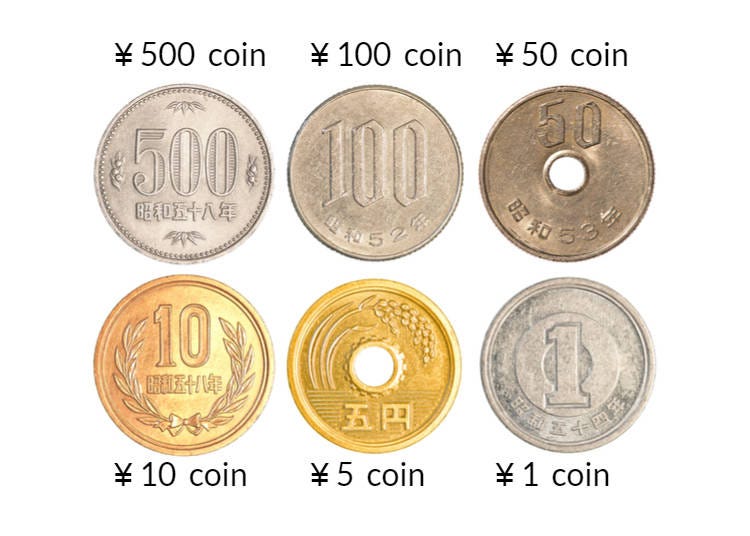
The unit of money used in Japan is the Yen, which is denoted by the ¥ symbol. ¥100 is roughly equivalent to US$1.
There are ¥1, ¥5, ¥10, ¥50, ¥100 and ¥500 coins. ¥1 coins are made of aluminum. ¥5 and ¥50 coins have a hole in the center. Most vending machines will accept coins from ¥10 and higher.
Bills commonly come in ¥1,000, ¥5,000 and ¥10,000, however occasionally you may also come across a ¥2,000 note (meant to commemorate the year 2000). Most vending machines will accept only ¥1,000 notes.
Inside tip: Whereas large bills may be frowned upon in certain countries, it's common to see people paying with ¥5,000 or even ¥10,000 notes even for small-valued items like a pack of gum or pen!
Measuring space: Jo and Tsubo
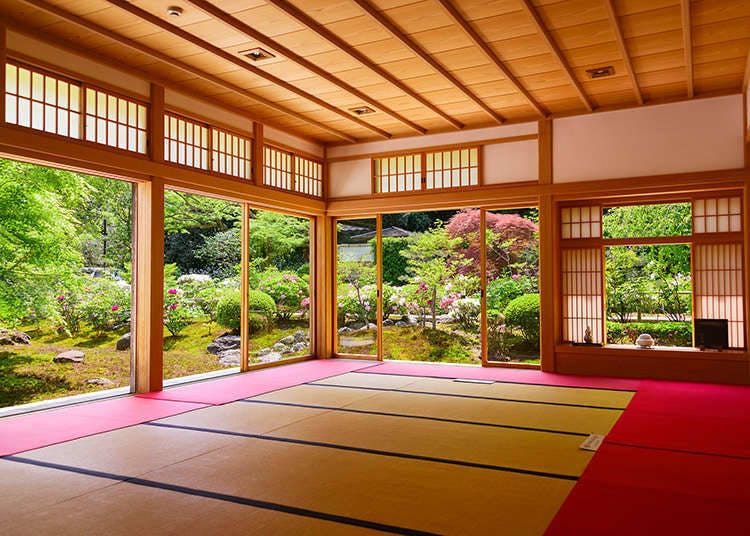
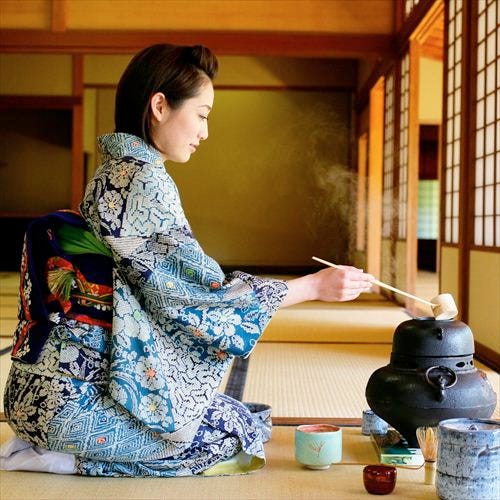
Japan also has a unique unit for space. Based on the tatami mats typical of Japanese-style homes, Japanese people usually measure rooms in jo. 1 jo is the size of 1 tatami mat, which is about 1.6 square meters.
In addition, when measuring land, the unit tsubo is used. 1 tsubo is 3.31 square meters.
A unit for rice: Go
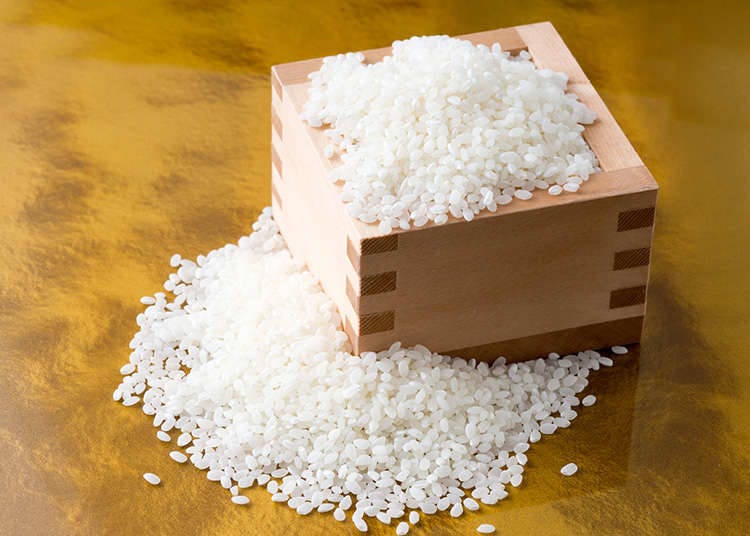
Japan has its own way of counting and measuring food. When Japanese people cook rice, Japan's staple food, they use the unit go. 1 go is 180 milliliters. Rice is generally measured using special cups that are sold in most grocery shops.
Counting sushi: Kan
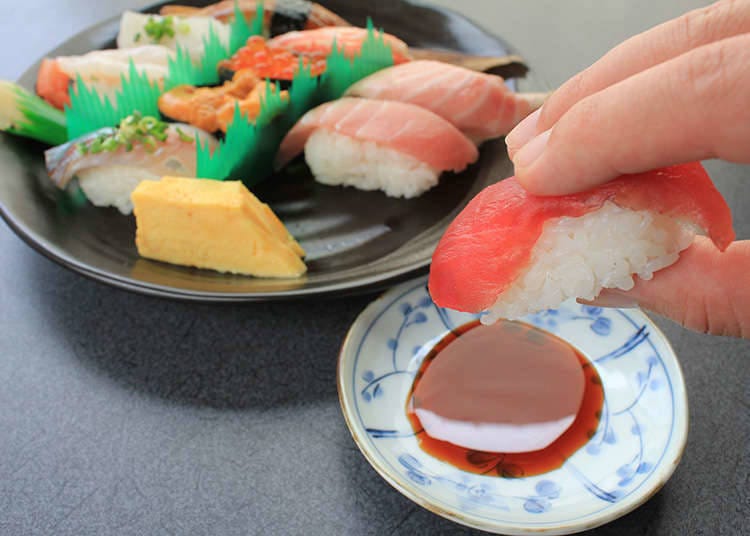
When Japanese people count sushi, they use the unit kan. At a conveyor-belt style sushi restaurants, however, one plate usually has two kan of sushi, so they count the number of plates instead: hitosara means one plate.
Measuring sake: Sho
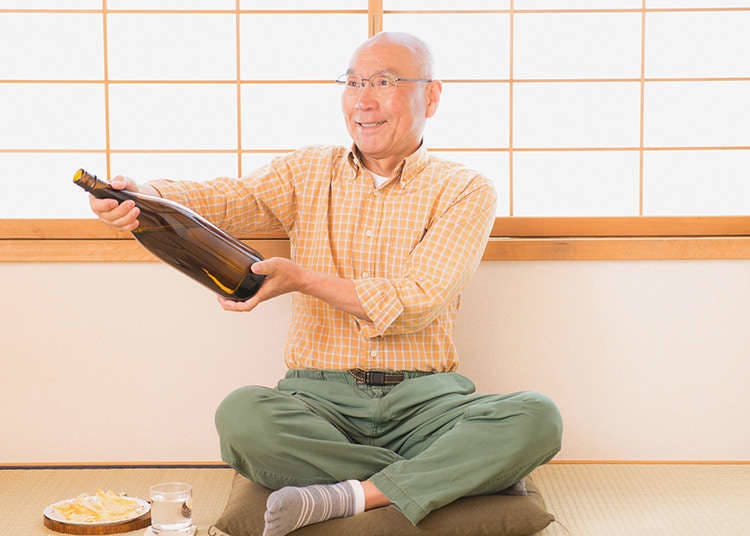
Japanese sake is counted in sho. 1 sho is 1800 milliliters. Other units which are not used in daily life but rather by brewing companies and manufacturers are to (18 liters) and seki (180 liters).
*Prices and options mentioned are subject to change.
*Unless stated otherwise, all prices include tax.
Popular Tours & Activities
Recommended places for you
-
Jukuseiniku-to Namamottsuarera Nikubaru Italian Nikutaria Sannomiya
Izakaya
Kobe, Sannomiya, Kitano
-
Hirosaki Park
Parks
Aomori, Hirosaki And Hachinohe
-
Appealing
Rukku and Uohei
Izakaya
Sapporo / Chitose
-
Jozenji Street
Other Townscapes
Sendai And Matsushima
-
ISHIDAYA Hanare
Yakiniku
Kobe, Sannomiya, Kitano
-
Goods
Yoshida Gennojo-Roho Kyoto Buddhist Altars
Gift Shops
Nijo Castle, Kyoto Imperial Palace
-
Top-Booked by International Visitors: Must-Try Italian & Pizza in Tokyo for First-Time Visitors
by: Guest Contributor
-
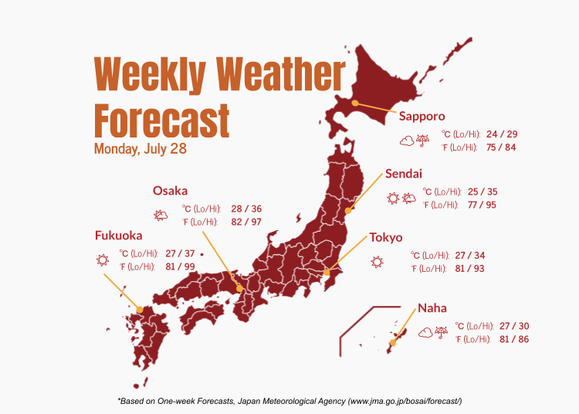
7-Day Japan Weather Forecast: Tokyo, Osaka, Sapporo, Sendai, Fukuoka, Naha – Plan & Pack Smart for Your Trip
-
Just 2 Hours from Tokyo! Escape to Yamanashi's NIPPONIA Kosuge, Where an Entire 700-Person Village Becomes Your Hotel
by: Alice Lee
-
Japan's New GREEN LIFESTYLE TRAIN Connects Tokyo, Yokohama, and a Greener Future
by: Guest Contributor
-

Daikoku PA Car Meet: What Is JDM, and Why Do Enthusiasts Flock Here?
-

The Best Sumo Experiences in Tokyo: Morning Practices vs. Sumo Shows
-
Public Transportation Etiquette
-
Explore the Electric Town for geeks!
-
Top 5 Things to Do in Hokkaido's Biei and Furano Area: Shirogane Blue Pond, Lavender Fields, And More!
-
The Architecture of Japanese Shrines and Temples
-
Guide to Tokyo's Old Quarter: 7 Quaint Spots in Yanesen!
-
A wide variety of Japanese fashion culture and history of Japanese fashion
- #best sushi japan
- #what to do in odaiba
- #what to bring to japan
- #new years in tokyo
- #best ramen japan
- #what to buy in ameyoko
- #japanese nail trends
- #things to do japan
- #onsen tattoo friendly tokyo
- #daiso
- #best coffee japan
- #best japanese soft drinks
- #best yakiniku japan
- #japanese fashion culture
- #japanese convenience store snacks