



Daikoku PA Car Meet: What Is JDM, and Why Do Enthusiasts Flock Here?
- Written by: LIVE JAPAN Editor
Do you know what “JDM” really means, or why car enthusiasts from around the world head to a highway parking area in Yokohama after dark? This guide explores the roots of Japan’s distinctive car culture, Daikoku PA’s notorious street-racing history, and what the scene is actually like today.
Since Daikoku PA cannot be reached on foot or by train, we also explain exactly how to get there, including recommended JDM tours, the best times to visit, and what to know about possible police closures. Whether you are a longtime JDM fan or simply curious about the hype, you will also find essential etiquette and safety tips to help you enjoy the experience smoothly, safely, and respectfully.
(This article may contain affiliate links or coupons. All featured facilities, stores, and products are selected based on our editorial standards)
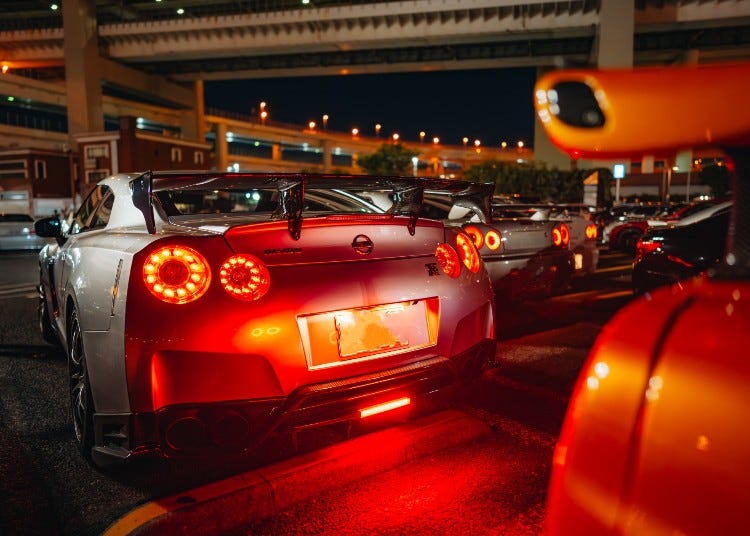
(Main image: Klook)
- Table of Contents
-
- What Is JDM, Really?
- Why Did the World Fall in Love with JDM?
- Why "Daikoku"?
- The Age of the "Wangan-zoku" and "Roulette-zoku"
- What Is Daikoku car meet Like Today?
- Visiting Daikoku car meet: Your Questions Answered
- Enjoy the Ultimate JDM Night at Daikoku PA
- You Might Also Like: Japan's Car Culture & Travel Guides
What Is JDM, Really?
Look up “JDM” online, and you will usually find a fairly dry definition: Japanese Domestic Market, referring to vehicles and parts produced for Japan’s home market. That is technically correct, but ask a car enthusiast what JDM really means, and you will likely hear a very different answer.
At its heart, JDM culture is about individuality. Owners take Japanese cars such as Skylines, Silvias, and RX-7s and rebuild them piece by piece using parts from Japan’s legendary tuning brands, transforming each vehicle into a unique expression of personal taste.
The result is a visual language all its own, distinct from USDM, the American tuning scene that dominated car culture for decades. Lower, sharper, and unmistakably Japanese, this homegrown style is exactly what has captured the imagination of car enthusiasts far beyond Japan.
Why Did the World Fall in Love with JDM?
JDM did not become a global phenomenon overnight. Its rise was built scene by scene and frame by frame.
It began in the 1990s, when Japanese automakers were producing some of the most exciting sports cars the world had ever seen, including the Nissan Skyline GT-R, Toyota Supra, Mazda RX-7, and Nissan Silvia. These cars were more than just fast. They became the foundation of a tuning culture that developed on Japan’s streets, mountain roads, and expressways.
Then came the stories. Manga and anime such as Initial D turned mountain-pass racing into legend, while Wangan Midnight immortalized high-speed runs on Tokyo’s expressways. Hollywood carried the culture even further with The Fast and the Furious: Tokyo Drift, introducing JDM cars and drifting to audiences who had never set foot in Japan. Racing games such as Gran Turismo also gave players the chance to get behind the wheel long before they could see these cars in person.
With the rise of YouTube and Instagram, that fantasy began to feel real. Videos of places such as Daikoku PA, with rows of tuned Japanese cars gathered beneath the highway lights, went viral and transformed a local parking area into a bucket-list destination. For a growing number of visitors, seeing the scene in person is no longer just a bonus. It is one of the main reasons they come to Japan.
Why "Daikoku"?
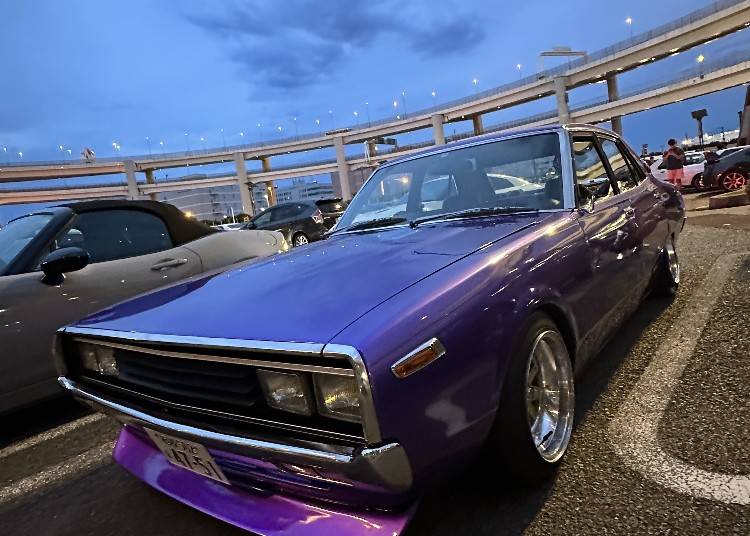
First, an important reality check: Daikoku PA is not a neighborhood, park, or tourist attraction with a nearby train station. It is a parking area, or PA, Japan’s equivalent of a highway rest stop, built directly into the Shuto Expressway’s Bayshore Route in Yokohama.
That single fact explains much of the culture that developed around it. Because Daikoku PA is located inside the expressway, there is no pedestrian entrance, nearby train station, or public bus service.
'The only way in or out is by car.'
(Climbing over fences or entering through the surrounding roads on foot is illegal trespassing, not a clever shortcut. It could lead to arrest, so please do not attempt it.)
This built-in exclusivity helped make Daikoku PA a natural gathering place for car owners. If you were already out driving, why not stop by and see who else was on the road that night?
For visitors, this is the most important point to understand before planning a trip. It is also why, later in this guide, we explain the different ways travelers can reach Daikoku PA, from safe, fully guided JDM tours to driving there yourself. See our tour comparison guide for details.
The Age of the "Wangan-zoku" and "Roulette-zoku"
Long before Daikoku PA became known for relaxed car meets, the surrounding highways had a far more dangerous reputation.
In the late 1980s and 1990s, the Bayshore Route became the territory of the Wangan-zoku, or “Bayshore tribe,” drivers who chased extreme speeds in heavily modified cars, sometimes exceeding 300 km/h on public roads. This was the world later immortalized in the manga and anime Wangan Midnight, in which a tuned Nissan Fairlady Z takes on challengers along the same stretch of highway.
Around the same time, another group known as the Roulette-zoku, or “roulette tribe,” took a different approach. Rather than pursuing top speed on a straight route, they repeatedly raced around Tokyo’s C1 inner loop, circling the city night after night like a roulette wheel. Fans of Initial D and its mountain-pass battles may recognize both groups as part of the same wider street-racing era.
These were illegal and extremely dangerous subcultures, and they are now firmly part of the past. Today, visitors gather at Daikoku PA to display, admire, and talk about cars, not to race them.
Even so, the legends of that era still linger. Tuning icons such as RE Amemiya, famous for its radically styled RX-7 builds, Smoky Nagata, whose heavily modified GT-Rs gained worldwide attention, and Yanagida, celebrated for his Fairlady Z creations, are all said to have been familiar faces at Daikoku PA in its early days. As with much of the folklore surrounding this period, however, the stories have grown and evolved over time.
What Is Daikoku car meet Like Today?
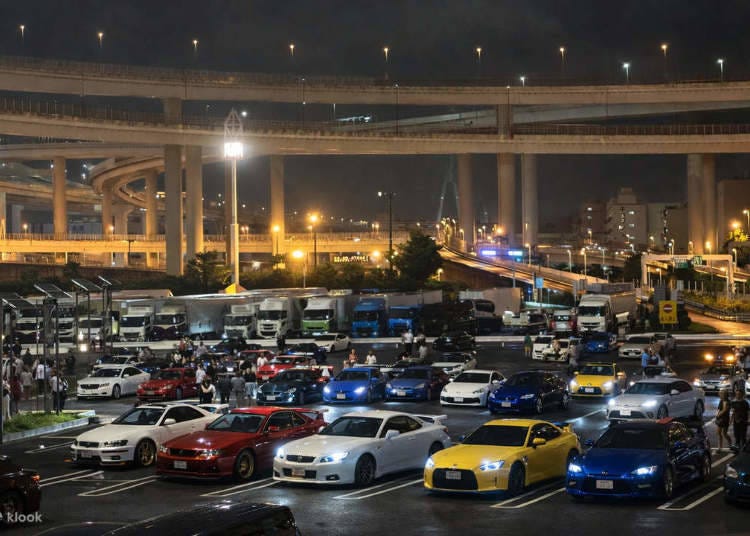
These days, Daikoku car meet has settled into something much calmer: an open-air, no-admission-fee gathering spot where owners park up, chat, take photos, and show off months — sometimes years — of work under the hood.
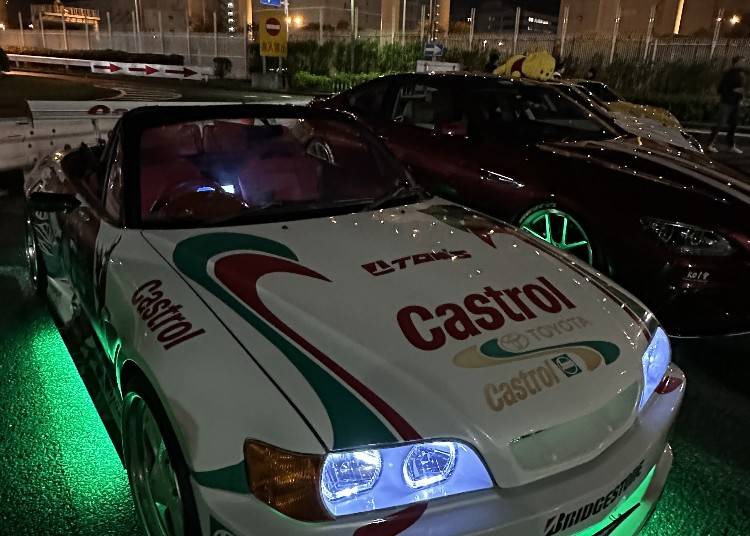
For the most part, Daikoku PA is a safe and welcoming place. Many visitors describe friendly owners who are happy to chat about their cars, even when there is a bit of a language barrier.
That said, this is not an official event with organizers or a fixed set of rules. On any given night, a few drivers may rev their engines a little too enthusiastically for attention, and occasional arguments or confrontations can break out. When that happens, the police may step in, whether by quietly patrolling the lot or closing the parking area for the rest of the night.
In other words, most nights are uneventful, but nothing is guaranteed. Treat it as the kind of outing where the scene may be quiet, dispersed, or gone by the time you arrive, and you are less likely to be disappointed.
-
Daikoku Parking Area大黒パーキングエリア
-
Address
15 Daikoku Pier, Tsurumi Ward, Yokohama City, Kanagawa Prefecture
View Map
The only way in or out is by car
-
Address
15 Daikoku Pier, Tsurumi Ward, Yokohama City, Kanagawa Prefecture
Visiting Daikoku car meet: Your Questions Answered
So, with these rules and on-the-ground risks in mind, how can you enjoy the Daikoku car meet safely and with confidence? Here's what you need to know.
- Yes. Daikoku Parking Area is a public facility on the Shuto Expressway, not a private venue or ticketed event, so there's no entry fee and no guest list. Anyone who can get there is welcome to park, walk around, and take in the scene.
- Unfortunately, no. Because Daikoku PA is located inside the expressway, there is no pedestrian entrance, nearby train station, or public bus stop. Reaching it on foot or by public transportation is simply not possible.
(Note: Climbing over the fence is illegal trespassing, not a shortcut, and could lead to arrest.)
Your practical options are to rent a car, take a licensed taxi, or join a guided JDM tour that includes transportation. We compare each option in detail in our tour comparison guide.
- There's no official schedule, so timing is always a bit of a gamble. That said, weekend and Friday nights tend to draw the biggest crowds, with activity usually picking up after sunset. Keep your expectations flexible — on a quiet night you might see a handful of cars, and on a lively one, dozens.
- Generally, yes — most owners are proud of their cars and happy to be photographed. As a courtesy, it's best to ask before taking close-up shots of someone's face, and to avoid posting photos that clearly show license plates or identifiable faces without permission.
- No, and it's worth setting that expectation early. Daikoku PA is a parking area, not a racetrack, and any kind of racing, drifting, or dangerous driving there is illegal and actively discouraged. What you'll find instead is a static car meet — engines off, owners standing around chatting, and plenty of photo opportunities.
- Police intervention is more common than you might expect. If visitors begin causing disturbances by excessively revving engines, arguing, or otherwise drawing unwanted attention, officers may step in. Depending on the situation, they may temporarily close the parking area to new arrivals or instruct everyone already there to leave.
Should this happen during your visit, the rule is simple: follow the police’s instructions, do not argue, and leave promptly.
- Not necessarily. While most of the owners you'll meet are Japanese speakers, plenty are friendly and happy to communicate through gestures, translation apps, or simple English. If the language barrier worries you, joining a guided tour with an English-speaking host is the most stress-free way to enjoy the experience.
- Since you're technically on the grounds of an expressway facility, it's worth dressing with basic safety in mind — comfortable shoes, and ideally something with a bit of reflective visibility if you're there after dark. Beyond that, a camera (or phone) and genuine curiosity about cars are really all you need.
Enjoy the Ultimate JDM Night at Daikoku PA
Daikoku PA is the one place on Earth where you can feel the full energy of Japan's JDM culture firsthand. But since it's a parking area built into a highway, you can't get there on foot or by train.
Here's a quick recap of the three ways to enjoy Daikoku PA safely and smoothly.
1. [Most Recommended] Join a JDM Night Tour
With pickup/drop-off and an English-speaking guide included, you don't have to worry about the hassle of getting there — or the risk of showing up just as the spot gets shut down. This is the best option for first-timers, or travelers without a car.
GetYourGuide
Viator
2. Self-Drive with a Rental Car
Best for travelers with an International Driving Permit (IDP). If you're confident driving on the Shuto Expressway, this can be an unforgettable driving experience in its own right.
3. Car Charter or Taxi
More expensive, but a good fit if you'd rather travel privately. Just be sure to book your return trip in advance too.
Follow the rules, listen to the police if they ask you to move, and enjoy a night at Daikoku PA you won't forget.
You Might Also Like: Japan's Car Culture & Travel Guides
Daikoku PA isn't the only spot in Japan that will get a car lover's heart racing. Check out these guides too, and make the most of your driving-and-motoring trip through Japan.
- Area
- Category
*Prices and options mentioned are subject to change.
*Unless stated otherwise, all prices include tax.
Popular Tours & Activities
Recommended places for you
-
Kappabashi Street
Old Towns (Shitamachi)
Asakusa
-
Tsukiji Outer Market
Old Towns (Shitamachi)
Tsukiji
-
Ueno Zoo (Ueno Zoological Gardens)
Zoos, Aquariums & Botanical Gardens
Ueno
-
Tokyo Metropolitan Government
Landmarks
Shinjuku
-

Hato Bus Tokyo city tours
Adventure Activities
Tokyo Station
-
Naritasan Shinshoji Temple
Temples
Narita
-

Upgrade Your Japan Travel Experience: How to Master OSHIMAP
by: Guest Contributor
-
Fukuoka: 10 Recommended Apartment Hotels for Comfortable Stays in Hakata, Tenjin, and Beyond
by: Yotsuka Hizuki
-
30 Best Places to Visit in Autumn in Japan for 2026, With Peak Times & Map
by: Nao
-
Ride the Rails, Catch Pokémon: JR East’s Huge Stamp Rally Takes Over Tokyo This Summer
by: Guest Contributor
-
10 Best Nagoya Hotels & Apartment Hotels for Families: Near Legoland & Ghibli Park
by: Yotsuka Hizuki
-
No Walking on Japan's Escalators in 2026? New Manners & How to Ride for Tourists
by: Guest Contributor
Inspiration for Accommodations
-
Family-Friendly Hotels with Free Shuttle to Disneyland: Convenient Access for a Magical Stay
-
Top Ranked Hakone Hotels with Mt. Fuji View: Enjoy Stunning Scenery from Your Private Space
-
Convenient Tokyo Hotels with Airport Shuttle: Ideal for Families and Heavy Luggage
-
9 Family-Friendly Hotels with Comfortable Family Rooms in Asakusa
-
10 Open-air bath Onsen Ryokans in Hakone for Ultimate Relaxation
-
Taking the Tokyo Asakusa Rickshaw Tour: Guide and First-Hand Experience! (Video)
by: Holly Neslusan
-
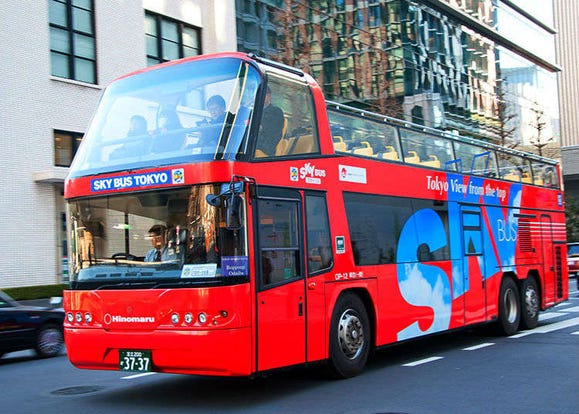
Hop On the Sky Bus and Explore Tokyo From Up Above!
-
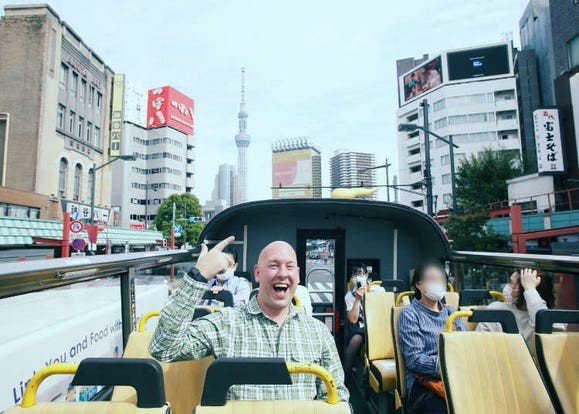
Tokyo Sightseeing Deals: 1 Day of Unlimited Rides on the Tokyo Skyhop Bus for Under $30!
-
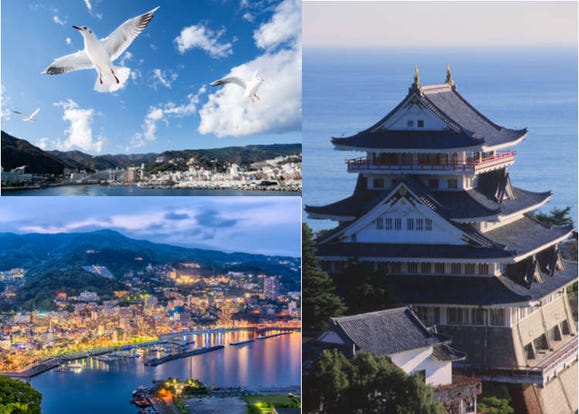
Atami 1-Day Itinerary: Exploring Japan's Castle & Hot Springs Resort Town Near Tokyo!
-
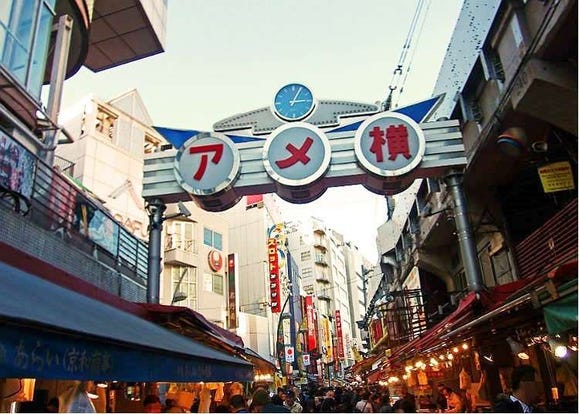
Ueno Station Area Guide: Fun Ways to Explore Tokyo's Popular Destination (Area Map & Sightseeing Tips)
-
Healthcare in Japan for Tourists: What to Do When You Get Sick or Injured in Japan
- #best ramen tokyo
- #what to buy in ameyoko
- #what to bring to japan
- #new years in tokyo
- #best izakaya shinjuku
- #things to do tokyo
- #japanese nail trends
- #what to do in odaiba
- #onsen tattoo friendly tokyo
- #daiso
- #best sushi ginza
- #japanese convenience store snacks
- #best yakiniku shibuya
- #japanese fashion culture
- #best japanese soft drinks