





Japan’s ongoing love relationship with cuteness is well known, and has kicked off whole new café concepts like animal cafes. When prepping to visit Japan, you may be surprised to start learning about curious locations like “fox village” or “bunny island”.
In Japan sometimes whole areas seem to be populated by one individual species, as you will find when you visit Nara – an ancient city teeming with deer. It is also quite uniquely Japanese to find cute animals enjoying the local pastime of having a nice long bath in an onsen hot spring!
Animals in baths doesn’t necessarily sound like the best of concepts, especially if you have ever tried to bathe your cat, but there is something different about watching an animal relax in an onsen, especially when it is adorable! Join as we introduce 3 spots near Tokyo with incredibly cute “bathing” creatures!

1. Jigokudani Monkey Park (Nagano)
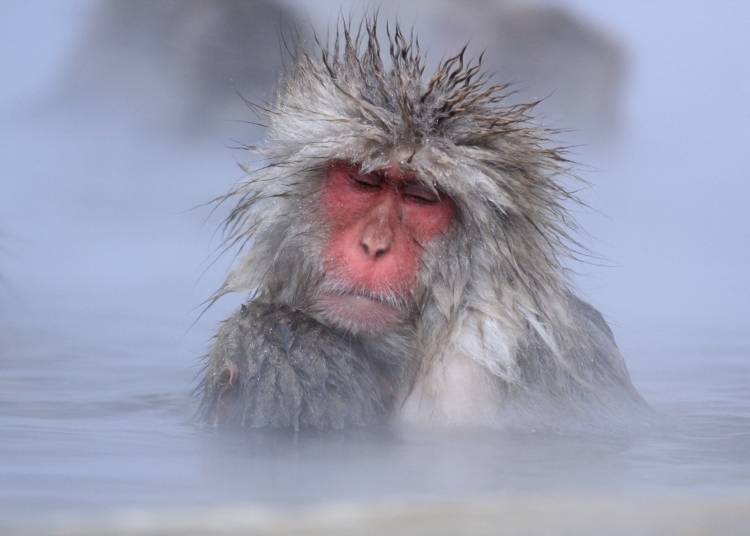
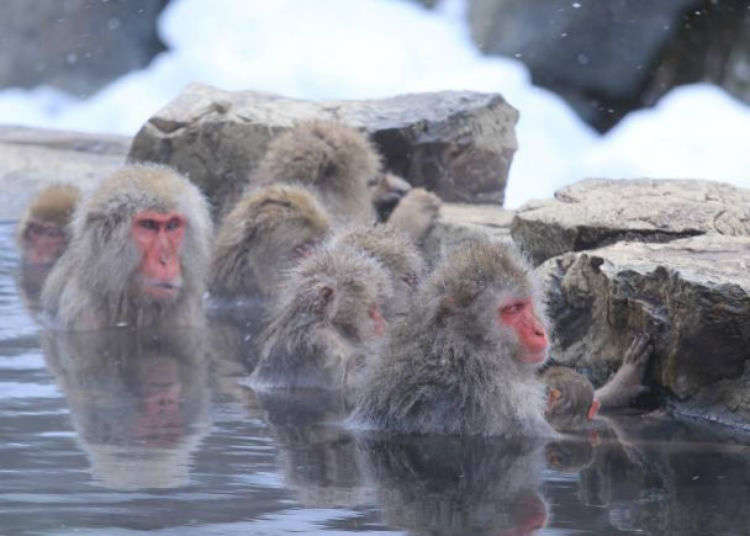
Even if you have somehow never heard of Japan, chances are you have seen photos of the park where monkeys soak in hot baths. Images of snow monkeys lounging in an outdoor onsen, steam rising as snow piles up around them, have gone viral many times over. It is easy to see why. The monkeys look undeniably content.
Jigokudani Monkey Park opened in 1964, and it is important to stress that this is not a zoo. The park is a natural area where the animals are free to come and go as they please. The monkeys are completely wild. They are drawn down to the valley floor in part by food provided by park staff, and while they are there, many take the opportunity to soak in a natural outdoor onsen. Watching these snow monkeys relax in the steaming water, surrounded by a winter landscape, is one of Japan’s most iconic cold-weather sights.

The onsen itself is the result of volcanic activity, where steam and naturally heated water rise to the surface. Fittingly, the name Jigokudani literally means “hell’s valley.” It is worth noting that the monkeys tend to visit the valley mainly in winter. During the hot summer months, they are far less likely to venture into the water at all.
When they do, however, they look thoroughly content. The monkeys lounge in the bath, groom one another, and generally enjoy the experience much as people would. It is hard to blame them. The winters here are cold, and the area is typically blanketed in snow for around four months each year.
Getting there
From Tokyo Station, there are a few ways to reach Jigokudani Monkey Park. One option is to take the Hokuriku Shinkansen to Nagano Station, which takes about 1 hour and 22 minutes, and then transfer to a bus bound for Kanbayashi Onsen, a journey of around 40 minutes.
Alternatively, long-distance coach services such as Willer Express run direct buses to Nagano, with a travel time of roughly 3 and a half hours.
-
Jigokudani Monkey Park地獄谷野猿公苑
- Address 6845 Yamanouchi-machi, Shimotakai-gun, Nagano, Japan 381-0401
-
Nearest Station
Yudanaka Station
- Phone Number 0269-33-4379
・Hours: Summer (April–October) 8:30 AM–5 PM; Winter (November–March) 9 AM–4 PM
・Closed: Open daily
2. Izu Shaboten Zoo (Shizuoka)

Izu Shaboten Zoo is a large, open-air zoo on the Izu Peninsula, home to around 140 animal species and more than 1,500 varieties of cactus. The spacious grounds allow many animals to roam freely, creating a relaxed, immersive atmosphere. That said, there is one clear star attraction that draws visitors from across Japan: the capybaras.
Native to South America, capybaras have become hugely popular in Japan thanks to their gentle nature and irresistibly laid-back charm. Their love of soaking in hot water only adds to their appeal. According to the zoo, it was by chance in the 1980s that staff discovered capybaras happily relaxing in warm baths. This unexpected discovery sparked a trend, and while many zoos now offer capybara hot springs, many consider Izu Shaboten Zoo to be where it all began.

The capybara onsen is set up during winter, making this the best season to visit. Watching these calm, round-faced animals soaking contentedly in steaming water is both soothing and endlessly entertaining. Beyond the capybaras, the zoo offers plenty more to explore, including free-roaming kangaroos on the aptly named Kangaroo Hill and elegant peacocks wandering the grounds.
The zoo sits at the base of Mount Omuro, an extinct volcano that is one of the area’s most distinctive landmarks. Near the zoo entrance, a chair lift takes visitors to the summit, where a circular walking path offers sweeping views of the surrounding landscape. On clear days, you can even spot Mount Fuji in the distance.
Getting there
From Tokyo Station, take the Shinkansen to Atami Station, then transfer to the Ito Line to Ito Station (about 1 hour 26 minutes total).
Alternatively, take the Tokaido Line directly to Ito Station (about 2 hours 26 minutes). From Ito Station, a bus to Shaboten Koen takes around 40 minutes.
Note: JR Rail Pass holders can use the Shinkansen, while the Tokyo Wide Pass covers the Tokaido Line as far as Ito Station.
-
Izu Shaboten Zoo伊豆シャボテン動物公園
- Address 1317-13 Futo, Ito-shi, Shizuoka, Japan 413-0231
-
Nearest Station
Ito Station
- Phone Number 0557-51-1111
・Hours: 9:30 AM–4 PM
・Closed: Open daily
3. Hakone-en Aquarium (Kanagawa)

Hakone-en Aquarium is home to an unexpected star attraction: rare Baikal seals. While there is no actual onsen here, these charming seals make up for it by behaving exactly as if there were one. Watching them lounge and pose is part of the fun, and it is easy to see why they are such a hit with visitors.
Opened in 1979, the aquarium features thousands of aquatic creatures from around the world. The highlight for many is the seal show, where the Baikal seals swim gracefully with a small cloth placed on their heads, mimicking the classic look of Japanese onsen bathers. It is a playful nod to hot spring culture and undeniably cute.

Beyond the seals, the aquarium showcases colorful marine life and a lively group of penguins that add even more variety to the visit. After enjoying the seal “onsen” performance, you can complete the experience by heading to one of the many hot spring facilities located nearby in Hakone.
Getting there
From Tokyo Station, take the Shinkansen to Odawara Station (about 35 minutes), or take the Tokaido Line (about 72 minutes).
From Odawara Station, take an Izu-Hakone bus and get off at Hakone-en (about 1 hour).
-


-
Address
139, Motohakone, Hakone-machi, Ashigarashimo-gun, Kanagawa, 250-0522
View Map -
Nearest Station
Odawara Station (Tokaido Shinkansen Line / JR Tokaido Main Line / JR Shonan Shinjuku Line / JR Ueno Tokyo Line / Odakyu Odawara Line / Hakone Tozan Railway / Izuhakone Railway Daiyuzan Line)
- Phone Number 0460-83-1151
-
Address
139, Motohakone, Hakone-machi, Ashigarashimo-gun, Kanagawa, 250-0522
Winter in Japan offers plenty to enjoy, but there is something especially memorable about watching adorable animals relax in warm water, taking part in a pastime that feels distinctly Japanese. On your next trip, soaking in an onsen at least once is almost a must, and pairing that experience with a visit to see cute animals enjoying their own version of an “onsen” makes it all the more memorable.
- Area
- Category
*Prices and options mentioned are subject to change.
*Unless stated otherwise, all prices include tax.
Popular Tours & Activitiess
Recommended places for you
-

Japan's New Fine Dining Train 'vies' Launches in 2028: A New Era of Gourmet Rail Travel
by: Guest Contributor
-
No More Getting Lost in Tokyo's Subways! The "Magic Translation Terminal" Appearing at All 171 Stations Will Revolutionize Your Journey
by: Guest Contributor
-

SILK AND ILY DONUT: Tokyo's New, Laid-Back Waterfront Shop Is A Real Treat
by: Timothy Sullivan
-
Grand Reopening! The Edo-Tokyo Museum Returns After 4 Years: New Highlights, Interactive Tech, and Limited-Edition Goods
-
2026 Japan Cherry Blossom Report: Tokyo at Peak Bloom
-
Ad
Enjoy Tokyo's Hidden Gem! Katsushika: Where Anime, Kawaii Culture & Real Tokyo Vibes Meet (2026 Guide)
by: Yohei Kato
-
Osechi Ryori: Japan's Lucky and Traditional New Year's Feast
-
Winter Sightseeing in Tokyo Done Right: What to Know and What to Bring
-

7 Best Winter Events in Tokyo: Chilly Evenings, Shiny Holidays (November/December)
-
6 Fun Things to Do at Tokyo's World-Famous Tsukiji Outer Market!
-
The Best of Japan: 11 Major Cities Every Traveler Should Visit
-

Tokyo Roppongi|Roppongi Station Area Map & Sightseeing Information
- #best ramen tokyo
- #what to buy in ameyoko
- #what to bring to japan
- #new years in tokyo
- #best izakaya shinjuku
- #things to do tokyo
- #japanese nail trends
- #what to do in odaiba
- #onsen tattoo friendly tokyo
- #daiso
- #best sushi ginza
- #japanese convenience store snacks
- #best yakiniku shibuya
- #japanese fashion culture
- #best japanese soft drinks