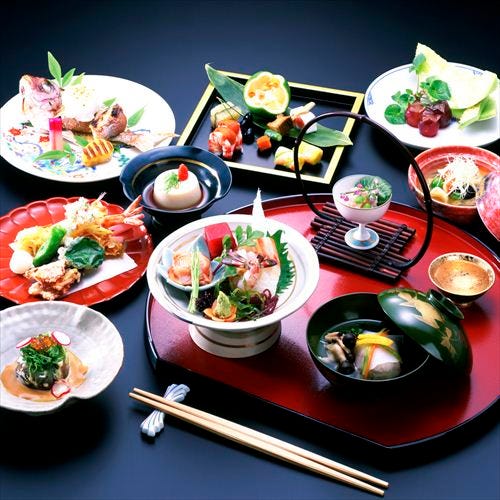





Foreign cuisine can be easily found in cities and there are people who eat French, Italian, Thai, more than they do Japanese food! This is so true that we are so used to these dishes that we can’t do without them anymore. However, we heard that foreigners who try their country's food in Japan don’t really like it.
Today we will present a collection of ethnic dishes that shocked foreigners.
(The following reflects only the opinion of the interviewees.)
[French] Japanese bread is sweet and fluffy...
![[French] Japanese bread is sweet and fluffy...](https://rimage.gnst.jp/livejapan.com/public/article/detail/a/00/03/a0003781/img/en/a0003781_parts_5dccb7ec2142d.jpg?20201019195209&q=80)
“All bread served in Japanese French restaurants is sweet. It feels sugary and sweet, but not the natural sweetness of butter. Besides, it’s fluffy, and it feels like a souffle. It overwhelms the flavor of the meal. I miss French bread.”
Something else that was shocking was about extra bread.
“There was a charge for extra bread. In France, extra bread is basically free. Not only is it a small portion, they also charge you for more (laugh).”
France is one of the most famous countries when it comes to bread. I think Japanese bread is really good, but its texture and flavor are different from the original one.
In Japan, instead of bread you can often get refills of rice or noodles - depending on where you go, it can be free or very cheap. I guess that's Japan's version of unlimited bread!
[Italian] What is “Doria”? I've never had that in Italy
![[Italian] What is “Doria”? I've never had that in Italy](https://rimage.gnst.jp/livejapan.com/public/article/detail/a/00/03/a0003781/img/en/a0003781_parts_5dccb80a7940e.jpg?20201019195209&q=80)
“Doria does not exist in Italy. That’s why I was surprised to see it on the specialty section of the menu in an Italian restaurant. But it was delicious and now I love it. I wish it could be popular in Italy too!”
Doria is often mistaken for an Italian dish in Japan, but it's actually a Japanese dish, created at the Hotel New Grand in Yokohama. Upon learning this, the Italian we interviewed was a little relieved about not hating it.
[Thai] Not spicy at all. I probably had food that was 100 times spicier (laugh)
![[Thai] Not spicy at all. I probably had food that was 100 times spicier (laugh)](https://rimage.gnst.jp/livejapan.com/public/article/detail/a/00/03/a0003781/img/en/a0003781_parts_5dccb821a4778.jpg?20201019195209&q=80)
“In Japan, Thai dishes are milder compared to the ones in Thailand. Even if you order the ‘spicy’ version of a dish, it’s probably not going to feel like it.”
As expected, Mr. K., who grew up eating very spicy Thai food, found the Japanese Thai food too mild. Thai food in Japan is adjusted to the local preferences. Some Japanese people can’t handle hot peppers, so the food may be mild.
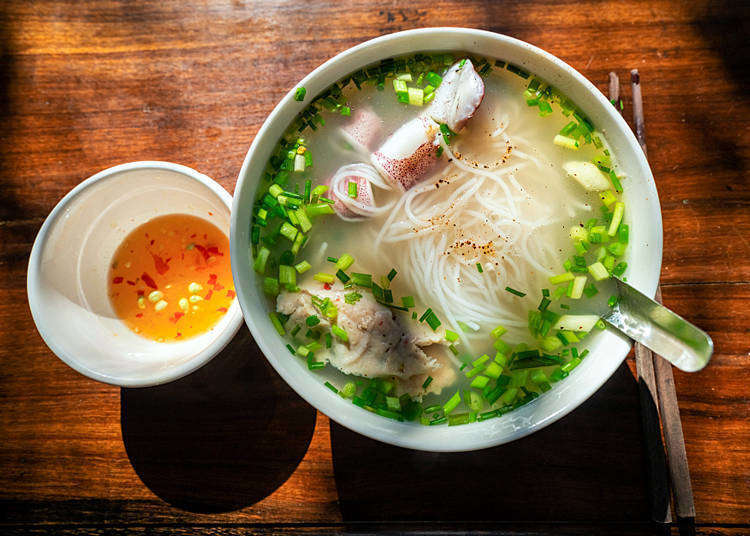
[Vietnamese] In Japan it’s only Pho. There is no “bun” and it’s surprising
![[Vietnamese] In Japan it’s only Pho. There is no “bun” and it’s surprising](https://rimage.gnst.jp/livejapan.com/public/article/detail/a/00/03/a0003781/img/en/a0003781_parts_5dccb838c0a45.jpg?20201019195209&q=80)
“Pho is a noodle dish that is often eaten in Vietnam, but the noodle called ‘bun’ is more common in Hanoi, where I’m from. There is only pho in Vietnamese restaurants in Japan.”
What kind of noodle is the so-called bun?
“It's thinner and chewier than its pho counterpart. A common dish is bunchar, which is eaten in soup or sour sauce. After that, you can use it a spring roll, wrap it with lettuce, and get more from your dish than you do with pho.”
This dish sounds delicious! I want bun to be popular in Japan too.
*Prices and options mentioned are subject to change.
*Unless stated otherwise, all prices include tax.
Popular Tours & Activities
Recommended places for you
-
Senso-ji Temple
Temples
Asakusa
-

Lake Tazawa
Rivers, Lakes & Canyons
Surrounding Areas Of Akita
-
ISHIDAYA Hanare
Yakiniku
Kobe, Sannomiya, Kitano
-
Appealing
Rukku and Uohei
Izakaya
Sapporo / Chitose
-
Goods
Yoshida Gennojo-Roho Kyoto Buddhist Altars
Gift Shops
Nijo Castle, Kyoto Imperial Palace
-
Jukuseiniku-to Namamottsuarera Nikubaru Italian Nikutaria Sannomiya
Izakaya
Kobe, Sannomiya, Kitano
-

Daikoku Car Meet Guide: How to Visit, Best Times & Rules
-
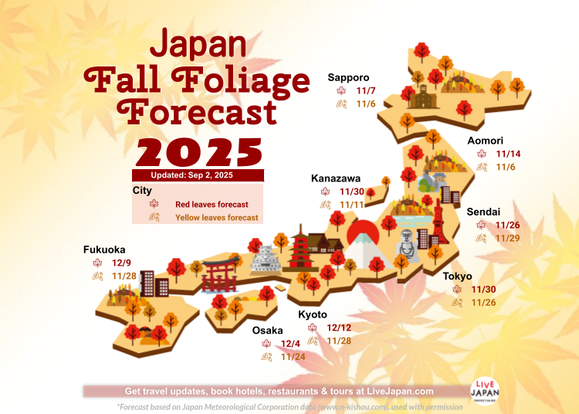
Autumn in Japan 2026: Fall Foliage Forecast & Where to Enjoy the Colorful Leaves (+Tour Info)(Updated Oct 1)
-
Ad
Pocket WiFi Rental in Japan 2026: Complete Price Comparison & Where to Get the Best Deal
-
Ad
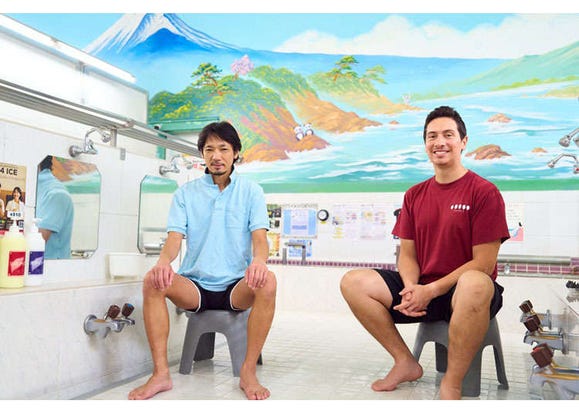
Do’s and Don’ts: The Complete Guide to Sento Baths! Getting the Full Experience In Ueno’s Famous Kotobuki-yu
-

Haneda Airport Duty-Free Shopping Guide: What to Buy, How to Save & Where to Eat Before Your Flight
by: Guest Contributor
-

Seibu Group Launches New Chichibu Adventure Tourism Experience for International Travelers in 2026
by: Guest Contributor
-

Japan's Nuisance Ranking: What Annoys The Japanese Most About People in Trains?
by: Guest Contributor
-

'Big Face?!' Americans Share About Their Quirky Experiences in Japan
-

Shirakami-Sanchi Guide: Hiking in Japan's Intense & Untouched Beech Forest (Aomori)
-
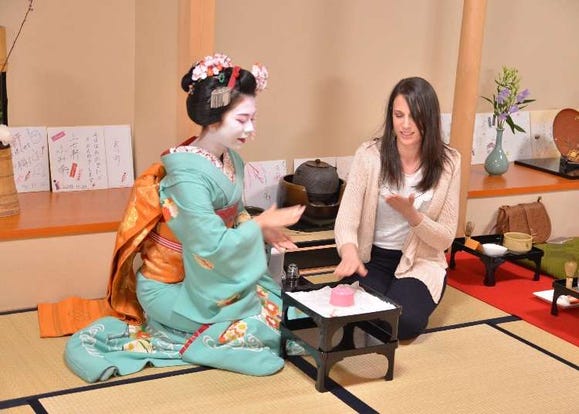
Sightseeing Highlights: Experience the Appeal of Kyoto Geisha Culture
-
Get Japanese miscellaneous goods in Kishimojin and Waseda!
-

'It Might Look Tasty But...' The Weird Ways Japanese Sweets Surprised Foreigners
- #best sushi japan
- #what to do in odaiba
- #what to bring to japan
- #new years in tokyo
- #best ramen japan
- #what to buy in ameyoko
- #japanese nail trends
- #things to do japan
- #onsen tattoo friendly tokyo
- #daiso
- #best coffee japan
- #best japanese soft drinks
- #best yakiniku japan
- #japanese fashion culture
- #japanese convenience store snacks