








On Akita’s Oga Peninsula, Oga Aquarium GAO pairs marine life with sweeping views of the Sea of Japan. Its exhibits introduce local fish, penguins, seals, sea lions, and polar bears, while the Hatahata Museum explores a fish closely tied to Akita’s food culture.
This guide follows an earlier visit through the aquarium, with updated planning information and a side trip to nearby Godzilla Rock. Food, souvenirs, and events shown in historical photos may differ from those available today.
Oga Aquarium GAO: Sea Views and Marine Life
Oga Aquarium GAO stands on the western coast of the Oga Peninsula, overlooking the Sea of Japan. The original aquarium opened in 1967, and the current GAO facility opened in 2004. Today, it combines local marine-life exhibits with animals from farther afield.
From JR Oga Station, the reservation-only Namahage Shuttle provides access to GAO. Despite its name, this is a shared sightseeing taxi rather than a regular bus. Reserve online by 9 PM the day before travel, or by 5 PM for telephone bookings. Check the current seasonal timetable and return connection before setting out.

The coastal setting is part of the appeal. Before or after your aquarium visit, take a moment to enjoy the Sea of Japan and the peninsula’s rugged shoreline from the surrounding viewpoints.
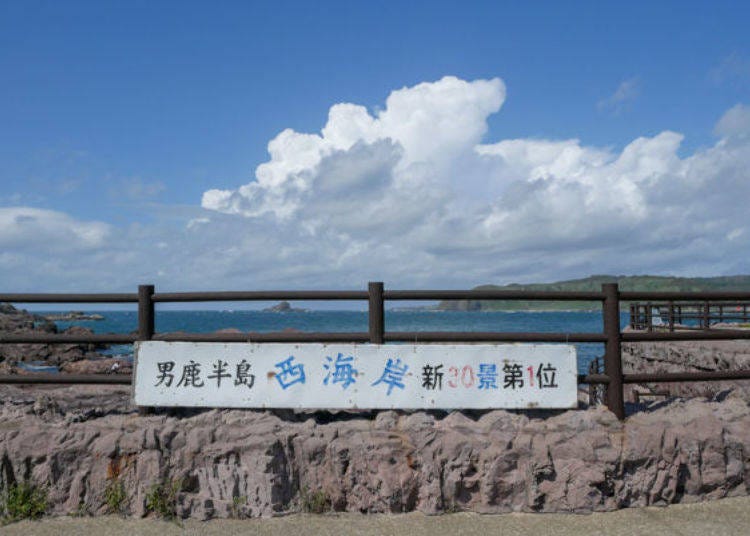


After taking in the sea views, we headed inside. The following photos document our earlier visit; individual animals, displays, and products may have changed.
The Main Tank and Past Namahage Diver Events
The aquarium’s route takes visitors through three floors, from the large Oga Sea Tank to tropical fish, Amazonian species, and marine mammals. Use the current floor map to plan your visit and find the feeding areas.

The first major stop is the Oga Sea Tank. The aquarium’s current guide describes an 800-ton tank displaying around 2,000 animals from about 40 species, introducing marine life found around Oga in spring and summer. Schools of fish and larger animals make this an absorbing place to pause.


The broad viewing window makes the tank feel like a cross-section of the sea. Take your time watching how the animals move through the different levels of the water.


GAO has staged special Namahage Diver events, bringing Oga’s familiar masked figures into the main tank. The photograph below shows a past event.
The confirmed February 13 to 15, 2026 event has ended. Dates for the next edition were not confirmed in the official information checked, so please check the aquarium’s event announcements for future appearances.

During our visit, we also spotted a familiar-looking rock inside the tank.

Doesn’t it look like Godzilla? The tank’s replica references the natural Godzilla Rock on the Oga coast, which we visited later in the day.
The second-floor exhibits introduce fish from Japanese waters, including species associated with Akita and the Sea of Japan.


The Akita forest-and-river section shifts the focus to freshwater habitats, from rivers to ponds and rice-field landscapes. Its displays also introduce rare species and the importance of protecting their habitats.


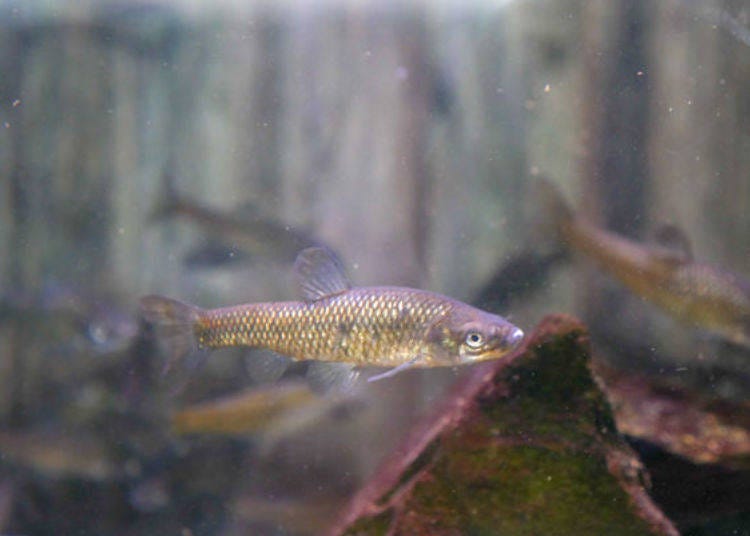
From local freshwater life, we continued to the third floor for a different set of colors and shapes.
Coral Reefs and Amazonian Fish on the Third Floor

The coral-reef area displays fish and other animals from reefs in Japan and overseas. Look closely around the coral: some of the smaller residents are easy to miss.


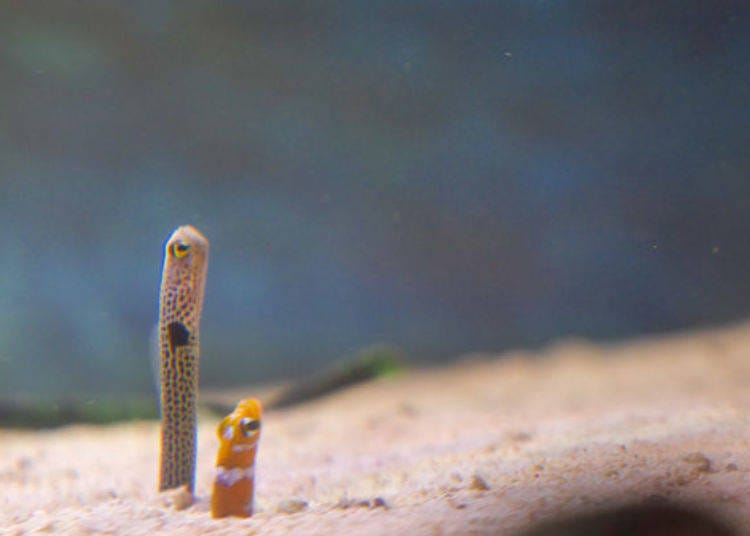
Next came the Amazon area. Large freshwater fish and tropical species give this section a very different atmosphere from the coral displays.


After moving between local waters, coral reefs, and the Amazon, we turned to one of GAO’s best-known attractions: its polar bears.
Meet the Polar Bears
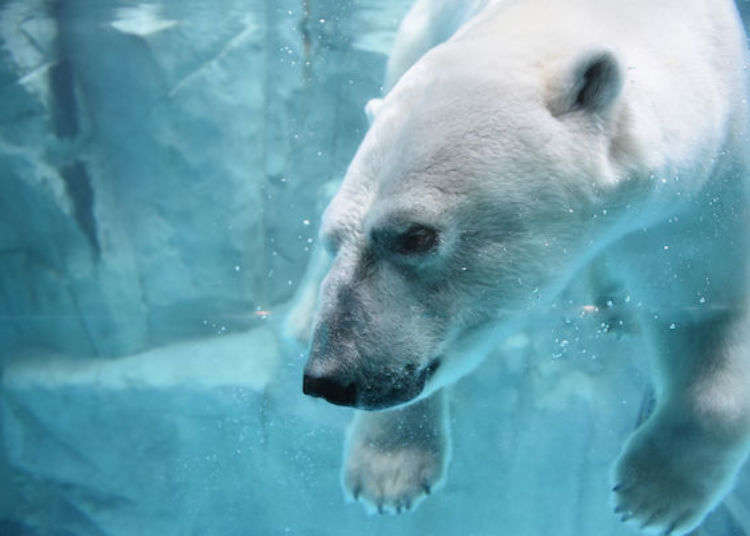
The photographs in this section show Gota during our earlier visit. Watching him from different levels gave us a sense of his size, especially when he slipped into the pool.
The aquarium also posts updates about its other polar bears. Its October 17, 2026 announcement said Momo and Momota had returned to the display area after a temporary pause, while stressing that their condition takes priority. Check the latest animal notices before visiting, as viewing arrangements can change.


On land, Gota’s size was impressive. In the water, his movements looked surprisingly effortless. Seeing both sides of his behavior was a highlight of our visit.

Different viewing levels let visitors see the polar-bear area from more than one angle. What you can observe depends on the animals’ activity and the day’s display arrangements.

If a bear is swimming or interacting with enrichment items, it’s worth lingering to watch. Follow the aquarium’s viewing and photography guidance and give other visitors room at the windows.
Plan Around Feeding Time
Penguins, seals, and California sea lions are other highlights. Feeding sessions offer a chance to watch their behavior and hear keeper explanations.
・Penguins: 10:30 AM and 2:30 PM
・Spotted Seals: 11:20 AM and 3:20 PM
・California Sea Lions: Around 11:35 AM and 3:35 PM, after seal feeding ends
・Polar Bears: 1:30 PM
・Main Tank Dive: 2 PM on weekends and public holidays
Schedules can change or sessions may be canceled. Check the day’s announcements on arrival.


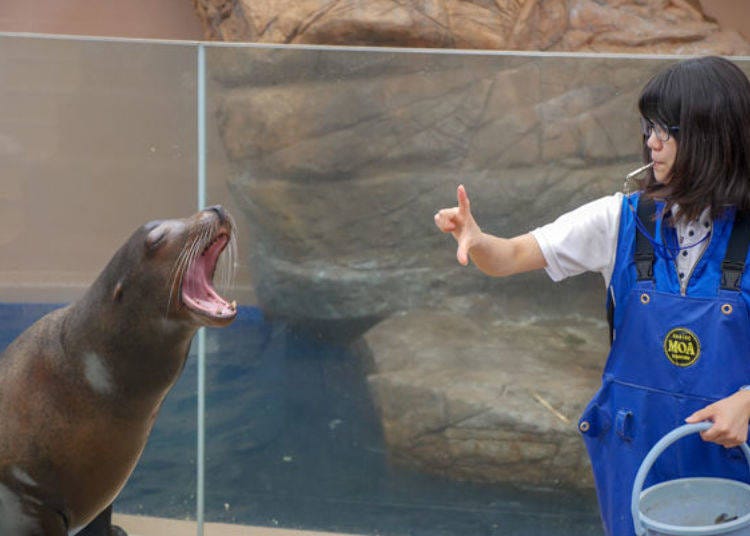


The underwater viewing space offers another perspective on the seals and sea lions. Pause at the windows and watch them move between the surface and the lower part of the pool.


Seasonal programs change throughout the year. Check the official event page before traveling, and follow the day’s announcements inside the aquarium.
Explore Akita’s Hatahata Food Culture
The Hatahata Museum focuses on Japanese sandfish, Akita’s prefectural fish. It explores the species’ ecology, fishing history, and importance in local food culture, including the fish sauce known as shottsuru.
This is a useful stop for understanding why a small fish has such a prominent place in Akita’s identity.


Jellyfish and a touch-pool area add more variety to the visit. Follow staff instructions at hands-on exhibits, as the animals and activities available can change. We spent about two hours exploring on our visit; allow extra time if you want to catch several feeding sessions or stop for lunch.


The museum shop is a good place to browse animal-themed souvenirs. Polar-bear designs feature prominently, but stock changes. The products photographed below are items from our earlier visit, with current availability and prices unconfirmed.


For a meal or a break with a sea view, head to the aquarium’s restaurant.
Dining With a Sea View at Flutto
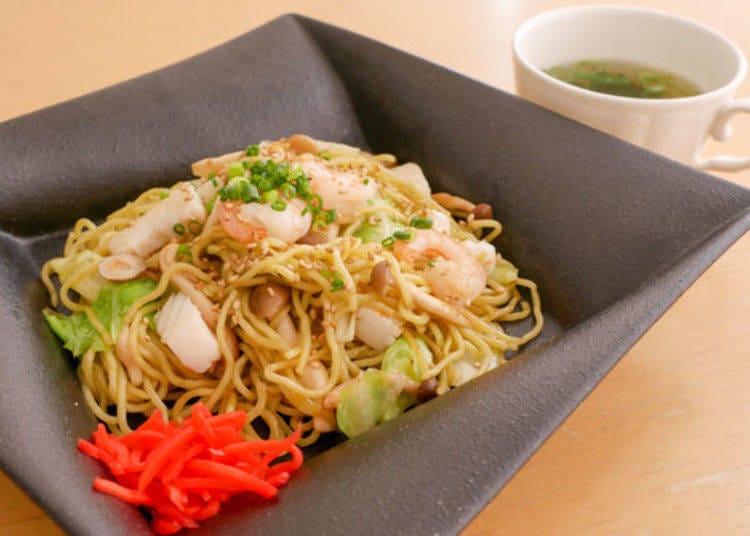
Restaurant Flutto overlooks the Sea of Japan and serves dishes that draw on local ingredients and flavors. The menu and opening hours vary, so check the official restaurant page before visiting.
The dishes below were photographed on our earlier visit. Their current availability and prices have not been confirmed. If you only want to use the restaurant, ask reception about restaurant-only entry.


After the aquarium, we continued along the coast to see the natural Godzilla Rock. It makes a scenic addition to an Oga Peninsula drive, especially when the weather is clear.

-
Oga Aquarium GAO男鹿水族館GAO
-
Address
Togashiohama, Oga City, Akita Prefecture 010-0673
View Map
・Admission: Adults 1,300 yen; elementary and junior high school students 500 yen; preschool children free
・Hours Through February 28, 2027: 9 AM to 4 PM; last admission 3 PM
・March 1 to 31, 2027: 9 AM to 5 PM; last admission 4 PM
・Closures: Scheduled closure dates apply. Check the official calendar for your visit; hours from April 2027 onward were not confirmed.
・Phone: 0185-32-2221
・Official Website: https://www.gao-aqua.jp/
・Hours and Closures: https://www.gao-aqua.jp/news/49802.html -
Address
Togashiohama, Oga City, Akita Prefecture 010-0673
Photographing Godzilla Rock at Sunset
Godzilla Rock stands at Shiosezaki, southwest of the aquarium. This coastal rock formation is known for a silhouette resembling the famous monster, particularly when seen against the setting sun.
Use the official sightseeing information and current navigation to find the site. The photos below show the approach during our earlier visit; roadside landmarks and parking arrangements may change.

The coastal route follows Prefectural Road 59. Check your route before leaving the aquarium, and allow time to find the site before sunset.


The approach crosses an uneven rocky shore. Wear shoes with a good grip and stay out of the water. Avoid the shore in rough seas, strong winds, or poor visibility, and leave enough daylight to return safely.

Several unusual formations line the shore. From the right viewing angle, Godzilla’s familiar profile begins to emerge.

The resemblance is striking: a natural silhouette that seems poised to roar.

The classic “fire-breathing” photograph places the setting sun near the rock’s mouth. The effect depends on the season, weather, and where you stand.
We tried several angles before sunset, but at first the light looked more like a glowing eye than a mouthful of fire.


As the sun dropped, we realized our early-September visit didn’t offer the classic alignment. Official Tohoku tourism guidance recommends around April and October for photographs of the rock appearing to breathe fire.
Even outside those periods, the coastline can be rewarding to photograph. Just don’t expect the sun and silhouette to line up on every visit.

We kept adjusting our framing and found an angle that captured the atmosphere of the scene.


The light changes quickly near sunset. If conditions are suitable, arrive early enough to choose a safe viewpoint and enjoy the scene rather than rushing for one photograph.


-
Shiosezaki (Godzilla Rock)潮瀬崎(ゴジラ岩)
-
Address
Kohama, Funagawa Minato, Oga-shi, Akita
View Map
Free entry
-
Address
Kohama, Funagawa Minato, Oga-shi, Akita
Oga Aquarium GAO and Godzilla Rock make an appealing pairing: local marine life and animal exhibits, followed by a coastal landscape with a playful silhouette. Plan around the aquarium’s operating calendar and the weather, and leave time to enjoy the peninsula between stops.
Information checked on November 20, 2026. Historical photos show our earlier visit. Products and dishes labeled as past items are not confirmed as currently available; prices have been removed. Animal displays, feeding sessions, events, and opening hours may change.
- Area
- Category
*Prices and options mentioned are subject to change.
*Unless stated otherwise, all prices include tax.
Popular Tours & Activities
Recommended places for you
-
Hirosaki Park
Parks
Aomori, Hirosaki And Hachinohe
-
Akiu Onsen
Hot Springs (Onsen) & Bath Houses (Sento)
Sendai And Matsushima
-

Koiwai Farm
Other Nature
Morioka, Hiraizumi And Hachimantai
-
Senshu Park
Parks
Surrounding Areas Of Akita
-

Zuiganji Temple
Temples
Sendai And Matsushima
-
Baeren Brewery Co., Ltd.
Other Sightseeing
Morioka, Hiraizumi And Hachimantai
-
Every Fall, Giant Straw Creatures Take Over This Park in Japan
-
Why Is There a Giant Moai Statue in Japan? A Powerful Story Awaits in Minamisanriku
by: Timothy Sullivan
-

Tohoku Just Got Cuter: Meet the New Gotochi Bear × Sanrio Collab
by: Guest Contributor
-

Hotel Mazarium: Stay In the Heart of Morioka at This Atmospheric Hotel
by: Timothy Sullivan
-
This Akita Hotel Brings a Legendary Japanese Folklore Tradition to Your Room
by: Guest Contributor
-

6 Morioka Souvenirs Worth Buying near the Station: An Editor's Picks from Iwate
by: Yukiko Honda
-

Tokyo to Niigata by Shinkansen: Guide to Riding the Joetsu Shinkansen
by: Guest Contributor
-

3 Famous Ramen Shops in Yamagata - Japan's "Ramen Prefecture"!
-

Kesennuma City Memorial Museum (Ruins of Koyo High School): Telling the Story of the 3/11 Great East Japan Earthquake
-

Togatta Onsen Guide: Best 6 Places to Indulge Yourself in Miyagi Prefecture's Magical Hot Springs Resort Village
-

Visiting the Sacred Japanese Gardens at Entsuin Temple in Matsushima
-

Complete Guide to Niigata Airport (KIJ): Dining, Souvenirs, Massages, and More!