







We’ve all heard the old stereotype: Japan is notoriously tough on the wallet. But is it really?
According to Japan’s Ministry of Health, Labour and Welfare, a fresh college graduate in 2023 started at a monthly salary of around 233,000 yen. As for minimum wage in 2025, it averages 1,121 yen across the country, peaking at 1,226 yen in Tokyo. When you're working with a set income, everyone wants the same thing: great stuff for less money!
Surprisingly, many tourists visit Japan and find it cheaper than their home countries. Let's break down what's actually pricey, what's a total steal, and how locals handle their cash!
(The exchange rate in this article is calculated based on 158.112 yen per USD in May 2026 and is for reference only.)
Mix It Up! Smart Hacks to Save on Food Expenses

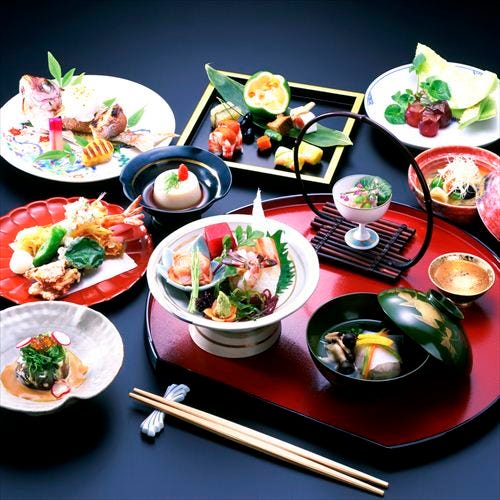
Japan is an absolute foodie paradise! Not only is there a Tokyo Michelin Guide, but you’ll find regional Michelin guides across the country. Alongside high-end sushi and tempura, you can find everything from French and Chinese to Korean, Thai, Vietnamese, and Indian curries. Sure, there are luxury spots where a single meal can cost tens of thousands of yen—if you've got the cash, world-class flavors are waiting for you!
But don't worry, budget foodies! You can grab fast food for just a single coin (500 yen), stuff yourself with a healthy set meal for 1,000 yen, or feast on all-you-can-eat shabu-shabu for around 2,000 yen. Plus, the takeout game is incredibly strong: convenience store bentos, supermarket deli items, and made-to-order bento chains offer endless options. In the city, food trucks parked outside office buildings are a huge hit during lunch hour.
The local secret? Save your yen by eating cheap on normal days, and splurge on fancy dinners for dates or anniversaries. People in Japan are pros at mixing it up between eating out, getting takeout, cooking at home, and balancing cheap eats with high-end treats!
Transit Fees Add Up Fast! Why Locals Skip Expensive Taxis

At first glance, Japan's public transit fares don't seem too crazy. A single stop on the JR Yamanote Line is 160 yen, the Tokyo Metro is 180 yen, and a city bus ride is 210 yen (with a tiny discount if you use an IC card). Compared to many countries, the starting fares are reasonable. However, if you're taking multiple rides a day or traveling long distances, those fares can sneakily add up to a much bigger expense than you'd expect!
Tokyo has a massive web of train lines, but since they are run by different companies, transferring between them can drain your wallet. For tourists bouncing around the city, a day pass is a total lifesaver. Locals might not use day passes, but they definitely feel the pinch when making multiple transfers. And out in the countryside where trains are sparse, fares for a single section can be even pricier!
As for taxis? Most Japanese people think they are way too expensive. Unless it's for work or a special emergency, regular rides are rare. For example, a taxi ride for the distance of one train stop (about 4 km) will cost you around 1,800 yen. Following a fare revision in April 2026, Tokyo taxis (including the 23 wards, Mitaka, and Musashino) start at 500 yen for the first kilometer, adding 100 yen for every 232 meters. Hit a traffic jam, and time charges apply too! The goal of the price change was to encourage short rides under 4 km, but anything over 6.5 km now actually costs more than it used to!
The Unavoidable Cell Phone Bill: Expensive, But Essential!

One expense that really makes people feel the high cost of living in Japan is the phone bill. In fact, Japan's telecommunication fees have historically been among the highest in the world! But since the internet and smartphones are essential for modern life—just like rent, food, and electricity—you can't exactly cut them from your budget.
Why so pricey? Compared to other countries, Japan's telecom industry has strict regulations and high barriers to entry, making it hard for prices to drop. Luckily, things started looking up in 2015 when a law mandated SIM-free phones, allowing users to finally break free from carrier locks. Recently, more budget-friendly carriers have entered the market to compete with the big telecom giants.
Global Monthly Cell Plan Comparison:
・New York (USA): 5,713 yen
・Düsseldorf (Germany): 2,609 yen
・Tokyo (Japan): 2,973 yen
・London (UK): 2,695 yen
・Paris (France): 2,669 yen
・Seoul (South Korea): 3,070 yen
(Note: Converted based on exchange rates at the time of the survey. Sourced from the Ministry of Internal Affairs and Communications' 2024 survey on domestic and international telecom prices, published June 2025.)
Brace Yourself for Utilities: Japan's Gas and Electric Bills Rank High Globally!

When it comes to basic lifelines like electricity and gas, unit prices in Japan run pretty high! According to a 2024 survey by Global Note, out of 28 major countries and regions, Japan ranks 21st for household electricity costs, and 14th out of 25 countries for gas costs.
Even though energy unit prices are high, Japanese home appliance makers are constantly pumping out amazing energy-saving gadgets. Plus, ever since the 2011 earthquake, the country has heavily embraced an energy-saving culture. So, what does a real Japanese household actually pay?
According to the Statistics Bureau of Japan, here are the average monthly and yearly costs for households in 2024.
Average Household Electricity Bills (2024):
・2 People: 10,878 yen/month (130,536 yen/year)
・3 People: 12,651 yen/month (151,812 yen/year)
・4 People: 12,805 yen/month (153,660 yen/year)
・5 People: 14,413 yen/month (172,956 yen/year)
Average Household Gas Bills (2024):
・2 People: 4,497 yen/month (53,964 yen/year)
・3 People: 5,121 yen/month (61,452 yen/year)
・4 People: 5,015 yen/month (60,180 yen/year)
・5 People: 4,284 yen/month (51,408 yen/year)
(Data source: Statistics Bureau, Ministry of Internal Affairs and Communications, Family Income and Expenditure Survey. Converted based on May 2026 exchange rates).
The Final Verdict
Following the collapse of the economic bubble in 1998, Japan went through a solid two decades of deflation. The silver lining? The rise of cheap chain restaurants and fast fashion! Thanks to the principle of "small profits, quick returns," many things are actually cheaper than they used to be. You now have a massive variety of low-cost, high-quality choices—from all-you-can-eat menus and fast food to 100-yen shops and trendy fashion.
On the flip side, things like taxi fares, entertainment (like going to the movies), phone bills, utilities, and education are still undeniably expensive—even locals feel the sting! So, despite the long period of deflation, everyday living in Japan still takes quite a bit of cash.
(Note: Originally written in 2017, updated in May 2026)
*Prices and options mentioned are subject to change.
*Unless stated otherwise, all prices include tax.
Popular Tours & Activities
Recommended places for you
-

Geibikei Gorge
Rivers, Lakes & Canyons
Morioka, Hiraizumi And Hachimantai
-
Goods
Yoshida Gennojo-Roho Kyoto Buddhist Altars
Gift Shops
Nijo Castle, Kyoto Imperial Palace
-

Jukuseiniku-to Namamottsuarera Nikubaru Italian Nikutaria Sannomiya
Izakaya
Kobe, Sannomiya, Kitano
-

TOKYO SKYTREE®
Landmarks
Ryogoku / TOKYO SKYTREE(R)
-

ISHIDAYA Hanare
Yakiniku
Kobe, Sannomiya, Kitano
-
Appealing

Rukku and Uohei
Izakaya
Sapporo / Chitose
-
[Starting Spring 2027] Japan's Railways Evolve Further! Why Tickets Are Changing to "QR Tickets" and a Riding Guide for Foreign Visitors
by: Guest Contributor
-
BicCamera Tax Refund 2026: Refund Service Fee 0 Yen
-
5 Stationery Shops in Shinjuku: One Walking Route for Art Supplies, Suica Penguin Gifts, and More
-
5 Japanese Craft Shops in Shinjuku: From Walls of Kokeshi Dolls to Artisan Teapots
-
(Japan Travel Etiquette) Eyes Up! Why You Shouldn't Walk and Scroll in Japanese Train Stations
by: Guest Contributor
-
Ad
Do’s and Don’ts: The Complete Guide to Sento Baths! Getting the Full Experience In Ueno’s Famous Kotobuki-yu
-

Sapporo Nightlife Guide: Clubbing and 'Shime-Parfait' - Fully Enjoy Susukino Until Morning!
-
Meiji Shrine (Meiji Jingu): Exploring the Sacred Sanctuary of Peace in Bustling Tokyo
-

Shopping in Japan 2026: Annual Sale Calendar, Best Deals & Where to Shop
-

Universal Studios Japan: Guide to Osaka's Giant Theme Park Attractions!
by: WESTPLAN
-
Ad

The CASIO S100: How CASIO's Masterpiece Calculator Redefines Business Elegance With Japan-Made Reliability
-

Better Than Osaka? Finding Kobe's Best Okonomiyaki Shops!
- #best sushi japan
- #what to do in odaiba
- #what to bring to japan
- #new years in tokyo
- #best ramen japan
- #what to buy in ameyoko
- #japanese nail trends
- #things to do japan
- #onsen tattoo friendly tokyo
- #daiso
- #best coffee japan
- #best japanese soft drinks
- #best yakiniku japan
- #japanese fashion culture
- #japanese convenience store snacks