






Complete Guide to Ueno's National Museum of Nature and Science, the Perfect Place to Visit on Rainy Days or With Children
- Written by: LIVE JAPAN Editor
A beautiful building stands out in a corner of Ueno Park in Tokyo. This is the National Museum of Nature and Science, Tokyo. Nicknamed “Kahaku,” it was founded in 1877 and is one of Japan's largest comprehensive science museums. It consists of two immense buildings, the Japan Gallery and the Global Gallery. The Japan Gallery extends from the first basement floor to the third floor, and the Global Gallery from the third basement floor to the third floor. There are approximately 25,000 exhibits, impossible to see in their entirety in a single day. The museum captivates people of all walks of life and became a popular spot in 2023, attracting around 2.7 million visitors.
- Table of Contents
-
- Must-see 1: Beautiful historic buildings
- Must-see 2: Tracing Japan's history of nature and science at the Japan Gallery
- Must-see 3: Unravel the mysteries of the Earth's life and science at the Global Gallery
- Must-see 4: Immerse yourself in videos inside a dome at Theater 36◯
- Must-see 5: The scientific and technological advances born from humans
- How to learn more about the exhibits
- Special exhibitions
- A museum shop, cafe, and restaurant are also available
- Let's embark on a quest for knowledge at the National Museum of Nature and Science!
- Information on the National Museum of Nature and Science
The National Museum of Nature and Science's theme is "Human Beings in Coexistence with Nature."
Experience Japan's natural history, the history of science and technology, and different perspectives on the story of the Earth. The exhibitions are all indoors, making it ideal when sightseeing in Tokyo on rainy days. It will satisfy your thirst for knowledge and leave children interested in science and animals delighted.
After visiting repeatedly to gather material for this article, I will now present a thorough guide highlighting its charms.
Must-see 1: Beautiful historic buildings
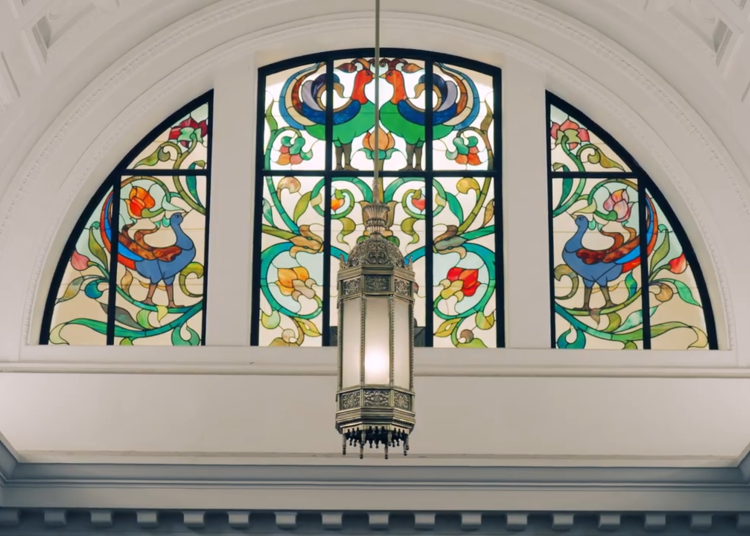
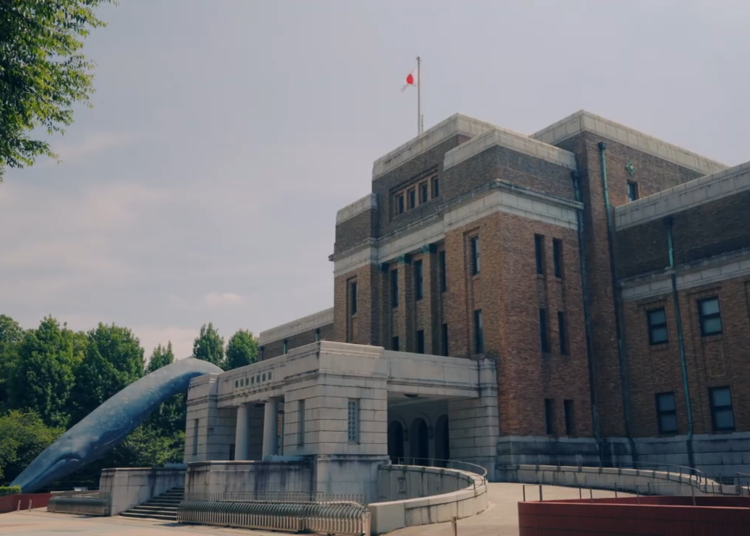
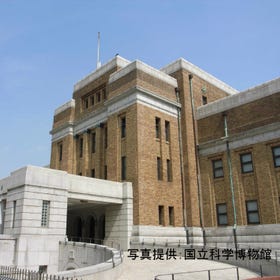
I cannot discuss the appeal of the National Museum of Nature and Science without mentioning its beautiful architecture. Built in 1931, the Japan Gallery is a magnificent Renaissance Revival-style building that was designated as an Important Cultural Property of Japan. Its symmetry is extremely beautiful, and the central lobby, where the stained glass glows, is a popular spot where many people cannot help but stop in their tracks to take photos.
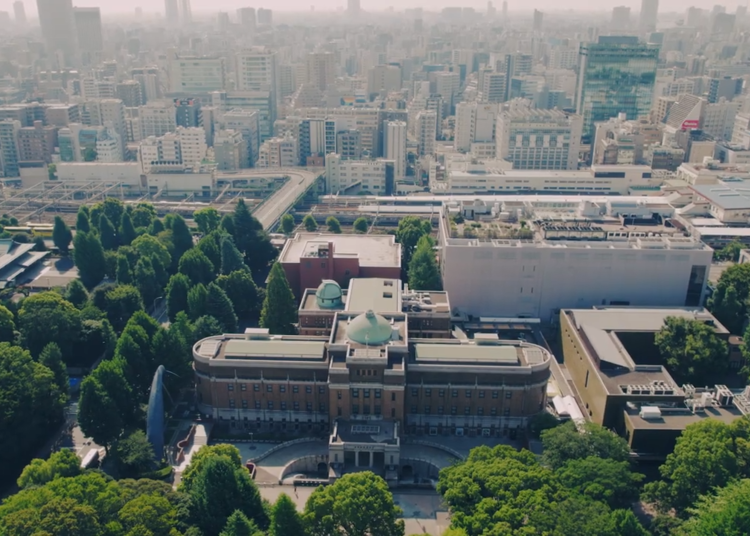
The building is characterized by its shape, resembling an airplane when viewed from above.
Its design was inspired by aircraft, which were the symbol of state-of-the-art technology at the time, with the wish to “fly toward the future through the advancement of science and technology.” The building itself recounts the history of science from the past to the future.
Must-see 2: Tracing Japan's history of nature and science at the Japan Gallery
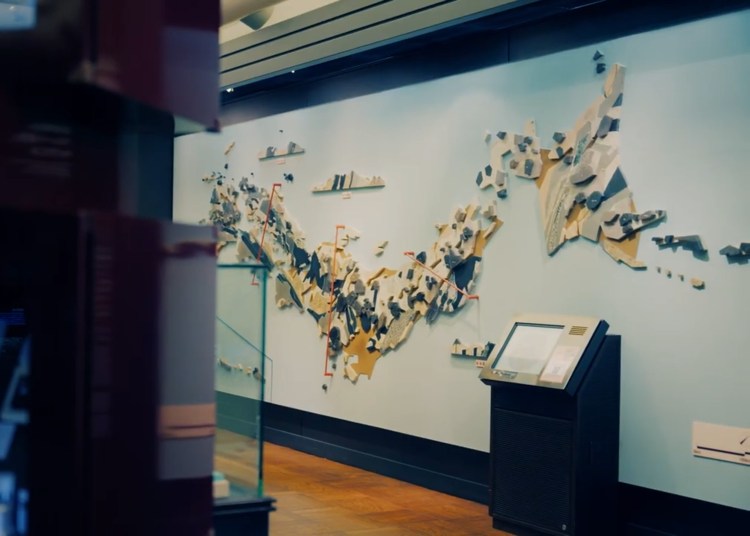
The Japan Gallery explores the theme of "The Environment on the Japanese Islands." It introduces Japan's rich nature and history of science and technology. Learn about the unique beauty of Japanese nature, from landscapes formed by volcanic eruptions to the rich ecosystems born from the changing seasons and the lives and cultures of the people who live there.
Mr. Sekine, the museum’s PR manager, says that the best way to tour the Japan Gallery is to start from the third floor and go down.

There is a spectacular reconstructed skeleton of the massive Futabasaurus displayed on the third floor. Believed to have ruled the seas during the Mesozoic Era, this creature is an overwhelming sight. Japan's largest collection of ammonites and minerals, as well as meteorites that fell in Japan, is also on display.
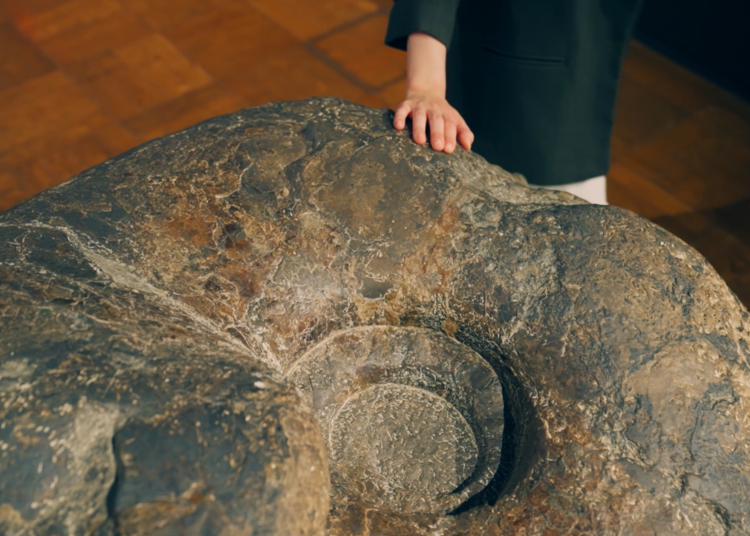


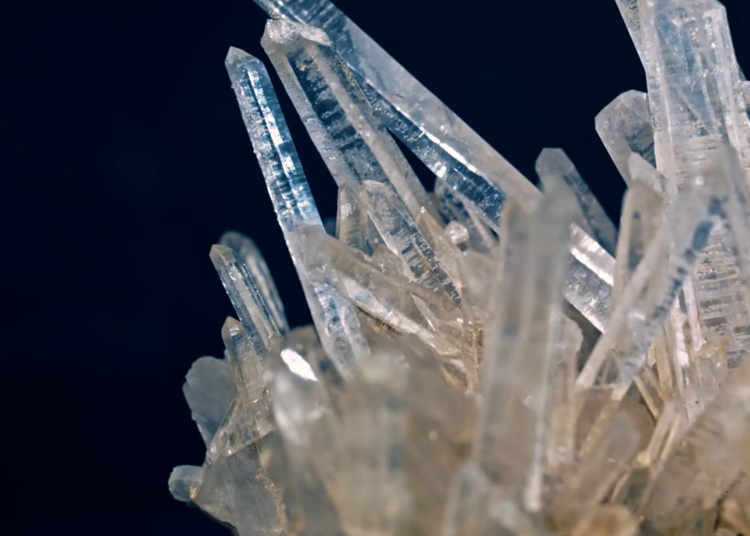
You will also find many other valuable exhibits, including materials tracing the origins of the Japanese people, Japanese mummies, and taxidermies of animals indigenous to Japan.
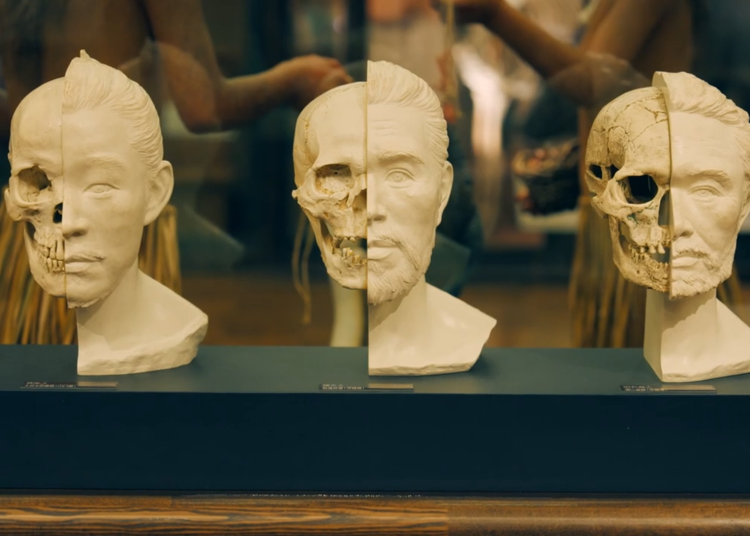


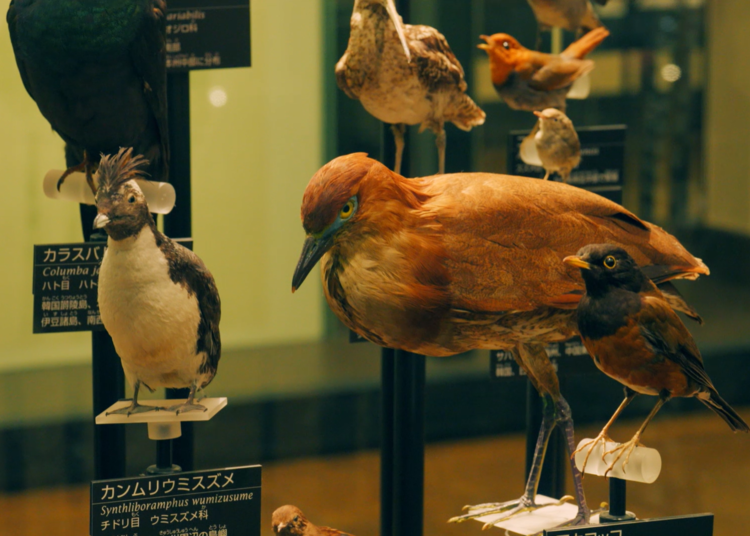

International visitors to the museum have been heard saying, “This is the only place where you can learn about Japan's nature and history this thoroughly. You can also learn about the diversity of the animals in Japan. It’s really worth the visit.” This museum will give you the impression that you have traveled through time to experience the epic story of Japan.
Must-see 3: Unravel the mysteries of the Earth's life and science at the Global Gallery
The Global Gallery explores the theme of "The History of Life on Earth.” It introduces the birth of the Earth, the evolution of life, and the history and future of humankind. Extending from the third basement floor to the third floor above ground, each floor focuses on a different theme and is worth checking out. I will introduce the must-see areas I recommend for visitors who are short on time.
First, let's start with the Navigators on History of Earth on the first floor, the key zone connecting all the exhibition rooms in the Global Gallery.

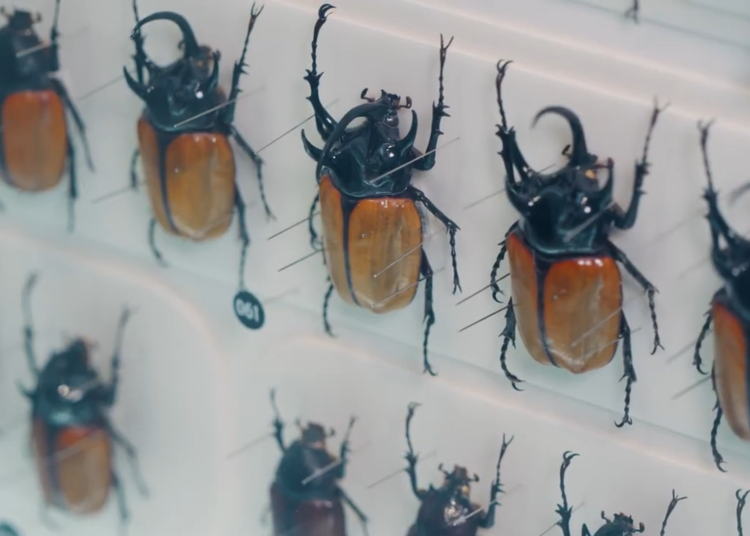
Here, embark on a journey spanning across 13.8 billion years, and learn through animations projected on giant screens, as well as specimens and materials. As you walk further into the room, you will find an exhibition dedicated to the Earth's diverse species showing the evolution of various organisms. It is a fascinating place for those who love animals. Among the exhibits displayed are full skeletons of giant squid and sperm whales, as well as a strangler fig tree transported from Borneo. Time will stop as you admire the countless beautiful organisms that have evolved into different species through time.
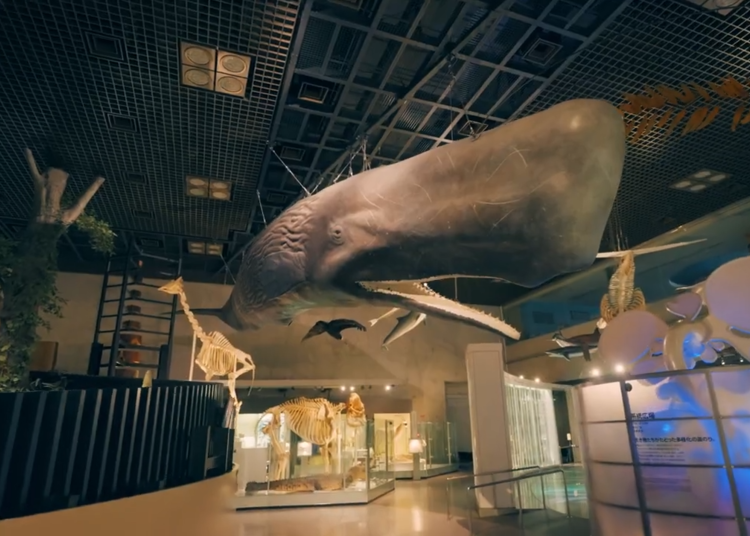
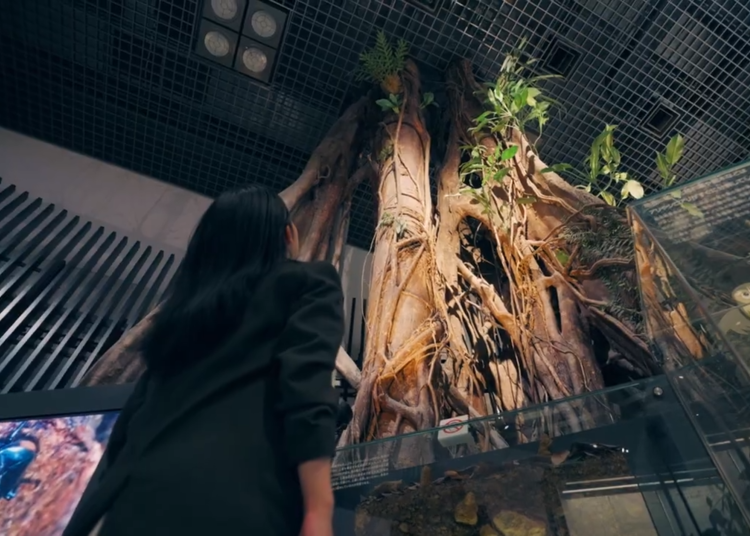
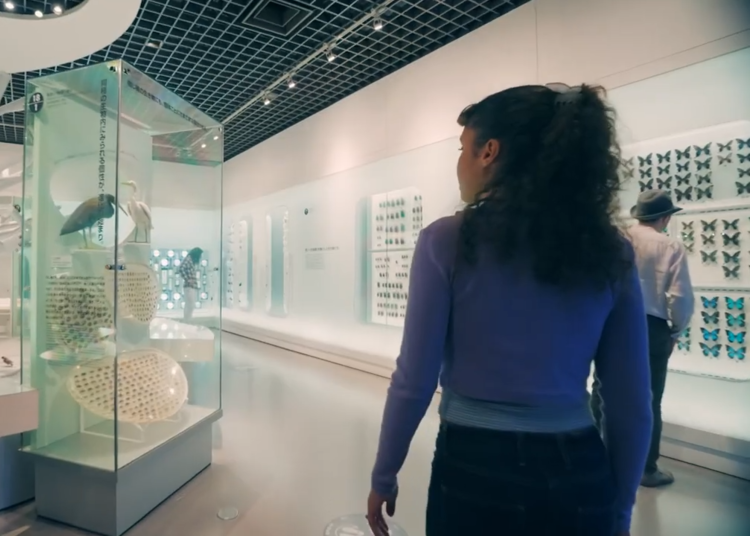

For those wishing to see dinosaurs and mammoths, head to the first and second basement floors, themed around “Exploring the Mysteries of Dinosaur Evolution.” The first basement floor displays many dinosaur fossils that will surely captivate both children and adults.
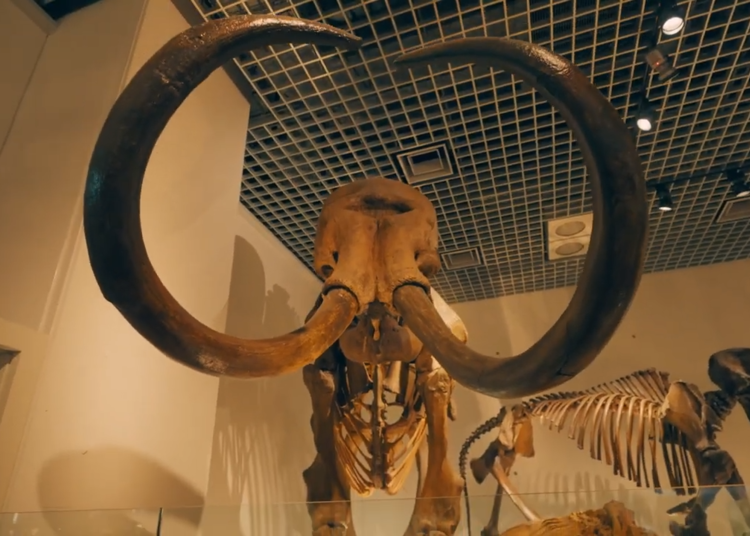
The second basement floor showcases massive fossils of mammoths and depicts ancient human life and the course of human evolution.
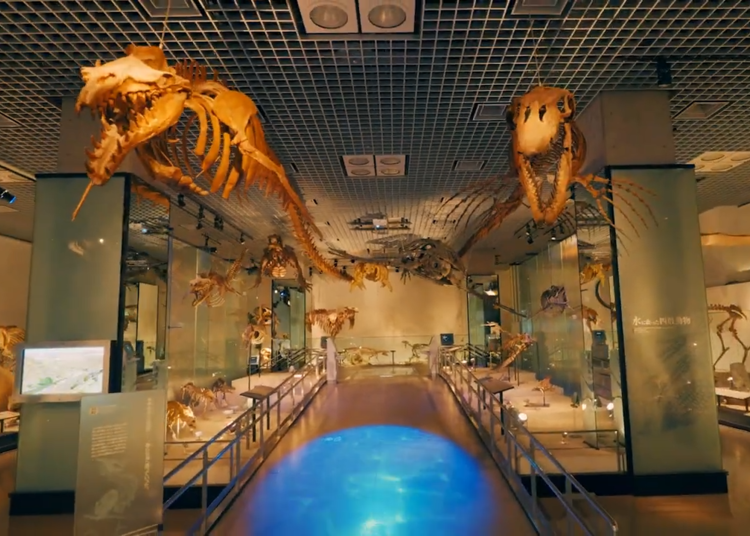
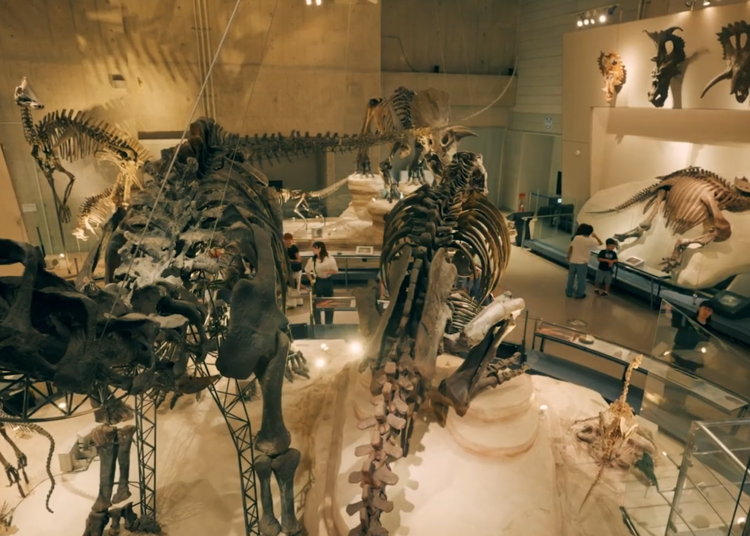
On the first basement floor, you will find one of the most complete and well-preserved Triceratops skeletons in the world and a Tyrannosaurus rex displayed in a seated position.

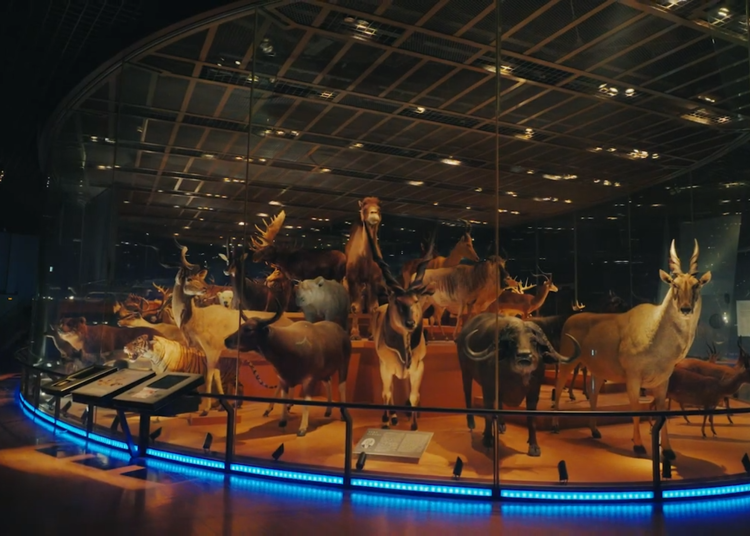
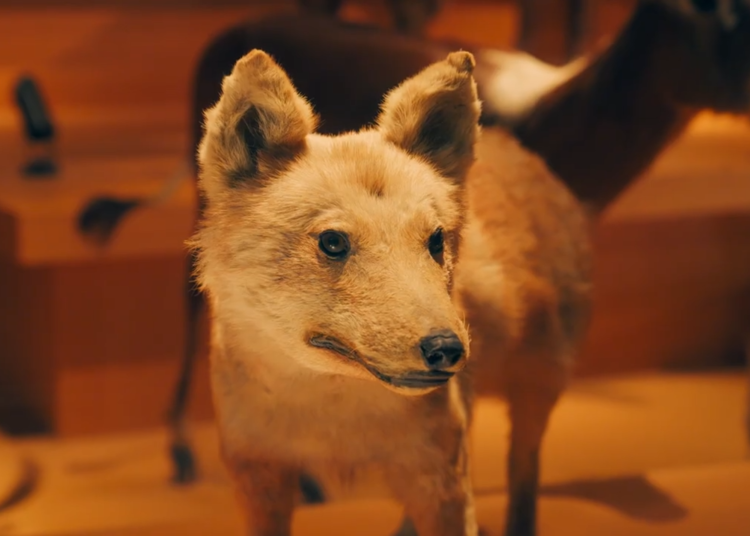
The third floor, themed around “Animals of the Earth,” is also a very popular spot. The 115 large taxidermy specimens, including giant pandas and the extremely rare Japanese wolf, are a spectacular sight.


Must-see 4: Immerse yourself in videos inside a dome at Theater 36◯

At the National Museum of Nature and Science, you can experience something unique at Theater 36◯, which features a 12.8-m diameter dome screen. Immerse yourself in 360-degree visuals. The impact of seeing videos from all angles will make you feel like you are floating.
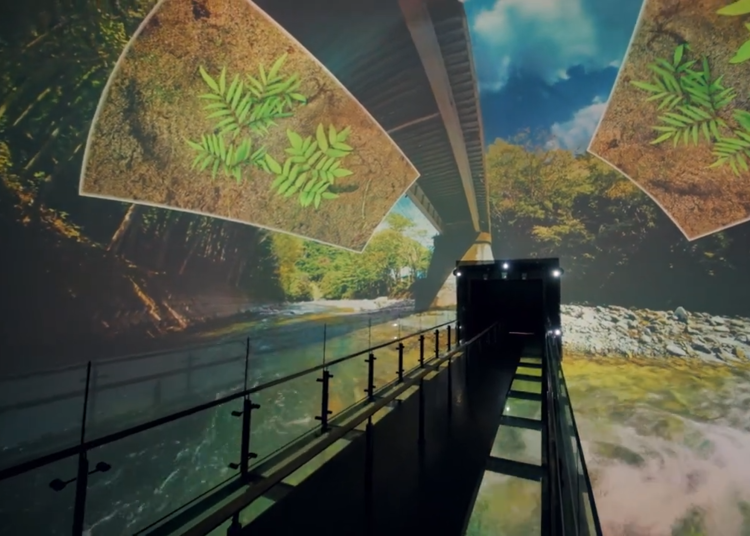
A six-minute original video will be played with the narration in Japanese, but headphones playing audio in English, Korean, and Chinese are available for rent. Please feel free to ask the staff if you are interested.
Must-see 5: The scientific and technological advances born from humans
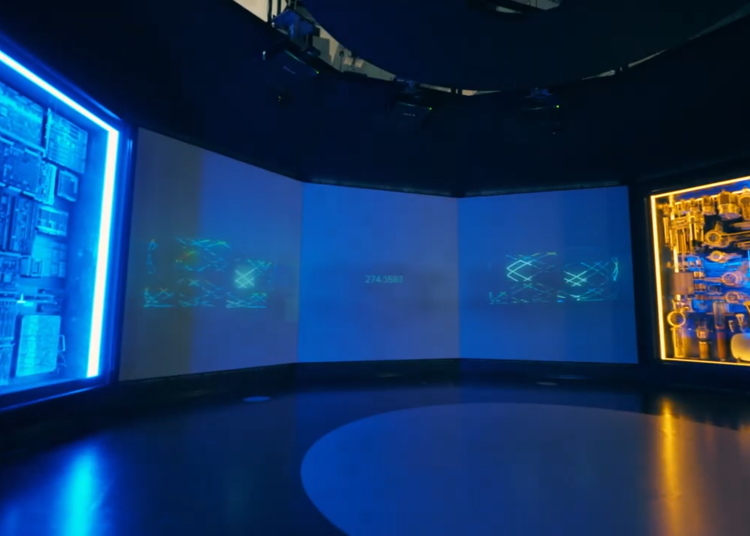
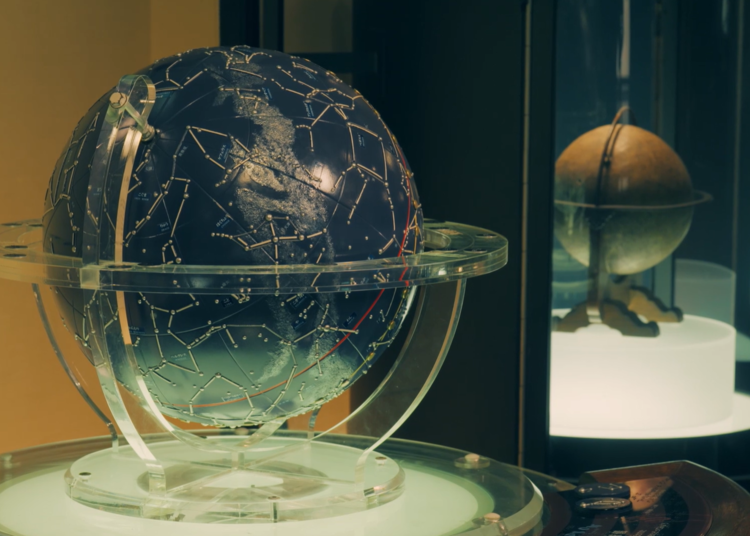
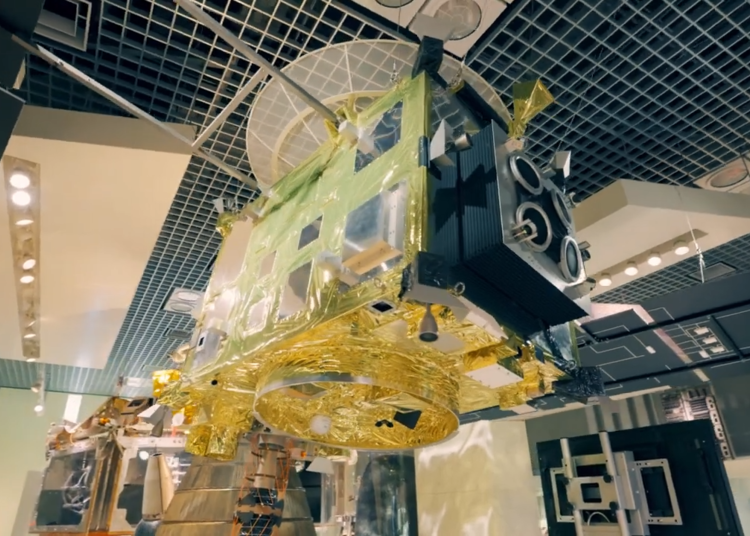
More than just specimens, fossils, and minerals, the museum also displays various scientific and technological advances achieved by human wisdom. Head to the first floor of the Japan Gallery, as well as the second floor and third basement floor of the Global Gallery. You will find items from the Edo period, Important Cultural Properties, and even moon rocks brought back by the Apollo 11 and Apollo 17 missions.

How to learn more about the exhibits
Many visitors enjoy simply viewing and experiencing the exhibits, but those who want to learn more can use the following services:
● KAHAKU HANDY GUIDE (free)
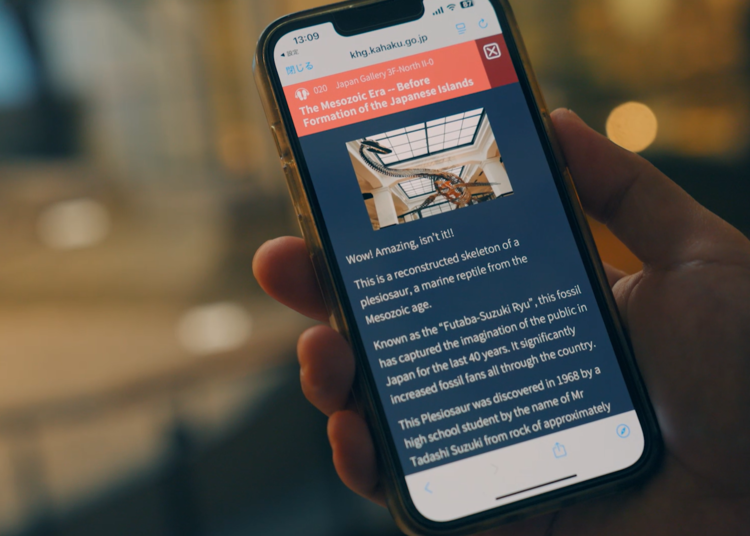
Connect to the museum's dedicated Wi-Fi network with your smartphone to view explanations on the exhibits in Japanese, English, Chinese, and Korean. No app or membership registration is required. Simply scan the QR codes displayed throughout the museum to read the explanations.
● Audio Guide・Kahaku Navi (Rental)
KAHAKU HANDY GUIDE provides written information on your smartphone. Kahaku Navi is a paid service (320 yen) to listen to the exhibit explanations in Japanese, English, Chinese, Korean, and easy Japanese for children. Please ask the staff if you are interested.
● Kahaku Explorer Team (Paid)
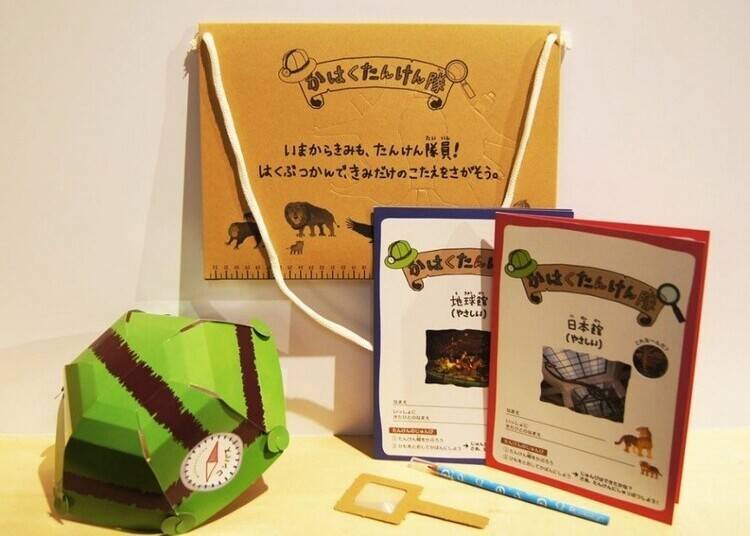
This is a program for children (target age: 4 to 6 years old) and their guardians that allows them to explore the permanent exhibitions and enjoy the museum in a new way while playing word chain games and drawing pictures. The set includes a worksheet each for the Japan Gallery and Global Gallery, as well as an Explorer Bag (includes a paper explorer's hat, original pencil, etc.) for 410 yen. The worksheets are available in two difficulty levels: “easy” and “challenge.” The worksheets can be purchased separately (250 yen for two sheets), recommended for those wishing to try different levels. You can purchase tickets (cash only) from the dedicated vending machine at the Audio Guide counter and exchange them for the program. Please note that it is only available in Japanese and that no staff commentary is provided.
● Kahaku Volunteers
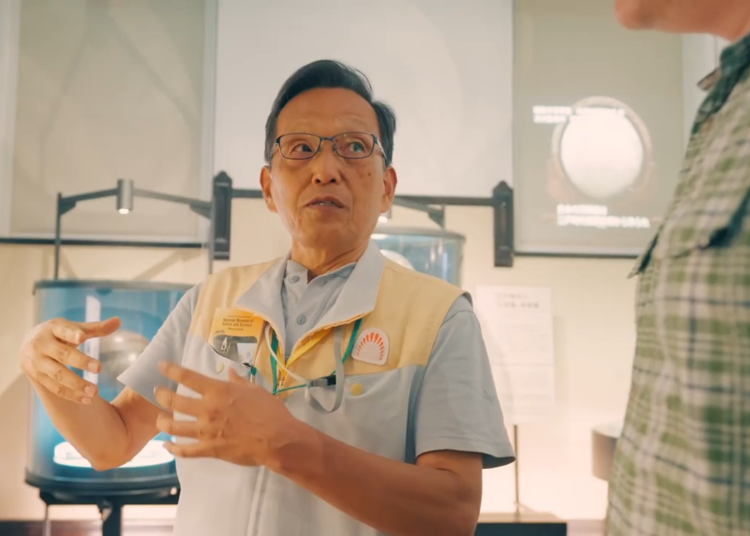
The National Museum of Nature and Science promotes activities emphasizing dialogue with visitors, aiming to be a friendly, welcoming, and approachable museum. Volunteers provide guidance in the permanent exhibition rooms for visitors to better understand the exhibits, so feel free to ask them any questions you may have. Please note that volunteers may not be present in the exhibition rooms at certain times.
● Discovery Talks
Museum researchers take turns speaking directly to visitors about the exhibits or their own research. Held on Saturdays, Sundays, and holidays, each session starts at 11:30 AM and 2:30 PM and lasts approximately 15 to 45 minutes. Museum visitors can participate for free. The discussions are only in Japanese.
There are various other events and seminars held, so be sure to check the event calendar on the official website.
Special exhibitions
Although the permanent exhibitions alone offer plenty to see, special exhibitions not covered in this article are also held occasionally. The “planning” exhibitions are held in the Japan Gallery or the Global Gallery, so you only need to pay the permanent exhibition admission fee. Special exhibitions have separate entrances and require an additional fee.
A museum shop, cafe, and restaurant are also available
Here are some useful facilities within the museum to check out during your visit.
● Museum Shop
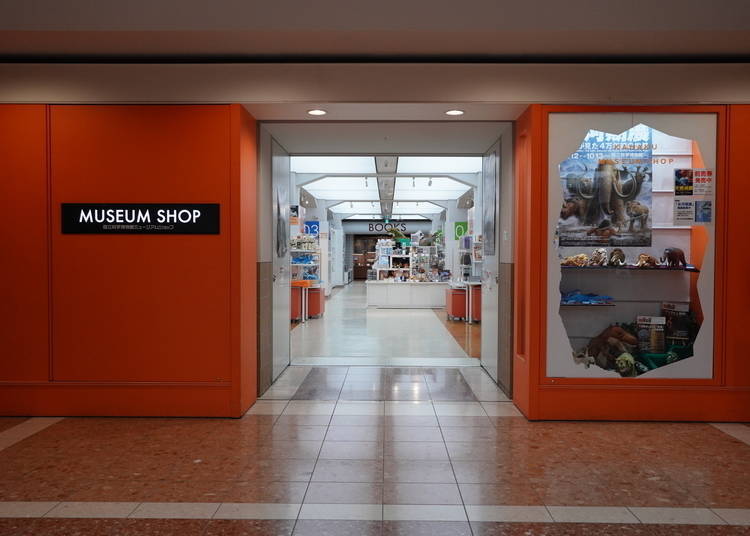
The Museum Shop offers various original merchandise inspired by the exhibits of the National Museum of Nature and Science, as well as specimens like fossils and minerals that both children and adults will enjoy. You will also find plush toys from the museum's most popular exhibits, such as the Akita dog Hachiko and the Futabasaurus.

● Mouseion Restaurant
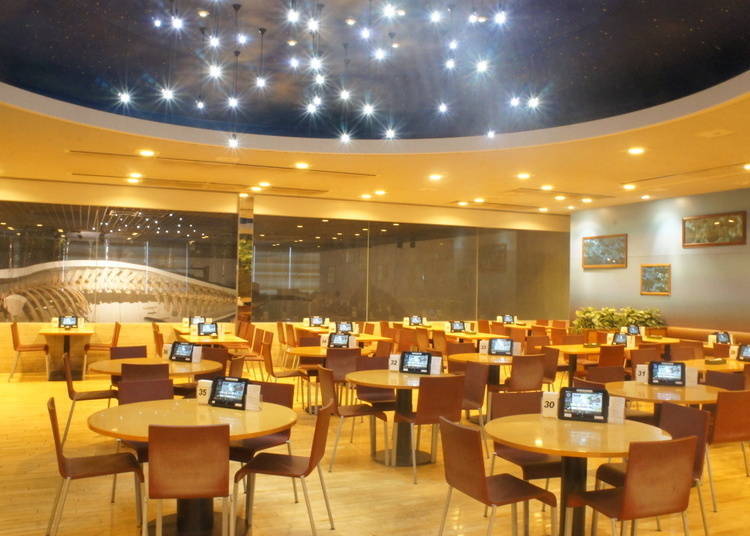
Located on the second floor of the Global Gallery, this restaurant seats 170 guests. The menu offers dishes and desserts inspired by the museum’s exhibits, as well as dishes in collaboration with special exhibitions. From the windows, you can see a sperm whale specimen. The restaurant's name comes from the name of an ancient Greek institution and is the origin of the word “museum.”
● Kujira Cafe
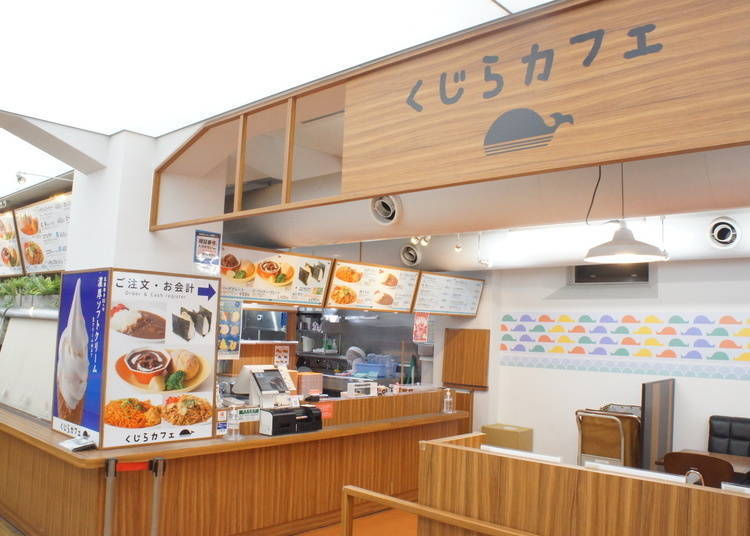
There is a lounge to rest during your visit on the first basement floor of the Japan Gallery, offering approximately 100 seats. Next to it is the Kujira Cafe, which sells a cafe menu and rice balls. There are 38 seats available.
*The restaurant and cafe inside the museum are operated by UENO SEIYOKEN, a renowned restaurant in Ueno.
● ComPaSS -Exploration area for families with children-
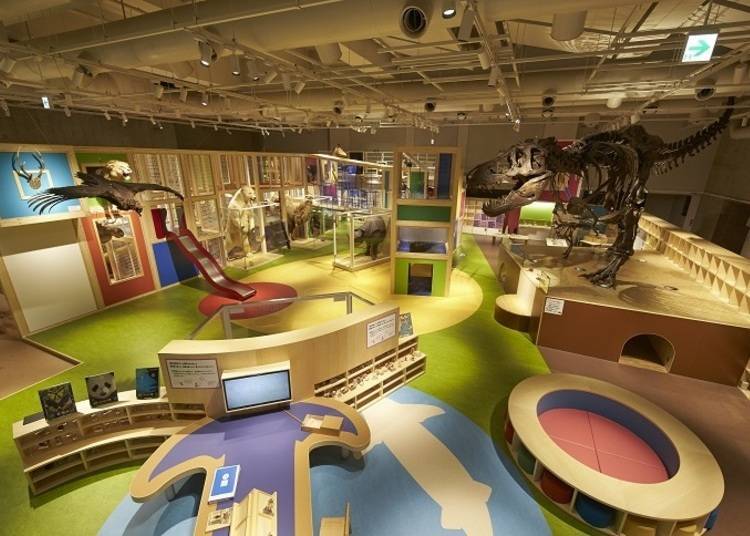
This is an exhibition area for children from infants to sixth graders and their guardians (18 years old and older) to have fun together. It aims to help visitors use their museum experience in their daily life at home and encourages communication within families through play. Explore the maze-like building while observing animal taxidermy, reading picture books and illustrated guides, or participating in workshops led by staff. The area works on a rotation system with five sessions per day, each lasting 45 minutes. Online reservations are required. In addition to the museum admission fee, a separate charge of 300 yen per person applies. Admission is free for children aged 0-1, persons with disabilities, and one accompanying caregiver, but reservations are still required.
● Kahaku VR
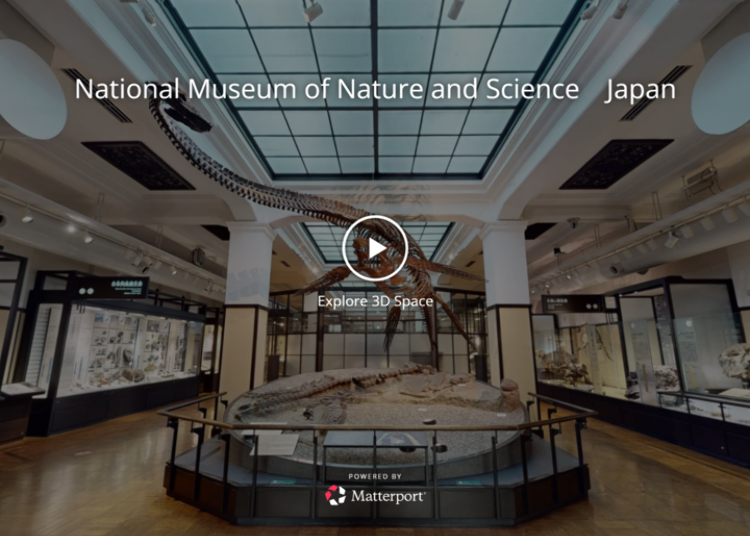
If anyone who has read this article wants to visit the museum but can’t physically be here, I have excellent news for you. You can view the exhibition rooms for free, with no membership registration or app download required, using high-quality 3D views and VR footage. You will feel completely immersed in the National Museum of Nature and Science and enjoy the exhibits from the comfort of your own home.
Let's embark on a quest for knowledge at the National Museum of Nature and Science!

Begin your intellectual adventure at the National Museum of Nature and Science by tracing the Earth's magnificent history, discovering the mysteries of life, and imagining the future through the power of science. With a vast collection of exhibits impossible to see in a single day, every visit is sure to bring new discoveries.
Information on the National Museum of Nature and Science
● Address
7-20 Ueno Park, Taito City, Tokyo
● Access
・5-minute walk from JR Ueno Station Park Exit
・10-minute walk from Tokyo Metro Ueno Station Exit 7
・10-minute walk from Keisei Line Keisei-Ueno Station
● Opening Hours
9 AM to 5 PM
*Last admission 30 minutes before closing
● Closed Days
Every Monday
Closure days may change during the Year-End/New Year holidays, summer, or when a Monday falls on a national holiday. For details, please check the official website.
● Admission Fee (Permanent exhibitions)
Adults/University students: 630 yen
High school students and under/Seniors aged 65 and older: Free (ID required)
*Tickets can be purchased at the front desk on the day of visit or in advance online
*Re-entry on the same day is available at the Central Information Desk (Permanent exhibitions only)
*Special exhibitions require a separate fee
*Prices in this article are current as of October 2025
● Other
Coin lockers, nursing rooms, diaper changing tables, wheelchairs, strollers, and ostomate-friendly facilities are available.
Facility rentals are available for a fee.
Please see below for details.
-

-
Address
7-20, Uenokouen, Taitou-ku, Tokyo, 110-8718
View Map -
Nearest Station
Ueno Station (Hokkaido Shinkansen Line / Tohoku Shinkansen Line / Akita Shinkansen Line / Yamagata Shinkansen Line / Joetsu Shinkansen Line / Hokuriku Shinkansen Line / JR Keihin-Tohoku Line / JR Yamanote Line / JR Tohoku Main Line / JR Utsunomiya Line / JR Takasaki Line / JR Joban Line / JR Ueno Tokyo Line / Tokyo Metro Ginza Line / Tokyo Metro Hibiya Line)
5 minutes on foot
- Phone Number 03-5777-8600
-
Address
7-20, Uenokouen, Taitou-ku, Tokyo, 110-8718
- Area
- Category
*Prices and options mentioned are subject to change.
*Unless stated otherwise, all prices include tax.
Popular Tours & Activitiess
-
Ad

(Opening in Jan 2026) 'THE SUMO LIVE RESTAURANT HIRAKUZA GINZA TOKYO!' 5 Exciting Ways to Experience the World of Sumo!
-
This Winter, Godzilla Takes Over Haneda Airport
by: Guest Contributor
-

Strawberries, Style, and Tokyo’s Coolest Neighborhood: Winter Afternoon Tea in Kichijoji
by: Guest Contributor
-

Jujutsu Kaisen Takes Over JR East With a Wrapped Shinkansen This Winter
by: Guest Contributor
-
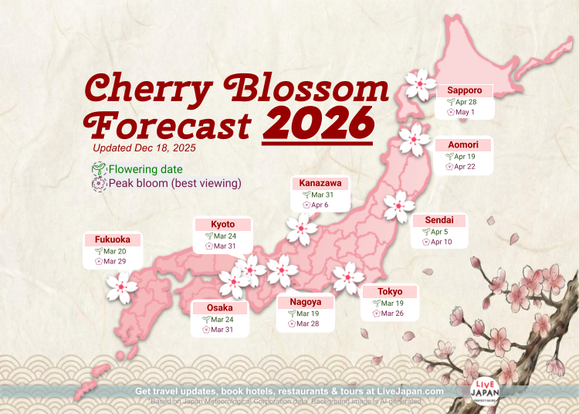
First Japan Cherry Blossom 2026 Forecast Announced! Here's When & Where to See Sakura in Japan
-

Japan’s Shinkansen Is About to Change Travel in an Unexpected Way
by: Guest Contributor
Inspiration for Accommodations
-
Enjoy Mt. Fuji from the Comfort of Your Room! Recommended Ryokan with Mt. Fuji View
-
Stay Near the Cherry Blossoms! Hotels for Cherry Blossom Viewing in Tokyo
-
Family-Friendly Hotels with Free Shuttle to Disneyland: Convenient Access for a Magical Stay
-
Top Ranked Hakone Hotels with Mt. Fuji View: Enjoy Stunning Scenery from Your Private Space
-
Convenient Tokyo Hotels with Airport Shuttle: Ideal for Families and Heavy Luggage
-
Stunning Tokyo Tower View Hotels: Enjoy Spectacular Scenery from Your Private Space
-

Convenient Asakusa Hotels with Kitchens: Ideal for Extended Family Visits
-
Experience Luxury: Hakone's 10 Best Five-Star Accommodations
-
Enjoy Mt. Fuji Autumn Leaves! Top Hotels Near the Popular Autumn Leaves Corridor
-

Experience Hakone Fall Foliage from Your Room with Stunning Views
-

Atami 1-Day Itinerary: Exploring Japan's Castle & Hot Springs Resort Town Near Tokyo!
-

8 Unfamiliar (But Totally Normal) Customs in Japan!
-
16 Secrets About Mt. Fuji, the Symbol of Japan: Even Japanese People Don’t Know That?!
-
Tokyo Roppongi: 5 Most Amazing Spots at Roppongi Hills and How to Make the Best of Them!
-

Secrets to Shopping in Japan: Guide to Annual Sales in Japan & Where to Shop
by: Miyu Shimada
-

(Video) Walking Tour along Narita Omotesando - Quaint Historical Village near Narita Airport!
by: Victor Gonzalez
- #best ramen tokyo
- #what to buy in ameyoko
- #what to bring to japan
- #new years in tokyo
- #best izakaya shinjuku
- #things to do tokyo
- #japanese nail trends
- #what to do in odaiba
- #onsen tattoo friendly tokyo
- #daiso
- #best sushi ginza
- #japanese convenience store snacks
- #best yakiniku shibuya
- #japanese fashion culture
- #best japanese soft drinks