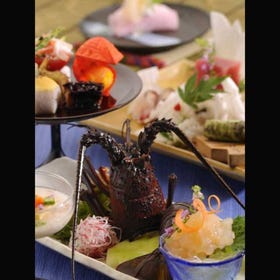
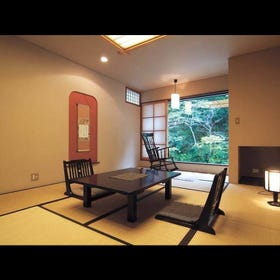
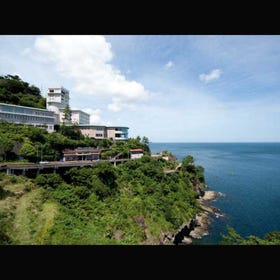
Guest rooms with adjacent open air baths that overlook the Sea of Sagami
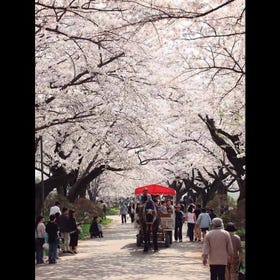
Regarded as one of the three best cherry blossom spots in the Michinoku region
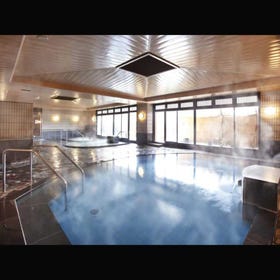
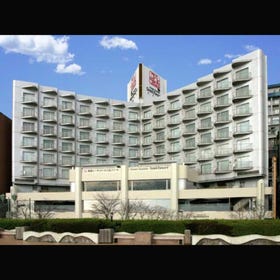
Natural hot spring water in a variety of baths and various facilities including a restaurant
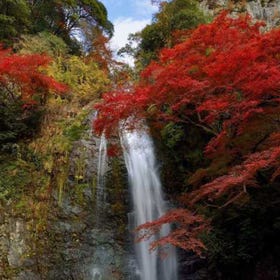
The namesake for the area and one of Japan's ”Top 100 Waterfalls”
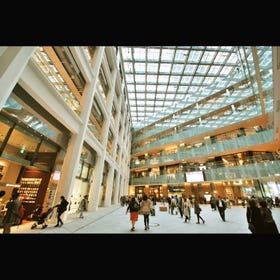
A shopping center operated by Japan Post. A grouping of some 100 stores including specialty shops and restaurants from around the country.
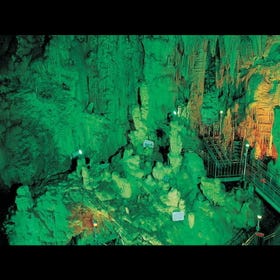
A mystical underground world created by the abyss of time
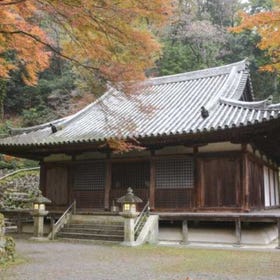
Quietly praying to the rakan statues on the hillsides
There is a wide selection of popular home appliances. A store with a passport reader. All items are duty free.
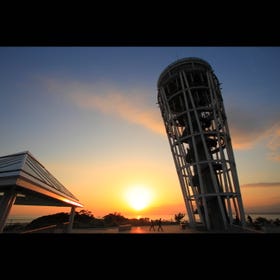
A lighthouse with an observation platform that is affectionately considered a symbol of Shonan. Its distinctive features are a majestic view of the ocean and illumination that changes color with the seasons.
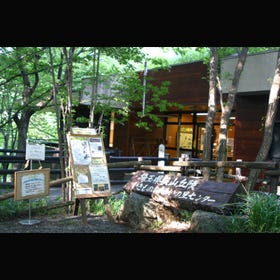
You can feel the nature of the Sayama Hills and learn the importance of nature. It is a place full of green where you can encounter various plants, insects, and birds.
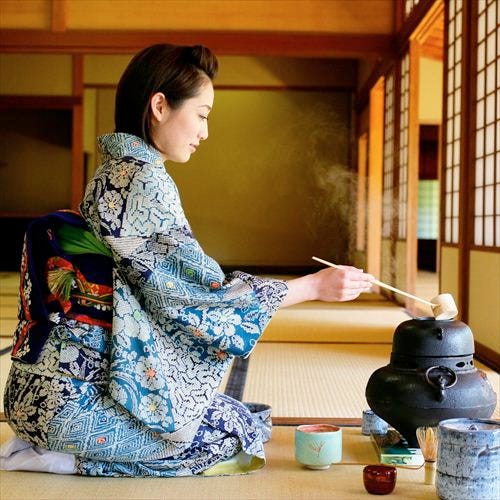
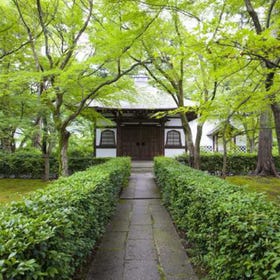
Immerse yourself in a picturesque Japanese setting
A relaxing resort hotel overlooking the ocean
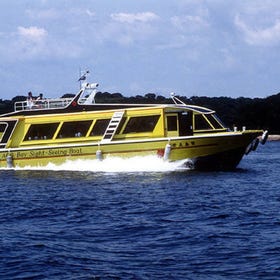
Cruise around the beautiful, rias coastline of Ago Bay
Famous for its beautiful cherry blossoms and autumn leaves
Hot springs and spa treatments that are great for solo travelers
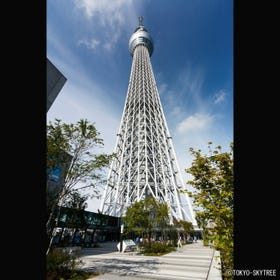
It is 634 meters tall, the tallest free-standing broadcasting tower in the world. From its two observatories, you can overlook a view up to 70 km away on a sunny day.
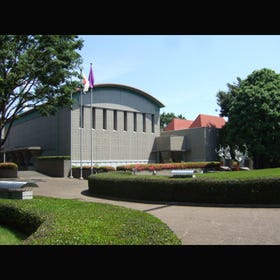
A museum where you can relax surrounded by rich greenery. It positions art as a ”sustenance of mental health.”
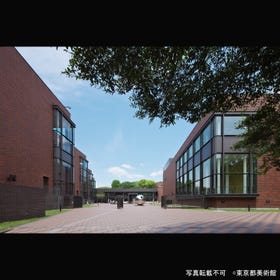
Tokyo Metropolitan Art Museum is in Ueno Park. Special exhibitions of domestic and foreign famous paintings, variety of planned exhibitions, and exhibitions of works by the general public are held there.
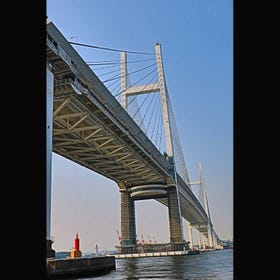
The bridge is part of the Bayshore Route of the Shuto Urban Expressway and symbolizes Yokohama. At night, 264 light bulbs illuminate the bridge, producing magnificent night views of Yokohama.
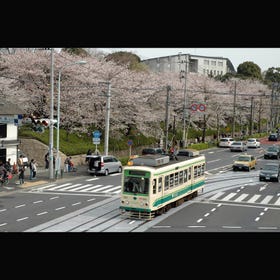
It is a park located on top of Mt. Asukayama. Famous for its cherry blossoms, the park has been enjoyed by people since the Edo period (1603–1868).