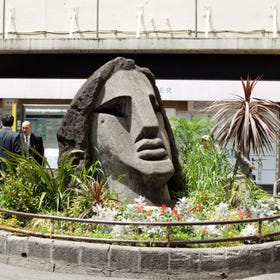
The Moyai statue is well-known as a meeting place at the Shibuya Station. It is a unique stone sculpture that has different faces carved on the front and the back.
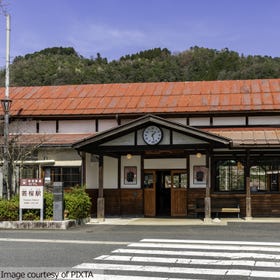
Experience the history of Japan's nostalgic railways and the serene, beautiful ambiance of a mountain castle town.
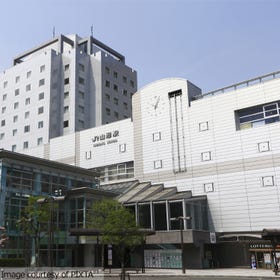
Begin your journey from Yamagata Station and enjoy history, cuisine, and beautiful scenery.
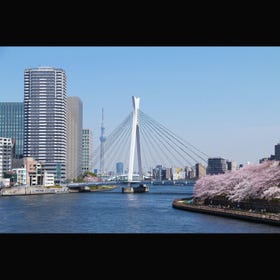
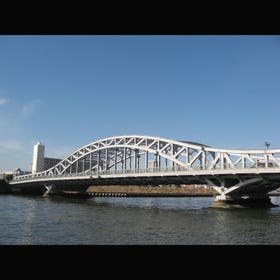
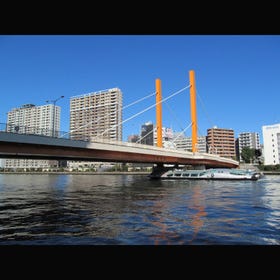
This is a cable-stayed bridge over the Sumida River. Its 32 cables stage the presence of this beautiful bridge.
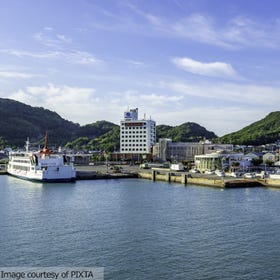
Your base for sightseeing in Shodoshima Island, famous for its Setouchi art, olives, and soy sauce.
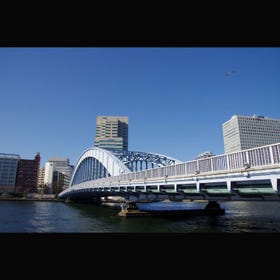
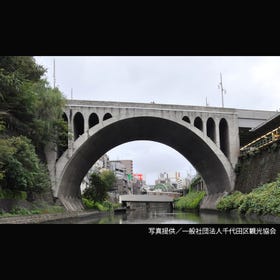
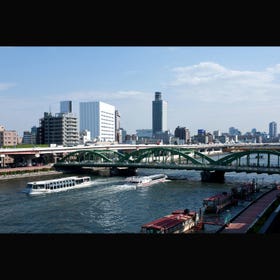
A tied-arch bridge that imitated the Ludendorff Bridge in Germany.
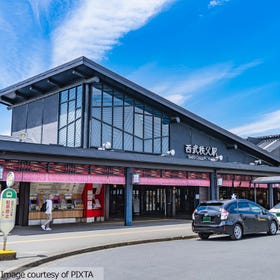
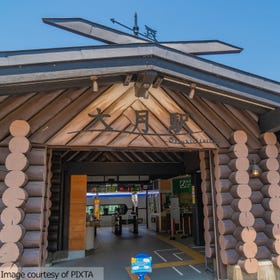
The gateway to Chichibu, where timeless Japanese scenery awaits just 80 minutes from Ikebukuro Station in central Tokyo.
A convenient gateway to Shizuoka’s nature and cuisine, with close-up views of Mt. Fuji.
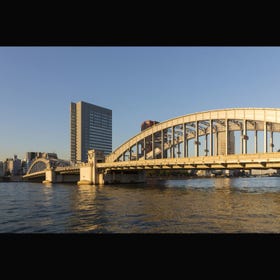
One of the nation's largest movable road bridges built over the mouth of Sumida River.
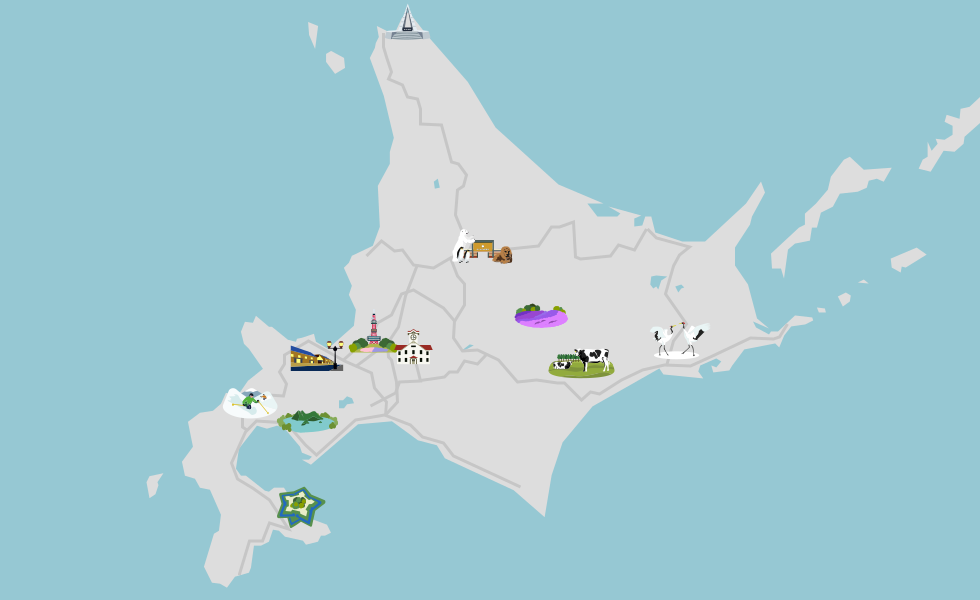
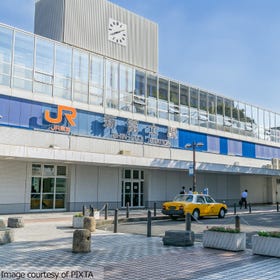
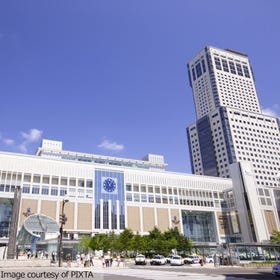
Welcome to Sapporo Station, your gateway to Hokkaido.
This is a historical iron bridge that was illustrated in nishiki-e (multi-colored woodblock print) by an ukiyo-e artist, Hiroshige Utagawa.
Hijiri-bashi is a bridge over the Kanda River. Its three-dimensional piers are beautiful.
A bridge connecting Arakawa, Sumida and Taito. A nice place to stroll and view Tokyo Skytree®.
The bridge carrying traffic from Kasuga-dori Street over the Sumida River. One of the viewing areas for the fireworks festival is near this bridge.
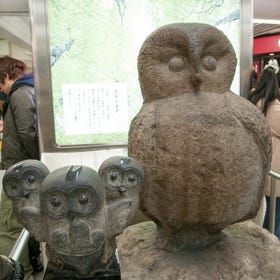
It is a stone statue of an owl that was made into a landmark in the yard of the Ikebukuro Station when the JR (Japan Railways) was launched.
The ideal starting point for Mt. Fuji sightseeing and for enjoying historic landmarks and majestic views.
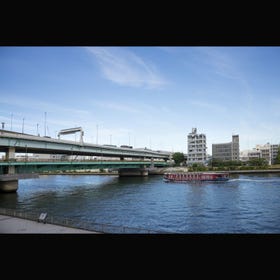
A double-decked bridge carrying an expressway and general road over the Sumida River. The general road has a beautiful night view.
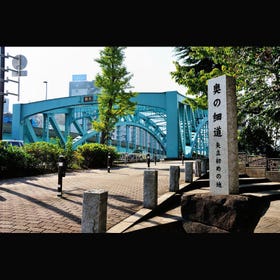
A bridge with a beautiful rectilinear design listed in ”100 Views of New Tokyo.”
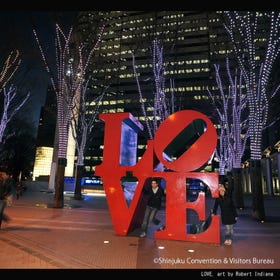
A meeting place in Nishi-Shinjuku. A symbol of Shinjuku i-LAND and its message of love.
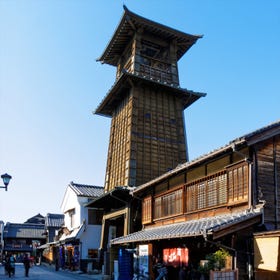
This chime keeps telling time and is a symbol of Kawagoe, a warehouse town brimming with Edo-era atmosphere.