Wish upon the matchmaking deity for success in love
Benzaiten, one of the seven lucky gods of Asakusa, is enshrined, and is said to bring benefits such as business success
The shrine to the north of the main hall of Kiyomizu-dera Temple, whose spirit is worshipped as a deity of marriage. A pair of guardian stones in the grounds known as ”Koi uranai-no-Ishi” dates back to the Jomon period.
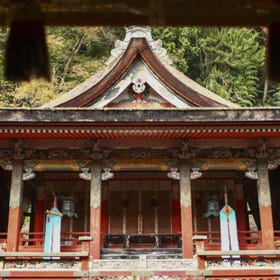
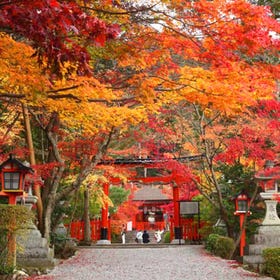
Known for its relation to the Fujiwara clan, this shrine boasts spectacular views of autumn foliage
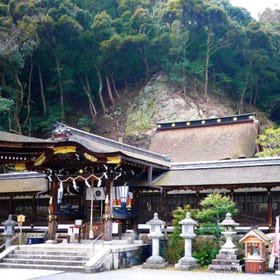
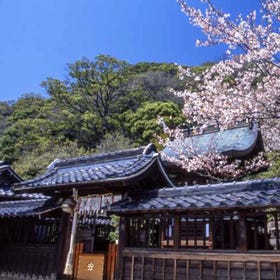
The oldest shrine in Kyoto
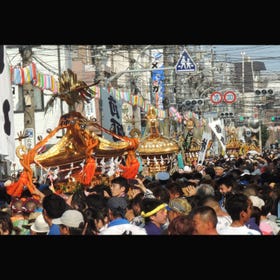
This shrine is the object of strong faith as the local deity of Haneda. The Haneda Fuji, which was created due to the people's admiration for Mt. Fuji, is another highlight of the shrine's grounds.
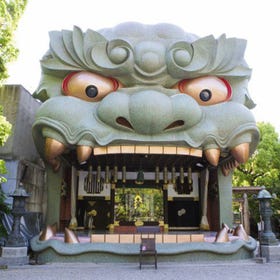
Boasts an amazing stage modeled after a lion mask
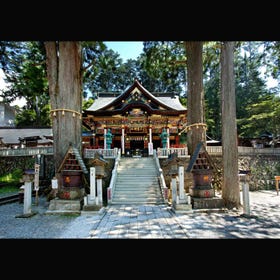
Mitsumine Jinja, or Mitsumime Shrine, which is located in Chichibu, Saitama Prefecture, is surrounded by beautiful mountains. It enshrines various gods in the fullness of nature.
The homeland of a goddess at Ise Grand Shrine, located in the old Tango Province
This is a popular shrine for enmusubi-mairi, praying for a good marriage match. Weathered, miniature Shinto shrines on the shrine grounds invite your profound interest.
A shrine where the god for safe sea travel is enshrined has been respected by people. Many important cultural properties of the ward are preserved in the shrine ground.
The traditional god of learning
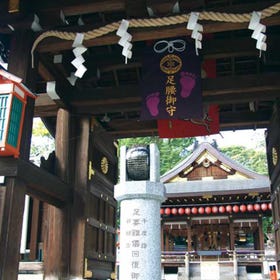
A shrine affiliated with boars and protection for the lower body
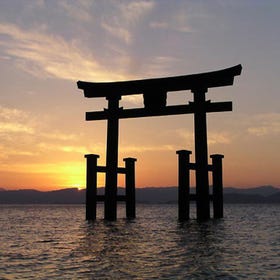
The mystical, large torii (gateway) that appears as if it’s floating on the lake’s surface is a must-see
Where the guardian buck and doe are enshrined
A shrine to the south of the imperial palace for gods who offer directional protection
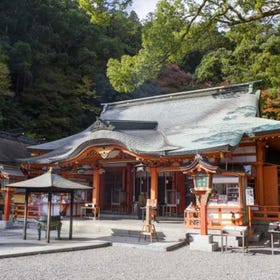
The source of worship to Nachi Falls
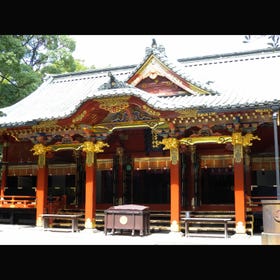
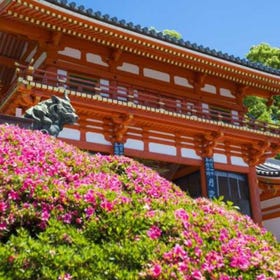
A historical shrine with a solemn atmosphere built in Gongen-zukuri (style of Shinto architecture in which the main hall and worship hall share one roof). It is designated as National Important Cultural Property. Late April is the best period to see the Azaleas on the premises.
This is a historical shrine established about 1,500 years ago. The gods for a good marriage match and family harmony are enshrined.
A famous shrine that plays a central role in the Gion Festival