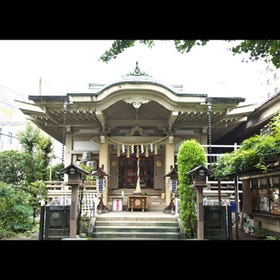
Tokugawa Iemitsu, the third shogun of the Tokugawa family in the Edo period, established Sanjusangen-do for the peace in the country, national security, and tempering martial arts. The hall built after the manner of ones in Kyoto became the beginning of Yasaki-inari. The name Yasaki also came from ”yumi” (a bow) and ”ya” (an arrow). Fukurokuju (god of happiness, wealth, and long life) of the seven deities is placed at the right side of the worship hall in front of the main building.
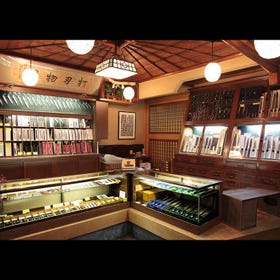
Ubukeya is a ”Uchi Hamono” shop established in 1783 in Osaka. It was located in Edo during the Bakumatsu period, and is still around now. The store name came from the praises that their products ”can cut your ubuke (soft hair), can cut and remove”. They sell a range of products, from tweezers to Japanese knives, to scissors, western knives and other knives. If you take care of them meticulously, they can even be passed on to your grandchildren's generation. Apart from that, you may also find it interesting to see the wooden, quirky architecture of the shop.
This museum is linked to the Yotsuya Fire Department. Here you can see exhibits of actual equipment, including the first fire engine introduced to Japan in 1917, as well as the helitack first brought into the Tokyo Fire Department. In addition, you can sit in the helitack set up outside. Why not try considering some disaster prevention?
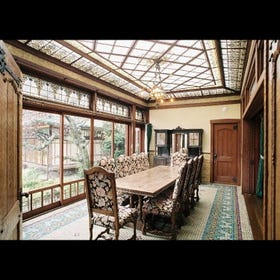
Built in 1919 as a private villa, the former Japanese inn Kiunkaku is one of the Three Great Villas of Atami. Around thirty years later, in 1947, it was turned into a ryokan, meaning a traditional Japanese inn, highly valued and loved by many creative minds such as novelists Osamu Dazai and Junichiro Tanizaki. Nowadays, it is open to the public as one of Atami’s designated tangible cultural assets. The main building in the lush and vast garden is built in a distinctive Japanese style, while mosaics on the walls and stained glass windows are reminiscent of Western aesthetics, creating a wonderful, historical fusion between East and West.
This is Japan's major video community site Niconico Douga's showroom. Niconico allows individual users to host live broadcasts, and they also provide various anime and gaming shows catering to die-hard fans streamed live over the internet. The Niconico main office's studio is the one responsible for these live broadcasts. Aside from being able to watch public live broadcasts of some of the programs, they also have cafes and event spaces with electricity and Wi-Fi, as well as shops which sell original merchandise. Try to get a peek at their internet broadcasting office.
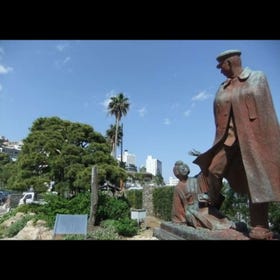
The place along the beach where Omiya-no Matsu (pine tree of Omiya) and a statue of Kanichi and Omiya are situated is the most photographed place in Atami. The bronze statue is based on the novel, Konjiki Yasha (The Golden Demon), written by Koyo Ozaki, which gained popularity in the Meiji period (1868-1912). The novel greatly helped make the name of Atami known throughout Japan.
Shinjuku Central Park is the largest public park in Shinjuku Ward. It is an urban oasis in the western Shinjuku area where high-rise buildings stand side-by-side. Cherry blossoms bloom in the spring and on weekends, events such as flea markets are sometimes held for local residents. If you wish to take a break from the energy and excitement of Shinjuku and relax among the greenery, take a stroll to Shinjuku Central Park. Photo: Courtesy of Shinjuku Ward
This museum was established in March 2003 with 3 designers, Issei Miyake (fashion designer), Taku Sato (graphic designer), and Naoto Fukazawa (product designer) as its directors and Noriko Kawakami, a journalist and editor, as its associate director. Not only does it offer exhibitions, but it also offers various programs such as talks and workshops with a concept of ”becoming a venue where day-to-day perspectives and views can be proposed.” The building with a symbolic roof created with an image of ”one sheet of fabric” was designed by Tadao Ando, an architect.
If you come to Shibamata, the Tora-san Museum is an absolute must-visit. As explained earlier, it is all about the film series Otoko wa Tsurai yo that revolves around the wandering salesman Tora-san and his sheer eternal story of his unsuccessful love life. Running between 1969 and 1995, it holds the world record for the world’s longest-running movie series starring a single actor. As such, Otoko wa Tsurai yo and its endearing main protagonist, played by Kiyoshi Atsumi, has a large fandom not only in Japan. The museum itself was opened in 1997. Even if you have never heard of this show up until now, the Tora-san Museum is well-worth the visit. The dumpling store and print shop of the series have been faithfully recreated, offering not only a nostalgic paradise for fans of Otoko wa Tsurai yo but also a very authentic glimpse into Tokyo’s 60s and 70s. Other parts of the museum take you even further back: beautiful dioramas show how Shibamata has looked back in the 1930s when Tora-san was a child. There even is a life-sized wagon of a man-powered tramway as it was used decades ago! For fans of Otoko wa Tsurai yo, we highly recommend also visiting the Yoji Yamada Museum, dedicated to the director of the series and many other movie masterpieces – it’s right next to the Tora-san Museum.
Located right in the heart of America Mura is Mitsu Park. Commonly known as Sankaku Park (triangle park) because of its shape, this spot is a magnet for young people all day long and doubles as a convenient meeting place.
Experience the intriguing allure of Kabukicho, a pulsating locale situated in the heart of Tokyo's Shinjuku, celebrated by LIVE JAPAN readers. An acclaimed adult-oriented nightlife hub, Kabukicho brims with diverse entertainment avenues. Crossing under the iconic "Kabukicho Ichibangai Arch" transports you into a thrilling world of izakayas, snack bars, and clubs, each mirroring the city's vibrant nocturnal spirit. Explore the nighttime wonders of Kabukicho and experience the unique vitality of Tokyo's after-dark scene.
The Dotombori-gawa River slices right through the Minami district of Osaka, and it is from the river's Ebisubashi Bridge that you can view the famous Glico neon billboard up close. The riverside promenade called Tombori River Walk exudes a tasty atmosphere. Tombori River Cruise, in which you can enjoy the scenery of Dotombori from the river, is open for an only limited time.
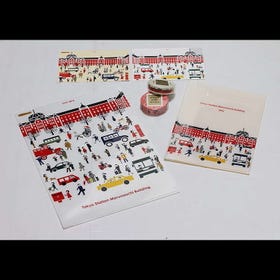
The Tokyo Central Post Office was one of the first postal offices established in Japan in 1871. In 2012, it was moved to the current location that is now the bottom layer building of JP Tower, and has been drawing attention as one of Japan’s tourist spots. The products such as the clear document holders, masking tapes and postcards with the motif of Tokyo Marunouchi Station Building which can only be bought at the Tokyo Central Post Office is popular as a new Tokyo souvenir. If you post a postcard in the mailbox set around various places in Tokyo Station, they will seal it with the date stamp which has the scenery of Tokyo station.
Located just north of Hokke-do in the Todai-ji Temple complex, Nigatsu-do is known as a place where Shuni-e (Omizu-tori or Sacred Water-drawing Festival) takes place every March. Nigatsu-do was named so since Shuni-e was held in February (nigatsu in Japanese) in the old calendar. Fire destroyed it in 1667, but two years later the current building was reconstructed exactly as it was before the fire. The building's design features a cascading style of architecture, and provides a commanding view of the roof of the Great Buddha Hall and Nara city. The principal image is the Juichimen Kannon, which is never shown to the public.
From the Fudo Waterfall, if you continue walking along the stream toward Okuyugawara, you will come across the Godan Waterfall. Godan means ”five steps” in Japanese and the 100-meter-tall waterfall appears to flow down five steps. Steam from hot spring water gathers around the falls, creating a real hot spring atmosphere. Access: From Yugawara Station, take the bus headed to Okuyugawara or Fudo-Taki for about 20 minutes The falls are a two-minute walk from the Fudo-Taki bus stop
Two waterfalls located close to Tenshozan Shrine. Hakuun Waterfall is a beautiful 30-meter-high waterfall with water resembling silk threads falling. Kyorai waterfall is located right beside the shrine. The waterfall is used for Yamabushi training, which involves participants reflecting on their past and future life under the waterfall. Access: From Yugawara Station, take the bus headed to Motohakone for about 45 minutes The falls are a 20-minute walk from the Tenshozan bus stop