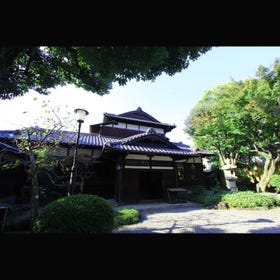
Kyu Asakura House, or the former residence of the Asakura family, is a Taisho-roman style house, which stands in the middle of the metropolis. (Taisho-roman is the cultural style of the Taisho period from1912 to 1926.) You will also enjoy the seasonal view in the garden, which features azaleas and maples.
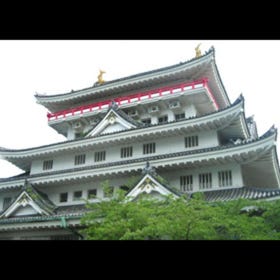
Atami Castle is located on the top of Mt. Nishikigaura. The observatory in its tehnshu-kaku (donjon) commands a view of the whole of Atami. Atami is likened to a Monaco in the orient for its resort hotels and beautiful marine views. On a clear day, it is recommended to enjoy views while soaking your feet in the footbath on the first floor (free of charge).
Nikkotei Oyu is a time-honored inn, which is popular among one-day tourists to enjoy hot spring bathing. There is an open-air bath surrounded by bamboo trees, which is large enough to accommodate some 20 people. There is also a room for up to five people, which is recommended for a family.
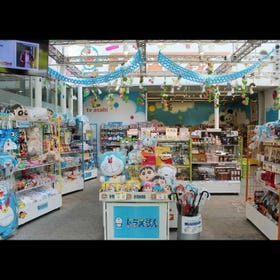
The headquarters of the famous TV Asahi face the lush Mori Garden, being a vital part of Roppongi Hills. On its first floor, the TV Asahi shops sells all kinds of goods and merchandise of the channel. This includes all-time favorites such as Doraemon and Crayon Shin-chan, shows and animations that aren't only majorly popular in Japan but also abroad. Around 2,000 different unique items and a lot of special editions can be found here, making for excellent souvenirs that perfectly represent the modern Tokyo that Roppongi Hills and TV Asahi stand for.
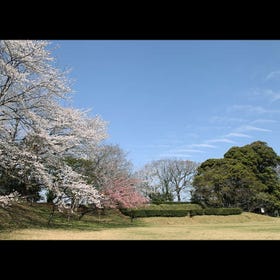
Sakura Castle was also used as the government office of the Sakura Domain during the Edo period. What was built in this site of greenery and history was the Sakura Castle Ruins Park. Castle remains can be found in the park such as parts of old towers and dry moats. There are also many large trees such as the Mokkuku Couple evergreen trees which are around 400 years old and have been designated a natural monument by Chiba Prefecture. It is also a place where around 48 varieties of around 1,100 cherry blossom trees proudly blossom during spring. The park hosts tea gatherings for the general public on Sundays and national holidays at the tea room called Sankeitei.
This is the home theater of the Takarazuka Revue, which enthralls its audiences with fantastic stage performances. These spectacular theatrical plays and shows are conducted in turn by one of the five troupes: Flower, Moon, Snow, Star, and Cosmos; each troupe has a top star called otoko yaku (a male role). The plays performed range widely from original plays to overseas musicals to revues. This grand theater is exclusive to the Takarazuka Revue and comes with a history stretching back over 100 years. The live orchestra accompanying performances is one of the big attractions of these shows in the grand theater.
A restaurant that serves freshly caught river fish can also be found, and the area is characterized by the friendly atmosphere of the traditionally commercial, working-class neighborhood.
Ozu Washi in Nihonbashi is a washi seller that was established in 1653. In a corner of the shop with various papers on display is the Handmade Washi Experience Studio where you can experience making paper. You can learn the process of making paper in about an hour. There is no minimum number of people for the experience, but reservations take priority. You can keep the paper you make!
Sun Beach with palm trees, which many people visit for swimming during summer, has an atmosphere that makes you feel as if you were in a tropical country. The sandy beach is lit up at night, making visitors enjoy a view like a tropical resort. The beach is opened for swimmers every year from the second Saturday of July to August 31. Swimming is allowed from 9:00 a.m. to 5:00 p.m. during the above-mentioned swimming period. The beach is lit up every night from the sunset to 10:00 p.m.
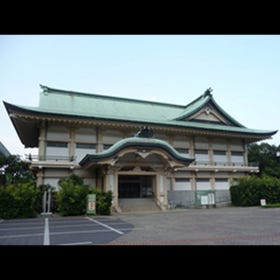
Built in 1933, this large museum is the second old municipal art museum in Japan. The collection extends to about 3,300 pieces centered on Kyoto artists from the modern to contemporary period. The museum holds art exhibitions such as Nitten (the largest competition art exhibition in Japan) as well as events organized by fine art associations.
Zushi Beach is a beach facing Sagami Bay that is popular among many people, young and old, and is full of bathers in the summer.
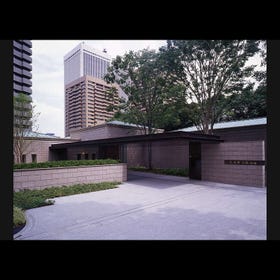
This museum conserves and exhibits arts collected by the Sumitomo family, with its main building located in Shishiga-tani, Kyoto. The collection is composed of various and diverse items, such as modern Japanese and Western paintings, modern pottery and chinaware, tea utensils, and Noh masks and costumes collected from the middle of the Meiji era to Taisho era. Despite being in the middle of Roppongi, it is surrounded by greenery and is a quiet environment, which lets you forget about time and appreciate the arts to your heart's content.
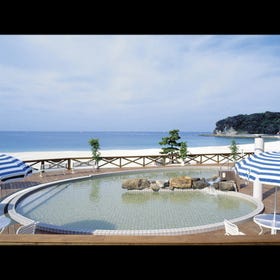
This open-air bath is right next to Shirahama Beach. Since you can wear a swimsuit while soaking in this pool-like bathtub, it's convenient to visit after a day at the beach. The hot water that springs from its own source is constantly replenished, ensuring the water is always fresh. During the non-summer seasons, it's used as a footbath instead.
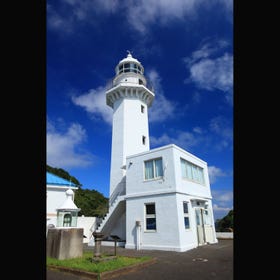
Kannonzaki is a cape protruding into the Tokyo Bay. The cape area is a park with a Western-style lighthouse, a nature museum, and an art museum. You can definitely spend an entire day here.
This museum exhibits the history of Japanese advertisements from the Edo period to the present. In addition to the poster exhibits, they also have a TV commercial and AV area, so you will certainly be able to feel the thrill of experiencing Japan's past through its advertising. They have also established a library with a collection of advertisements and marketing-related materials.
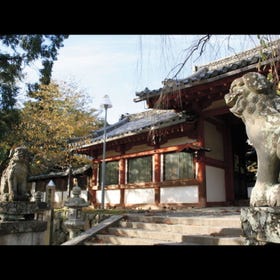
During the Nara Period, the guardian deity of the hiike (pond where ice used in the Imperial court was made) and the himuro (storeroom for ice), which were built in the Kasugano field beside Yoshiki-gawa River, was enshrined in the shrine. It was later moved to the current location. On May 1 every year, a festival called Kenpyosai takes place in which workers at companies that make and sell ice pray for success in business. The current shrine pavilion is said to have been reconstructed in the Edo Period. Also, the weeping cherry trees in the shrine grounds are very beautiful.