The Western Paradise of the Buddha Amida’s dazzling dream, a gold space that reflects upon a pond
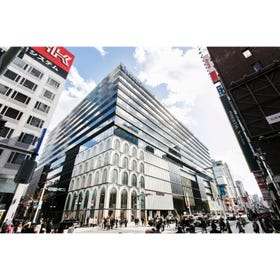
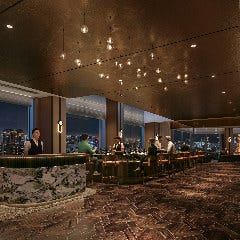
Ginza is where fashion, gourmet food, and culture originates. At GINZA SIX you can spend quality time savoring that which can only be found here.
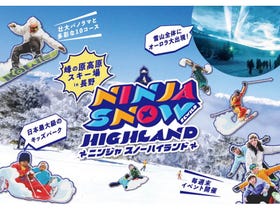
Play NINJA! Snow peak entertainment
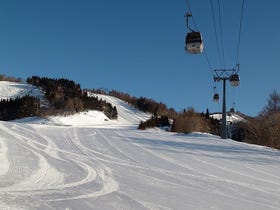
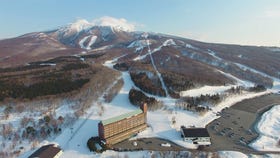
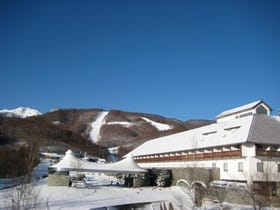
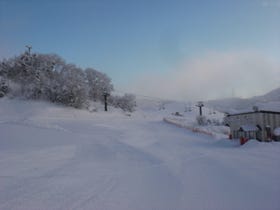
A gondora directly takes you up to the summit. Anyone from beginners to experts can enjoy the slopes! Facilities are fully loaded such as featuring Onsen hot springs and accommodations.
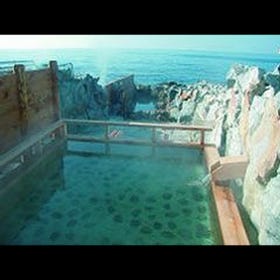
Located just one meter away from the sea, this is a public open-air bath that Shirahama Onsen is famous for. According to the ancient history books, such as the Nihonshoki (Chronicles of Japan) and the Manyoshu (Collection of Ten Thousand Leaves), Prince Arima visited this place about 1,350 years ago.
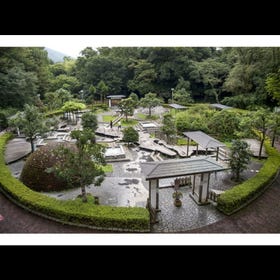
Manyo Park has been selected as one of the 100 Best Historical Parks in Japan, as it is the only hot spring mentioned in ancient Manyoshu collection of poetry, and has been visited by many notable writers and artists. Inside the park you can see many of the flowers and plants mentioned in the Manyoshu, and take a leisurely stroll while listening to the murmur of the waterfalls and streams. You can rest your feet in any of the nine different foot baths at Doppo-no-yu, or enjoy matcha green tea and sweets at Manyotei. Each year, a ”firefly party” is held in the ”Hanakien” section of the park from early to mid-June, enabling you to enjoy the sight of Luciola fireflies flitting around the park, as well as enjoy stalls set up in the evenings in front of the nearby Tourist Hall. Access: From Yugawara Station, take the bus headed to Okuyugawara or Fudo-Taki for about 12 minutes We are located right next to the Koen Iriguchi bus stop
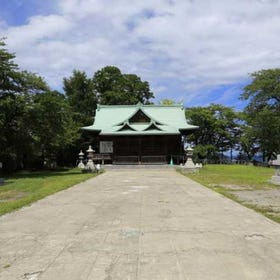
Lovely views within the grounds, and a shrine built in the mid-19th century
ROCK WOOD HOTEL&SPA For a leisurely and superior break where you can forget the routine of daily life.
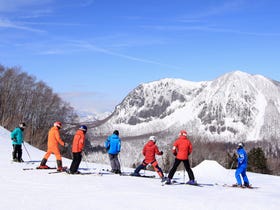
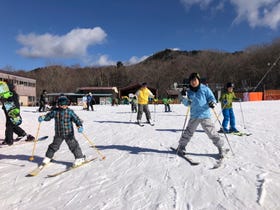
A variety of ski fields covered with an abundance of 100% natural snow await you! Elementary school children (12 and under) can use the lift for free every day.
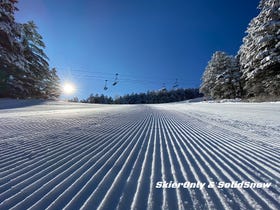
With the latest ice crushing system it is now possible to ski from November.
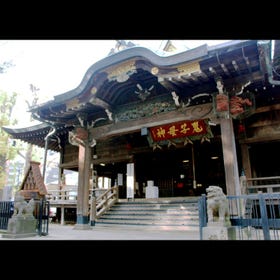
Kishimojin-do enshrines Kishimojin , a goddess of healthy childbirth and child rearing , who has long been worshiped.
The resort exclusively for skiers where snow boarders are banned on all trails.
Full-fledged family resort presented by the cake brand "Chateraise"
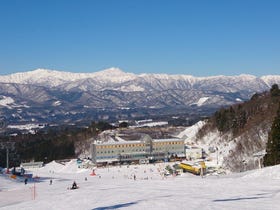
Pleasant slopes, directly connected to Route 153. The trails which make the most of high quality snow and natural surroundings of Minami-Shinshu are popular with beginners, intermediate level skiers and snow boarders and families.
Enjoy the refreshing experience of skiing at night on powder snow.
Easy access in only 15 minutes from the expressway interchange! The ski resort for families with 3 different theme lands.
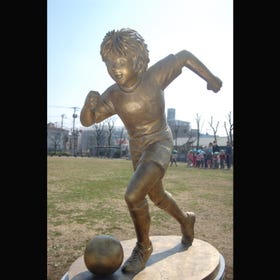
A bronze statue of Taro Misaki, character in the popular comic Captain Tsubasa (Flash Kicker). He and Tsubasa Ozora are the team's dynamic duo.
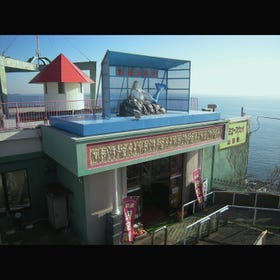
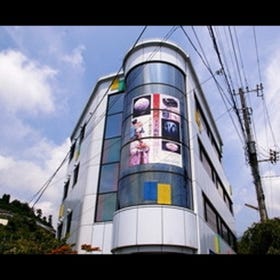
Japan's only sex museum, with full of humor.
We display works created by people who have been designated as important intangible cultural properties, otherwise known as ”living national treasures.” We have a permanent special exhibition on the recent works of ceramic artist Morihiro Hosokawa. Access: From Yugawara Station, take the bus headed to Kajiya for about 5 minutes We are located right next to the Yamazaki bus stop