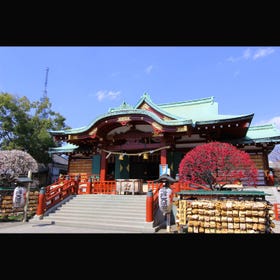
This is where Michizane Sugawara, the god of learning and study, is enshrined. You can enjoy flower festivals, too; there are flowers blooming all year round.
The bridge is called Kuramae (”front of warehouse”) since rice was stored in the area during the Edo period. Painted in bright yellow, the bridge reminds us of rice grains.
Founded as a private garden and created by notable writers and artists during the Edo period (1603–1868). The garden's biggest draw is its 30-meter tunnel lined with bush clover.
3.2km of gondolas, 4.5km of powder snow trails through frost covered forests.
The Koishikawa Korakuen Garden is designated as a National Special Historic Site and Special Place of Scenic Beauty. Highlights of the garden include a lake, a hill, a river, and a pastoral scenery that resembles the scenic beauty from various places in Japan.
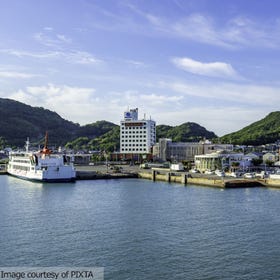
Your base for sightseeing in Shodoshima Island, famous for its Setouchi art, olives, and soy sauce.
A park built in Kurihama in commemoration of the landing of Commodore Matthew C. Perry of the United States Navy.
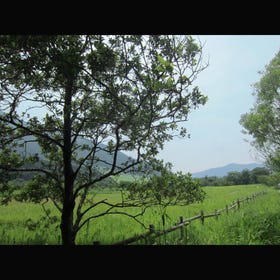
Various marsh plants grow in the marsh plant community in the Sengokuhara area. It was designated as a National Natural Treasure because its value in phytogeography was recognized.
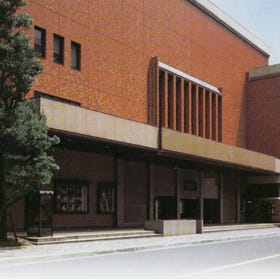
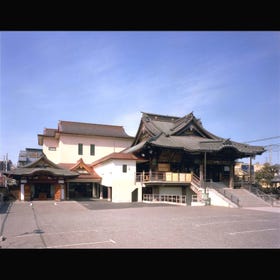
A wide variety of plays such as kabuki, comedy, modern, and melodramatic shinpa can be enjoyed in the theater. It is also an ideal theater to feel close to the Japanese traditional performing arts.
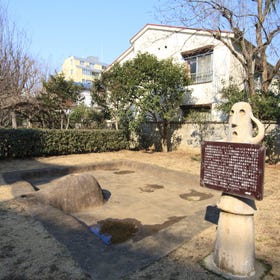
An archaeological park in Minato Ward, Tokyo with a reconstructed pit-house from the latter Jomon Period (approximately 4,000 years ago).
This is a branch temple of the Naritasan Shinshoji Temple on the land of Kawagoe and is famous for its goma-kito (a ritual of consecrated fire) and the flea market on the 28th of every month.
This is a unique botanical garden that mainly displays wetland plants and is located in Sengokuhara in the town of Hakone. You can observe pretty and wild plants in spring, summer, and fall.
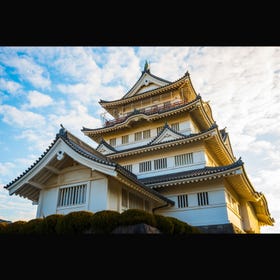
It is a historical museum where you can learn about the Chiba clan, who made the foundation and historical contribution to Chiba City. From the observation deck, you can see a magnificent view of Chiba City.
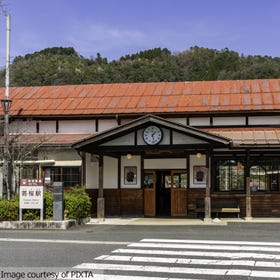
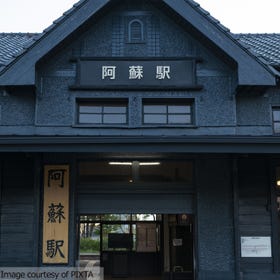
Experience the history of Japan's nostalgic railways and the serene, beautiful ambiance of a mountain castle town.
This is the remains of the garden of Daijo-in Temple, which was a monzeki temple (a temple of high rank where members of the imperial family and nobility enter the priesthood) of Kofuku-ji Temple. After the restoration was completed in 2010, these remains were made open to the public. You can also see them from Daijo-in Temple Garden Culture Hall located in the south of the garden.
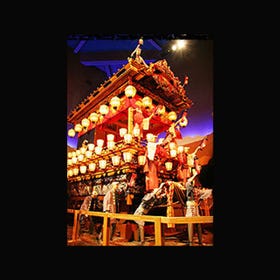
An exhibition center where Chichibu Yomatsuri, one of Japan's three major hikiyama (float) festivals, is introduced through historical material and a live performance.
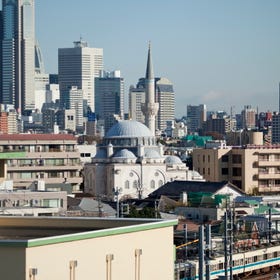
It is one of the largest mosques in Japan. The interior of the building is furnished with beautiful decorations, including stained glass mounted windows.
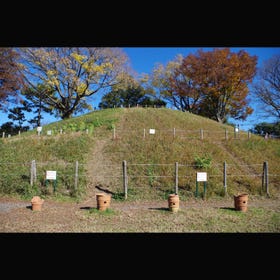
The Noge Otsuka Tumulus is the largest tumulus of the Noge Tumulus Cluster. Excavations have unearthed objects like armor, stone tools, and grave goods made out of beads.
Your base for exploring one of the world's largest calderas and active volcanoes.
100 minutes from Tokyo and 3km from the Minakami interchange on the Kanetsu highway! Late night skiing and free parking everday! !