



Ultimate Tokyo Transit Guide: JR, Subways, and Private Railways Explained, Plus Suica/PASMO and Money-Saving Passes
- Written by: LIVE JAPAN Editor
Tokyo’s transportation system is famously complex, and it can feel intimidating for first-time visitors. Once you understand the roles of JR lines, subways, and private railways, and combine that knowledge with smart ticket choices, getting around the city becomes surprisingly easy and efficient.
This up-to-date Tokyo train map guide breaks down how each rail network works, explains how to use Suica and PASMO IC cards, and takes a close look at popular one-day passes and area passes that can help you save money, so you can travel around Tokyo with confidence and ease.
(Main image: PIXTA)
(This article contains affiliate links)

Tokyo Transportation Basics: Understanding JR, Subways, and Private Railways
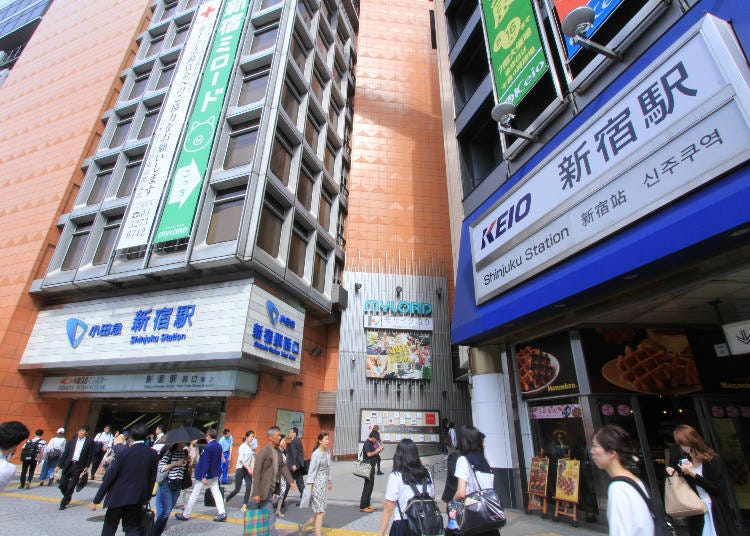
Railway operators in Japan can broadly be divided into three main categories: JR lines, subways, and private railways.
1. JR (Japan Railways)
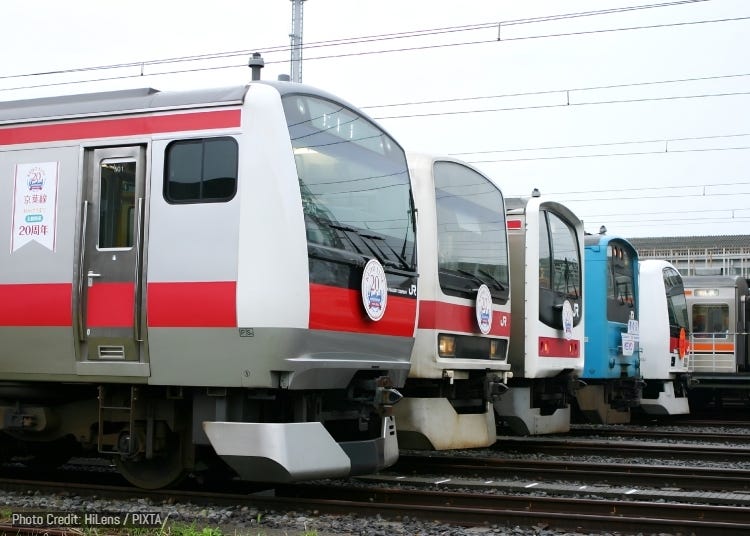
JR is short for Japan Railways and refers to the group of privatized companies that evolved from the former national railway. JR lines form the backbone of Japan’s nationwide rail network and play a central role in travel within Tokyo as well as between cities.
2. Subways
Tokyo’s subway system is operated by two companies: Tokyo Metro, run by Tokyo Metro Co., Ltd., and the Toei Subway, operated by the Tokyo Metropolitan Government. Together, they create a dense underground network that covers much of central Tokyo.
3. Private Railways
Private railways are run by independent companies and mainly connect central Tokyo with surrounding suburbs and nearby cities. Major operators include Odakyu, Keio, Keikyu, Keisei, Seibu, Tobu, and Tokyu.
In addition, Tokyo is served by lines such as the Tokyo Monorail, which connects the city to Haneda Airport; the Tokyo Rinkai Railway; and the Yurikamome, the main public transport system for the Odaiba area.
At major hubs like Shinjuku, Ikebukuro, Tokyo Station, and Shibuya, lines operated by multiple companies intersect. Once you understand these categories, choosing the right train and transferring smoothly at stations becomes much easier.
1. The Main Artery Through the City: JR (With the Yamanote Line at Its Core)
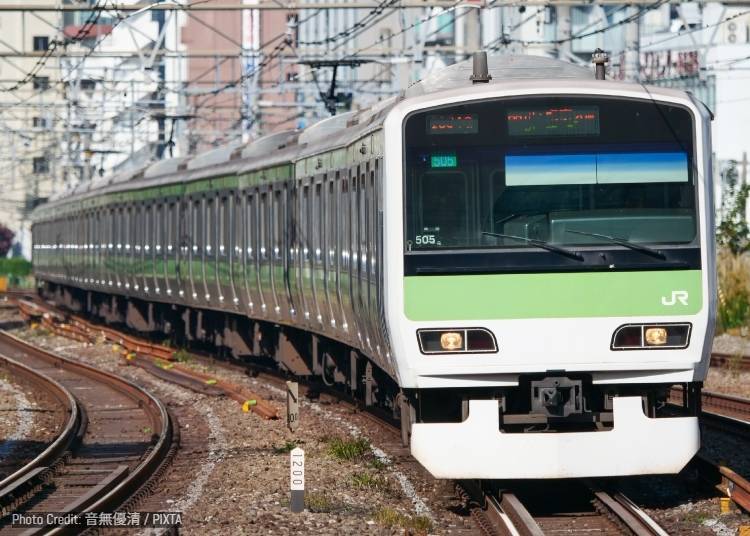
JR (Japan Railways) is Japan’s largest railway group, with an extensive network that connects Tokyo’s key urban hubs and stretches across the country. Within central Tokyo, the heart of the JR system is the famous Yamanote Line.
The Yamanote Line is a loop line that links major transport and commercial centers such as Tokyo Station, Shinagawa, Shibuya, Shinjuku, and Ikebukuro. For first-time visitors, understanding the Yamanote Line means gaining easy access to most of Tokyo’s main sightseeing areas. Trains run very frequently, making it a convenient “arrive and ride” option throughout the day.
Other Major JR Lines
In addition to the Yamanote Line, JR operates several other important routes across Tokyo, including:
・Chuo Line and Sobu Line: Connect key east–west stations such as Shinjuku, Tokyo, Ochanomizu, and Akihabara.
・Keiyo Line: Commonly used to reach Tokyo Disney Resort (Maihama Station).
・Tokaido Line and Utsunomiya Line: Serve medium- to long-distance travel to suburban areas.
JR lines are especially convenient for travel between major stations. They are also the primary choice for travelers using a JR Pass or planning trips that extend beyond Tokyo to other regions of Japan.
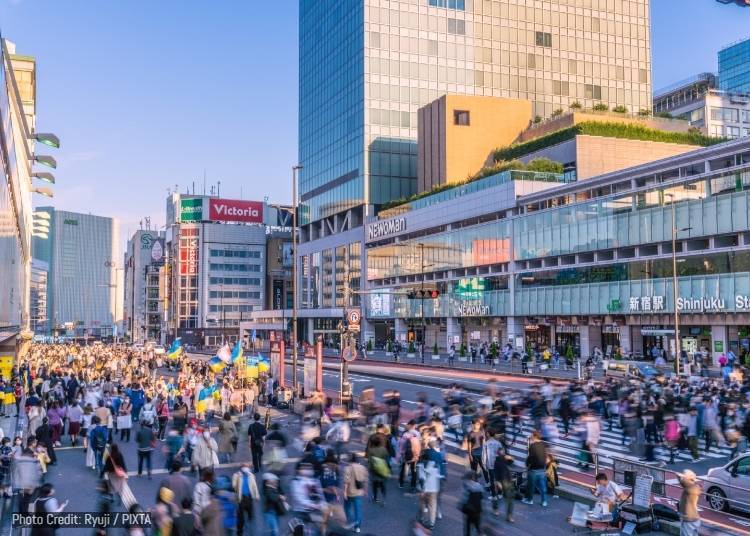
Key JR Lines and Major Stops
JR East operates numerous important lines in and around Tokyo. Below are the routes travelers most commonly use, along with their main features.
- Yamanote Line
- ・Line code: JY
・Key features: A loop line running through central Tokyo, with very frequent service and stops at all major stations
・Major stations: Tokyo, Ueno, Ikebukuro, Shinjuku, Shibuya, Shinagawa, Harajuku
・Main sightseeing areas: Covers nearly all of Tokyo’s core commercial and tourist districts
- Keihin-Tohoku Line
- ・Line code: JK
・Key features: Runs north to south through central Tokyo and continues on to Yokohama
・Major stations: Tokyo, Shinagawa, Kawasaki, Yokohama, Ueno, Akihabara
・Main sightseeing areas: Akihabara Electric Town, Minato Mirai in Yokohama
- Chuo Line (Rapid)
- ・Line code: JC
・Key features: A fast east–west route connecting major areas of Tokyo
・Major stations: Tokyo, Shinjuku, Nakano, Kichijoji
・Main sightseeing areas: Kichijoji shopping streets, Ghibli Museum (transfer from Nakano or Kichijoji)
- Chuo-Sobu Line (Local)
- ・Line code: JB
・Key features: A local service stopping at smaller stations along the Chuo and Sobu corridors
・Major stations: Akihabara, Iidabashi, Shinanomachi
・Main sightseeing areas: Meiji Jingu Gaien, Kagurazaka
- Shonan-Shinjuku Line
- ・Line code: JS
・Key features: Runs through central Tokyo, linking Saitama and Kanagawa, and is well suited for longer-distance travel
・Major stations: Shinjuku, Shibuya, Ikebukuro, Yokohama
・Main sightseeing areas: Quick access to Yokohama, Kamakura, and beyond
- Keiyo Line
- ・Line code: JE
・Key features: Connects Tokyo Station with the coastal areas of Chiba Prefecture
・Major stations: Tokyo Station (a longer walk via underground passages), Maihama, Kaihin-Makuhari, Minami-Funabashi
・Main sightseeing areas: Tokyo Disney Resort, Makuhari Messe
▼ Read More JR-Related Articles ▼
2. Tokyo’s Dense Underground Network: Subways
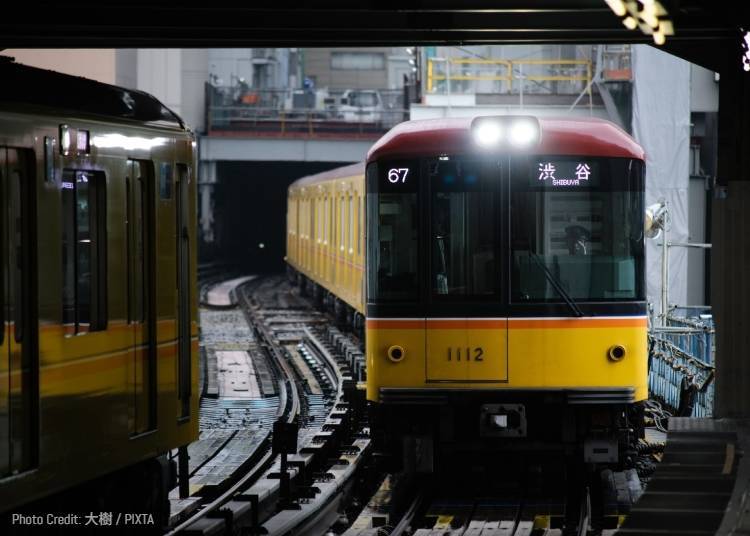
Tokyo’s subway system forms the most extensive and convenient transportation network in the city center. It is made up of two main systems: Tokyo Metro and the Toei Subway.
Tokyo Metro operates nine major lines that are especially popular with visitors, including the Ginza Line, Marunouchi Line, Hibiya Line, Tozai Line, Chiyoda Line, Yurakucho Line, Hanzomon Line, Namboku Line, and Fukutoshin Line.
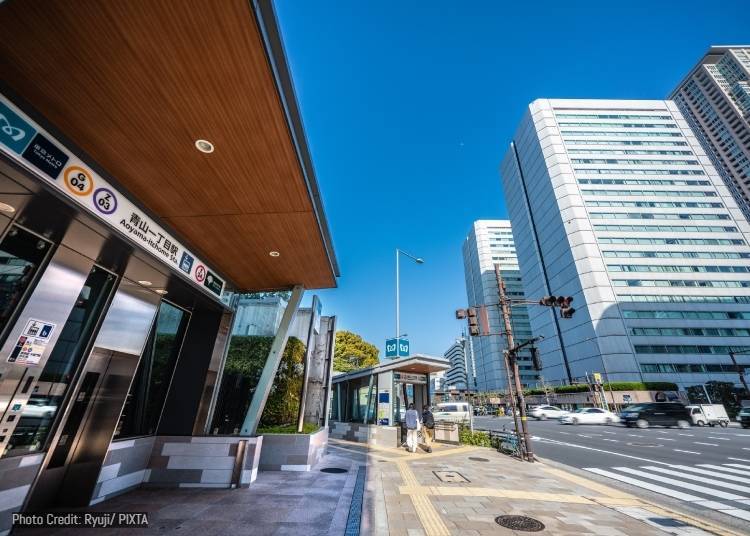
Tokyo Metro: Key Lines and Major Stations
Tokyo Metro operates nine lines that together form the core underground transport network in central Tokyo.
- Ginza Line
- ・Line code: G
・Key features: Japan’s oldest subway line, running a relatively short route from east to west
・Major stations: Shibuya, Ginza, Nihombashi, Ueno, Asakusa
・Main sightseeing areas: Sensoji Temple, Ueno Zoo, Ginza department stores, Shibuya Crossing
- Marunouchi Line
- ・Line code: M
・Key features: Runs in a “C” shape from central Tokyo out toward Shinjuku and Ikebukuro
・Major stations: Shinjuku, Tokyo, Ginza, Ikebukuro
・Main sightseeing areas: Shinjuku Gyoen National Garden, Tokyo Metropolitan Government Building, Tokyo Station
- Hibiya Line
- ・Line code: H
・Key features: Connects the north and south of Tokyo, passing through major business and cultural districts
・Major stations: Nakameguro, Roppongi, Ginza, Ueno, Akihabara
・Main sightseeing areas: Roppongi Hills, Ueno Park, Akihabara Electric Town
- Tozai Line
- ・Line code: T
・Key features: An important east–west commuter line running through central Tokyo
・Major stations: Nihombashi, Otemachi, Nakano
・Main sightseeing areas: Primarily a commuter route, with few major tourist attractions
- Chiyoda Line
- ・Line code: C
・Key features: Runs north–south through central Tokyo and extends into Kanagawa and Chiba
・Major stations: Omotesando, Meiji-jingumae, Otemachi
・Main sightseeing areas: Meiji Shrine, Omotesando shopping streets, the Imperial Palace area (Otemachi)
- Yurakucho Line
- ・Line code: Y
・Key features: Connects areas such as Ikebukuro, Yurakucho, and Toyosu, serving as a key route to the Tokyo Bay area
・Major stations: Ikebukuro, Yurakucho, Toyosu
・Main sightseeing areas: Toyosu Market, Tokyo International Forum (Yurakucho)
- Hanzomon Line
- ・Line code: Z
・Key features: Links western and eastern Tokyo and offers through service with Tokyu and Tobu lines
・Major stations: Shibuya, Omotesando, Otemachi, Oshiage
・Main sightseeing areas: Tokyo Skytree (Oshiage), Shibuya, Omotesando
- Namboku Line
- ・Line code: N
・Key features: Runs north–south through central Tokyo, passing several upscale residential areas
・Major stations: Iidabashi, Tameike-sanno, Meguro
・Main sightseeing areas: Mainly business and residential districts, with few major tourist spots
Toei Subway: Key Lines and Major Stations
The Toei Subway operates four lines: the Asakusa Line, Mita Line, Shinjuku Line, and Oedo Line.
- Asakusa Line
- ・Line code: A
・Key features: Connects central Tokyo with Haneda and Narita Airport access lines through direct services
・Major stations: Asakusa, Nihombashi, Shimbashi, Sengakuji
・Main sightseeing areas: Sensoji Temple, Nihombashi historic district, easy transfers to airports
- Mita Line
- ・Line code: I
・Key features: Runs north to south through central Tokyo, serving office and residential areas
・Major stations: Sugamo, Otemachi, Mita, Meguro
・Main sightseeing areas: Rikugien Garden (Sugamo), Imperial Palace area (Otemachi)
Together, Tokyo Metro and the Toei Subway run a total of 13 lines that cover nearly all major sightseeing areas, business districts, and accommodation zones within Tokyo’s 23 wards. Although the two systems are operated by different companies, many stations are shared, making transfers relatively easy. Do note, however, that transferring between different operators usually requires purchasing a new ticket or paying an additional fare, which is automatically calculated if you are using an IC card.
With reliable schedules and no interference from road traffic, subways are one of the most efficient ways to get around central Tokyo.
3. Suburban Travel: Private Railways
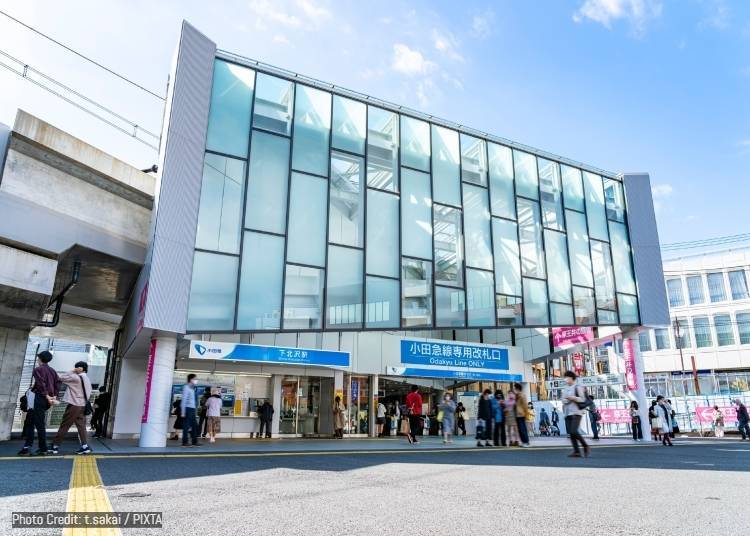
Private railways are experts at connecting central Tokyo with nearby suburbs. Their lines often run directly to popular sightseeing areas or residential districts outside the city center. Below are some of Tokyo’s most important private railway operators and their main roles.
- Details
- ・Key features: Departs from Shinjuku and serves as a major route to Hakone, Enoshima, and the Kamakura area. Odakyu also operates the popular Romancecar limited express, a well-known sightseeing train
・Major stations: Shinjuku, Odawara, Fujisawa
・Main sightseeing areas: Hakone, Enoshima, Kamakura
- Details
- ・Key features: Departs from Shinjuku and primarily serves western Tokyo. It is the main rail access to Mount Takao, one of Tokyo’s most popular hiking destinations, as well as Sanrio Puroland
・Major stations: Shinjuku, Chofu, Takaosanguchi
・Main sightseeing areas: Mount Takao, Sanrio Puroland
- Details
- ・Key features: Mainly serves northwestern Tokyo and Saitama Prefecture, and is the primary rail access to Kawagoe, often called “Little Edo”
・Major stations: Ikebukuro, Tokorozawa, Hon-Kawagoe
・Main sightseeing areas: Kawagoe (Little Edo)
- Details
- ・Key features: Departs from Asakusa and Ikebukuro, linking northern Tokyo with Tochigi Prefecture. It is a major gateway to World Heritage sites such as Nikko and the Kinugawa Onsen area
・Major stations: Asakusa, Ikebukuro, Tobu-Nikko
・Main sightseeing areas: Nikko Toshogu Shrine, Kinugawa Onsen
- Details
- ・Key features: Connects Ueno and Nippori with Chiba Prefecture and offers one of the fastest routes from Narita Airport to central Tokyo via the Keisei Skyliner
・Major stations: Keisei-Ueno, Nippori, Narita Airport
・Main sightseeing areas: Ueno Park, Naritasan Shinshoji Temple (Narita Station)
The main advantage of private railways is that they often offer discounted area passes in partnership with nearby attractions, allowing travelers to explore Tokyo’s surrounding regions at a better value.
4. Special Lines and Alternative Transport Options
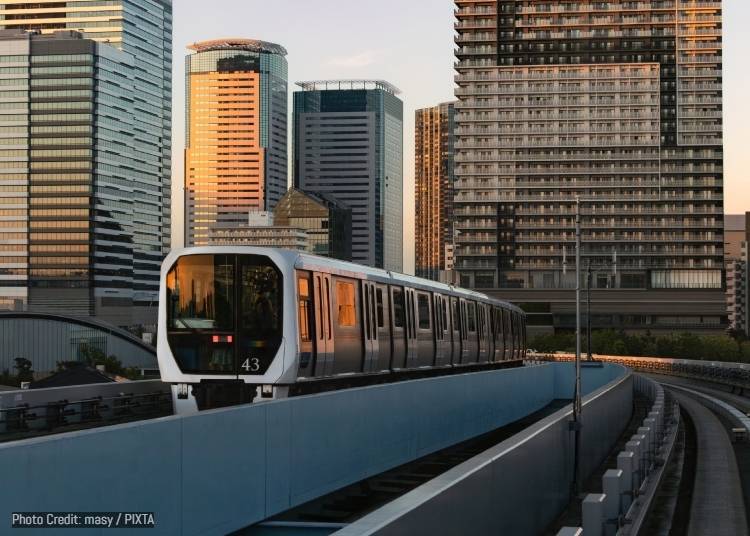
In addition to JR lines, subways, and the seven major private railways, Tokyo also has several unique lines that play an important role for specific travel and sightseeing needs.
- Details
- ・Key features: Tokyo’s only remaining streetcar line, offering a slower, nostalgic way to travel through the city
・Major stations: Minowabashi, Arakawa-yuenchimae, Waseda
・Main sightseeing areas: Asukayama Park, Koshinzuka (Sugamo Jizo-dori Shopping Street)
- Details
- ・Key features: The main transport system in the Odaiba area. This automated, driverless line runs on elevated tracks and offers excellent views
・Major stations: Shimbashi, Shiodome, Odaiba-kaihinkoen, Aomi, Toyosu
・Main sightseeing areas: Odaiba shopping districts, Rainbow Bridge views, Toyosu Market
Recommended Places to Stay in Tokyo
-
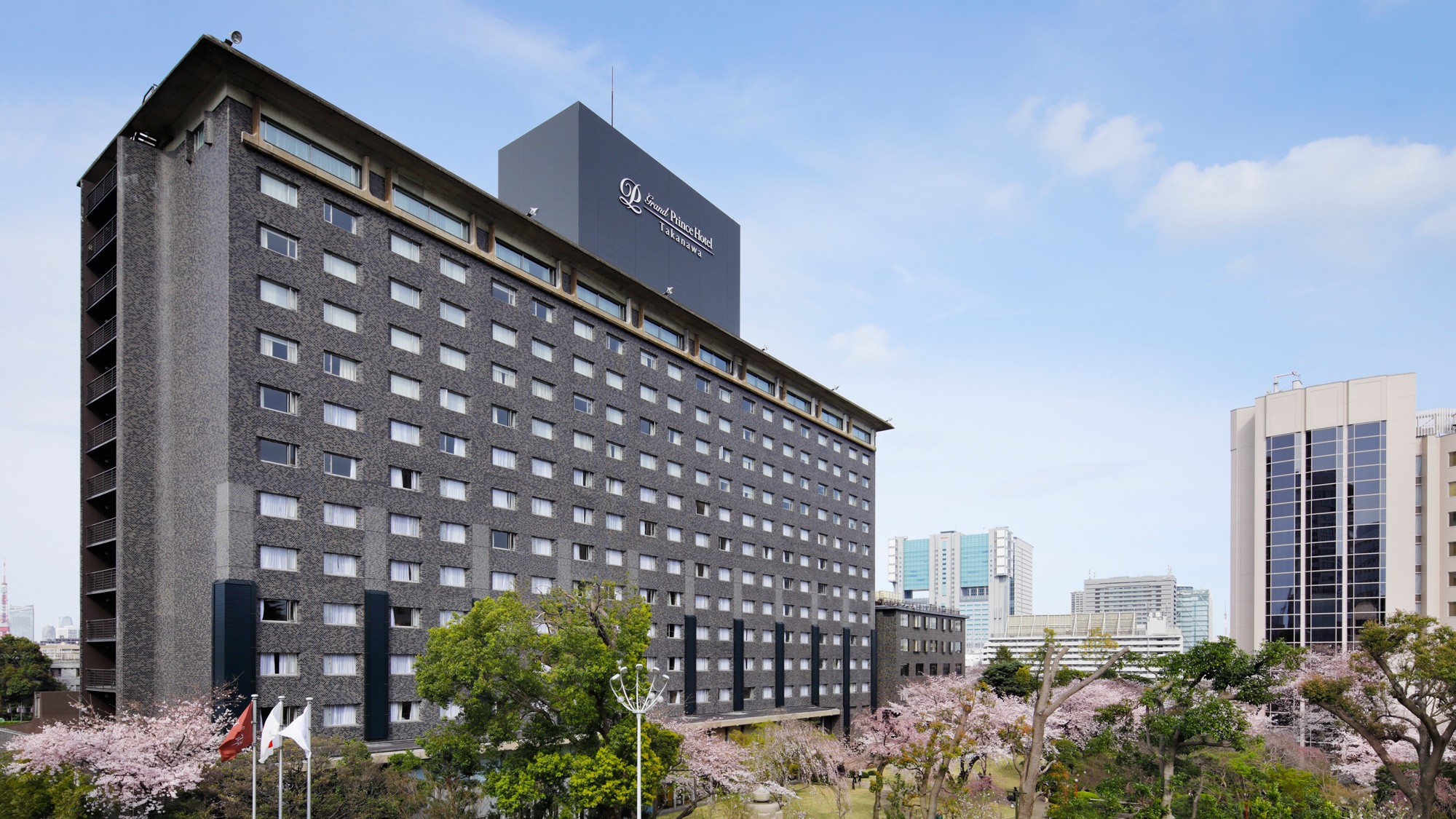 Grand Prince Hotel Takanawaグランドプリンスホテル高輪
- Address 3-13-1 Takanawa, Minato-ku, Tokyo View Map
- Original source: Rakuten Travel
-
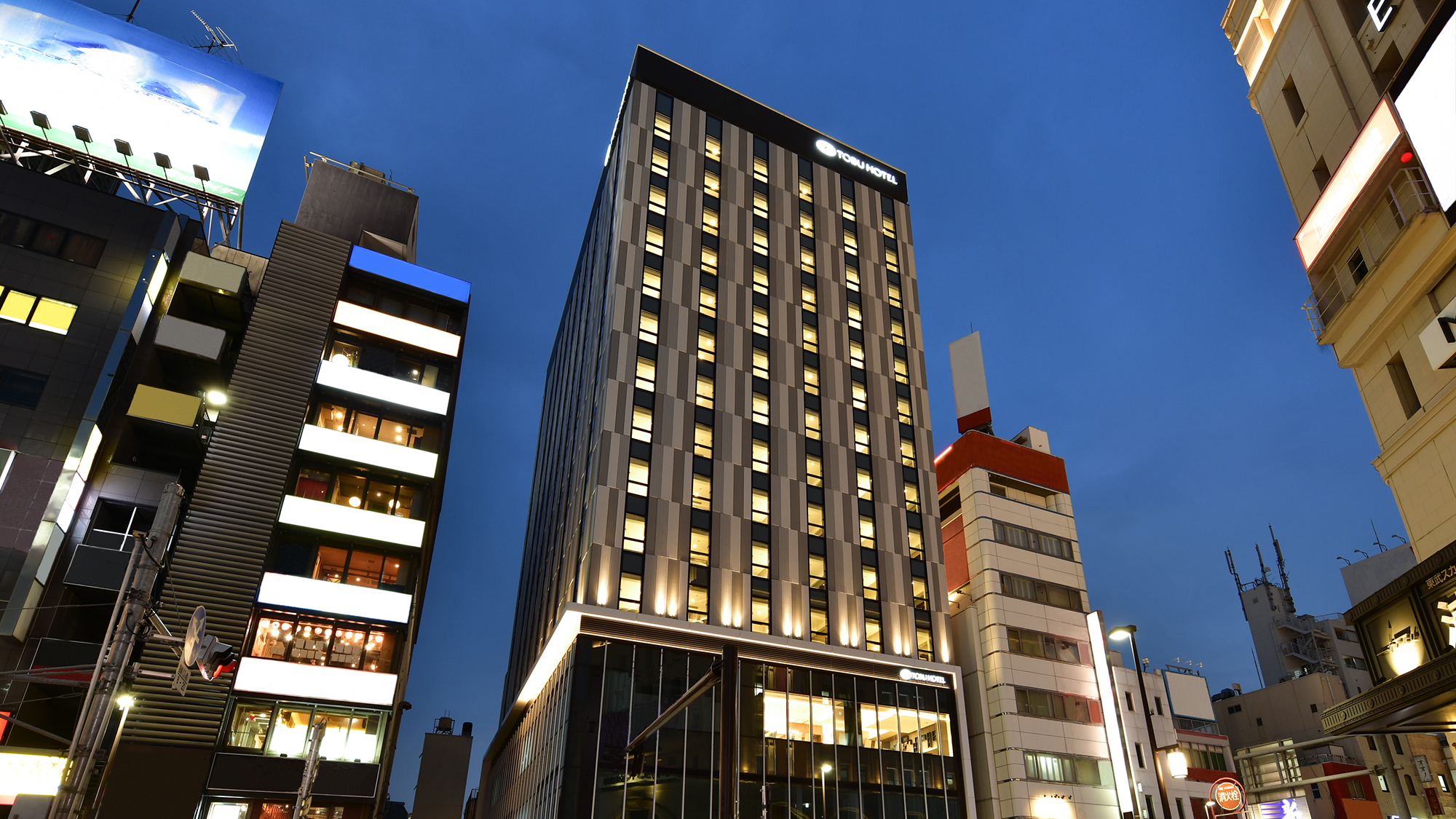 Asakusa Tobu Hotel浅草東武ホテル
- Address 1-1-15 Asakusa, Taito-ku, Tokyo View Map
- Original source: Rakuten Travel
-
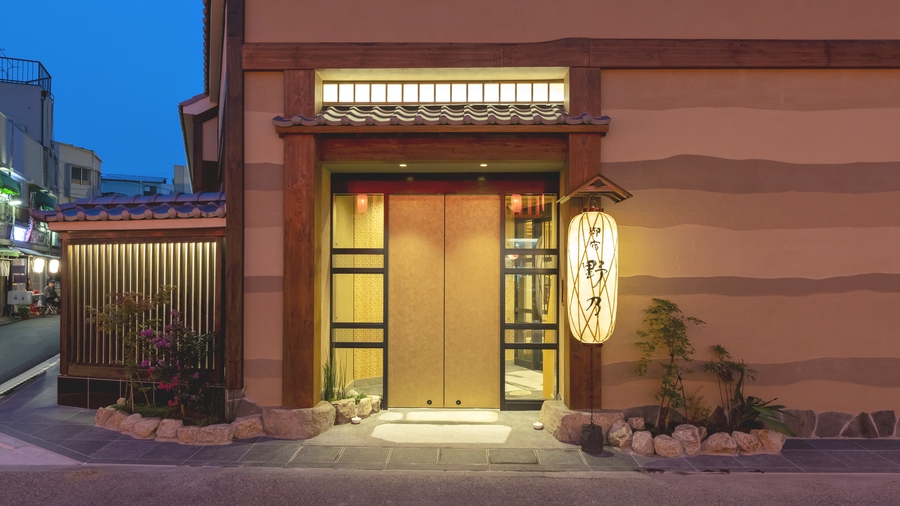 Onyado Nono Asakusa天然温泉 凌雲の湯 御宿 野乃浅草(ドーミーイン・御宿野乃 ホテルズグループ)
- Address 2-7-20 Asakusa, Taito-ku, Tokyo View Map
- Original source: Rakuten Travel
-
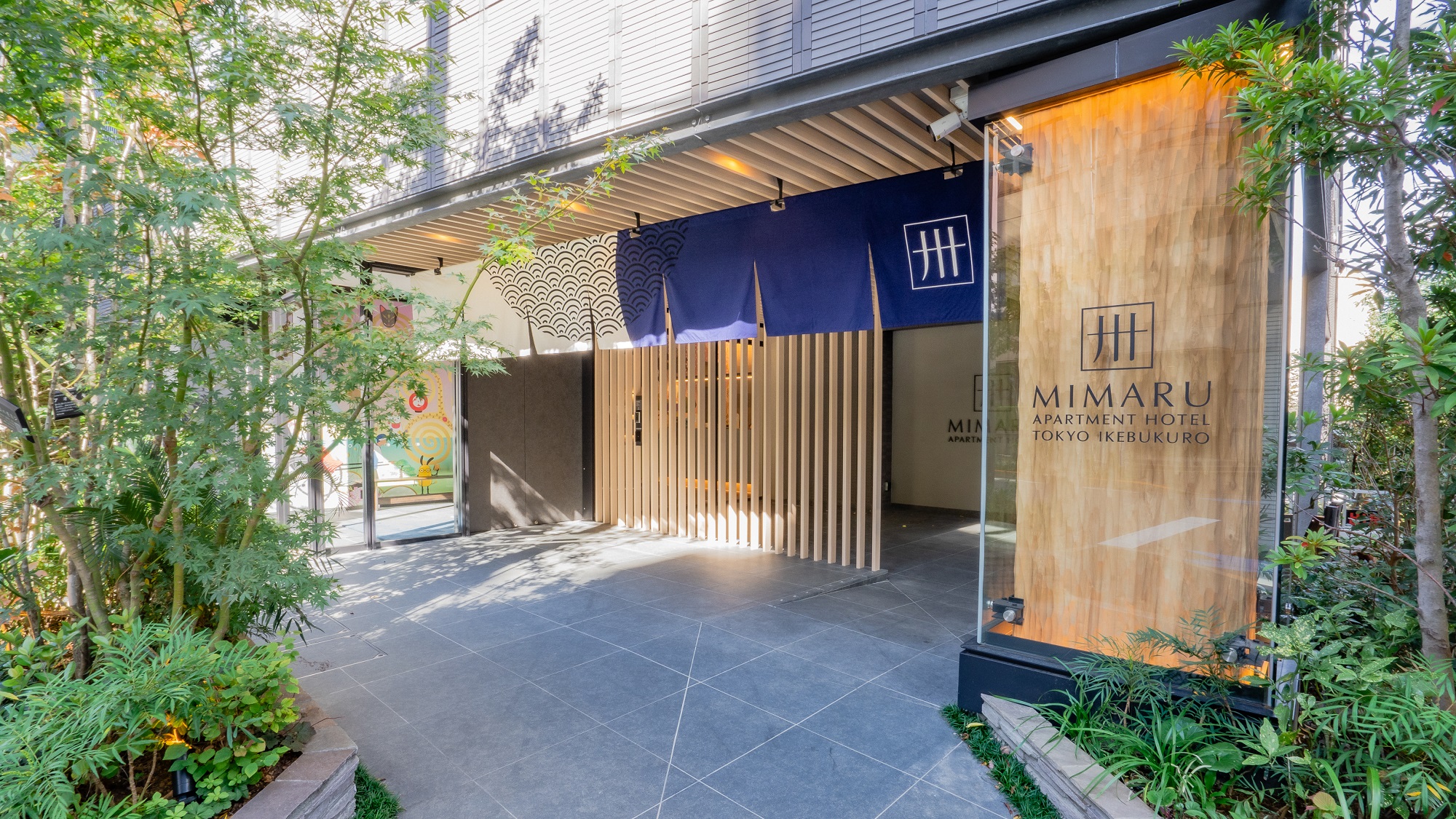 Mimaru Tokyo IkebukuroMIMARU東京 池袋
- Address 2-61-1 Ikebukuro, Toshima-ku, Tokyo View Map
- Original source: Rakuten Travel
-
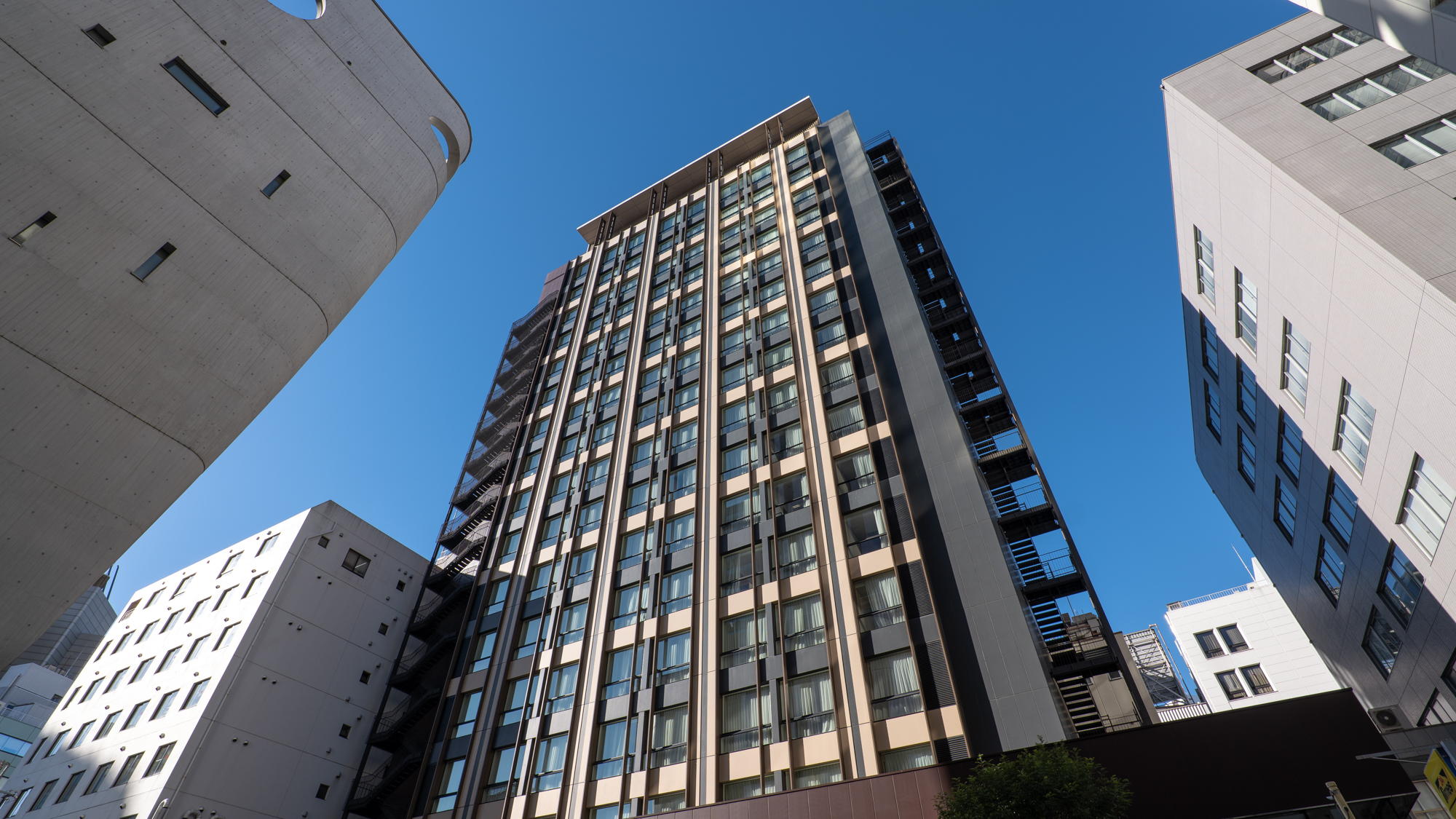 JR Kyushu Hotel Blossom ShinjukuJR九州ホテルブラッサム新宿
- Address 2-6-2 Yoyogi, Shibuya-ku, Tokyo View Map
- Original source: Rakuten Travel
Practical Ticketing and Essential Cards: IC Cards
For international travelers, understanding how to buy tickets is the second step to mastering Tokyo’s transportation system. While the network itself is complex, the widespread use of IC cards has made traveling and transferring between different operators and lines smoother and more convenient than ever.
2. Two Essential IC Cards: Suica and PASMO
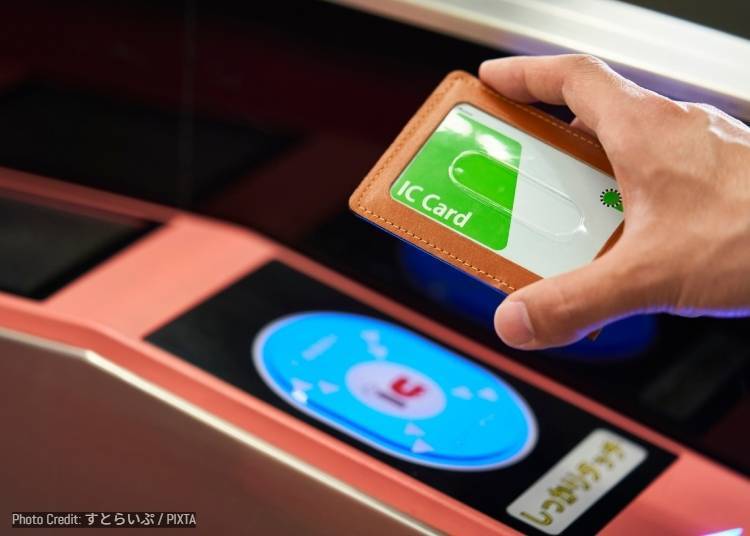
In Tokyo, the two most widely used transportation IC cards are Suica, issued by JR East, and PASMO, issued by private railways and subway operators. If you already have other major regional IC cards such as ICOCA from Kansai, Kitaca from Hokkaido, or TOICA from the Tokai area, you can use them in Tokyo as well without purchasing a new card.
・Functions: Both cards offer identical functions and coverage. They can be used on all JR lines, subways, private railways, and buses in Tokyo, as well as at most convenience stores and vending machines.
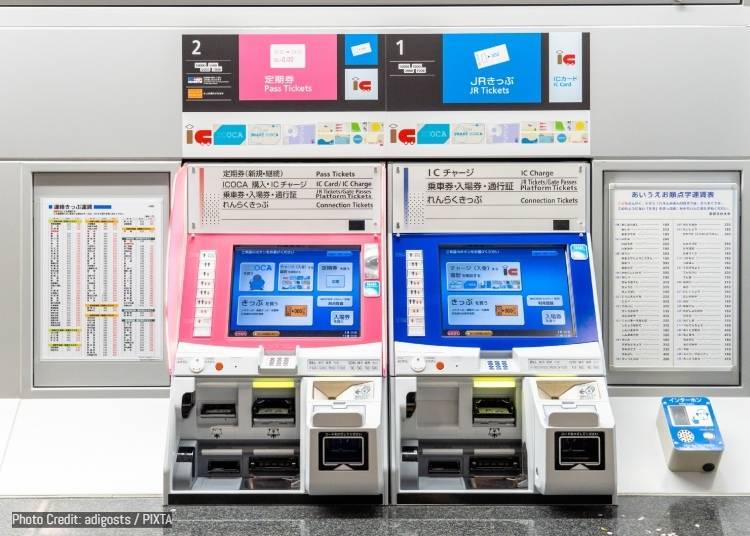
・Purchase and top-up: Cards can be purchased at ticket machines or staffed counters at major stations. Topping up is equally easy and can be done at station machines and many convenience stores.
・Physical card availability: Due to ongoing global chip shortages, the availability of physical Suica and PASMO cards, including Welcome Suica and PASMO Passport for visitors, may change without notice. If physical cards are unavailable, consider using a smartphone wallet such as Apple Pay or Google Pay to use a virtual IC card instead.
2. IC Card Refunds and Handling Remaining Balance
If you still have a balance on your IC card before leaving Japan, you can usually request a refund.
・Refund locations: Suica cards can be refunded at JR East stations, while PASMO cards must be refunded at subway or private railway stations. Any remaining balance on the card will be returned to you at the time of refund.
・Refund handling fee: A handling fee of about 220 yen is usually charged. If the remaining balance is less than the fee, only the deposit will be refunded.
・Deposit: Both cards require a 500 yen deposit, which is refunded in full when you return the card.
Saving on Transportation in Tokyo: A Guide to Discount Passes
While IC cards are extremely convenient, travelers whose plans focus on central Tokyo or specific suburban destinations can often save a significant amount on transportation by using discount tickets and area passes.
1. Subway-Only Savings: Tokyo Subway Ticket (1–3 Day Pass)
The Tokyo Subway Ticket is one of the best value options for visitors traveling mainly within central Tokyo. It allows unlimited rides on all 13 Tokyo Metro and Toei Subway lines during the valid period.
Coverage:
Valid on all 13 subway lines operated by Tokyo Metro and the Toei Subway. Not valid on JR lines or private railways.
Latest prices:
・24-hour pass: Adults 800 yen / Children 400 yen
・48-hour pass: Adults 1,200 yen / Children 600 yen
・72-hour pass: Adults 1,500 yen / Children 750 yen
Where to buy:
Passport required. Available at airports, subway station tourist information centers, and selected convenience stores.
Money-saving tip:
If you plan to take the subway five times or more in a single day, this pass usually pays for itself.
▼ Read More Articles About Tokyo Subway Day Passes ▼
2. JR-Only Savings: City Area and One-Day Passes
For travelers who mainly plan to get around using JR lines, there are several dedicated discount tickets worth considering.
JR Tokyo Metropolitan Area Pass
Allows unlimited rides on JR lines within Tokyo’s 23 wards, including the Yamanote Line and Chuo Line. This pass does not cover subways or private railways.
・Price: Adults 760 yen / Children 380 yen
・Money-saving tip: Ideal if your day centers on major Yamanote Line hubs such as Shinjuku, Shibuya, and Tokyo Station. It usually pays off after four or more rides.
Tokyo One-Day Ticket
This is one of the most comprehensive one-day passes available, offering unlimited rides on JR lines, Tokyo Metro, the Toei Subway, the Tokyo Sakura Tram (Toden Arakawa Line), and Toei buses.
・Price: Adults 1,600 yen / Children 800 yen
・Money-saving tip: Best for packed itineraries with frequent transfers across different transport systems, especially if you are unsure which option offers the best value.
▼ Read More Articles on Discount Transportation Passes ▼
3. Suburban Area Passes and Private Railway Deals
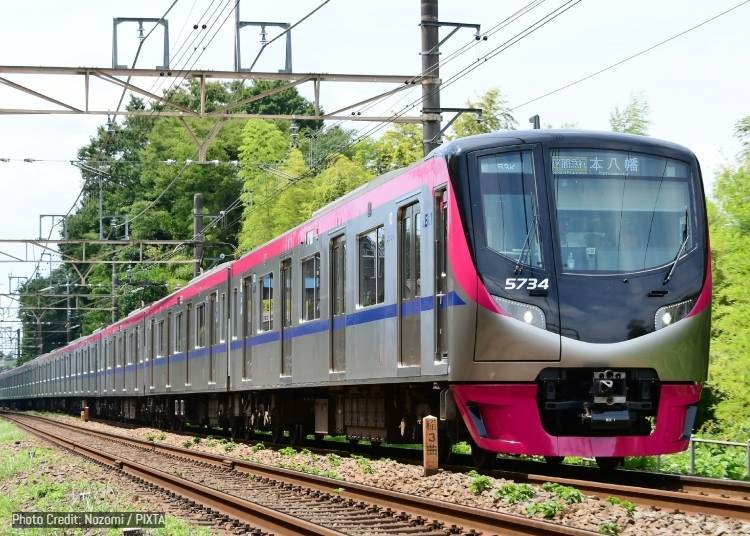
If your itinerary includes destinations outside central Tokyo, area passes offered by private railway companies are often the most cost-effective choice.
Odakyu Railway: Hakone Freepass
This pass includes round-trip travel on Odakyu lines from Tokyo, as well as unlimited use of local transportation in the Hakone area, such as mountain trains, cable cars, ropeways, and sightseeing boats.
・Money-saving tip: An essential pass for exploring Hakone efficiently.
Keio Railway: Mount Takao Discount Ticket
Includes round-trip travel on the Keio Line and discounts on the Mount Takao cable car or chairlift.
・Money-saving tip: A must-have for travelers heading to Mount Takao for hiking.
Tobu Railway: Nikko Pass
Covers transportation from Tokyo to Nikko or the Kinugawa Onsen area, along with unlimited use of local buses.
・Money-saving tip: Designed specifically for visitors exploring Nikko’s World Heritage sites.
Practical Tips and FAQs
Once you understand Tokyo’s rail systems and discount passes, the following practical tips and answers to common questions will help you get around the city more smoothly and with greater confidence.
Route Planning: Google Maps Tips
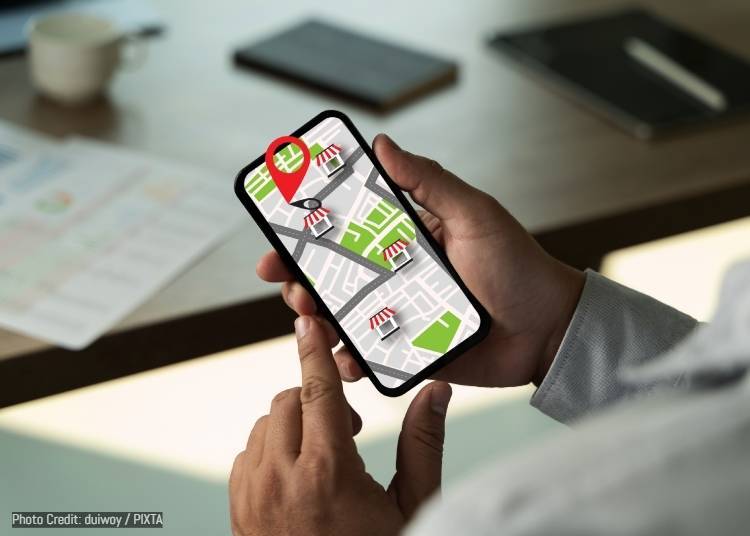
Even though station layouts and route maps in Tokyo can look overwhelming, route planning becomes surprisingly simple with a smartphone.
・Best tool: Google Maps is one of the most accurate and up-to-date tools for navigating Tokyo’s transportation system. It shows fares, travel time, and even platform numbers for transfers.
・Avoiding crowds: When planning your route, check the crowd level indicators shown in Google Maps. This is especially useful during rush hours from 7 AM to 9 AM and 6 PM to 8 PM, when choosing a slightly longer but less crowded route can make your trip more comfortable.
・IC cards and passes: Many route-planning apps allow you to set whether you are using an IC card or paper tickets, which can affect the displayed fare. If you are using a one-day pass, be sure to factor in the pass cost and prioritize the most direct routes rather than the cheapest single fare.
▼ Read More Articles for Independent Travelers ▼
2. Getting to and from Tokyo’s Airports (NRT / HND)
Whether you are arriving at or departing from Narita Airport (NRT) or Haneda Airport (HND), there are several fast and convenient transportation options to choose from.
Narita Airport (NRT)
・Best train options: If speed is your priority, the Keisei Skyliner reaches Ueno in as little as 36 minutes. If you prefer a direct ride or are using a JR Pass, the JR Narita Express (N’EX) offers direct service to Tokyo Station and Shinjuku.
・Best bus options: Travelers with large luggage may find the Limousine Bus convenient, with direct service to major hotels. For the most budget-friendly choice, the TYO-NRT Airport Bus is available for around 1,500 yen.
Haneda Airport (HND)
・Best train options: Take the Keikyu Line for direct access to Shinagawa, or use the Tokyo Monorail to Hamamatsucho and transfer to JR lines.
・Best bus options: Limousine Bus services cover a wide range of routes and offer direct access to major hotels across central Tokyo.
3. Tokyo Transportation Etiquette and Tips
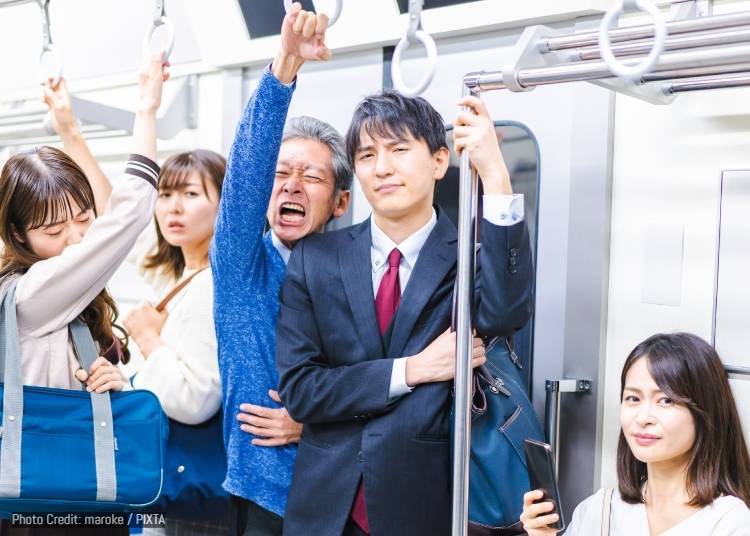
・Keep right: In stations, on platforms, and on stairs, people in Tokyo generally keep to the right. In the Kansai region, including Osaka, the rule is the opposite, so be mindful when traveling between regions.
・Escalator etiquette: In Tokyo, stand on the left side of the escalator and leave the right side clear for people in a hurry.
・No phone calls on trains: Keep conversations quiet and avoid making phone calls on trains to maintain a calm and comfortable environment for everyone.
・Avoid rush hours: Trains are extremely crowded during commuting hours, especially on the Yamanote and Chuo lines. If possible, plan your travel outside peak times.
Although Tokyo’s rail network is vast and complex, understanding the basic roles of JR lines, subways, and private railways, and using IC cards such as Suica or PASMO, makes getting around much easier.
By choosing the right discount passes, such as the Tokyo Subway Ticket or private railway area passes that match your itinerary, you can also reduce transportation costs significantly. With this practical guide, you are well prepared to navigate Tokyo’s transportation system smoothly and enjoy a comfortable, stress-free trip.
▼ Read More Articles About Trains in Japan ▼
*Prices and options mentioned are subject to change.
*Unless stated otherwise, all prices include tax.
Popular Tours & Activitiess
Recommended places for you
-
Shibuya Crossing
Downtown
Shibuya
-
Shinjuku Gyoen National Garden
Gardens
Shinjuku
-
TOKYO SKYTREE®
Landmarks
Ryogoku / TOKYO SKYTREE(R)
-
The Imperial Palace
Other Architecture
Tokyo Station
-

Tokyo Disney Sea®
Theme Parks
Chiba Suburbs
-
Ueno Zoo (Ueno Zoological Gardens)
Zoos, Aquariums & Botanical Gardens
Ueno
-

Front-Row Seat by the Sea: Inside the Newly Opened La Vista Atami Terrace and Its Unique Everyday Escape
by: Yukiko Honda
-
No More Getting Lost in Tokyo's Subways! The "Magic Translation Terminal" Appearing at All 171 Stations Will Revolutionize Your Journey
by: Guest Contributor
-
No Suitcases, No Stress! Tokyo's Haneda Airport Begins New Same-Day Haneda Luggage Delivery
by: Guest Contributor
-
Ad

Sharing Japan's Secrets of Longevity with the World: "Noage International" Delivers a New Medical Tourism Experience
-

Japan's New Fine Dining Train 'vies' Launches in 2028: A New Era of Gourmet Rail Travel
by: Guest Contributor
-

Snow Peak: Discover the Japanese Outdoor Brand That Became a Global Obsession (and Its Best Stores)
Inspiration for Accommodations
-
Family-Friendly Hotels with Free Shuttle to Disneyland: Convenient Access for a Magical Stay
-
Top Ranked Hakone Hotels with Mt. Fuji View: Enjoy Stunning Scenery from Your Private Space
-
Convenient Tokyo Hotels with Airport Shuttle: Ideal for Families and Heavy Luggage
-
9 Family-Friendly Hotels with Comfortable Family Rooms in Asakusa
-
10 Open-air bath Onsen Ryokans in Hakone for Ultimate Relaxation
-

How to Make Bento for Beginners: 3 Big Rules and Easy Tips & Tricks! (Video)
-

Taking on Tyffonium Shibuya – Shibuya’s Latest VR Hot Spot!
-
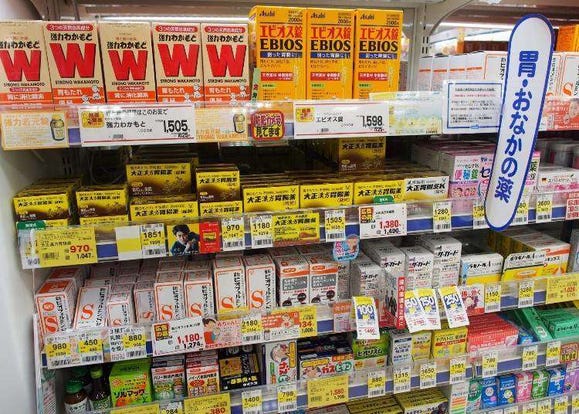
Complete Guide to Buying Japanese Medicine in Japan: Phrases and Vocabulary You Need to Know
-
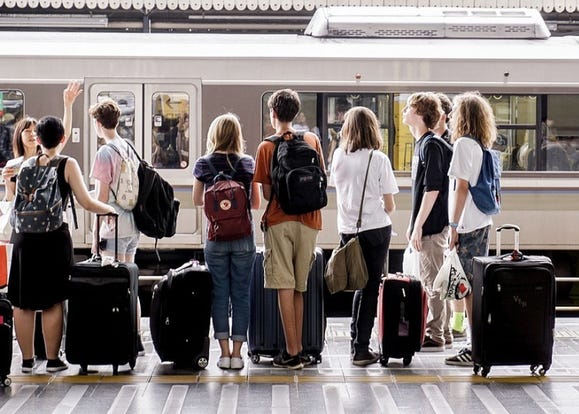
Know Before You Go: Getting Around Japan with Large Luggage
by: Kaori Kimura
-
9 Cool Things You Can Buy at Japan's Most Popular Drugstore
-
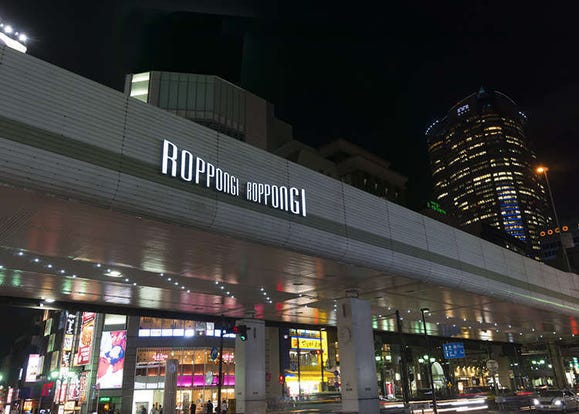
Tokyo Roppongi|Roppongi Station Area Map & Sightseeing Information
- #best ramen tokyo
- #what to buy in ameyoko
- #what to bring to japan
- #new years in tokyo
- #best izakaya shinjuku
- #things to do tokyo
- #japanese nail trends
- #what to do in odaiba
- #onsen tattoo friendly tokyo
- #daiso
- #best sushi ginza
- #japanese convenience store snacks
- #best yakiniku shibuya
- #japanese fashion culture
- #best japanese soft drinks