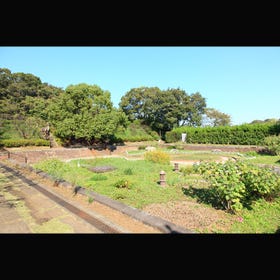
A park surrounded with the nature of Hanno. Enjoy the colorful, beautiful landscapes of each season.
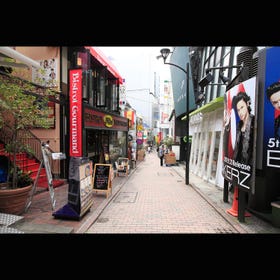
This is a street with nearly 30 stores, including restaurants, cafes, clothing stores, and sundry shops.
Located in Ginza, this large specialty store spans over 300 tsubo. A Japanese suit brand offering a wide variety of business attire for both men and women in various sizes, it is a must-visit shopping destination in Ginza.
Welcome to Tax-free shop ”LAOX”
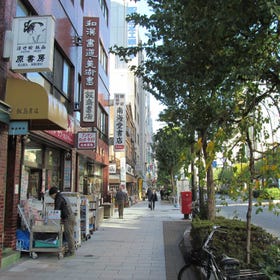
This is an area where you can find all kinds of antique books. There are shops with new books as well.
Tax-Free Shopping! Get Electronics, Cosmetics, and Souvenirs All in One Place. Enjoy a Stress-Free Shopping Experience Away from the Crowds.
One-stop purchase of popular Japanese products.
A large tax-free shopping stop in Nago, northern Okinawa
24-hour tax-free shopping lighting up Roppongi nights
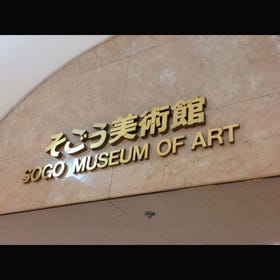
The Sogo Museum of Art is located inside a department store that is directly connected with Yokohama Station. You can enjoy both shopping and art at the same time.
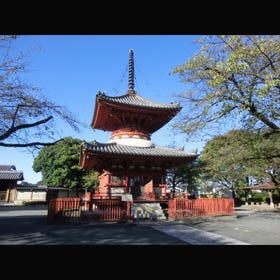
This is a historic temple established in 830 and also known as Kawagoe Daishi. The temple is famous for the 538 statues of rakan (disciples of Buddha) with various facial expressions.
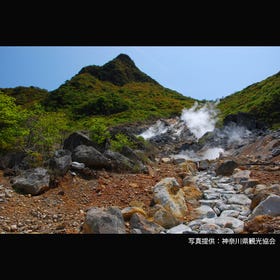
Owakudani is filled with clouds of volcanic smoke and a sulfurous smell. Tasting the famous black eggs is a must.
Just near Shibuya Crossing.Medicine, Cosmetics, etc. in store.
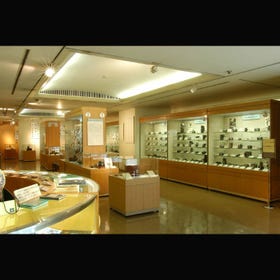
Nippon Camera Hakubutsu-kan or the JCII Camera Museum is a museum operated by the Japan Camera Industry Institute, and you can have fun learning and familiarizing yourself with cameras by looking at and touching cameras. There are more than 300 cameras on display.
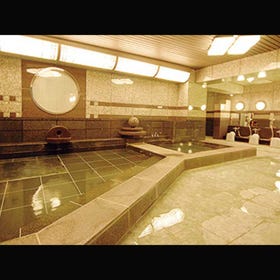
An elegant Asian-style hotel
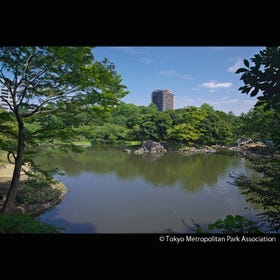
The Koishikawa Korakuen Garden is designated as a National Special Historic Site and Special Place of Scenic Beauty. Highlights of the garden include a lake, a hill, a river, and a pastoral scenery that resembles the scenic beauty from various places in Japan.
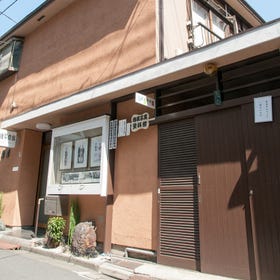
The Sumo Photography Museum is placed in the parking area of a photo studio. There are many items on display, including photographs of successive generations of great sumo wrestlers, references, and sumo wrestlers' ornamental aprons.
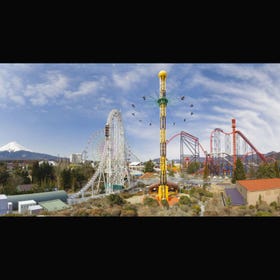
It offers a wide variety of joy from thrill rides to theme parks that are popular among children. This is an amusement park that faces Mt. Fuji and is located in Yamanashi Prefecture.
The Tumulus cluster dates back to the latter of the Kofun (tumulus) period (250 - 538). Excavations unearthed horse tack like bits for horses, Sue ware (type of unglazed pottery made from the middle of the Kofun era through the Heian era), Haji ware (plain, unglazed, reddish-brown Japanese pottery made from the Kofun era through the Heian era), and haniwa (clay figures from the Kofun period).









![[Coupon]MEGA Don Quijote Nago Store(10% Tax-Free + MAX 7% OFF)](https://rimage.gnst.jp/livejapan.com/public/img/spot/lj/01/31/lj0131475/lj0131475_6881ba711632a_main.jpg?20260810182833&q=80&rw=280)
![[Coupon]Don Quijote Roppongi Store.(10% Tax-Free + MAX 7% OFF)](https://rimage.gnst.jp/livejapan.com/public/img/spot/lj/00/03/lj0003586/lj0003586_64c9b3ff309b5_main.jpg?20260810183114&q=80&rw=280)