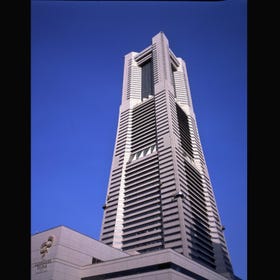
The skyscraper that stands 296 meters high. It's a spot full of attractions such as a large panorama that spreads from the observation floor on the 69th floor and shopping!
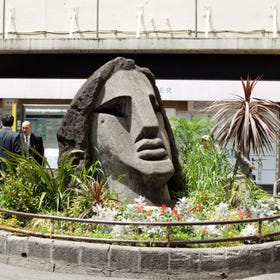
The Moyai statue is well-known as a meeting place at the Shibuya Station. It is a unique stone sculpture that has different faces carved on the front and the back.
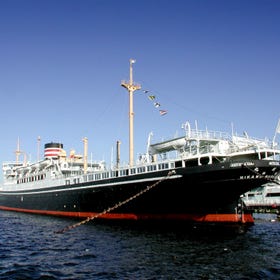
Hikawa Maru, an ocean liner of Nippon Yusen (NYK Line or Japan Mail Shipping Line), is one of the historical cargo-passenger ships and was built in 1930 for the purpose of running a regular route to Seattle. Today, the liner is open to the public and the visitors can enter the guestroom, the dining room, wheelhouse, the engine room, and other areas.
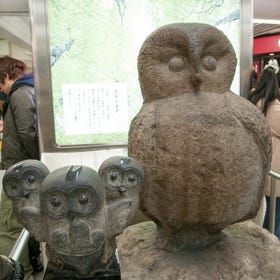
It is a stone statue of an owl that was made into a landmark in the yard of the Ikebukuro Station when the JR (Japan Railways) was launched.
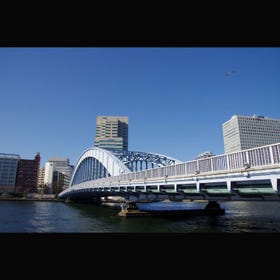
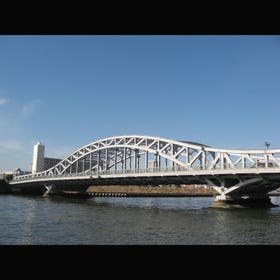
A tied-arch bridge that imitated the Ludendorff Bridge in Germany.
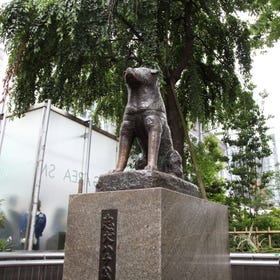
The Hachiko Statue, an iconic symbol standing near the bustling scramble intersection of Shibuya Station, is a well-loved fixture in Tokyo tourism. A popular meetup location, it has garnered considerable attention from international visitors, who are often found capturing its charming presence. A visit to Shibuya would be incomplete without stopping by this faithful statue, along with other renowned attractions such as SHIBUYA SKY, MIYASHITA PARK, and Shibuya Center Street. This endearing statue encapsulates the appeal of Shibuya, radiating an enduring charm. Before you explore the vibrant sights of Shibuya, be sure to commemorate your visit with a selfie with this beloved statue.
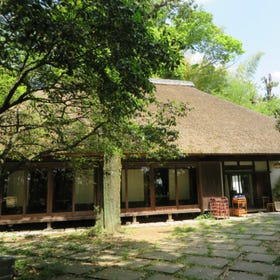
The former residence of the Japanese diplomat, Jiro Shirasu, and his wife and essayist, Masako. He was a liaison officer with the occupying forces after the war, and instrumental in drafting the Constitution of Japan.
A bridge with a beautiful rectilinear design listed in ”100 Views of New Tokyo.”
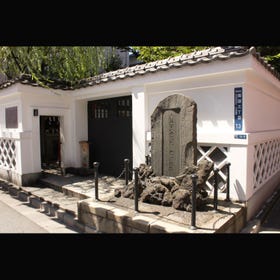
This is the site where the revenge of the 47 Ronin (Ako-roshi) took place. On the same property is Matsuzaka-inari shrine, which enshrines Kira and the well said to have been used to clean his head.
A bridge built over the Sumida River after World War II with a panoramic view of skyscrapers in Tokyo.
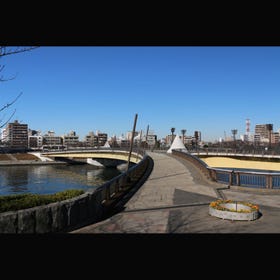
Sakura-bashi Bridge connects the two sections of Sumida Park on either side of Sumida River. It is a pedestrian-only bridge distinguished by a smart facade that blends in with its surroundings.
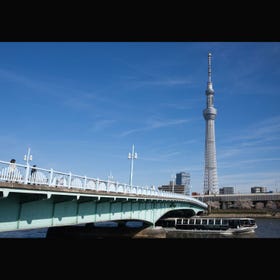
The Kototoi Bridge with its beautiful rectilinear shape is built over the Sumida River. It is a perfect place to see cherry blossom trees lined up at the banks of the river.
A bridge connecting Arakawa, Sumida and Taito. A nice place to stroll and view Tokyo Skytree®.
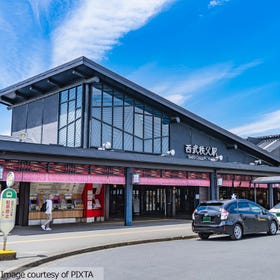
The gateway to Chichibu, where timeless Japanese scenery awaits just 80 minutes from Ikebukuro Station in central Tokyo.
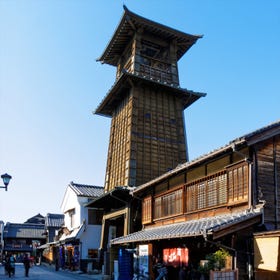
This chime keeps telling time and is a symbol of Kawagoe, a warehouse town brimming with Edo-era atmosphere.
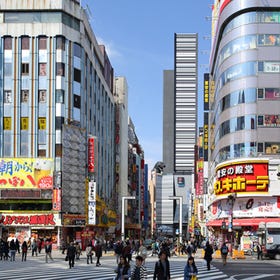
This huge 12-meter tall model of ”Godzilla” was established as the symbol of Kabukicho, Shinjuku.
The bridge carrying traffic from Kasuga-dori Street over the Sumida River. One of the viewing areas for the fireworks festival is near this bridge.
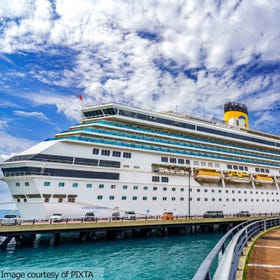
Okinawa's maritime gateway, where many cruise ships dock. A shuttle bus trial currently runs from the port to the Naha city center.
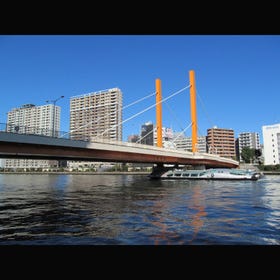
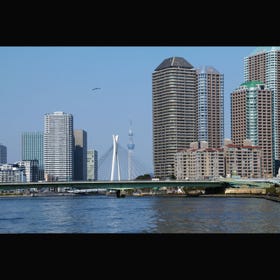
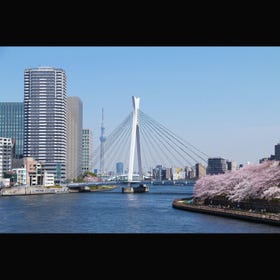
This is a cable-stayed bridge over the Sumida River. Its 32 cables stage the presence of this beautiful bridge.
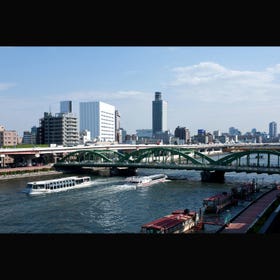
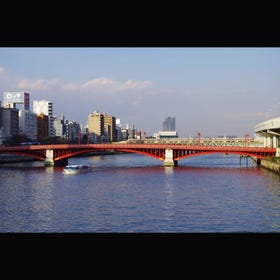
View the spring cherry blossoms in full bloom from the Azuma-bashi bridge, or board the Waterbus for some sightseeing along the Sumida river.