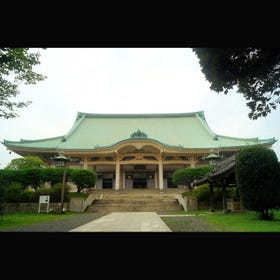
One of two Daihonzan (head temples) of the Soto school of Zen Buddhism, with modern buildings in the spacious temple grounds. You can practice Zen meditation here.
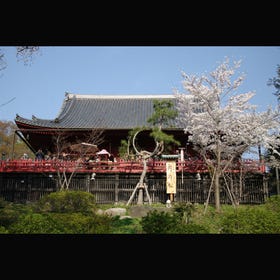
The temple hall is classified as an Important Cultural Property, modeled after Kiyomizu Temple in Kyoto Higashiyama. The gorgeous vermillion facade fascinates visitors.
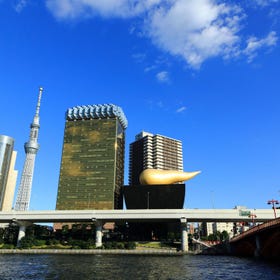
The facade of the Asahi Group's headquarter building was designed in the image of a beer mug.
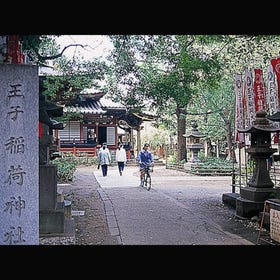
The shrine was established by the then Shogun, Tokugawa Ienari. It is also known as an old Kanto Inari Sotsukasa shrine (the top Kanto area shrines enshrining the Inari.)
The ideal starting point for Mt. Fuji sightseeing and for enjoying historic landmarks and majestic views.
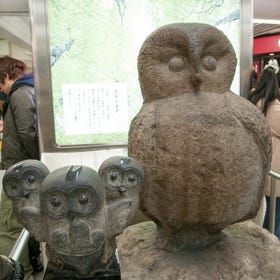
It is a stone statue of an owl that was made into a landmark in the yard of the Ikebukuro Station when the JR (Japan Railways) was launched.
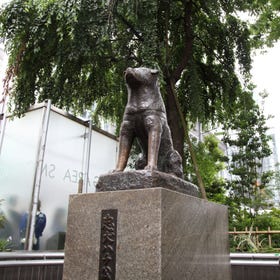
The Hachiko Statue, an iconic symbol standing near the bustling scramble intersection of Shibuya Station, is a well-loved fixture in Tokyo tourism. A popular meetup location, it has garnered considerable attention from international visitors, who are often found capturing its charming presence. A visit to Shibuya would be incomplete without stopping by this faithful statue, along with other renowned attractions such as SHIBUYA SKY, MIYASHITA PARK, and Shibuya Center Street. This endearing statue encapsulates the appeal of Shibuya, radiating an enduring charm. Before you explore the vibrant sights of Shibuya, be sure to commemorate your visit with a selfie with this beloved statue.
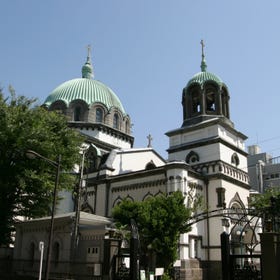
The Nicholai-do Cathedral (commonly spelled as Nikorai-do in Japan) is a Byzantine-style cathedral with a characteristic dome roof. In addition to a tour to see cultural assets, you can also participate in a mass service.
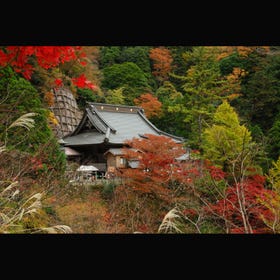
The fierce-eyed Fudo Myo-o (Acala) statue, this Buddhist temple's main object of worship, is really astounding. The backdrop of beautiful red maple leaves is also impressive.
Main priests' residence of Senso-ji complex where the Three Buddha Statues of Amitabha are enshrined. The temple also houses ancestral tablets of Tokugawa Shoguns.
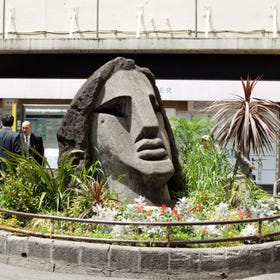
The Moyai statue is well-known as a meeting place at the Shibuya Station. It is a unique stone sculpture that has different faces carved on the front and the back.
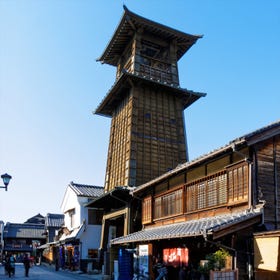
This chime keeps telling time and is a symbol of Kawagoe, a warehouse town brimming with Edo-era atmosphere.
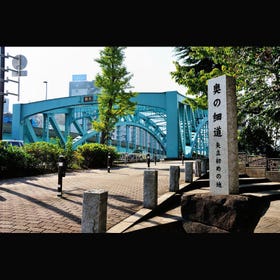
This is a historical iron bridge that was illustrated in nishiki-e (multi-colored woodblock print) by an ukiyo-e artist, Hiroshige Utagawa.
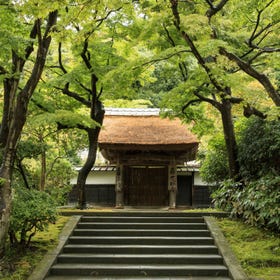
This is a historically valuable temple that has National Treasures within its magnificent scenery that makes good use of nature. Zazen seated meditation meetings are held on weekends.
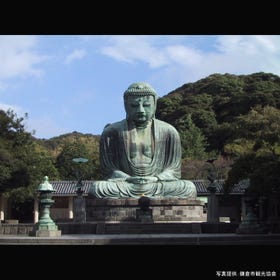
Famous for the Great Buddha of Kamakura which weighs 121 tonnes, Kotoku-in is a Buddhist temple of the Jodo-shu sect.
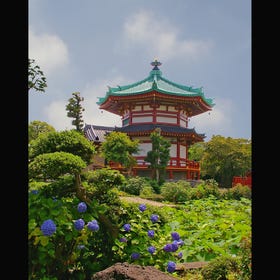
Surrounded by nature and visited by many people, Bentendo Temple rises from the center of Shinobazu Pond in Ueno Park.
A tied-arch bridge that imitated the Ludendorff Bridge in Germany.
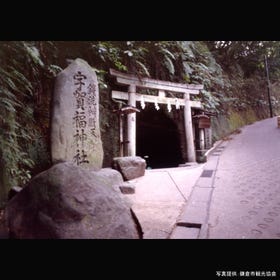
A Shinto shrine known for Zeniarai Spring, one of five ”remarkable waters” in Kamakura, where it is said that visitors can multiply their money by simply washing it.
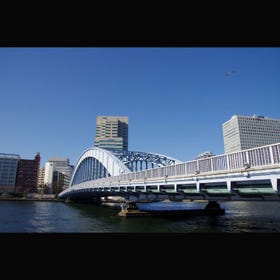
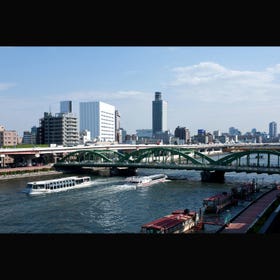
The bridge carrying traffic from Kasuga-dori Street over the Sumida River. One of the viewing areas for the fireworks festival is near this bridge.
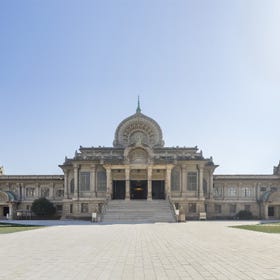
It is a Buddhist temple in Tsukiji. The exterior of the main worship hall is a stone construction in the ancient Indian style, and the interior of the hall is arranged in the traditional Shinshu-sect temple design and layout.