Fully equipped to accommodate international visitors. Offers cashless payment options, towel rentals, and discount coupons specifically for travelers from abroad.
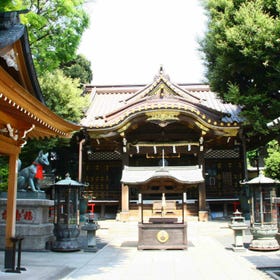
A soto-zen Buddhist temple, better known as Toyokawa Inari, which had been worshiped by both the mighty warriors of each era and common people of Edo-Tokyo. You can make a pilgrimage to the seven lucky gods and enjoy viewing lit paper lanterns.
Edo Wonderland is a huge theme park with a realistic simulation of a town from the Edo Period.
This botanical garden offers an extraordinary space where you feel as if you stepped into a jungle. Visitors can learn about the tropical plants that have a strong tie to their daily life.
Watashi-bune, or the ferry boat, is affectionately called ”Pon-pon sen.” This ferry boat is Uraga's symbol for going back and forth from east to west within the port of Uraga.
Some of the most popular ramen noodle restaurants in Tokyo are gathered there. It is a ramen battleground accessible directly from the station.
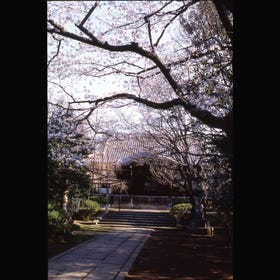
A Nichiren Buddhist temple housing Kishimojin (Hariti), the deity of easy childbirth. Steeped in nature, Kishimojin-do has been a popular site for viewing cherry blossoms since the Edo period (1603-1868).
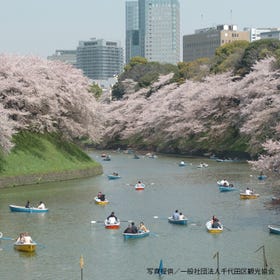
The Chidori-ga-fuchi Moat is located northwest of the Imperial Palace. The nature-rich sidewalk along the moat is called the Chidori-ga-fuchi Ryokudo (a green road), which runs for 700 meters. It is one of the most famous cherry blossom viewing sites in Japan.
Selected as one of Japan's top 100 cherry blossom spots. You can enjoy viewing flowers and plants of the season and watching wild birds in the spacious park.
The symbol of Odawara City, Kanagawa. The former castle area is now a park beloved by town residents and has an amusement park for children.
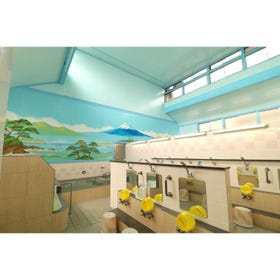
Traditional Japanese bathhouses(SENTO).
This store sells dried products such as bonito, kelp and small sardines — all indispensable to the seasoning of Japanese cuisine.
Located in a park looking down over Minato Mirai, the center area of Yokohama City, this zoo allows visitors to interact with animals up close.
This is a large, nature-infused urban park with lush greenery and an abundance of seasonal flowers such as poppies in spring and cosmos flowers in autumn.
The Yokohama Marine Tower is one of the symbols in Yokohama built in 1961. Visitors can enjoy the 360° panorama view from its observation deck.
A large arena where all sorts of events and concerts are held
The oldest amusement park in Japan, built in 1853. Discover the atmosphere of a traditional festival at the ennichi corner in the park!
Yokohama Chinatown is a business quarter where you can taste authentic Chinese food in Yokohama. It is also popular because you can shop for Asian-styled sundries and souvenirs.